

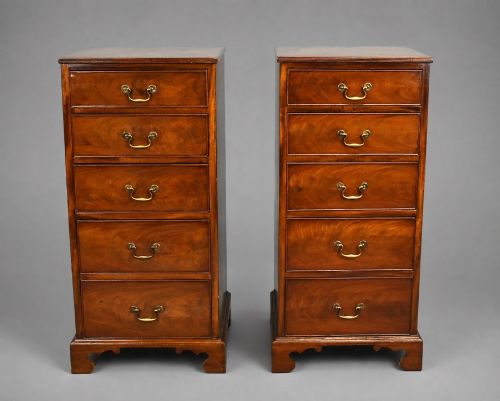
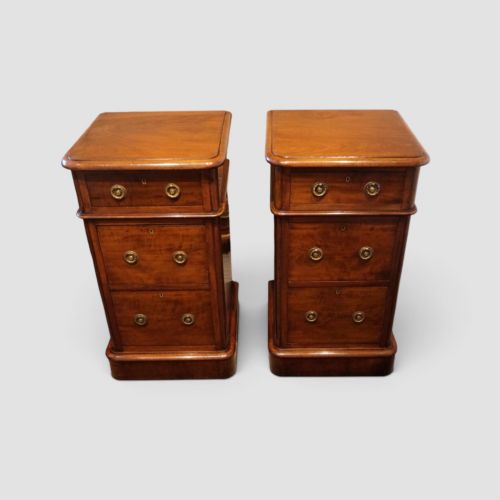
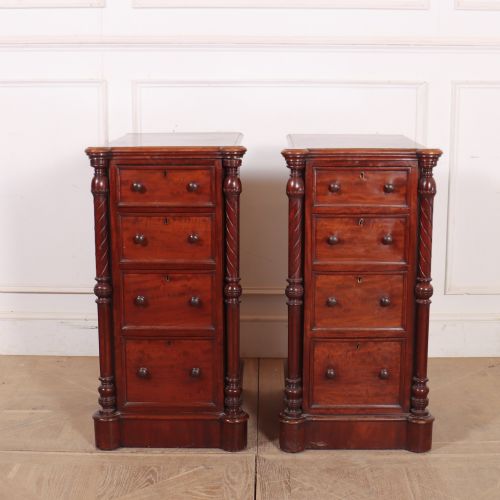
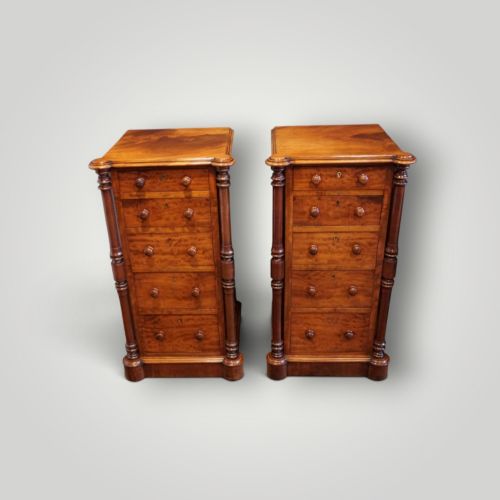
Traditional Nightstand Table
A traditional nightstand table is a practical bedside companion that holds your evening essentials while anchoring the room with period character.
Traditional Nightstand Table
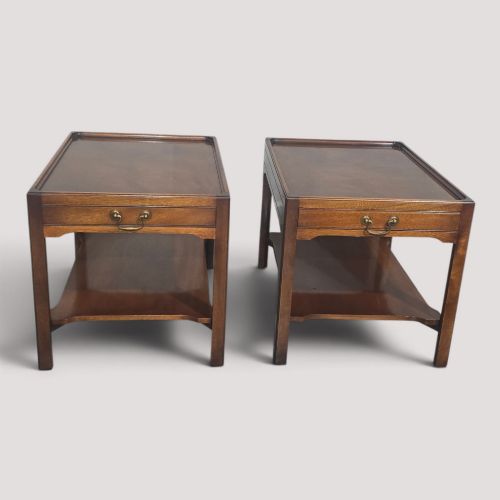
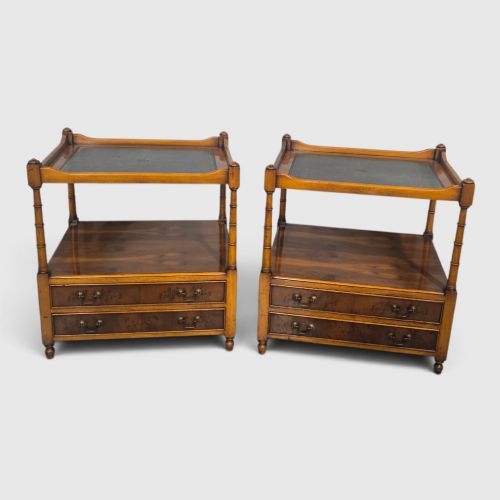
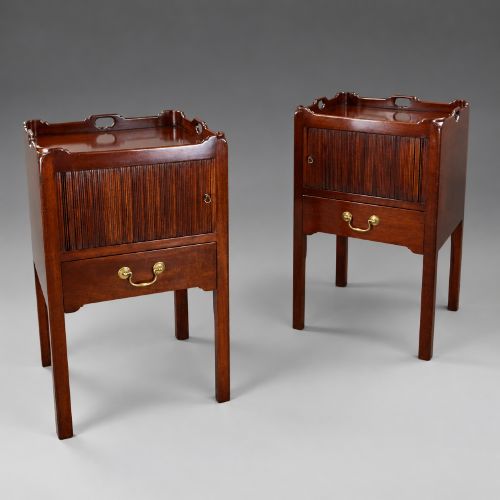
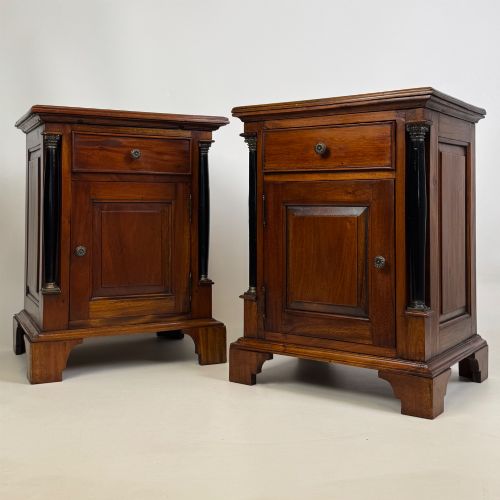
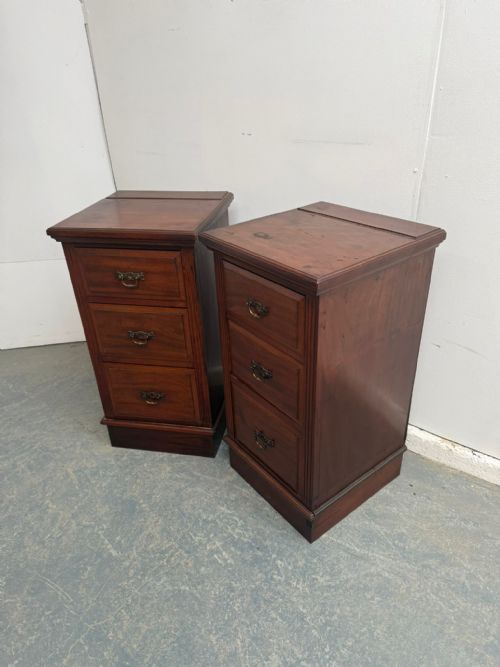
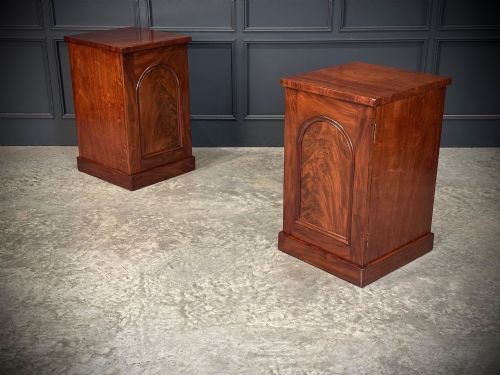
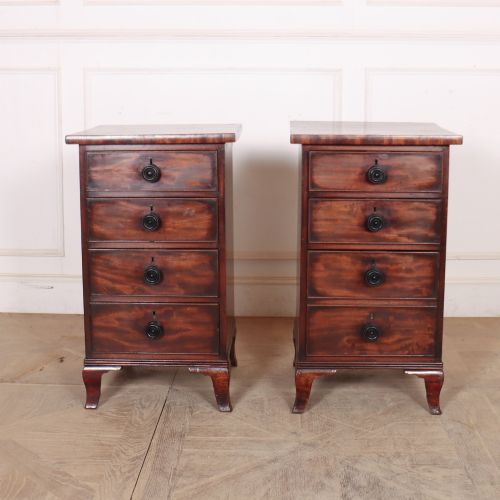
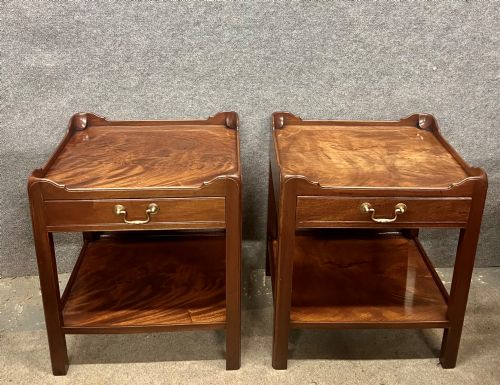
A traditional nightstand table serves primarily as a bedside surface or enclosed cabinet, providing a dedicated spot for lamps, books, and night-time necessities within arm's reach of the bed. When searching this phrase, buyers encounter a diverse mix of forms designed for this domestic role, ranging from compact open lamp tables to multi-drawer bedside chests and enclosed cupboards.
The selection on this page draws heavily from Victorian, Edwardian, and Georgian periods, alongside later twentieth-century revivals spanning the 1900s through to the 1930s. Pieces appear in various configurations, including singular cabinets and matched pairs, with forms extending beyond standard tables to embrace side tables, occasional tables, and bedside chests.
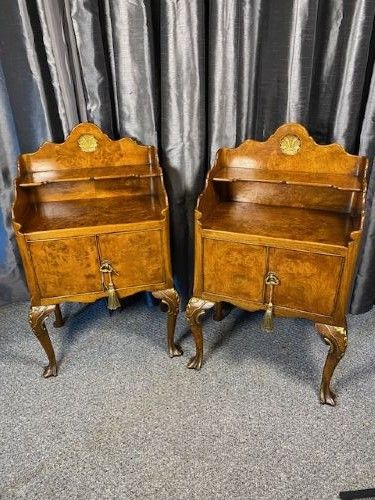
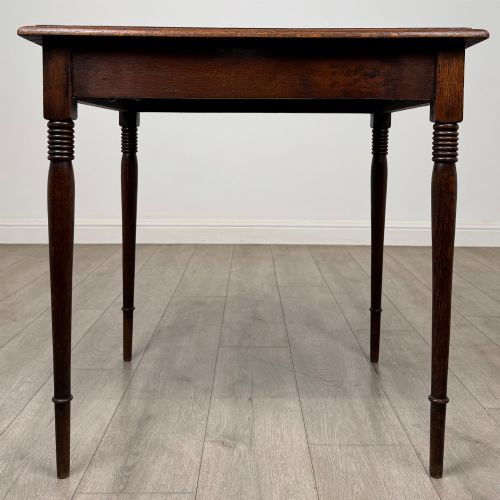
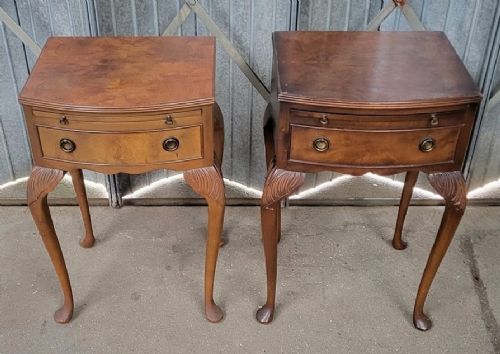
Origin and regional craftsmanship also shape the selection, with examples noting English, Scottish, and Irish provenance alongside specific revival styles. Whether rendered as a Queen Anne style walnut piece or a Jacobean revival oak table, each item reflects the domestic utility and aesthetic preferences of its respective era.
Materials and construction methods
Cabinet makers relied predominantly on dense hardwoods such as mahogany, oak, and walnut, often selecting figured grains like burr walnut or flame mahogany for decorative surfaces. These timbers provided the structural integrity required for daily bedside use while offering rich natural colour and grain patterns.
Construction techniques combined robust joinery with decorative detailing, utilising brass hardware for handles and fixtures, alongside occasional accents in chrome, metal, and cut crystal glass. Secondary woods and traditional finishes, including wax and paint, protected the timber and enhanced the tactile quality of each cabinet and table.
One cheerful survivor wears a coat of light grey paint over its Victorian columns, proving past owners loved a timely makeover.
Distinguishing quality across the range
Quality reveals itself in the selection of timber and the handling of grain, where highly figured veneers like burr walnut or flame mahogany elevate an ordinary cabinet into a more decorative statement. The sophistication of carved details, balanced proportions, and the integration of period-appropriate brass hardware further separate standard utility pieces from finer examples.
The integrity of the construction, from smooth-running drawer drawers to sturdy structural joints in hardwoods such as oak and mahogany, dictates a piece's longevity and daily performance. Workshop execution also plays a role, with documented makers and refined Georgian or Victorian proportions commanding distinct appreciation among collectors.
Warings Liverpool·Stuart Crystal
The Traditional Nightstand Table Glossary
- Bedside chest
- A low cabinet featuring multiple small drawers for storage, commonly placed beside a bed.
- Flame mahogany
- A veneer cut from the fork of a mahogany tree that displays a distinctive flickering, flame-like grain pattern.
- Queen Anne style
- A design movement characterised by cabriole legs, curved lines, and restrained ornamentation popular in various revival periods.
- Lamp table
- A small occasional table specifically proportioned to support a lighting fixture.
Traditional Nightstand Table: Frequently Asked Questions
What is a traditional nightstand table used for?
These pieces provide a convenient surface next to the bed for holding lamps, books, and personal items within easy reach. Many designs also incorporate drawers or enclosed cupboards to keep smaller bedtime necessities neatly tucked away out of sight.
Beyond the bedroom, smaller lamp tables and side tables frequently function as occasional surfaces in living rooms and studies. Their compact footprints allow them to fit into tight spaces while adding period character to the interior.
How do I identify a Victorian bedside chest?
Victorian examples often feature sturdy mahogany construction, hand-cut dovetail joints in the drawers, and turned wooden pulls or brass hardware. They frequently appear as three-drawer chests or enclosed cupboards designed to match the heavier furniture scales of the nineteenth century.
Construction details such as solid timber backs and hand-waxed finishes help confirm the period origins. Comparing the proportions and secondary woods against standard nineteenth-century manufacturing techniques further clarifies the date.
Are these tables sold as single pieces or pairs?
The listings include both individual tables and matched pairs, depending on how the items survived together over the decades. Pairs are particularly sought after for balancing bedroom layouts on either side of a bed.
Single tables offer versatile options for smaller rooms, hallways, or as standalone lamp stands. Each listing specifies whether the piece is offered on its own or as part of a matched pair.
What timber types are most common?
Mahogany is the most frequent material seen across the selection, prized by historical makers for its rich colour and stable grain. Oak and walnut also appear regularly, with specialised variations like burr walnut and flame mahogany adding decorative surface pattern.
Other materials include elm, pine, and occasional accents of brass, chrome, and cut crystal glass. Each wood brings a distinct visual weight and tone to the piece, influencing how it integrates with existing room decor.