


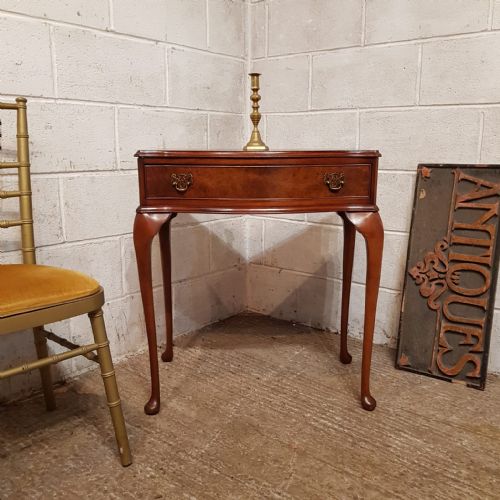


Georgian Walnut Lamp Table
A georgian walnut lamp table brings rich grain and practical surface area to a corner, drawing on eighteenth-century forms.
Georgian Walnut Lamp Table
When you search for a georgian walnut lamp table, you encounter compact occasional furniture designed to hold illumination beside a seat. These pieces frequently overlap with wine tables, lowboys, and bedside cabinets in walnut.
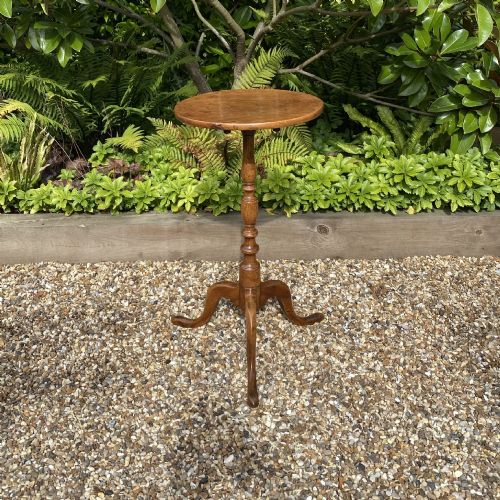
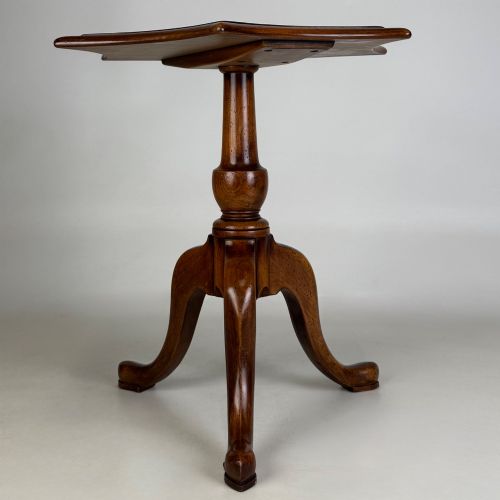
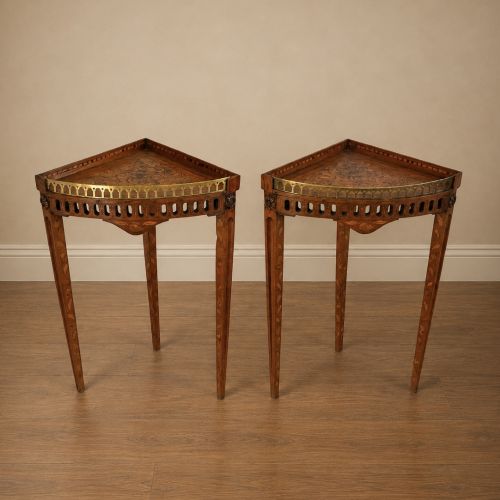
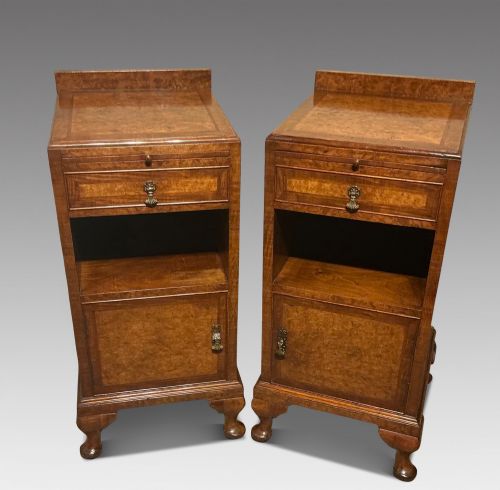
The versions most commonly met on this page span eighteenth-century originals alongside later revivals from the nineteenth and twentieth centuries. Formats range from single-drawer side tables to circular wine tables and corner stands fitted with brass galleries.
Makers across different eras adapted these compact tables for various domestic rooms, utilising figured veneers, burr walnut, and solid timber. Their modest proportions make them versatile additions to both traditional and modern interiors.
How they were made
Cabinetmakers constructed these tables using solid walnut and applied veneers, often selecting figured walnut or burr walnut for the primary surfaces to highlight natural grain patterns. Wood inlay and marquetry occasionally decorate the tops, adding linear or floral contrast.
Metal hardware such as brass galleries, handles, and castors appear on specific examples to enhance utility and decoration. Secondary timbers support the internal framing of drawers and carcases beneath the walnut exterior.
What varies in quality
The selection of timber dictates much of the visual appeal, with richly figured burr veneers and crisp marquetry inlay sitting at the upper end of the scale. Plain grain and simpler construction mark more utilitarian country pieces.
Proportion and stability also divide standard examples from finer specimens, particularly in slender cabriole legs, tilt-top mechanisms, and the crispness of edge mouldings. Original brass galleries and well-fitted single drawers add distinction to surviving items.
The Georgian Walnut Lamp Table Glossary
- Burr walnut
- A prized veneer taken from the wart-like growths on walnut trees, yielding highly swirly, irregular grain patterns. It creates a decorative surface favoured on high-end occasional tables.
- Cabriole leg
- A furniture leg that curves out at the knee and tapers inward at the ankle, mimicking an animal shape. This form is common on eighteenth-century and revival walnut tables.
- Lowboy
- A small dressing or side table featuring one or more rows of drawers beneath a flat top. They frequently share proportions with compact lamp and bedside tables.
- Marquetry
- Decorative patterns formed by fitting together thin slices of various woods into a veneered surface. It appears on Georgian revival and eighteenth-century inlaid tables.
- Pie crust edge
- A raised, carved moulding around the circular rim of a tabletop resembling pastry work. This detail is often found on wine and occasional tables.
- Wine table
- A small, tall occasional table typically supported by a central pillar and tripod base. They serve similar functional roles to lamp tables in period interiors.
Georgian Walnut Lamp Table: Frequently Asked Questions
How do I spot an eighteenth-century original?
Examine the construction methods of the drawer linings, timber shrinkage, and secondary woods used beneath the walnut veneer. Period pieces show hand-cut joints and timber movement consistent with age.
Compare the patination and wear patterns on the feet and handles with later revival pieces from the twentieth century.
Were these tables originally used for lamps?
Most early examples served other domestic purposes such as holding candles, wine, writing materials, or small decorative objects before electric lighting existed.
Later makers and modern owners adapted these compact wine and side tables to hold bedside lamps.
What is the difference between burr walnut and figured walnut?
Burr walnut comes from tree growths that produce dense, swirling, circular grain patterns with intense visual depth. It was selected for luxury furniture.
Figured walnut displays natural grain distortions like ripples or flames but lacks the chaotic knots of burr wood.
Can I use a corner lamp table in a modern room?
Their compact triangular footprints allow them to fit snugly into unused room corners without obstructing walkways. They provide a stable surface for lighting in tight spaces.
Pairing period wood tones with contemporary decor creates a balanced interior contrast.