

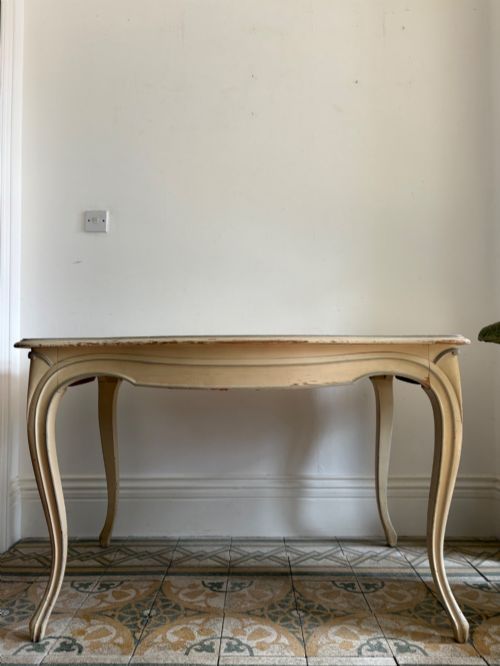
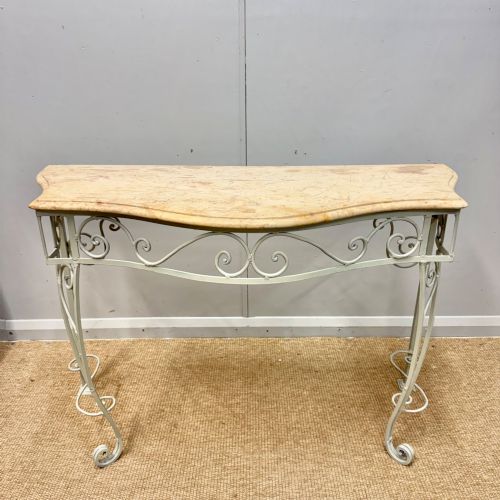
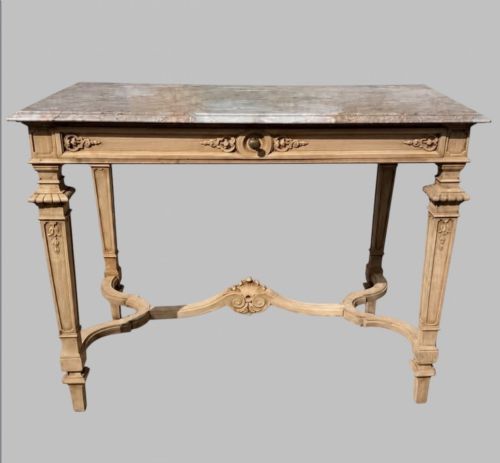
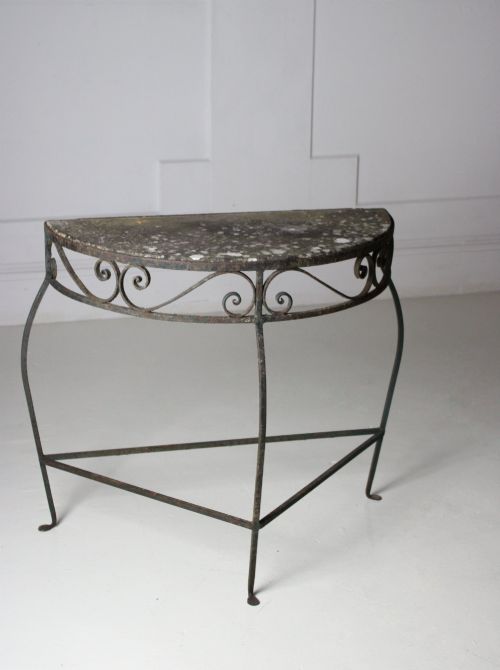


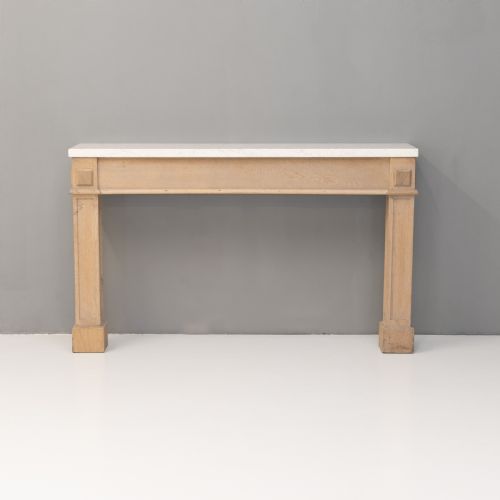


Provincial Hall Table
A provincial hall table brings earthy practicality to an entrance, offering sturdy timbers and historic regional character.
Provincial Hall Table
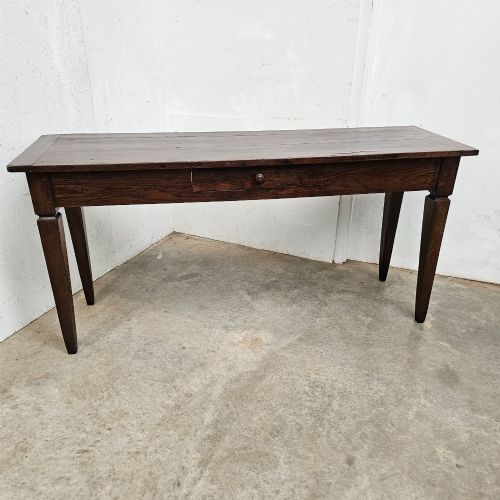
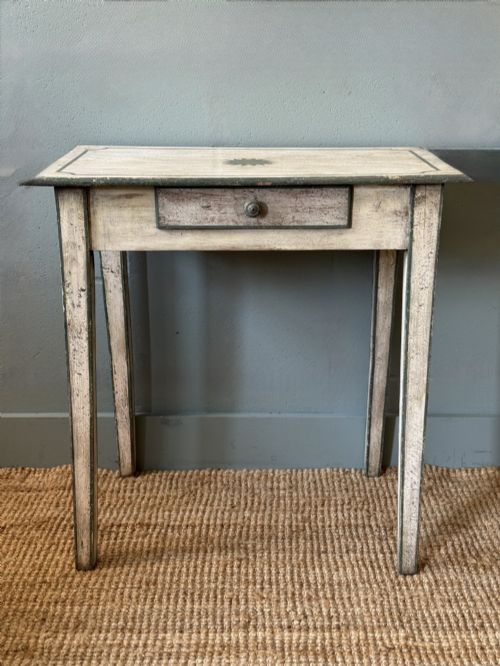
A provincial hall table serves as a sturdy, surface-level anchor in an entranceway, drawing on regional traditions from English, French, and Chinese workshops. When searching for a provincial hall table, you encounter diverse forms ranging from compact side tables and lowboys to longer serving tables and dresser bases.
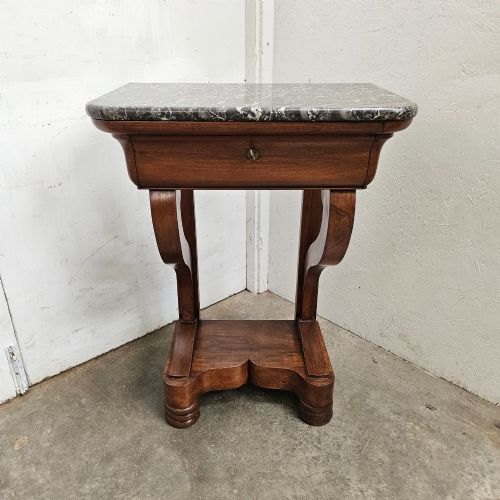
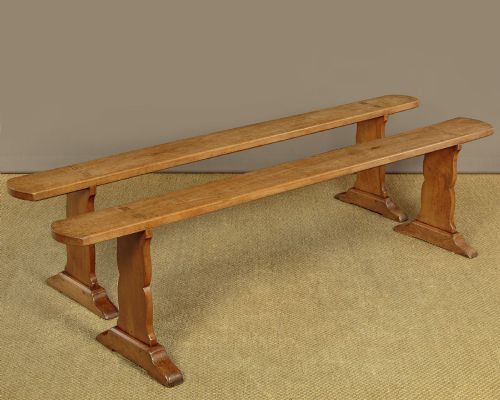
The material palette leans heavily towards honest timbers like oak, pine, and cherry, occasionally paired with marble or wrought iron. Pieces emerge from various periods, stretching from the eighteenth century through the Edwardian era and into the nineteen-twenties.
French country and Georgian examples dominate the selection, bringing turned legs, cabriole supports, and practical drawers into domestic spaces. These tables evolved to handle daily utility in country houses, farmhouses, and estates.
How they were made
Cabinetmakers utilised solid timbers including oak, walnut, elm, fruitwood, and pine, often joined with traditional pegged mortise and tenon construction. Many surfaces carry layers of original or historic paint, while others highlight the natural grain of cherry or yew tree wood.
Wrought iron and marble appear in continental console designs, providing heavier stone surfaces atop forged metal frames. Drawer construction relies on hand-cut dovetailing, paired with turned wooden knobs or simple brass pulls.
Early tables often hide tiny carved initials inside the drawer linings, left by cabinetmakers working in rural French provinces.
What varies in quality
The distinction between ordinary and exceptional tables rests in timber selection and the integrity of regional joinery. Tables retaining their original paint surfaces or untouched patinated timber command greater regard than those stripped down or heavily restored.
Proportion and execution of detail set finer pieces apart, from slender cabriole legs to cleanly cut drawer linings. Structural honesty, where secondary woods match the primary timber and alterations remain absent, defines the superior examples.
The Provincial Hall Table Glossary
- Lowboy
- A small side table or dressing table with one or more rows of drawers, commonly standing on tall cabriole or turned legs.
- Console table
- A table designed to stand against a wall, frequently secured to it or supported by front brackets and legs.
- Dresser base
- A long lower sideboard or table featuring multiple drawers, originally used in kitchens and halls for storage and serving.
- Gueridon
- A small French occasional table, often round, supported by a central pillar or multiple slender legs.
- Demi-lune
- A half-moon shaped table designed to sit flat against a wall in narrow spaces like hallways.
Provincial Hall Table: Frequently Asked Questions
Where do provincial hall tables work best?
These tables fit naturally in narrow entryways, corridors, and landings where depth is restricted. Their modest footprints and useful drawers provide a surface for post and keys without blocking foot traffic.
Placing one against a hallway wall creates an immediate focal point while introducing historic timber texture to neutral interiors.
How do I care for historic timber surfaces?
Maintain timber surfaces by dusting with a dry cloth and applying natural beeswax sparingly to nourish the wood grain. Avoid placing antique tables near direct heat sources or in damp environments to prevent timber splitting.
Protect marble tops from acidic spills by wiping liquids promptly to preserve the polished stone finish.
What is the difference between a side table and a lowboy?
A side table is a general term for any small table meant to stand against a wall or beside seating. A lowboy specifically designates a low table equipped with drawers, often dating from the eighteenth century.
Lowboys traditionally served multiple domestic functions including writing and hall storage.
How can I tell eighteenth-century oak from later copies?
Eighteenth-century oak displays deep patination, irregular hand-sawn board marks, and pegged joinery that differs from modern machine-cut production. Drawer interiors show hand-cut dovetails with minor irregularities unique to period hand tools.
Examine the timber shrinkage and overall weight, as older woods dry out completely and feel considerably denser.