




Traditional Mechanical Mantel Clock
A traditional mechanical mantel clock keeps time through springs and gears while anchoring a room with wood, marble, or brass.
Traditional Mechanical Mantel Clock
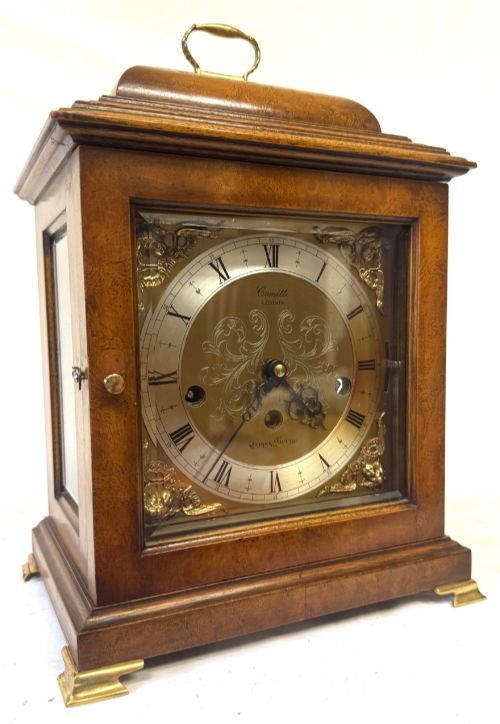
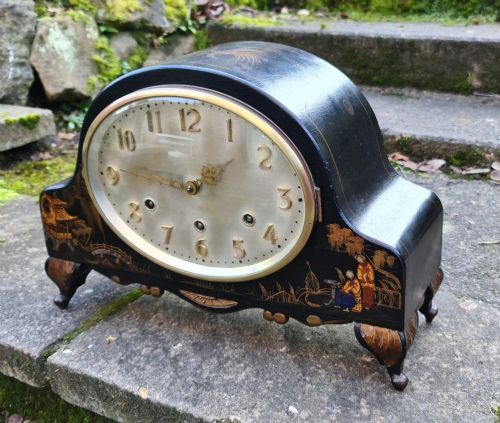
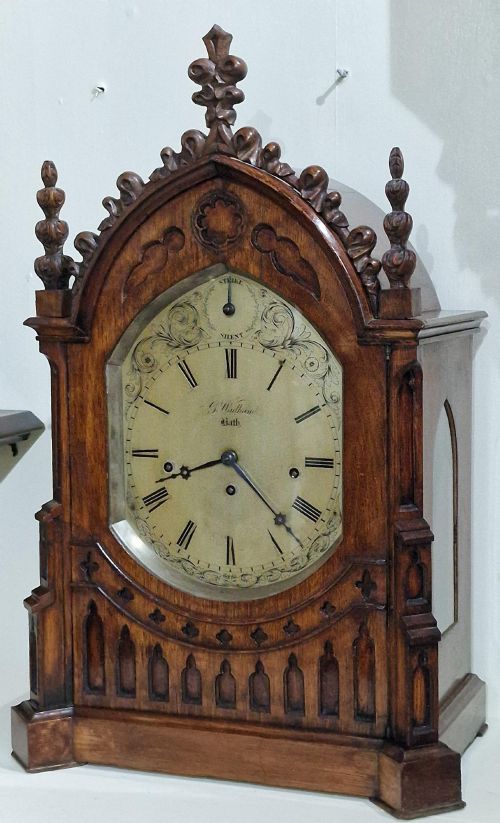
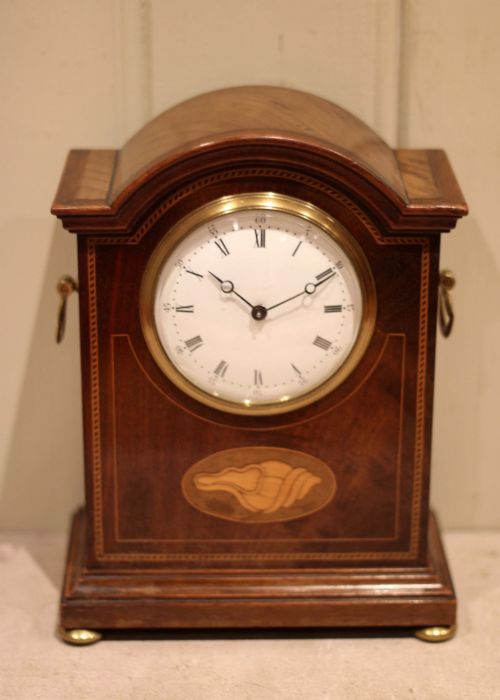
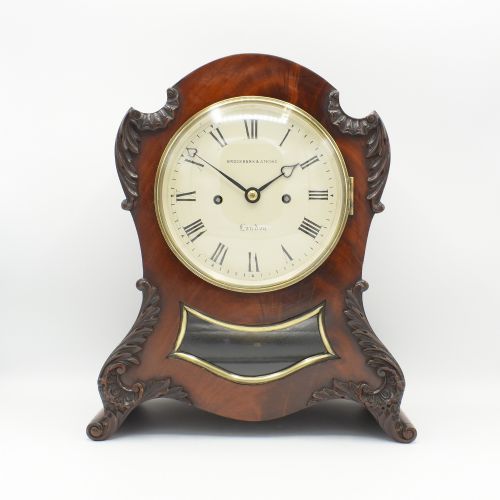
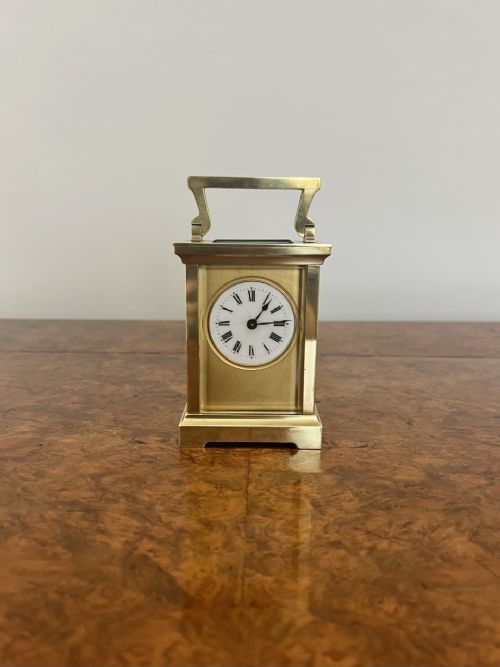
A traditional mechanical mantel clock sits upon a shelf, bracket, or sideboard, combining timekeeping with cabinetry or metalwork. These pieces span periods from the nineteenth century into the twentieth, taking the form of mantel clocks, bracket clocks, and carriage clocks.
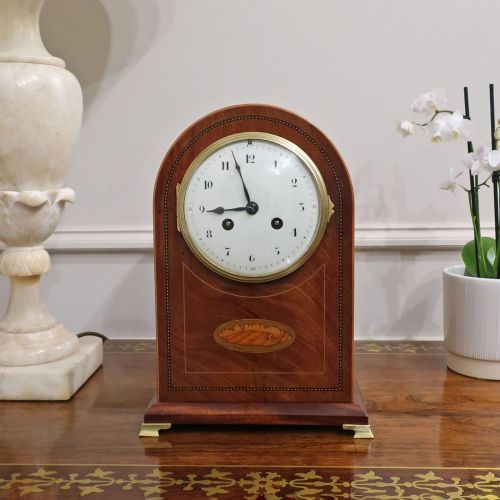
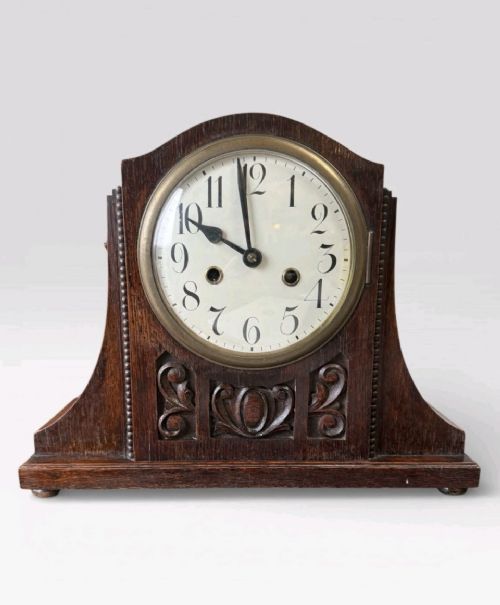
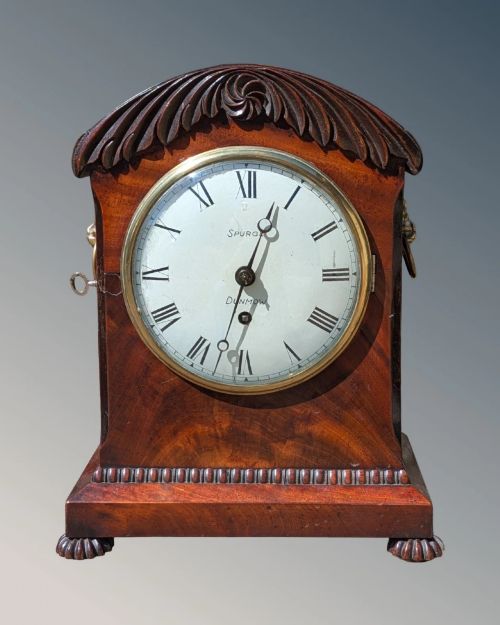
Mahogany, walnut, and oak dominate the wooden cases, frequently inlaid or carved, whilst brass, marble, and slate provide heavier architectural alternatives. The mechanisms inside rely on pendulum swings or balance wheels driven by mainsprings or weight assemblies.
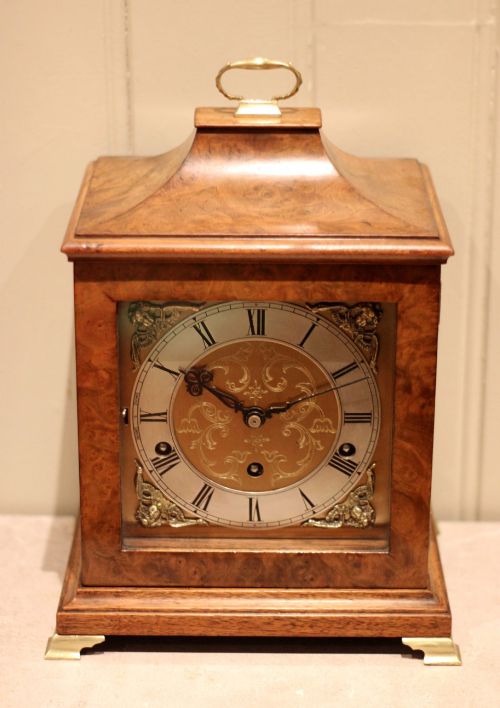
Victorian and Edwardian examples appear frequently alongside French carriage clocks and bracket clocks with fusee movements. Buyers encounter diverse chime configurations, from simple gongs to triple-tune Westminster movements.
How they were made
Cabinetmakers constructed the wooden housings using mahogany, walnut, oak, and occasionally faux tortoiseshell, often adding brass or lighter wood inlays and glass panels to protect the dial. Dial faces typically featured white enamel with Roman or Arabic numerals, framed by cast brass bezels.
Clockmakers fitted mechanical brass movements involving fusee, spring-driven, or pendulum systems, designed to strike hours, halves, or quarters on bells, gongs, or chimes. Bronze, brass, marble, and slate were shaped and polished to create robust structural cases for heavier table and mantel models.
Listings feature wooden cases in mahogany, walnut, and oak alongside heavy structural materials like marble and black slate.
What varies in quality
The sophistication of the movement largely determines the tier of the piece, moving from simple timepieces to complex triple-fusee or multi-train chime mechanisms. Maker attribution also plays a role, with signed plates from recognised workshops or retailers indicating higher craftsmanship.
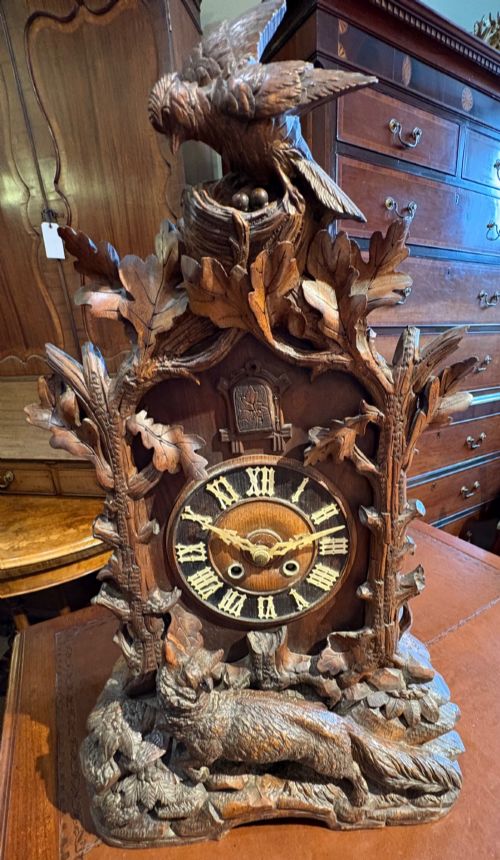
Case materials and execution distinguish standard production from finer work, seen in the selection of burr veneers, hand-carved details, heavy cast bronze mounts, and substantial marble or slate housings.
Mappin And Webb·Winterhalder And Hofmeier·Comitti Of London·Brockbanks And Atkins·L Epee
The Traditional Mechanical Mantel Clock Glossary
- Fusee
- A conical pulley used in mechanical clocks to maintain even power from the mainspring as it unwinds. This mechanism ensures consistent timekeeping across the winding cycle.
- Bracket clock
- A portable table clock originally designed to sit on a wall bracket to project sound further. Later versions retained the name regardless of placement.
- Carriage clock
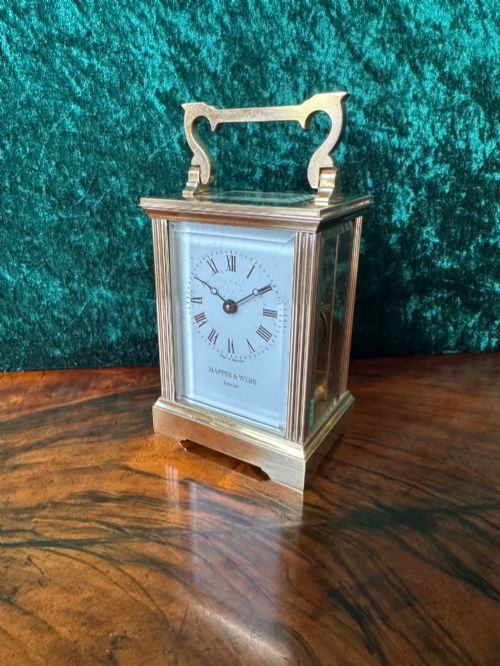
- A small, spring-driven clock with a carrying handle, originally developed for travel. They often feature glass panels exposing the escapement.
- Striking clock
- A clock that sounds the hours or fractions of hours on a bell or gong. Mechanisms vary from simple rack strikes to elaborate Westminster chimes.
- Enamel dial
- A metal face covered with fused glass powder to create a smooth, white surface for painted numerals. They resist tarnishing but can crack under impact.
Traditional Mechanical Mantel Clock: Frequently Asked Questions
How often should I wind a mechanical mantel clock?
Most spring-driven clocks require winding every eight days, though fourteen-day and thirty-hour movements also exist within this group.
Using the proper key for the winding arbours ensures the internal springs maintain steady tension without over-tightening.
Why does my clock need to be level?
Mechanical clocks rely on a symmetrical beat from the escapement and pendulum to measure time accurately. A tilted case causes the beat to become uneven, eventually stopping the movement.
Adjusting the feet or placing small shims beneath the base restores the correct rhythm.
How do I identify the period of a mantel clock?
Case styling, wood selection, and dial design offer the clearest indicators of age. Victorian and Edwardian pieces often display distinct revival motifs or Edwardian string inlay.
Signatures on the backplate or dial provide further clues through recorded maker histories.
What is the difference between a timepiece and a clock?
In horological terms, a timepiece indicates the current hour and minute without any striking or chiming mechanism. A clock includes additional gear trains to sound the hours or play melodies.
Timepieces generally require simpler maintenance due to having fewer moving parts.