
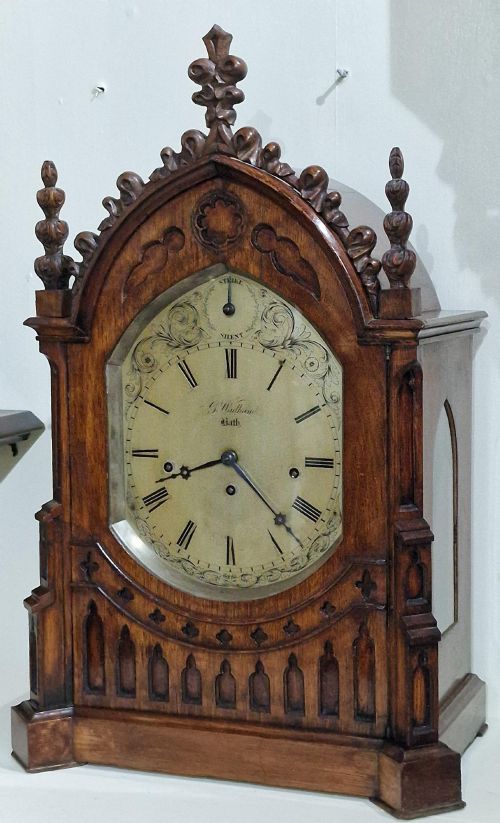


Chime Silent Mantel Clock
These chime silent mantel clock pieces combine domestic timekeeping with mechanical complexity, offering a traditional centrepiece for any room.
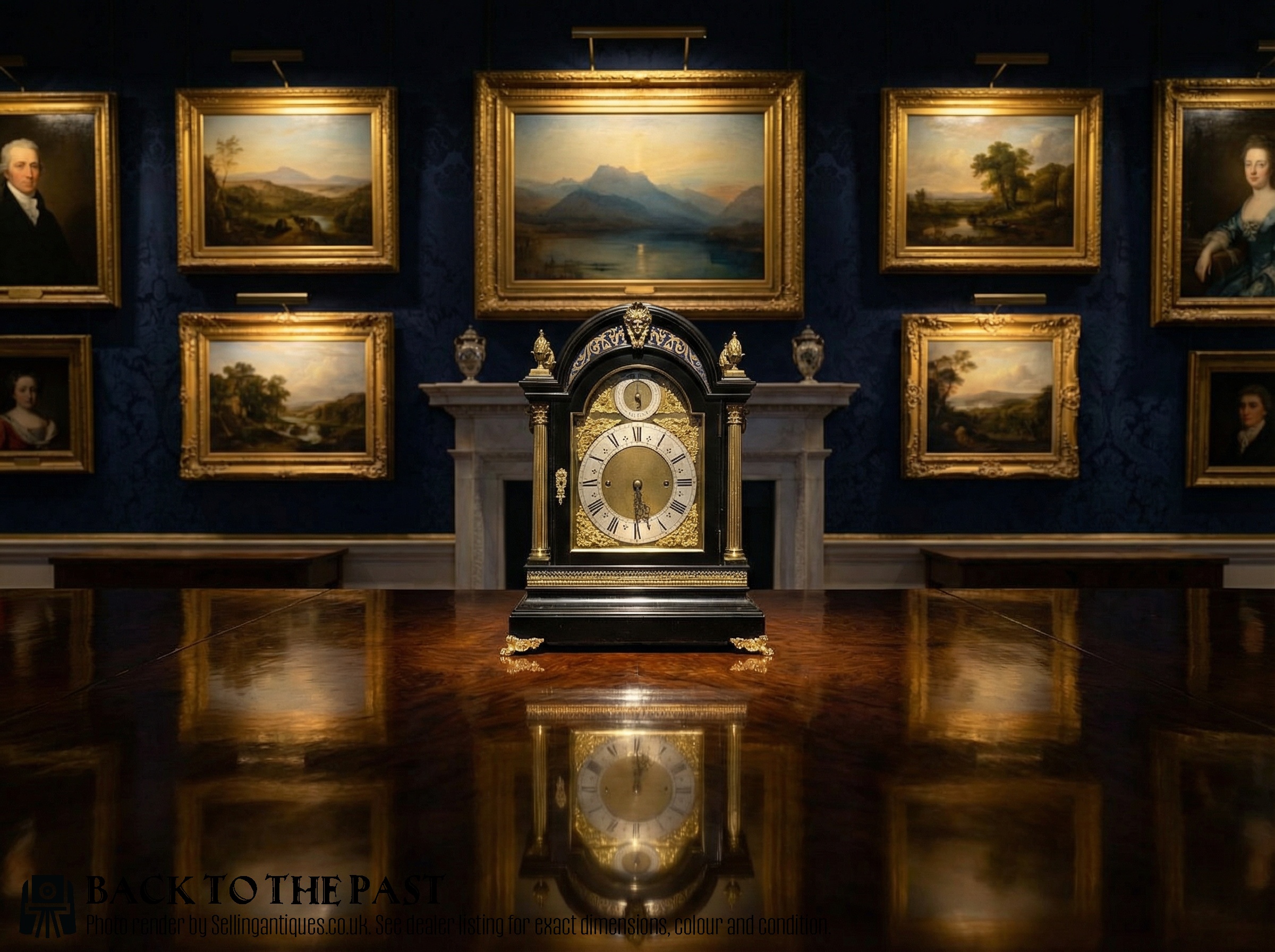
Chime Silent Mantel Clock
When you search for a chime silent mantel clock, you are looking at substantial timepieces designed for table or bracket display during the Georgian, Victorian, and Edwardian periods. These pieces originate from British and continental workshops, ranging in form from architectural wooden cases to four glass-sided designs.
The versions you are most likely to meet on this page span the eighteenth and nineteenth centuries, taking the shape of bracket clocks and traditional mantel clocks. Makers housed these movements in ebonised timber, mahogany, oak, and rosewood, often incorporating brass mounts and silvered metal dials.
Materials and construction
Maker workshops utilised dense hardwoods such as mahogany, oak, and rosewood alongside ebonised wood to build robust architectural cases. Glass panels and curved glass doors protect the dials, allowing a view of the internal mechanism.
Metal components, including brass and silvered metal, form the dials, bezels, and internal gear trains. Fusee and bell striking mechanisms drive the timekeeping and chiming functions within these heavy timber housings.
Listings feature oak, mahogany, rosewood, and ebonised timber cases paired with brass, glass, and silvered metal components across Victorian and Georgian eras.
Judging quality in these clocks
Quality rests in the precision of the movement and the integrity of the cabinet work, distinguishing standard production from the output of named makers. Heavier timber cases with refined carving and crisp dial engraving mark out the upper tier of timepieces.
The presence of complex mechanisms, such as triple fusee or quarter striking trains signed by established makers, elevates a piece above simpler striking models. Original surfaces and well-preserved brass and silvered metal details complete the distinction.
George Wadham Bath·W&H·Junghans·Agar Of Malton·Frodsham & Baker London·John Taylor London·Chater & Son London·L.Donne Birchin Lane
The Chime Silent Mantel Clock Glossary
- Fusee
- A conical pulley used in spring-driven clocks to maintain an even pull on the movement as the mainspring unwinds. This device helps the clock maintain consistent accuracy over its running period.
- Bracket clock
- A portable table clock originally designed to sit upon a wall bracket to aid projection of sound. Many examples now sit directly on mantelpieces or furniture surfaces.
- Ebonised wood
- Timber treated with a dark stain or finish to imitate ebony. This dark treatment was popular during the Victorian era for formal case designs.
- Quarter striking
- A mechanism that chimes the quarters of the hour in addition to striking the full hour count. It requires a more intricate gear train than standard hourly striking.
Chime Silent Mantel Clock: Frequently Asked Questions
What is a chime silent function?
The silent function allows the owner to disengage the striking and chiming mechanism manually. This stops the clock from making noise during the night while keeping the timekeeping gear running.
Owners typically use a small lever or dial on the clock face to select between silent operation and active chiming modes.
Where should I place a heavy bracket clock?
These heavy wooden clocks need a stable, level surface such as a sturdy mantelpiece, a sideboard, or a dedicated wall bracket. Placement on a solid foundation ensures the pendulum or balance wheel keeps an even beat.
Avoid areas subject to excessive vibration or dramatic temperature shifts, which can affect mechanical performance.
How do I wind an antique fusee clock?
Winding requires a dedicated key inserted into the winding holes on the dial face to tension the mainspring via the fusee cone. Care must be taken not to overwind the movement, stopping as soon as resistance is felt.
Different trains control timekeeping and striking, so multi-train clocks require winding at each designated aperture.
How do I identify a Victorian mantel clock?
Victorian examples often feature dark ebonised wood cases, heavily carved oak, or architectural mahogany housings influenced by Gothic Revival or later Victorian taste. Silvered metal dials and brass fittings frequently accompany these heavier case designs.
Examining the internal movement and any maker signatures on the dial or backplate helps confirm the period.