



Ornate Clock
When you handle an ornate antique clock, you encounter the weight of nineteenth-century brass, gilt bronze and meticulous French craftsmanship.
Ornate Clock
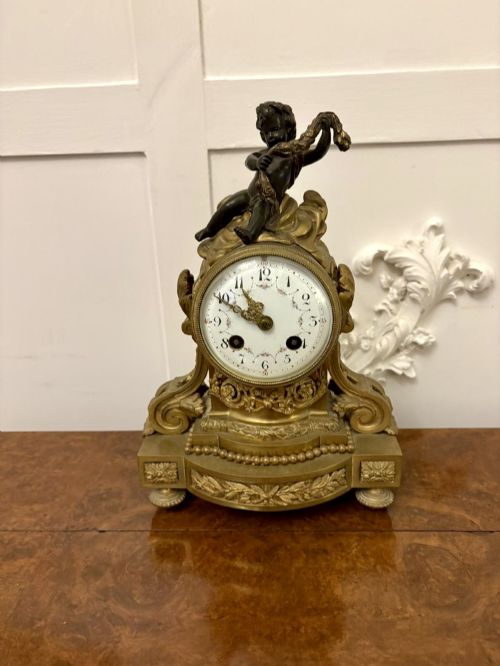
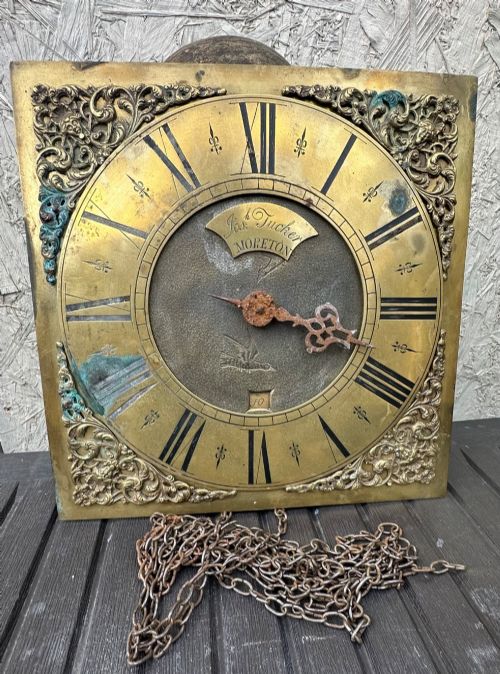
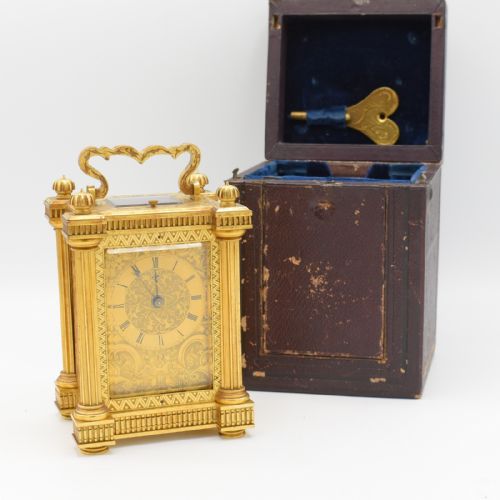
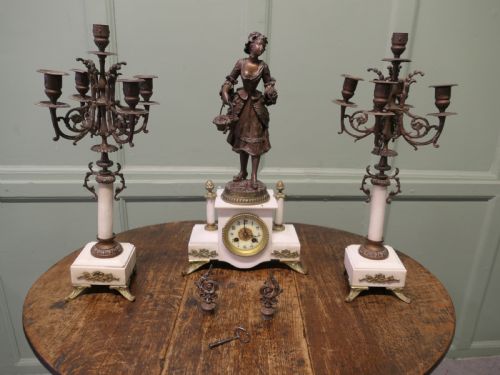
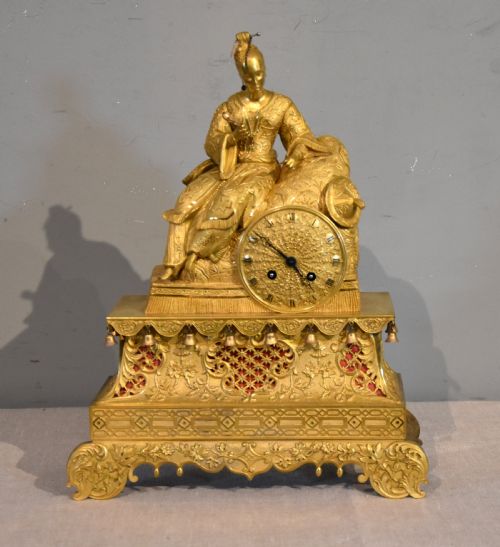
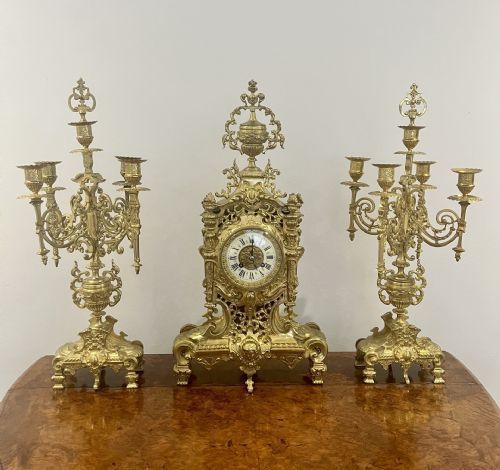
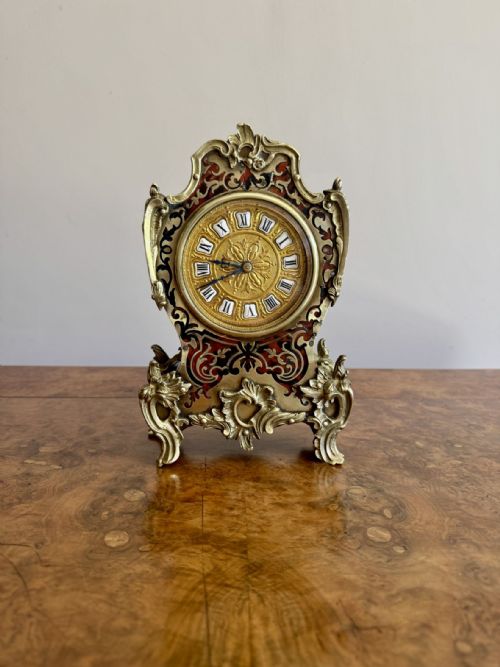
An ornate antique clock encompasses domestic timepieces designed primarily during the nineteenth century, with Victorian examples and French works dominating the selection. Buyers seeking this phrase regularly meet mantel clocks, carriage clocks and clock garnitures housed in brass, ormolu or marble cases.
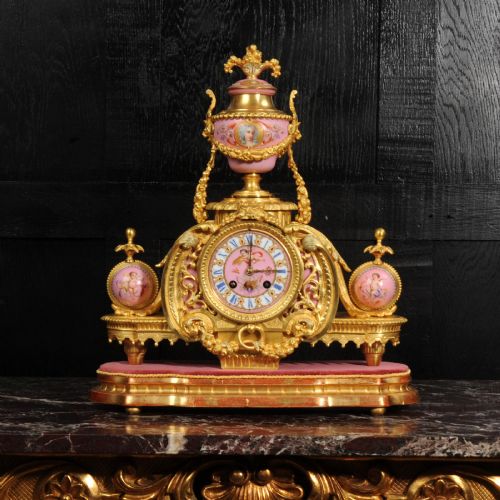
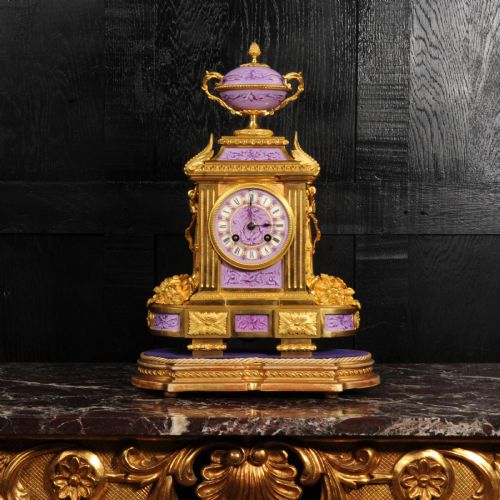
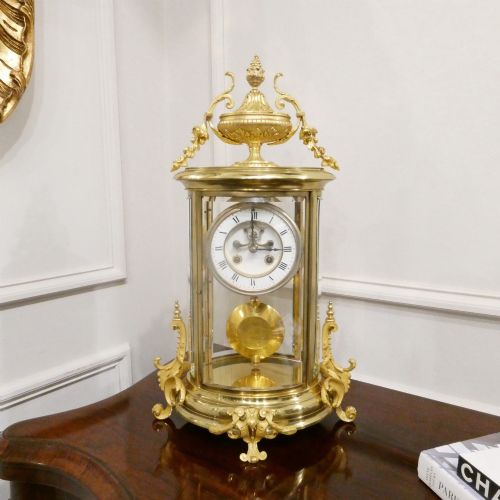
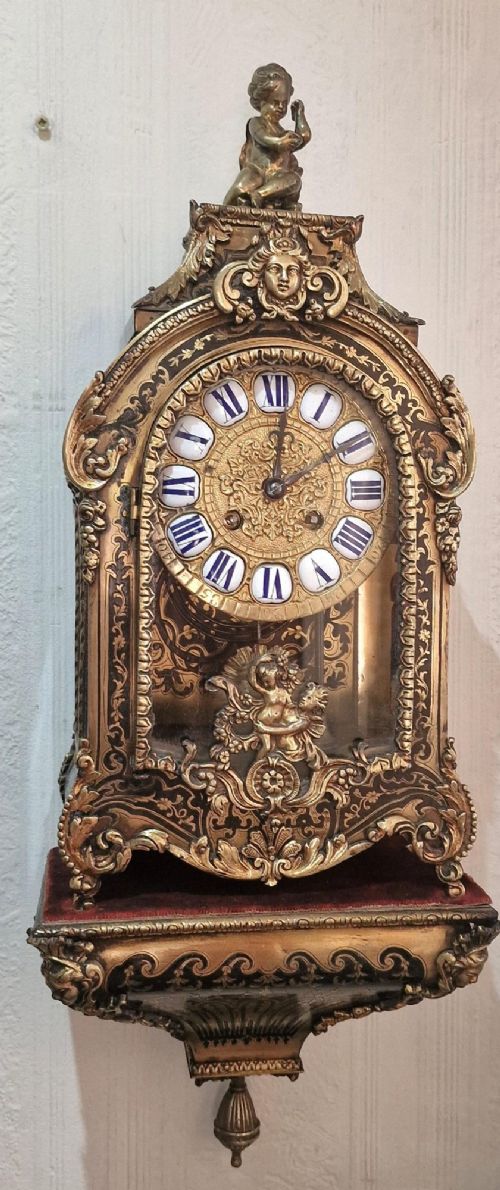
The objects span varied forms, from four-glass mantel designs and portico timepieces to portable carriage clocks with engraved cases. French workshops produced many of the more elaborate items, incorporating Rococo Revival styling and detailed porcelain panels into domestic interiors.
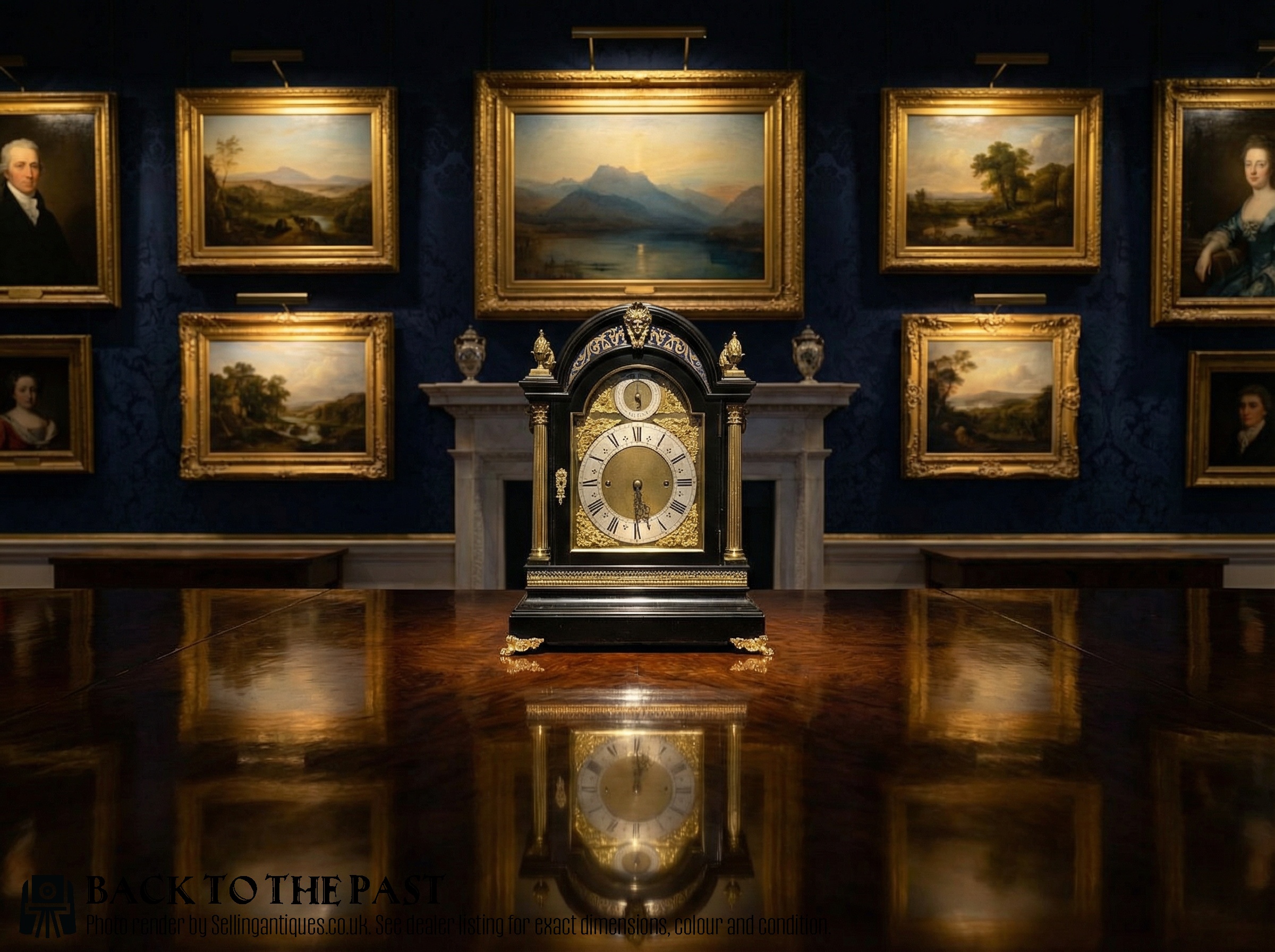
Materials and Construction
Casings rely heavily on cast metals such as brass, gilt bronze and ormolu, often paired with glass panels or marble bases. Artisans shaped these materials into intricate decorative schemes associated with French Second Empire and Rococo Revival tastes.
Internal movements required precise metalworking, utilised alongside enamel dials, porcelain plaques and occasionally tortoiseshell inlay. Workshops mounted delicate escapements inside glazed or engraved brass frameworks to display the mechanics.
Ornate Clock Retail Price Guide 2026
Typical asking prices for ornate clock among the pieces listed under this phrase on Sellingantiques today, from the lower quarter to the upper quarter. They describe what is for sale here now, not the wider market.
Some carriage clocks include repeating mechanisms designed for checking the hour in the dark without lighting a candle.
Distinctions in Quality
Quality rests upon the crispness of the cast ornamentation and the reputation of the maker who signed the movement. Pieces bearing the marks of established Parisian and London makers show superior finishing in their gilt surfaces and complex gear trains.
The integrity of the dial, the completeness of matching garniture sets and the presence of original escapements separate standard domestic items from high-grade horological works.
Achille Brocot·Samuel Marti·Howell And James·Japy Freres·A D Mougin·Seth Thomas
The Ornate Clock Glossary
- Ormolu
- A gilded bronze technique used extensively on nineteenth-century French clock cases. It provides a rich golden surface finish that mimics solid gold.
- Garniture
- A set comprising a central clock accompanied by matching side pieces such as urns or vases. These decorative sets dominated Victorian mantel displays.
- Escapement
- The mechanical linkage that regulates the speed of the clock. High-quality examples often feature platform escapements visible through glass panels.
- Champlevé
- An enamelling technique where troughs are dug into the metal surface and filled with vitreous enamel. This method creates colourful patterns across brass clock frames.
- Grand Sonnerie
- A striking clock mechanism that chimes the hours and quarters automatically. It represents a more complex movement found in better carriage clocks.
Ornate Clock: Frequently Asked Questions
How do I wind an antique clock?
Most mechanical timepieces require a key inserted into the dial holes to tension the mainsprings.
Careful rotation stops when resistance is felt to avoid overwinding the delicate internal gear trains.
Where were these clocks placed?
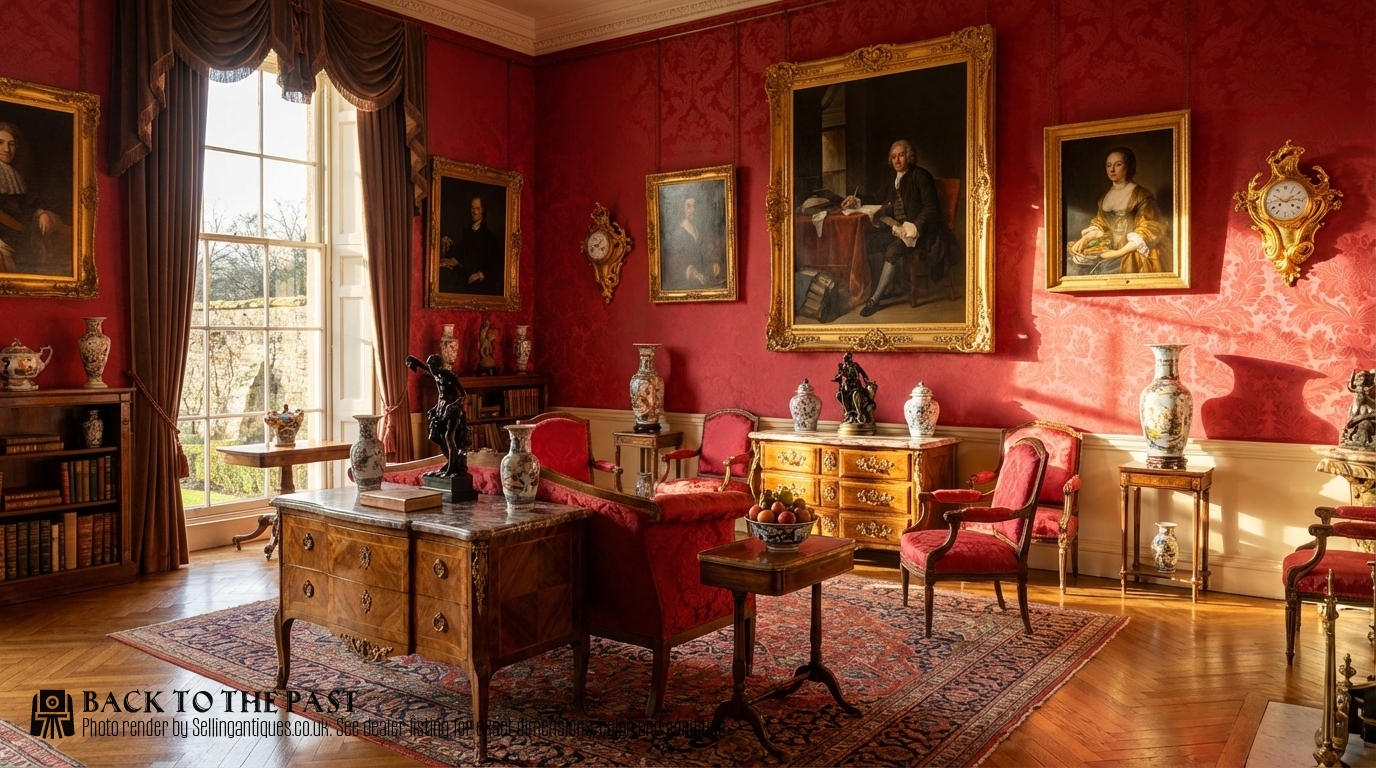
Mantel clocks sat upon parlour fireplaces, while smaller carriage clocks travelled with owners or decorated desks.
Clock garniture sets commanded prominent positions on large shelves alongside matched decorative urns.
How do I date a Victorian clock?
Makers marks, style indicators and registration stamps provide clues to the decade of manufacture.
French movements often carry stamped cachets linking the piece to specific nineteenth-century Parisian exhibitions or workshops.
What is a four-glass clock?
This mantel design encloses the movement between four bevelled glass panes within a brass or gilt frame.
The layout allows unobstructed views of the swinging pendulum and the rotating escapement from multiple angles.