
Traditional Log Dogs
Traditional log dogs anchor your hearth with iron and brass, holding burning wood safely in place.
Traditional Log Dogs
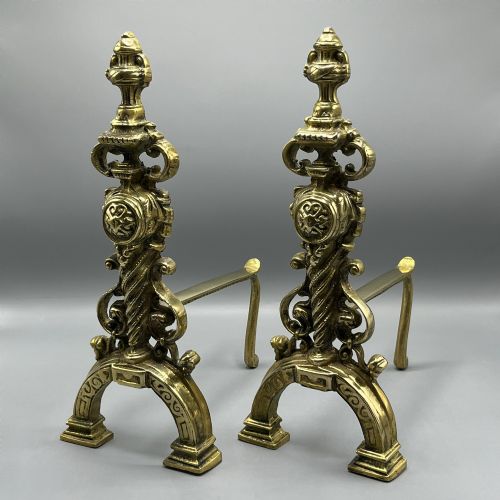
Traditional log dogs, also known as andirons or fire dogs, support logs within an open fireplace so air circulates beneath the wood for a steady burn. Buyers seek these metal hearth accessories to bring period character and practical function to a working fireplace.
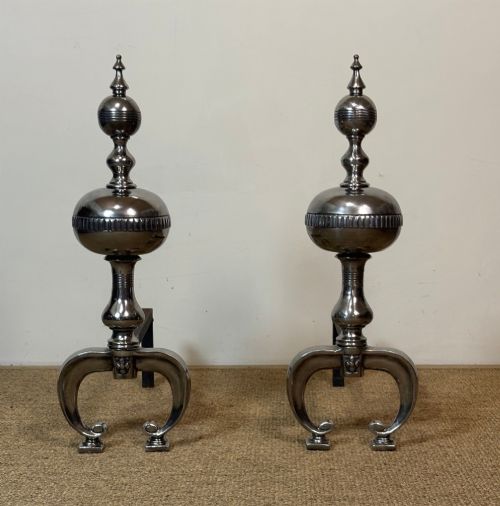
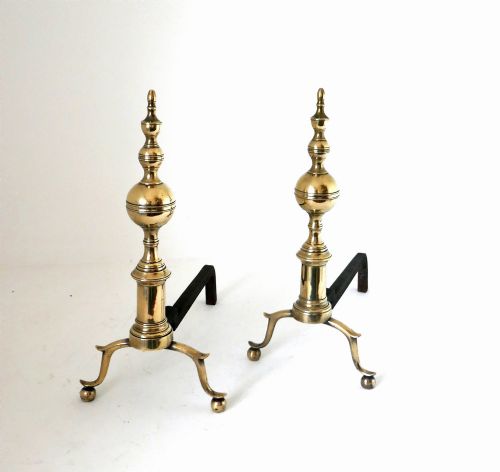
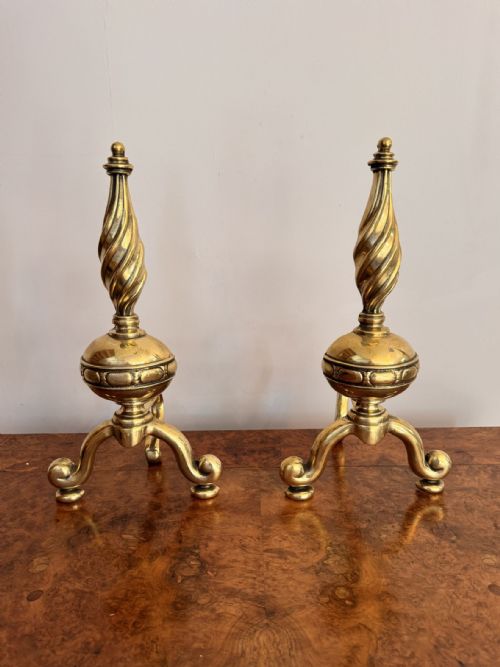
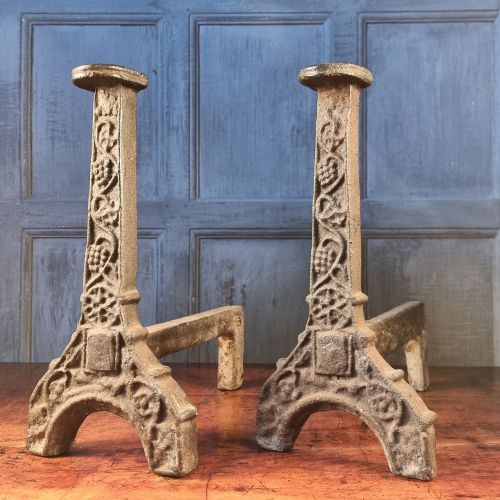
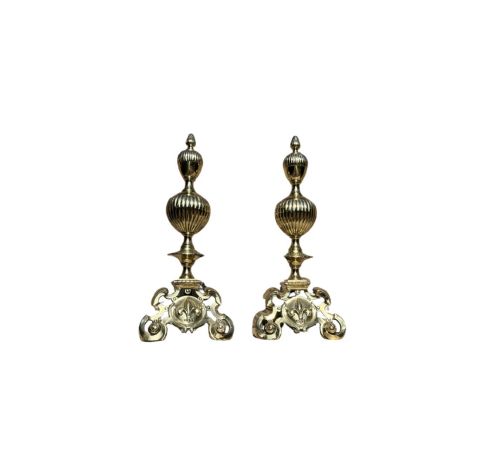
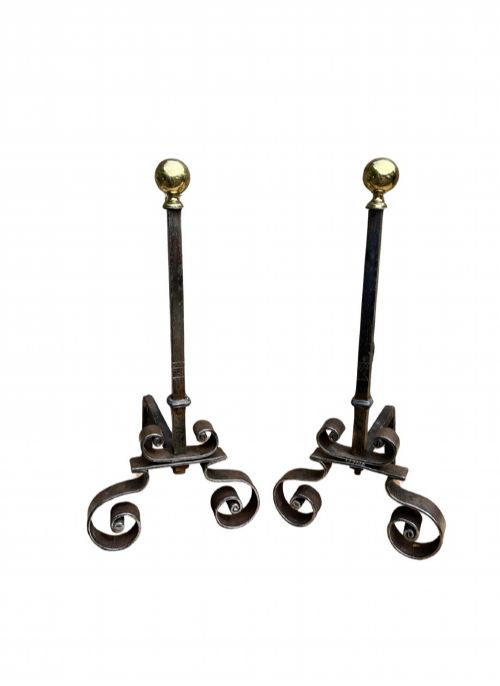
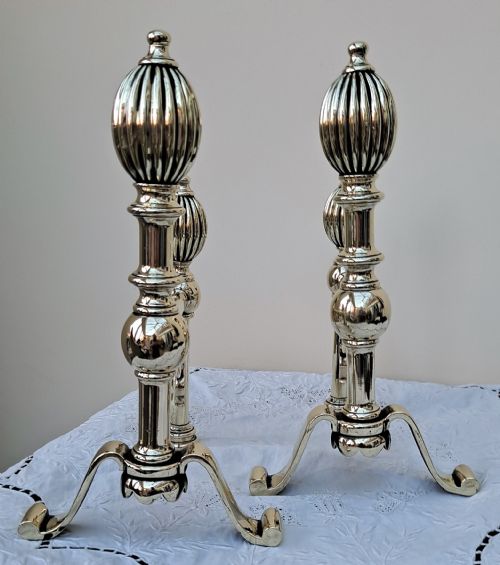
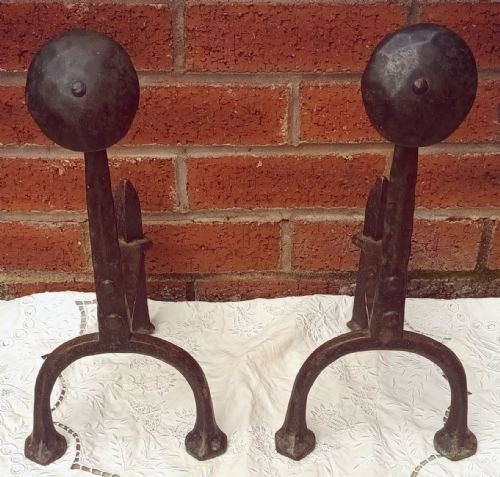
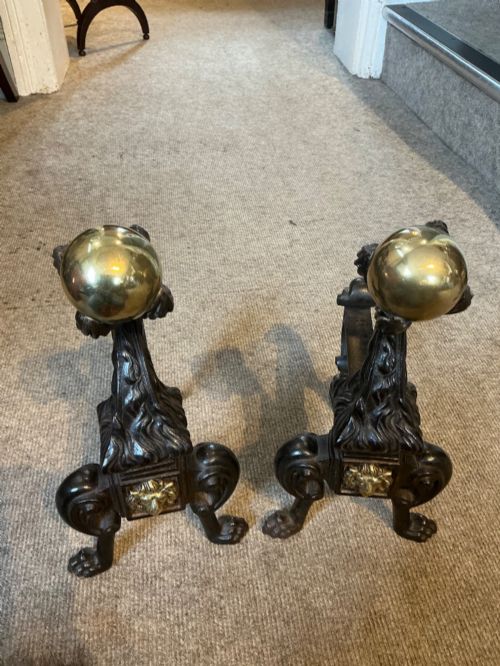
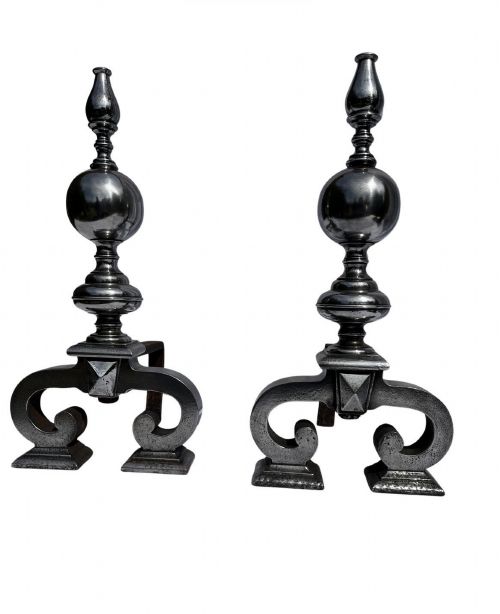
The options span centuries of design, with heavy Victorian brass pairs and stark 16th-century Gothic iron examples appearing alongside Arts and Crafts wrought-iron pieces. Victorian brass sets and 19th-century cast iron versions dominate the selection on this page.
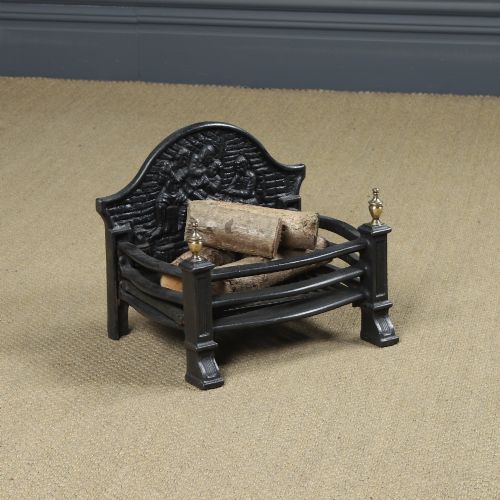
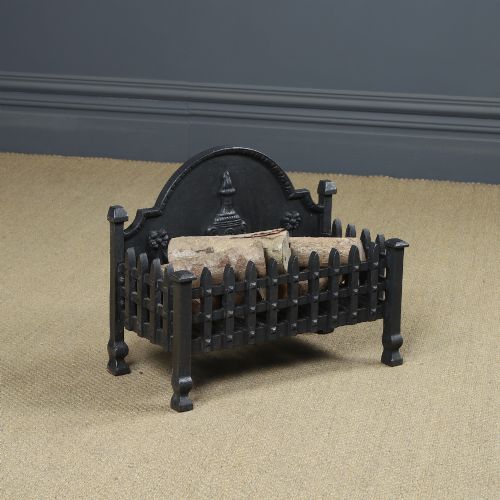
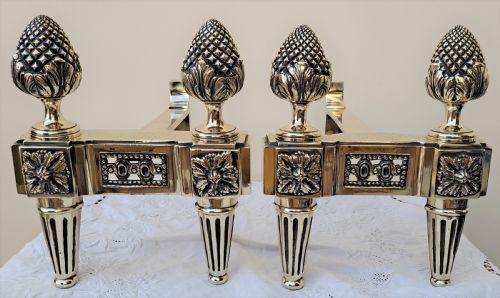
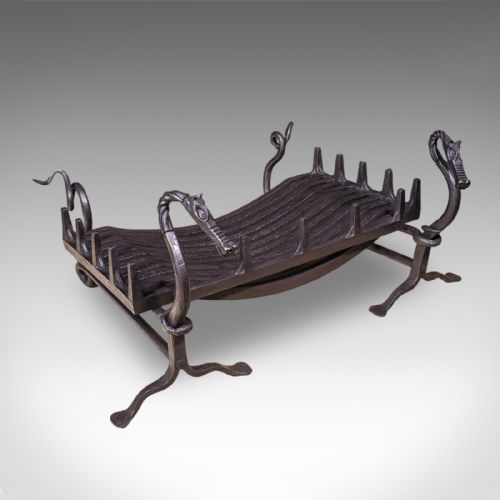
Many pairs arrive alongside matching fire baskets, grates, or tool rests, creating a complete hearth arrangement. Their forms range from simple utilitarian bars to ornate sculptural designs featuring dragons, neoclassical motifs, and French provincial styling.
How They Were Made
Blacksmiths and founders shaped traditional log dogs using cast iron, wrought iron, steel, and solid or gilt brass, sometimes combining copper and iron in a single pair. Wrought iron and steel pieces relied on hand-forged techniques, while heavier cast components took shape in foundry moulds.
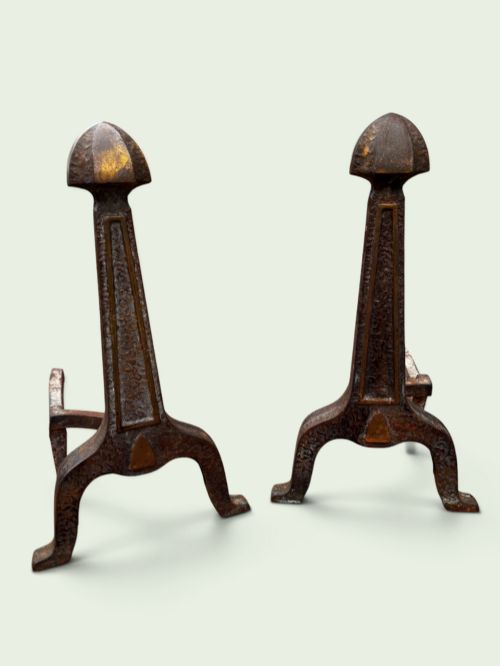
Decoration on brass examples involved detailed casting and polishing, whereas iron pieces often showed the direct hammer marks of the hand-forged manufacturing process. Makers integrated practical log-retention bars with decorative fronts designed to withstand intense open-hearth heat.
Look closely among the ironwork to spot cast dragons keeping watch over the hearth.
What Varies in Quality
Weight and structural substance separate robust hearth supports from lighter decorative alternatives, as solid cast metals and heavy forged iron endure high temperatures without warping. The crispness of the casting detail on brass fronts or the precision of the hand-forged joints reveals the maker's skill.
Design complexity also defines the tier of a piece, moving from plain utilitarian fire dogs to ornate pairs with sculptural motifs, brass mounts, or integrated fire baskets. Complete, matching sets with uniform wear show higher integrity than assembled pairs.
The Traditional Log Dogs Glossary
- Andiron
- A metal support used in pairs to hold logs in an open fireplace. They typically feature a horizontal billet bar and an upright decorative front.
- Fire Basket
- A metal grate holding burning fuel inside a fireplace, often used in conjunction with andirons. These units raise the fire off the hearth floor.
- Wrought Iron
- Iron that is beaten, hammered, or rolled while hot to shape it into functional items. This material possesses a fibrous texture visible in hand-forged pieces.
- Cast Iron
- Iron poured in a molten state into a mould to create solid objects. It provides heavy structural support for hearth accessories.
- Billet Bar
- The horizontal iron or steel leg extending backward from an andiron front to support the weight of the logs.
Traditional Log Dogs: Frequently Asked Questions
What are traditional log dogs used for?
Traditional log dogs sit inside an open hearth to keep firewood elevated off the floor. This elevation allows air to circulate underneath the logs for better combustion.
Beyond supporting burning wood, they prevent logs from rolling forward out of the fireplace. Pairs often anchor a broader arrangement that includes grates and fire irons.
How do I date a pair of andirons?
Dating relies on stylistic clues and manufacturing methods visible in the metalwork. Gothic and Renaissance revivals point to 19th-century interpretations of earlier centuries, while hand-forging techniques indicate earlier or Arts and Crafts origins.
Materials also provide context, as polished brass and ornate neoclassical castings often align with the Victorian era. Examining construction marks helps distinguish hand-forged items from later mass-produced foundry work.
Can I use antique log dogs in a working fireplace?
Most traditional log dogs are constructed from durable heavy iron, steel, or brass built to withstand open flames. Solid metal pairs function effectively in active hearths provided they are structurally sound.
Lighter decorative pairs require more careful assessment before burning wood against them. Checking the weight and metal thickness ensures the pieces handle high heat safely.
What is the difference between fire dogs and andirons?
Fire dogs and andirons are two terms for the exact same hearth furniture. Regional preferences and historical periods dictated which term makers and owners used.
Both words describe a metal support with an upright front and a rear-extending bar. Listings use the terms interchangeably based on description conventions.