



Iron Gothic Firedogs
Iron gothic firedogs are substantial hearth furnishings shaped by medieval motifs, offering functional warmth and striking architectural presence to a period fireplace.
Iron Gothic Firedogs
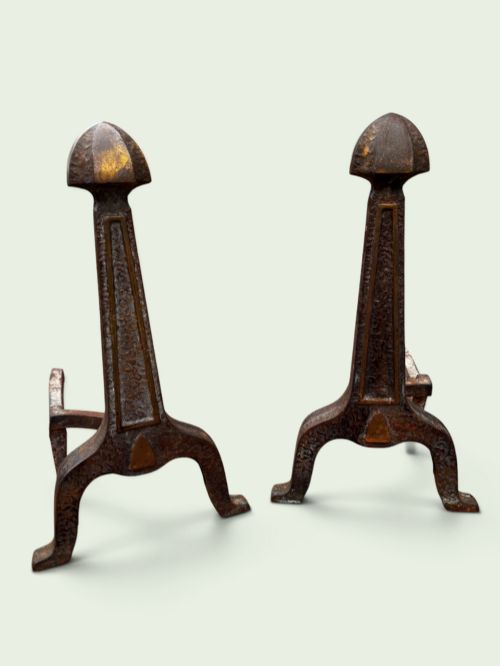
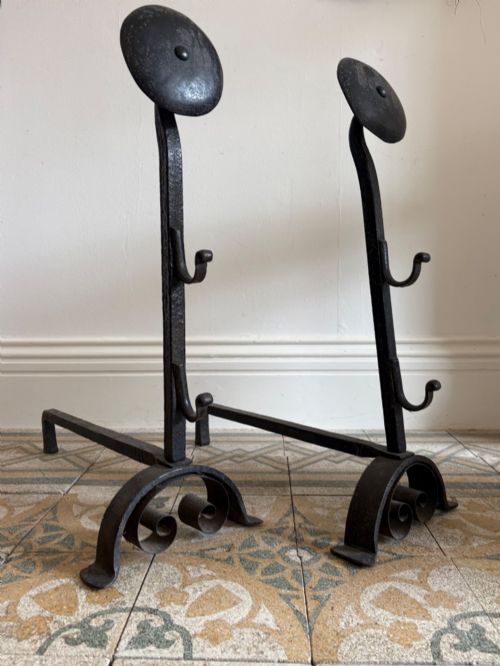
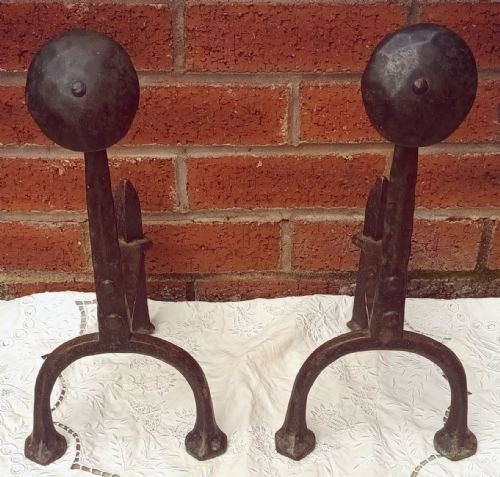
When you search for iron gothic firedogs, you encounter sturdy hearth furnishings designed to support logs within an open fireplace. The selection spans robust forms originating from the nineteenth century, including Victorian Gothic Revival and Arts and Crafts interpretations.
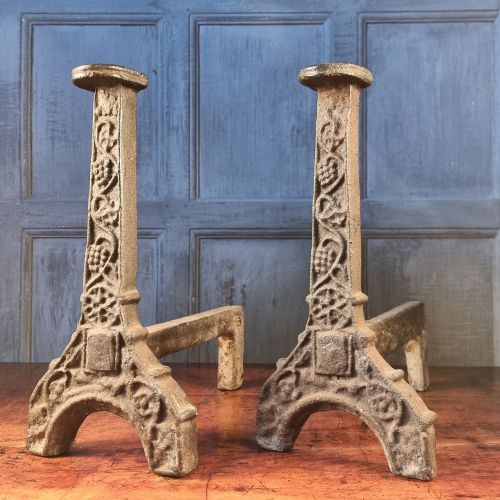
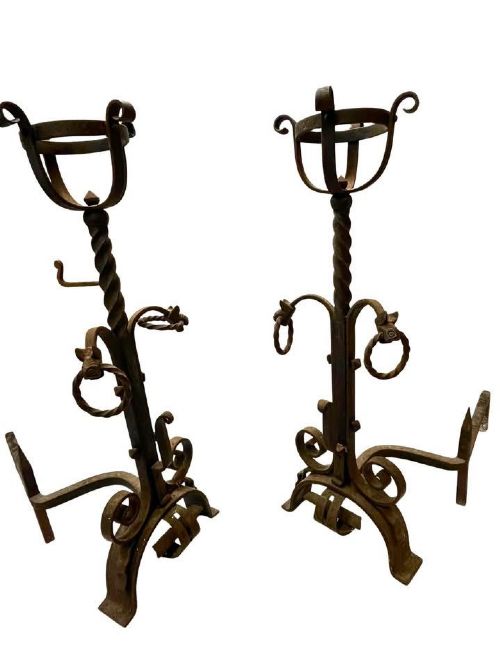
You are most likely to meet nineteenth-century pairs fashioned from wrought or cast iron, frequently displaying architectural arches, trefoils, and sturdy vertical standards. These pieces bridge utilitarian function and decorative revivalism, suiting period hearths with authentic weight.
The architectural vocabulary draws directly from medieval stone tracery, translating structural building elements into domestic ironwork. Alongside standard pairs of andirons, you also find complete fireplace sets incorporating matching grates and tool rests.
Materials and construction
The construction relies primarily upon heavy wrought iron and cast iron, shaped by blacksmiths and foundries to achieve rigid durability. Forged iron components are manipulated while hot to create scrolls and structural brackets, while cast elements offer repeating decorative motifs.
Secondary metals such as brass and copper appear in specific decorative details, providing tonal contrast against the dark iron surfaces. Steel components also reinforce load-bearing sections, particularly on heavy inglenook grates and larger fire baskets.
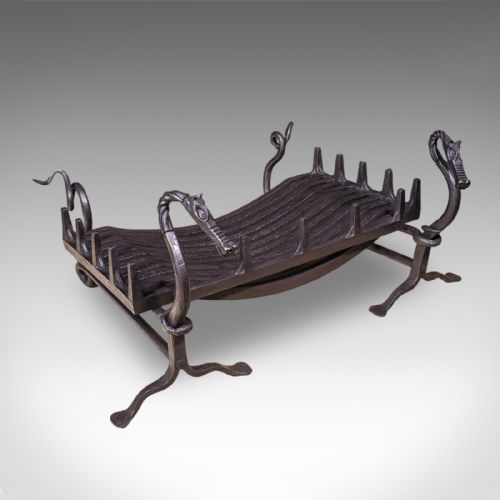
Some nineteenth-century hearth accessories sneak mythical creature motifs into domestic warmth, guarding your kindling with cast iron dragon faces.
Assessing quality
Quality rests upon the crispness of the ironwork and the integrity of the joinery, distinguishing hand-forged subtlety from mass-produced uniformity. A superior pair displays clean proportions and purposeful weight without crude welding or misshapen standards.
The distinction also lies in the handling of decorative motifs, where sharp detailing in gothic tracery or dragon elements reveals superior craftsmanship. Surface finish and metal preservation further separate ordinary utility items from finer decorative examples.
The Iron Gothic Firedogs Glossary
- Firedogs
- Heavy metal supports used in an open fireplace to hold logs above the hearth, allowing air to circulate underneath. They frequently feature decorative vertical fronts.
- Wrought iron
- Iron that has been heated and hammered into shape by hand, resulting in a fibrous structure and distinct surface texture. It is prized for its strength and malleability.
- Cast iron
- Iron poured into a mould while molten to create solid forms with detailed patterns. It provides rigidity and complex ornamentation.
- Gothic Revival
- An architectural and design movement reviving medieval gothic forms, including pointed arches and quatrefoils. It heavily influenced nineteenth-century domestic metalwork.
- Inglenook
- A large, recessed fireplace space designed to accommodate seating alongside the fire. Grates placed within these settings require exceptionally heavy iron construction.
Iron Gothic Firedogs: Frequently Asked Questions
What are iron gothic firedogs used for?
These pieces function as structural supports that elevate firewood off the hearth floor, improving combustion and draft.
Beyond utility, their architectural standards project medieval revival aesthetics into the living space, serving as permanent focal points for the fireplace.
How do I date an iron firedog?
Dating relies on examining manufacturing techniques, material composition, and stylistic execution relative to known revival periods.
Hand-forging marks point towards nineteenth-century arts and crafts revivals, whereas specific casting methods help differentiate Victorian interpretations from older work.
Are these suitable for modern fireplaces?
Many pairs fit standard hearth dimensions, provided the depth and weight match the scale of the chimney opening.
Verifying the height and span of the standards ensures they accommodate your specific fuel basket or log arrangement safely.
How do I clean antique ironwork?
Maintenance involves removing light soot and dust with a soft brush, avoiding harsh chemical abrasive cleaners.
Applying a light coat of specialist microcrystalline wax helps protect the raw iron surface from moisture and corrosion.