


Traditional Landscape Canvas Art
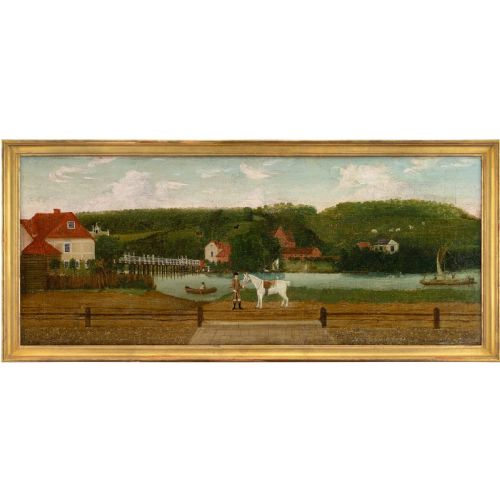
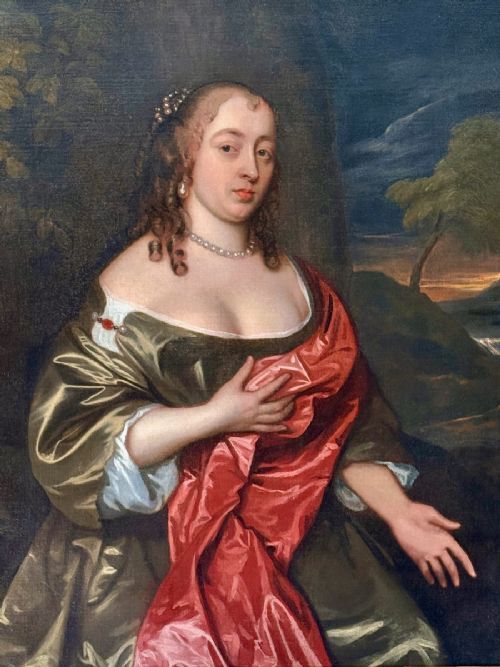
Traditional landscape canvas art brings the quiet depth of centuries past into a room through oil paint on stretched woven fabric.

Traditional Landscape Canvas Art
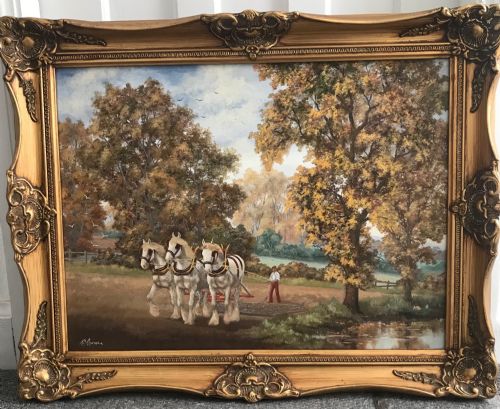
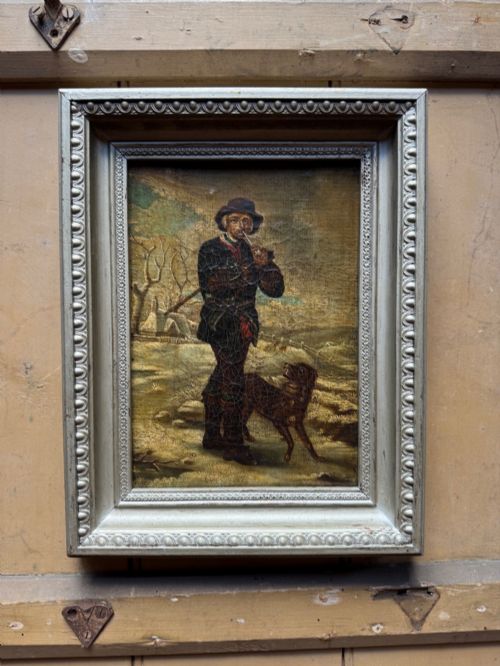
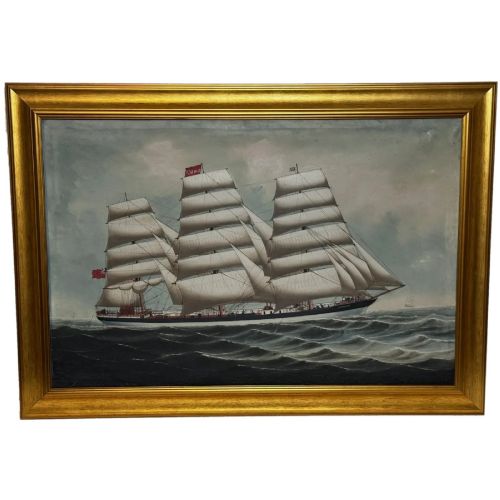
Traditional landscape canvas art comprises oil paintings executed on woven canvas supports, capturing rural vistas, pastoral scenes, and coastal views from the eighteenth century through the mid-twentieth century. Buyers seek these works to bring historical atmosphere and painterly observation into domestic interiors.
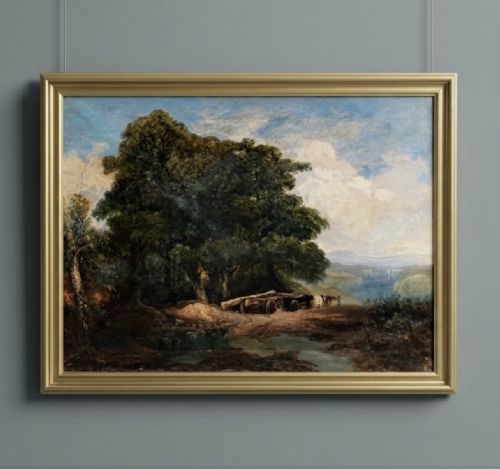
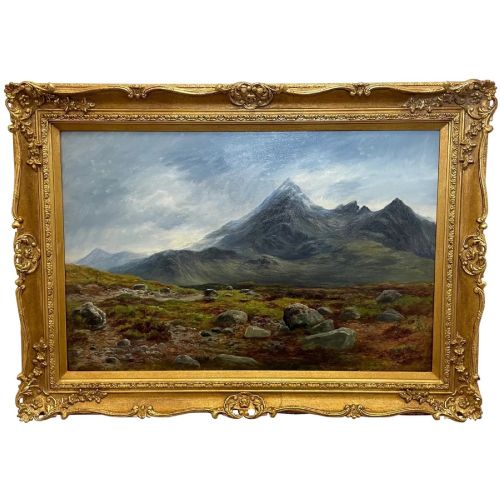
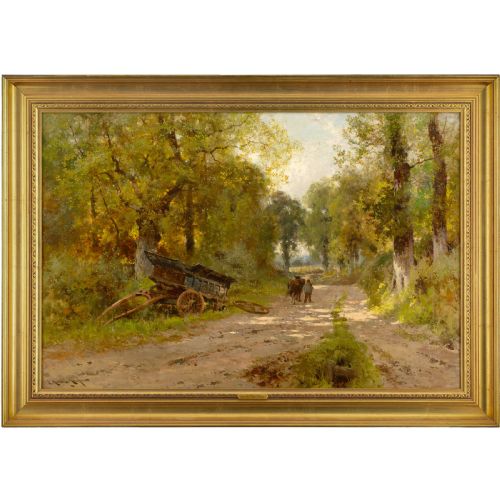
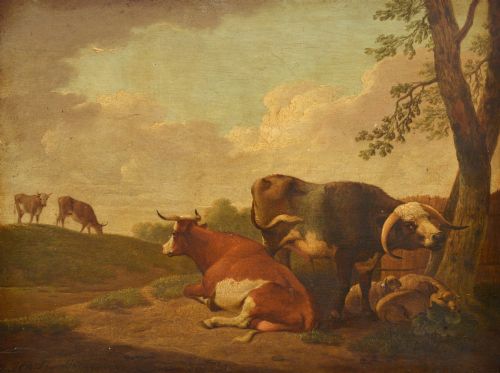
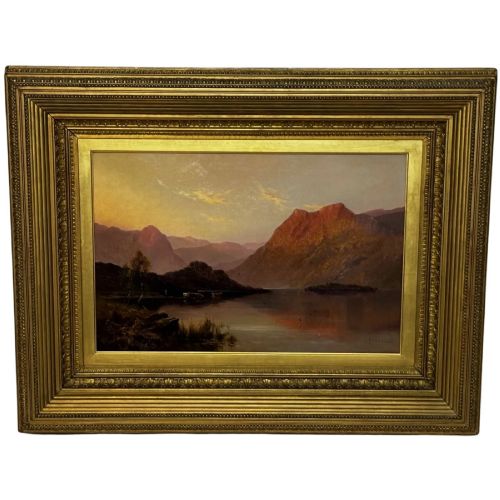
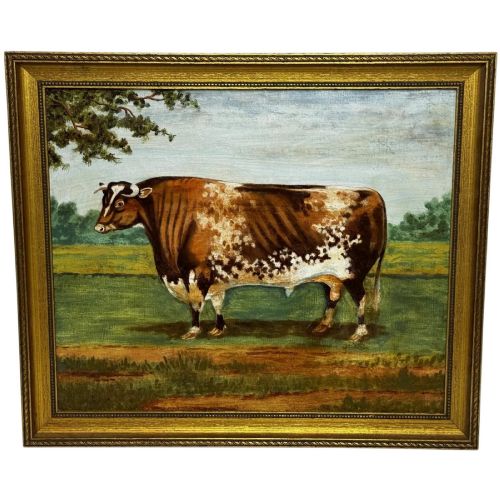
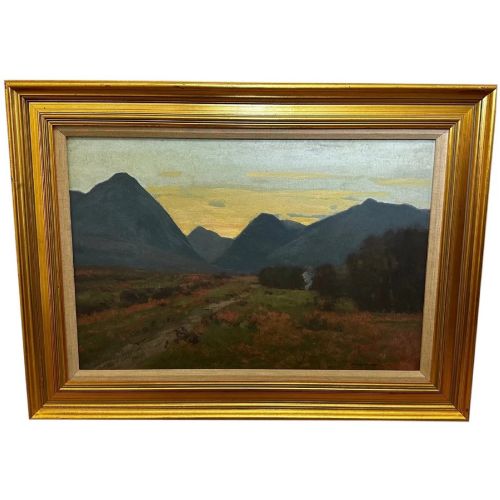
The selections available here span British, Dutch, and French schools, with nineteenth-century Victorian pieces forming the core of the group. Common subjects range from Scottish highlands and woodland paths to riverbanks populated by cattle, sheep, and figures.
Framing often includes period wood and giltwood mouldings that complement the depth of the oil pigments. Works vary from intimate cabinet paintings to large gallery canvases designed to anchor a principal room.
Materials and construction methods
Painters used oil paint applied to stretched canvas, building compositions through layered pigments that allowed for subtle blending and rich tonal gradations. The vehicle of oil permitted artists to work slowly, refining atmospheric effects in skies, water, and foliage over weeks or months.
Supports consisted of woven canvas fastened to wooden stretcher frames, frequently housed within ornate carved wood and gesso frames finished in giltwood. These frames provided structural tension while enhancing the visual weight of the artwork.
Listings span periods from the 18th century through the mid-20th century, utilising oil on canvas, wood, gesso, and giltwood.
Distinctions in quality and execution
Quality rests upon the sureness of the brushwork and the artist's command of light, atmosphere, and perspective within the natural world. Finer works display confident handling of shadow and distance, whereas lesser pieces rely on formulaic repetition and flat colour application.
The integrity of the canvas support and the preservation of the original oil paint layer dictate the longevity and visual impact of the piece. Conservation history, stability of the stretcher, and the presence of the original period frame further influence the standing of an individual painting.
Richard Sebastian Bond·William Beattie-Brown·William H Myers·George Graham·Hendrik Willem Schweickhardt·Alfred Fontville de Breanski Jr·George Houston·Thomas Barker of Bath·Thomas W Lascelles·David Bates·Thomas Smythe·Robert John Hammond·Walter Heath Williams·Thomas Creswick·Thomas Sidney Cooper·Henry H Parker·Robert Watson·Albert Rieger·William Watson Jnr
The Traditional Landscape Canvas Art Glossary
- Canvas
- A heavy woven fabric, usually linen or cotton, stretched tightly across a wooden frame to serve as the foundation for oil paintings.
- Giltwood
- Wood carved and coated with gold leaf or a metallic gilt finish, commonly used for traditional picture frames.
- Gesso
- A plaster-like preparation applied to wood or canvas to create a smooth, absorbent surface for painting or gilding.
- Dutch School
- A collective term for seventeenth- and eighteenth-century artists from the Netherlands known for meticulous observation of light and landscape.
- Impressionism
- A style involving relatively small, thin yet visible brush strokes and open composition, emphasising accurate depiction of light.
Traditional Landscape Canvas Art: Frequently Asked Questions
How do I date an old oil painting?
Dating relies upon stylistic evidence, the stretcher construction, canvas type, and biographical details of the artist where signed. Frame styles and handwritten inscriptions on the reverse also offer reliable chronological clues.
Examinations under ultraviolet light can reveal later canvas stamps or lining fabrics that help narrow down the period of production.
Where should I hang a large landscape canvas?
These works require wall space away from direct sunlight and heat sources to protect the oil pigments and wooden stretcher frames. Placing them at eye level in principal rooms allows the composition and brushwork to be appreciated fully.
Ensure the wall can support the weight of heavy giltwood frames before hanging.
What is the difference between British and Dutch school landscapes?
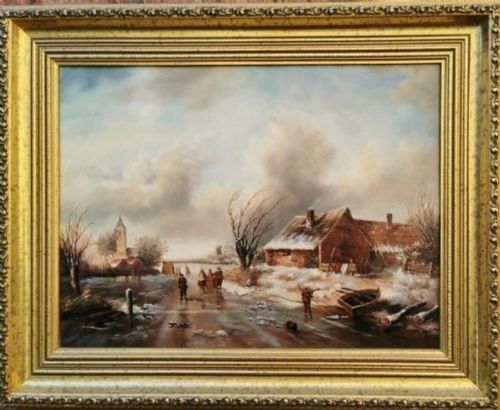
British nineteenth-century landscapes often focus on pastoral narrative, livestock, and changing atmospheric weather across identifiable local terrain. Dutch school works frequently emphasise low horizons, expansive skies, and meticulous rendering of winter light or water.
Pictorial conventions and palette choices usually reflect the regional traditions in which the painter trained.