



French Country Landscape Art
French country landscape art captures rural life through oil on canvas, wood, and tapestry from the nineteenth and twentieth centuries.
French Country Landscape Art
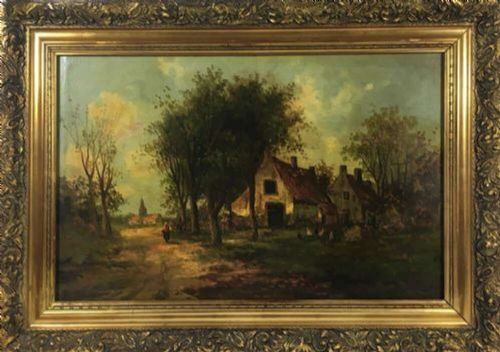
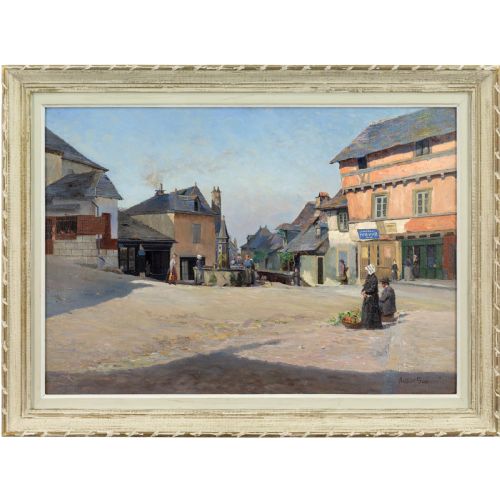
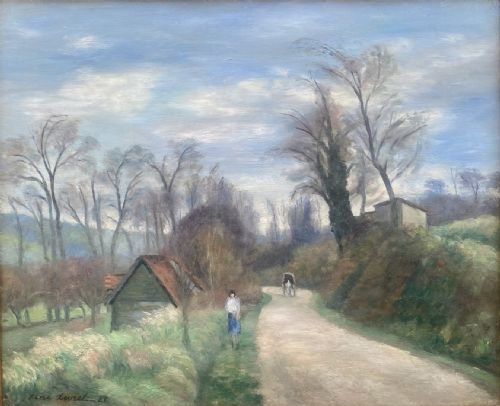
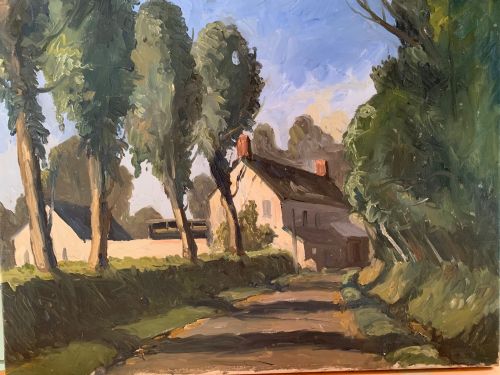
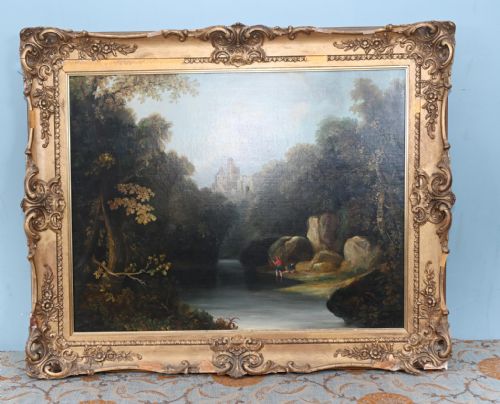
Buyers seeking french country landscape art encounter oil paintings, watercolours, tapestries, and engravings created across the nineteenth and twentieth centuries. These pieces depict rural scenes, river views, farmyards, chateaus, and pastoral paths reflecting French regional life.
The selections span distinct movements including the Barbizon School, Impressionism, Post-Impressionism, and Cubist abstraction. Works frequently originate from provincial settings such as Provence, Normandy, and Brittany, alongside urban studios depicting rural retreats.
Canvases range from intimate studies to large decorative works framed in wood, gesso, and giltwood. Many bear signatures from established French painters while others remain anonymous records of rural scenery.
Materials and methods
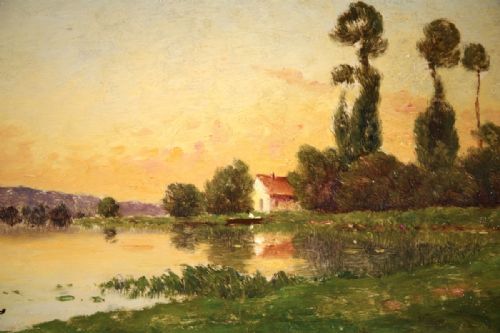
Makers utilised oil paint applied to canvas, board, paper, and wood panels to build textured surfaces. Artists working in plein air captured natural light outdoors, while others employed watercolour washes on paper.
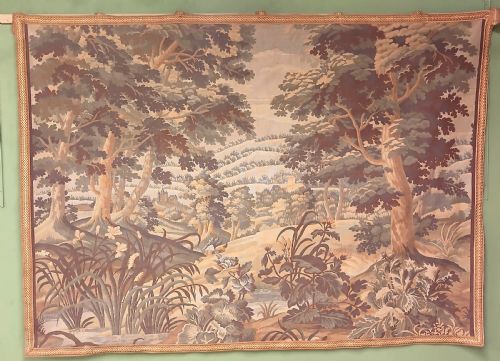
Tapestries such as Aubusson examples required skilled weaving techniques using dyed threads to render detailed pastoral and hunting scenes. Frames were constructed from wood and finished with gesso and giltwood details.
French Country Landscape Art Retail Price Guide 2026
Typical asking prices for french country landscape art among the pieces listed under this phrase on Sellingantiques today, from the lower quarter to the upper quarter. They describe what is for sale here now, not the wider market.
Several canvases capture laundresses working industriously by haystacks, proving that even French peasants faced mountains of washing.
Distinctions in quality
Brushwork confidence and light handling separate accomplished compositions from ordinary decorative works. Master painters demonstrated precise tonal control and atmospheric depth, whereas lesser examples rely on formulaic repetition.
Original canvas integrity, stable paint layers, and period frames in sound condition preserve the structural value of each piece. Later conservation interventions or relining affect the original state of the work.
Arthur Gué·Rene Levrel·Paul Désiré Trouillebert·Henri Jaques Delpy·Jean-baptiste Joseph Pater·Henri Joseph Harpinies·Alphonse Robert·Pierre Emmanuel Eugene Damoye·Guillaume Urban Régamey·C de Falens·ROBERT MCGREGOR·ANTOINE BOUVARD·Charles Edmond Rene His
The French Country Landscape Art Glossary
- Barbizon School
- A nineteenth-century French art movement focused on realistic landscape painting inspired by the forest of Fontainebleau and rural surroundings. Artists in this circle rejected academic convention in favour of direct observation from nature.
- Plein air
- Painting executed outdoors directly in front of the subject to capture changing natural light and atmosphere. This method became central to Impressionist and Post-Impressionist practice.
- Giltwood
- Wood coated with a thin layer of gold leaf or gilt powder applied over gesso. It provides decorative framing for paintings and mirrors.
- Aubusson tapestry
- Hand-woven wall hangings produced in the French town of Aubusson, known for pastoral and floral designs. These textiles served both decorative and insulating purposes in grand interiors.
- Post-Impressionism
- An art movement extending roughly from the late nineteenth century where painters pushed beyond Impressionist limits through expressive brushwork and symbolic colour. It encompasses diverse individual styles rather than a single uniform technique.
French Country Landscape Art: Frequently Asked Questions
What subjects appear in these artworks?
Paintings and tapestries depict rural life including farmhouses, river banks, haystacks, forest paths, and agricultural workers. Scenes often capture specific regions like Provence, Normandy, and Brittany during different seasons.
Compositions range from quiet pastoral vistas to active hunting parties, village squares, and coastal landscapes. These subjects reflect both realistic documentation and romanticised views of the French countryside.
How do I date a French landscape painting?
Dating relies on stylistic clues, artist signatures, canvas stamps, and framing materials. Barbizon and Impressionist works typically date from the nineteenth century, while post-impressionist and modernist pieces point to the early decades of the twentieth century.
Examine the stretcher bars, nails, and canvas preparation for period manufacturing methods. Documentation or signatures matching recorded biographical dates of the artist narrow the timeframe further.
Where were these pieces originally displayed?
Nineteenth and twentieth-century landscapes hung in urban apartments, country chateaus, and salons as decorative statements. Wealthy urban residents purchased pastoral scenes to bring rural tranquility into city homes.
Tapestries adorned larger wall spaces in public rooms to provide warmth and visual richness. Smaller oil sketches often served as preliminary studies for larger exhibition canvases.
How should I care for antique oil paintings?
Keep paintings away from direct sunlight, high humidity, and rapid temperature fluctuations to prevent canvas warping and paint cracking. Dust surfaces gently with a soft, dry brush without applying pressure or cleaning agents.
Consult a professional conservator for cleaning or varnish removal rather than attempting DIY restoration. Proper hanging on stable walls protects both the artwork and its original frame.