

Antique Oil Landscape Art
Antique oil landscape art brings the topography, light and rural life of past centuries directly onto the wall in rich pigment and texture.
Antique Oil Landscape Art
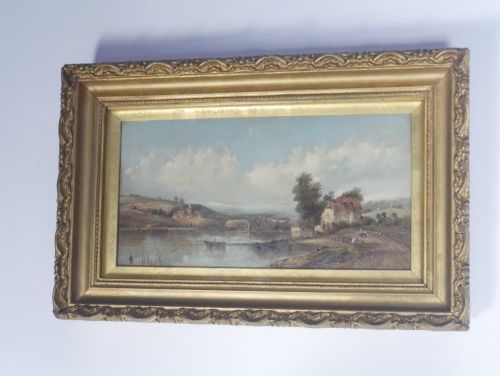
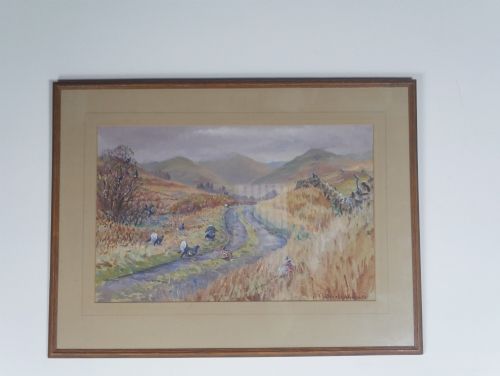
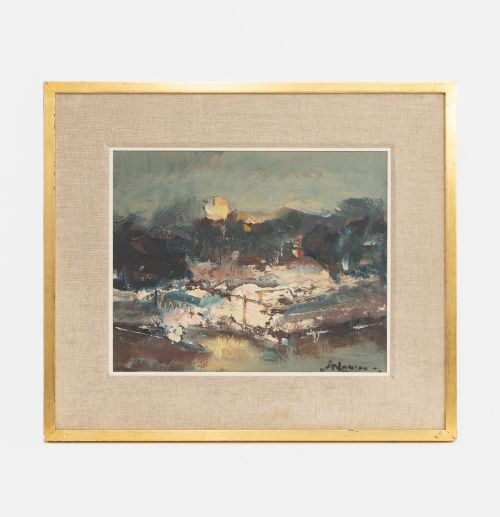
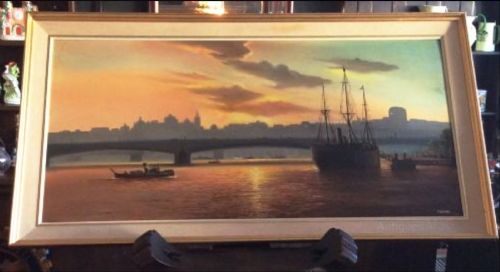
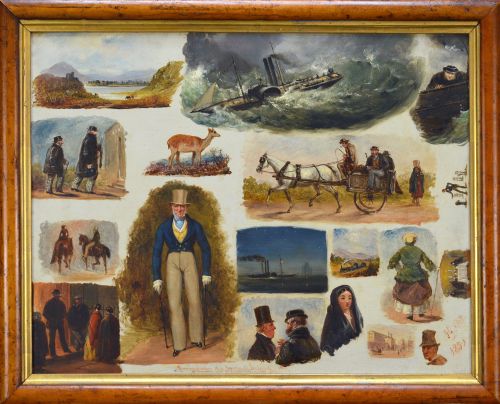
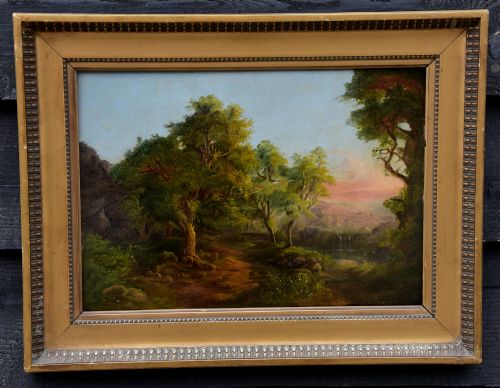
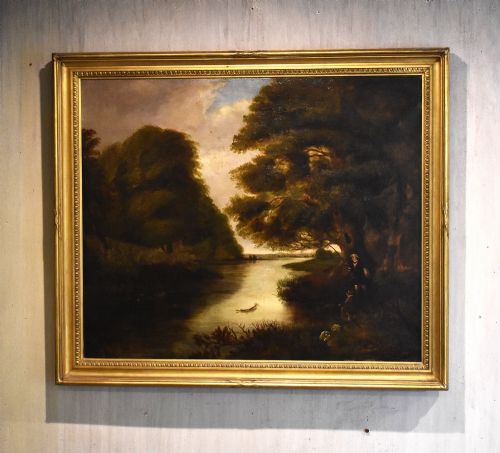
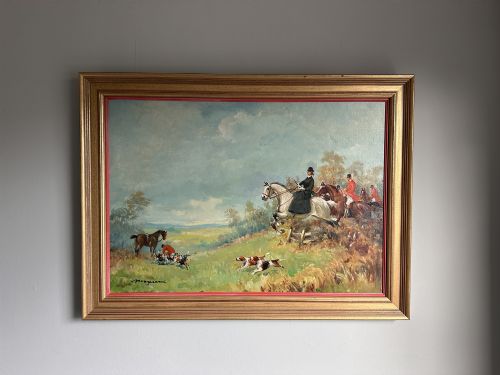
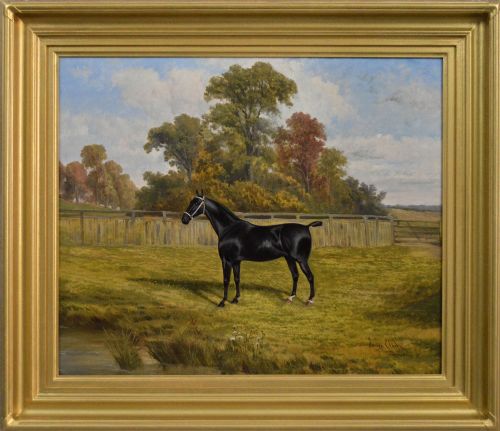
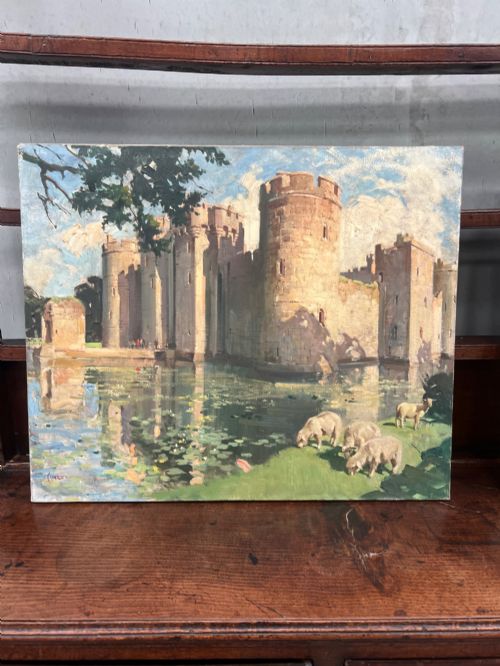
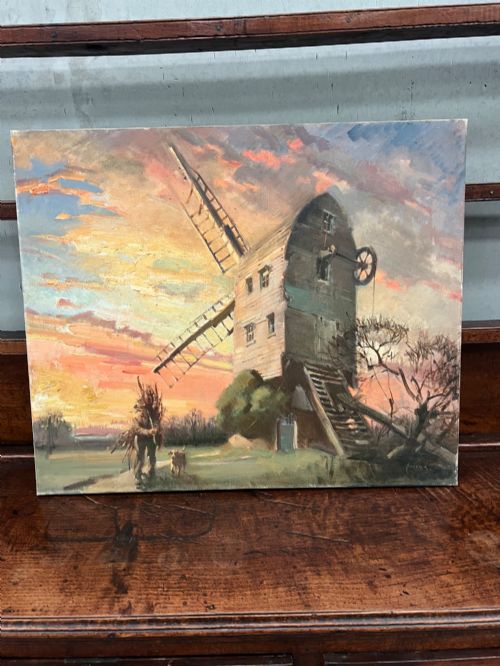
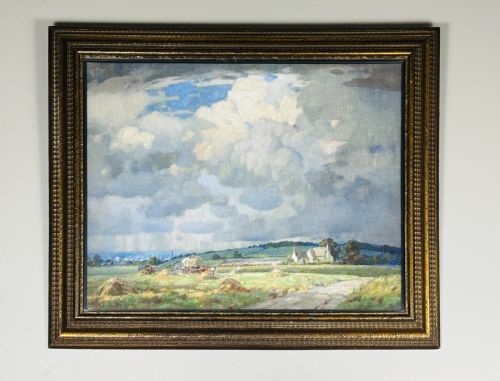
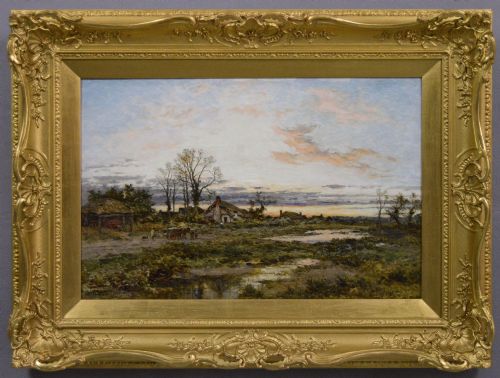
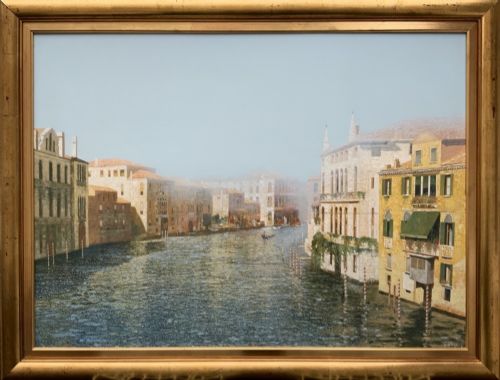
Antique oil landscape art spans pastoral valleys, rugged Scottish highlands, quiet river banks and coastal views painted across the seventeenth, eighteenth, nineteenth and early twentieth centuries. These works record evolving artistic interpretations of the natural world, from romantic and baroque visions to impressionist and realist studies.
Buyers encounter framed canvases, wooden panels and board supports created by British, French, Flemish and Dutch schools. Subjects range from unpopulated woodland scenes to expansive vistas populated by cattle, sheep, figures and historic estates.
How They Were Made
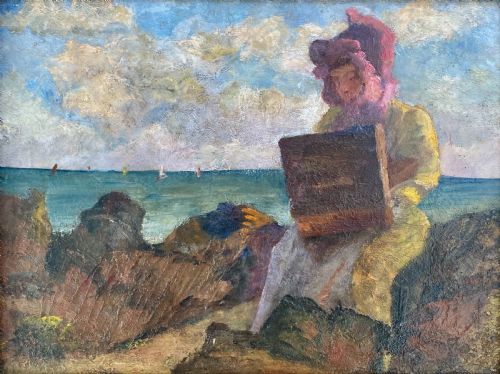
Artists built these compositions using oil paint applied to stretched canvas, prepared wood panels or rigid board. Painters layered rich pigments, sometimes utilising impasto techniques to create raised texture in skies, foliage and rocky terrain.
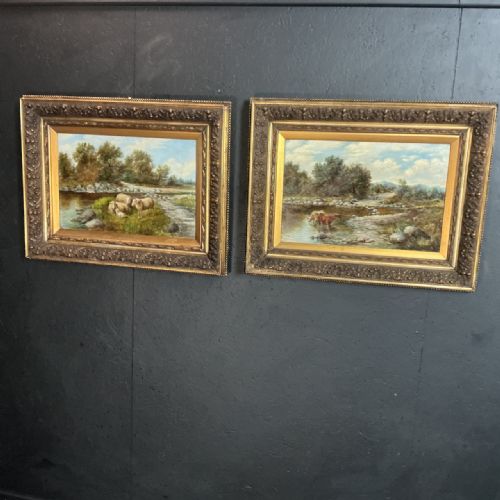
Many surviving works retain their original frames constructed from gilt wood or gesso, often embellished with moulded ornamentation appropriate to the period of creation.
Antique Oil Landscape Art Retail Price Guide 2026
Typical asking prices for oil landscape art among the pieces listed under this phrase on Sellingantiques today, from the lower quarter to the upper quarter. They describe what is for sale here now, not the wider market.
Several landscapes sneak in remarkably opinionated farmyard animals, including prize bulls and stubborn sheep refusing to clear the path.
What Varies In Quality
Quality rests upon the artist's command of light, atmosphere and perspective, where master painters capture convincing depth and natural illumination. Skill in rendering fine details, such as animal anatomy, foliage and architectural elements, elevates a composition above standard decorative workshop output.
The integrity of the original paint layer and the retention of period framing contribute significantly to a piece's standing among collectors. Works bearing clear signatures, traceable provenance or exhibition histories command greater attention.
JOHN HAYLS·Eugène Verboeckhoven·Richard Sebastian Bond·William Beattie-Brown·R Leyton·William H Myers·GEORGE GRAHAM·Tom Campbell·W Klombeck·William Howard Hardy·Frederick Marriott·Arthur Wardle·Angelo Maria Crivelli·Francois Boucher·John Horace Hooper·Reginald Arthur Borstel·William Joseph Shayer Senior·Hendrik Willem Schweickhardt·Alfred Fontville de Breanski Jr·B. Nash·Edward Mills·Kershaw Schofield·George Houston·Herbert Royle·Arthur W Newsholme
The Antique Oil Landscape Art Glossary
- Impasto
- Paint applied thickly to a canvas or panel, leaving visible brush or palette knife marks that stand proud of the surface. This technique adds tactile depth and catches light across highlights in water and foliage.
- Gesso
- A traditional paint mixture consisting of a binder mixed with chalk, gypsum or pigment, used to prepare wood panels or to create moulded relief on picture frames. It forms a smooth, stable ground for subsequent gilding and painting.
- Canvas
- A heavy woven fabric stretched across a wooden stretcher frame to serve as the primary support for oil paintings. It provides a flexible yet durable surface favoured by artists from the seventeenth century onward.
- Panel
- A flat piece of wood used as a rigid painting support instead of canvas. Panel paintings frequently exhibit fine detail and stability when seasoned correctly.
- Barbizon School
- A mid-nineteenth-century French art movement dedicated to naturalistic landscape painting rooted in direct observation of the countryside. Painters associated with this group focused on atmospheric light and ordinary rural scenery.
Antique Oil Landscape Art: Frequently Asked Questions
How do I clean an antique oil landscape?
Surface dust may be removed gently with a soft, dry artist brush without applying pressure to the pigment. Avoid using water, liquid cleaners or household solvents on the painted surface.
Professional conservation is recommended for deeper cleaning or the removal of discoloured varnish. A specialist restorer evaluates the stability of the paint layer before undertaking any chemical treatment.
Are these paintings signed by the artist?
Many pieces carry visible signatures, monograms or contemporary inscriptions on the front canvas or wooden panel. Others bear identifying details, dates or artist notes written on the reverse stretchers or framing.
Unsigned works frequently attribute to specific regional schools or stylistic periods based on technique, palette and subject matter. Documentation or archival exhibition labels sometimes accompany these historical pieces.
How should I hang and light my painting?
Position the artwork away from direct sunlight, heating vents and damp environments to protect the canvas, wood panel and gilt frame from environmental stress. Stable indoor humidity and temperature prevent paint cracking and wood warping.
Utilise low-heat LED picture lights or ambient gallery lighting angled correctly to reduce glare. Ensure the wall fixings match the weight of the heavy wood and gesso frames.
What is the difference between canvas and panel?
Canvas consists of woven fabric stretched over a wooden frame, offering slight give under the brush and a textured support for sweeping landscape strokes. Wood panels provide a rigid, unyielding surface that often preserves minute detail with exceptional clarity.
Panels were widely utilised in earlier centuries and smaller cabinet formats, while larger vistas typically appeared on stretched canvas. Both supports require careful atmospheric monitoring to preserve the oil paint.