






Traditional Japanese Porcelain
Traditional japanese porcelain brings intricate hand-painted palettes of cobalt underglaze and enamel into a room, offering centuries of kiln craftsmanship.

Traditional Japanese Porcelain
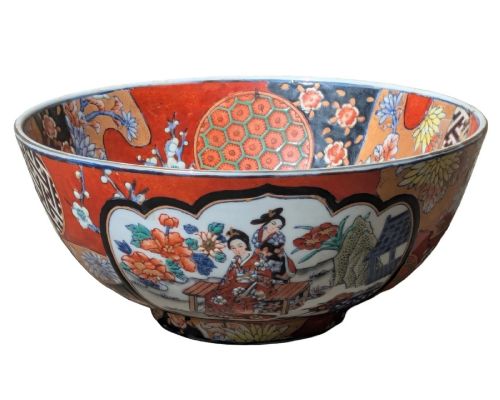
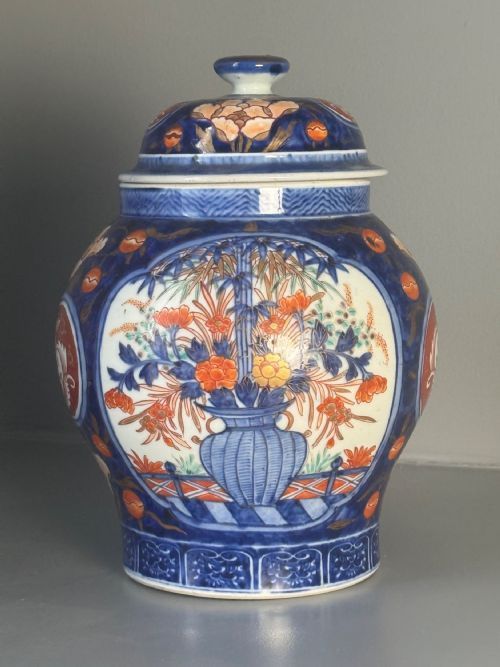
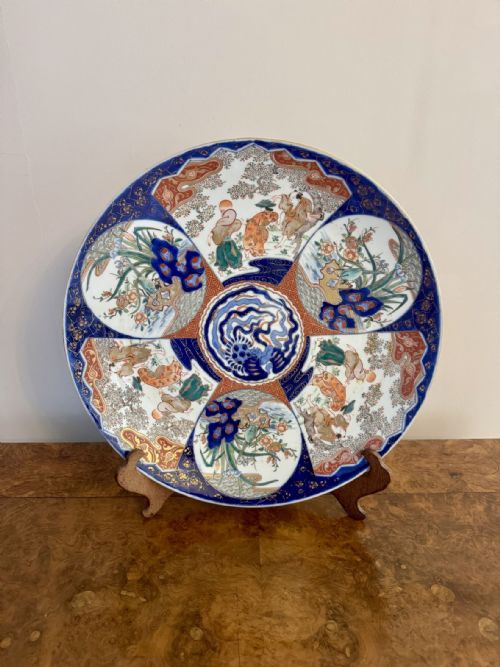
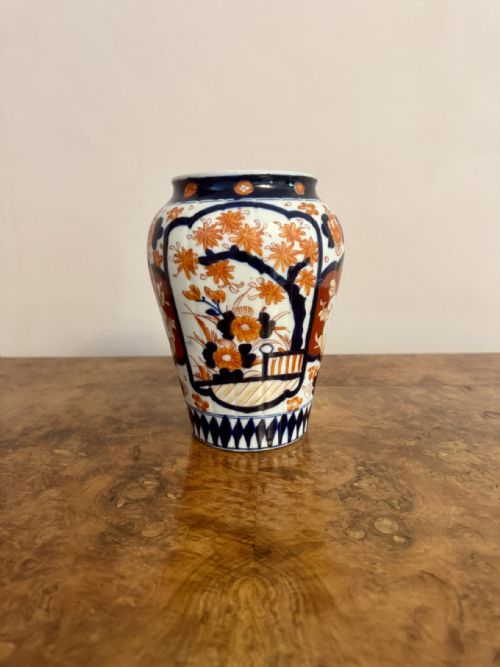
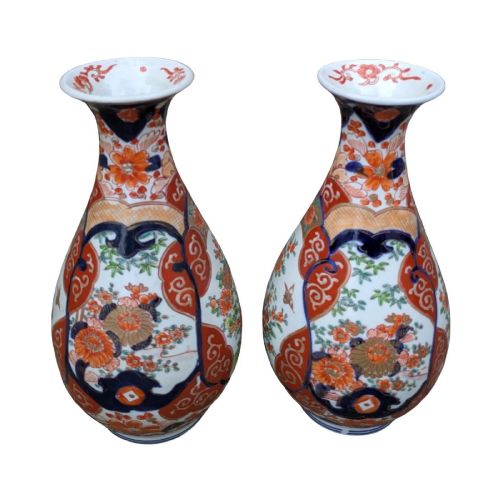
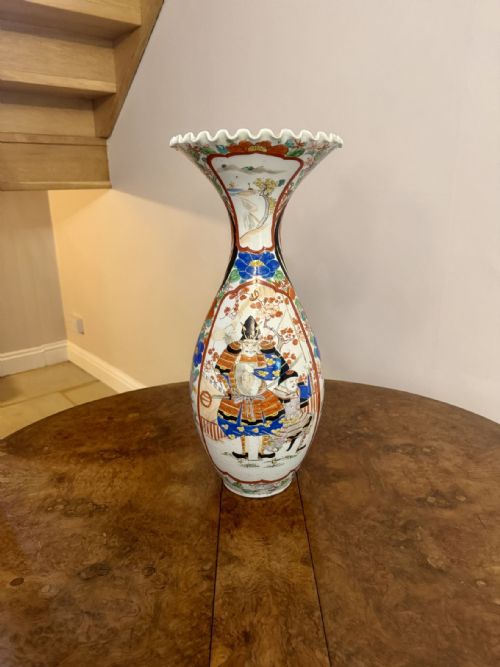
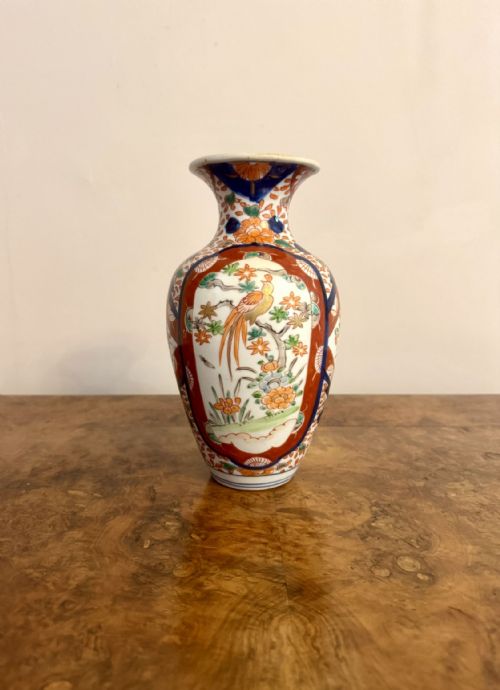
Traditional japanese porcelain spans decorative plates, chargers, vases, and bowls created across the nineteenth and early twentieth centuries. These vessels display distinct regional styles, with Imari and Satsuma output dominating the current selection.
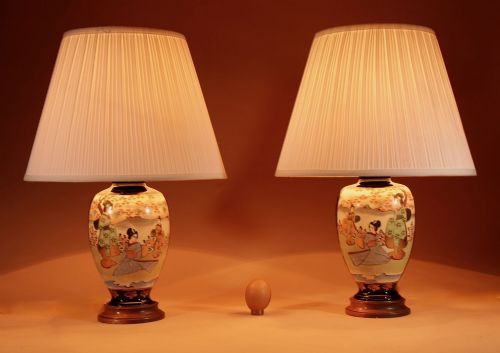
Buyers encounter numerous chargers and plates alongside baluster vases and table lamps from the Meiji and Showa periods. The forms range from square-shaped plates with scalloped edges to large covered jars intended for prominent display.
The aesthetic heritage draws from centuries of kiln traditions, notably items originating from Hizen province and Arita kilns. Each object reflects historical export patterns and domestic decorative arts.
How they were made
Makers shaped refined white clay into vessels before applying cobalt underglaze pigments directly to the biscuit body. Potters then fired these pieces at high temperatures to vitrify the porcelain and fix the blue designs beneath a clear gloss.
Workers added overglaze enamels in iron red, green, and other pigments, often highlighting details with gold leaf and delicate gilding. A secondary, lower-temperature firing fused these surface colours and metallic accents to the glazed body.
Some storage boxes retain traces of nineteenth-century shipping labels, offering a quiet nod to their long journey from Japanese kilns.
What varies in quality
The precision of the brushwork defines the distinction between standard production and exceptional examples. Master painters executed intricate floral and geometric motifs with sharp outlines and careful tonal control across the surface.
The richness of the palette and the restraint in applying gold leaf determine visual depth. Superior items balance dense imari patterns with clear white porcelain space, whereas lesser examples crowd the body with heavy, uniform colour.
The Traditional Japanese Porcelain Glossary
- Imari
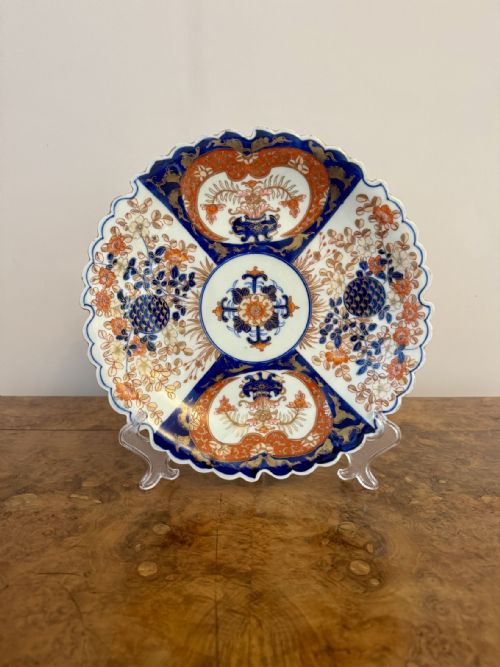
- A style of Japanese porcelain featuring a characteristic palette of cobalt underglaze blue, iron red, and gilt detailing. These wares were traditionally exported through the port of Imari from the Edo period onwards.
- Satsuma
- Earthenware and porcelain items decorated with elaborate polychrome enamels and extensive gilding, often depicting figures or natural scenes. Originating in Satsuma province, these pieces gained immense popularity during the Meiji period.
- Charger
- A large decorative plate intended for display on a wall or dresser rather than for dining use. These wide surfaces provided artisans with an expansive canvas for complex pictorial designs.
- Sometsuke
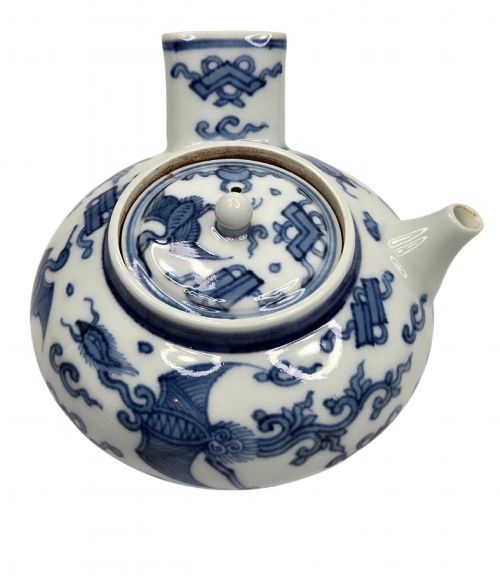
- Porcelain decorated purely in cobalt blue under a transparent glaze. The technique relies on varying shades of blue applied directly to the unglazed clay body.
- Kyusu
- A traditional Japanese side-handled teapot designed for brewing loose leaf green tea. The ergonomic handle projects at a right angle to the spout.
Traditional Japanese Porcelain: Frequently Asked Questions
How do I display traditional japanese porcelain chargers safely?
Large chargers require secure wall mountings or stable plate stands designed to support substantial weight without slipping. Place them away from high-traffic areas where accidental contact might dislodge them from their display position.
Keep the pieces out of direct sunlight to protect the stability of the overglaze enamels and gold leaf over time. Ambient indoor lighting works best for revealing the fine details of the cobalt underglaze.
What is the difference between imari and satsuma wares?
Imari porcelain utilises a distinct tripartite palette of underglaze blue, iron red, and gilt accents on a hard white body. The patterns typically combine floral panels with brocade motifs.
Satsuma items often feature a finely crackled ivory glaze decorated with densely painted figural scenes and raised gold enamels. They present a softer, more opulent appearance compared to the crisp contrast of imari.
Can these porcelain plates be used for serving food?
Antique decorative plates and chargers are generally intended for display and collection rather than daily culinary use. The historical glazes and overglaze enamel pigments may contain materials unsuited for modern food contact.
Hand-washing is necessary for any antique porcelain piece to prevent chemical degradation of the surface decoration. Harsh detergents and automatic dishwashers will damage the delicate gold leaf and enamel layers.
How can I tell the meiji period pieces apart from later ones?
Meiji period items, produced between eighteen sixty-eight and nineteen twelve, frequently exhibit exceptional painting density and precise brushwork driven by international export demands. The potting tends to be robust, reflecting the peak of industrial craft organisation.
Later pieces from the Taisho and Showa eras sometimes adopt simplified decorative schemes or lighter bodies. Comparing the weight, glaze depth, and pigment saturation helps distinguish nineteenth-century examples from twentieth-century revivals.