
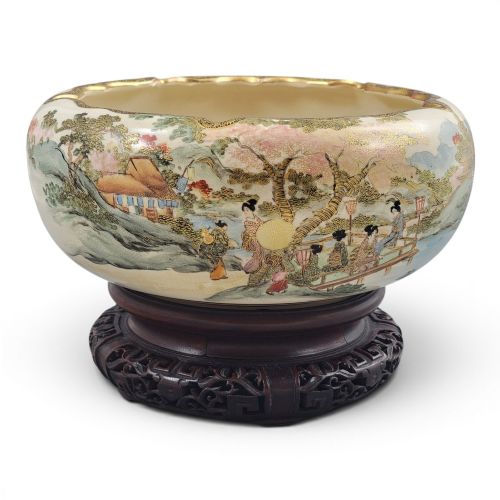


Decorative Asian Ceramic Bowl
A decorative asian ceramic bowl brings colour and texture to a room, ranging from blue and white Chinese pieces to vibrant Japanese Imari and Satsuma wares.
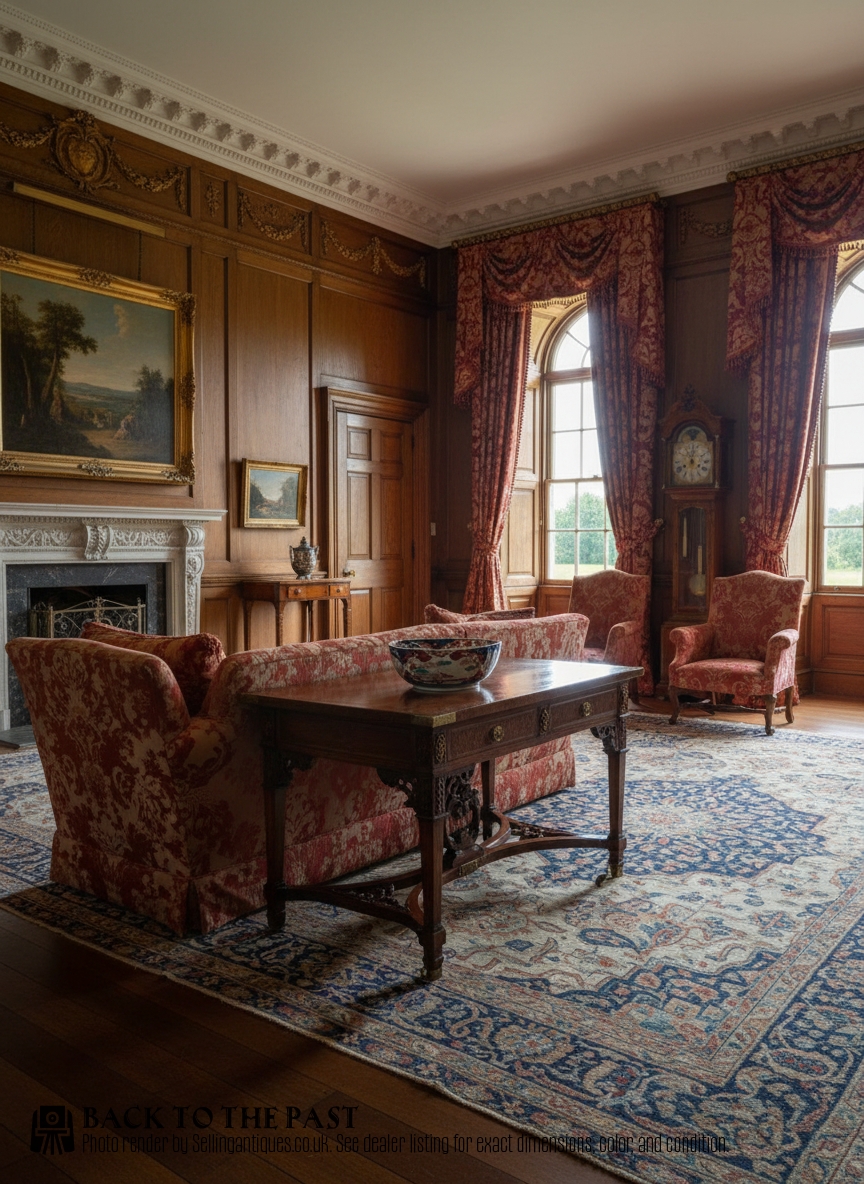
Decorative Asian Ceramic Bowl
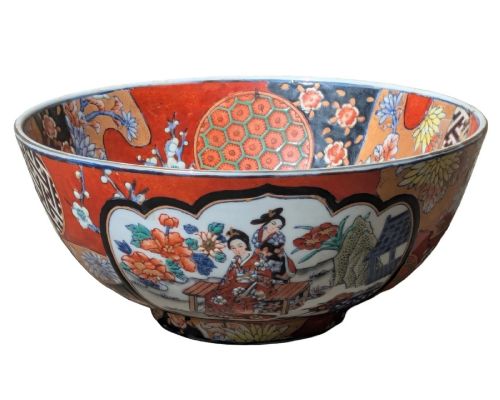
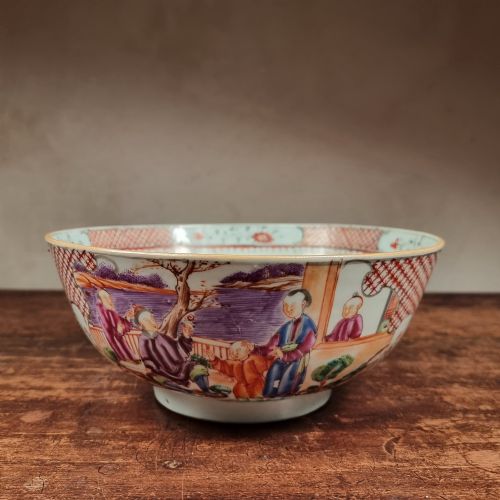
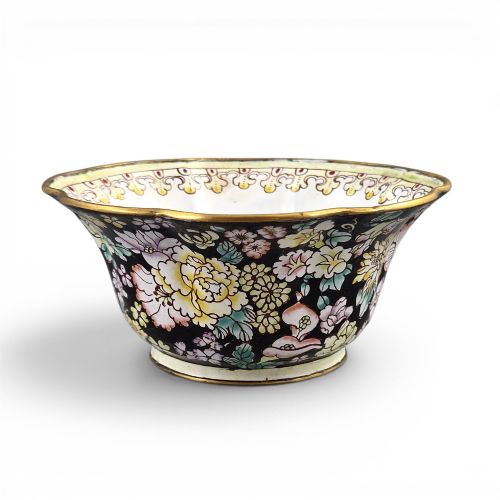
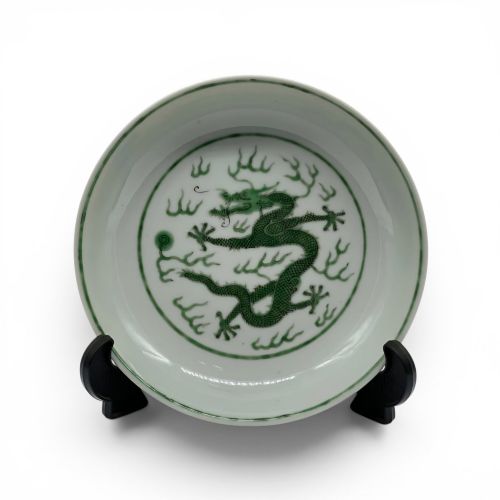
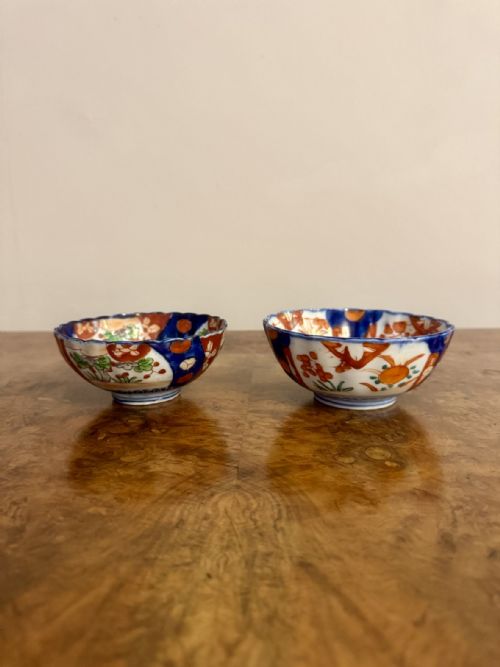
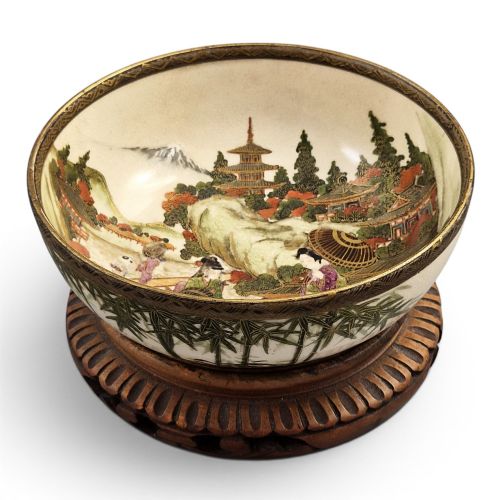
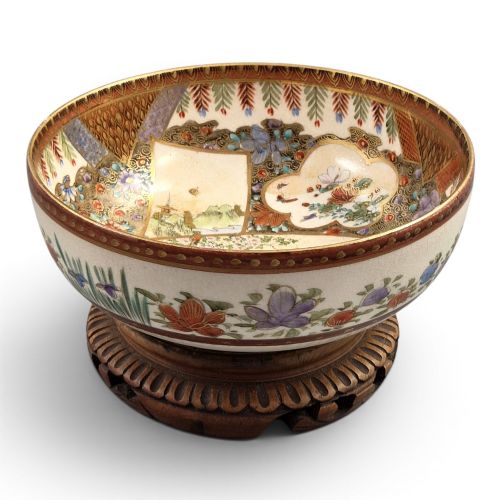
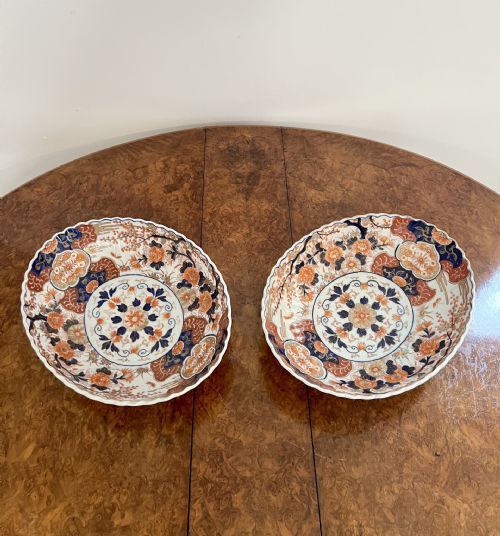
When searching for a decorative asian ceramic bowl, buyers encounter a variety of forms spanning centuries of production across China and Japan. These pieces range from large scalloped Imari dishes and shallow Satsuma bowls to Qingbai-glazed conical vessels and painted enamel-on-copper works.
The selection frequently includes pieces from the 17th century through to the early 20th century, encompassing the Edo and Meiji periods alongside the Qing dynasty. Forms vary from simple round bowls and clamshell dishes to lidded jars and items complete with stands.
Japanese Imari and Satsuma wares dominate the physical evidence, often identified by specific kiln origins such as Arita and Kyoto. Chinese ceramics are represented by blue and white pieces, famille rose decoration, and imperial-style green dragon porcelain.
Materials and technique
Potters utilised porcelain, earthenware, and copper as bases for these vessels, applying glazes, enamel, and gold leaf to create intricate surface patterns. Techniques combined throwing or moulding the clay with careful hand-painting in cobalt blue, polychrome enamel, and gilt highlights.
Firing methods achieved distinct finishes, from the crackled ivory earthenware of Satsuma wares to the translucent Qingbai glazes and deep cobalt blues of Arita and Imari porcelain. Artisans also incorporated carved or incised motifs, such as phoenix and peony designs beneath the glaze.
Details such as gilding and painted enamel were applied in layers and fired again to fix the colours, while some pieces integrated wood elements or stands to complement the ceramic body.
Materials recorded across the inventory include copper, wood, gold leaf, and enamel alongside traditional earthenware and porcelain.
Assessing quality
Quality in these ceramics rests upon the precision of the brushwork and the clarity of the enamel and glaze colours. Finer examples display disciplined, detailed painting rather than hurried application, with clean lines in cobalt blue and precise placement of gold leaf.
The reputation of the workshop or maker significantly influences distinction, with signed pieces by recognised masters demonstrating superior control over form and firing. The crispness of incised motifs on wares like Qingbai bowls similarly marks a higher standard of production.
The integrity of the body shape, whether a scalloped edge or a clam shell form, reflects the skill of the potter in retaining symmetry and definition despite high-temperature kiln firings.
Kozan·Shizan·Ryuzan·Kinkozan·Hododa
The Decorative Asian Ceramic Bowl Glossary
- Imari
- A style of Japanese porcelain decorated in underglaze blue and overglaze iron red, gold, and green. This ware was widely produced in Arita for export to Europe from the Edo period onwards.
- Satsuma
- A type of earthenware from Japan featuring a pale, ivory-crackled glaze decorated with polychrome enamels and gilt. It became especially popular during the Meiji period.
- Qingbai
- A Chinese porcelain glaze that is pale blue-green, literally meaning bluish-green. It was used extensively during the Song dynasty and later periods on wares with incised decoration.
- Aka-e
- Japanese polychrome overglaze decoration dominated by red. It often appears alongside blue and white elements in early export porcelains.
- Canton
- A style of Chinese export porcelain decorated with bright, colourful panels of figures, birds, and flowers. Production centered on the southern port city during the 19th century.
Decorative Asian Ceramic Bowl: Frequently Asked Questions
How do I identify Meiji period Satsuma ware?
Meiji Satsuma pieces typically feature a distinctive ivory-coloured earthenware body covered in a fine network of crackled glaze. They are heavily decorated with intricate polychrome enamels and raised gilding, frequently depicting figures, landscapes, or floral motifs.
Many of the finer examples carry artist signatures or workshop stamps on the base, pointing to specific makers active in regions like Kyoto or Yokohama during the late 19th and early 20th centuries.
What is the difference between Imari and Satsuma?
Imari is a hard-paste porcelain characterised by a palette of underglaze blue, iron red, and abundant gold, originating from the kilns around Arita. These pieces have a ringing tone when struck and feature crisp, geometric, or floral designs.
Satsuma, by contrast, is an earthenware ceramic with a softer, absorbent body and a characteristic micro-crackled cream glaze. It serves as a canvas for densely painted pictorial scenes rather than the geometric borders common on Imari.
Were these bowls made for export?
A large proportion of the decorative bowls and dishes produced in 19th-century Japan and China were specifically created for international markets in Europe and America. Western demand influenced shapes, such as large scalloped presentation chargers and cabinet pieces.
Export wares often blended traditional Eastern motifs with forms and sizes that appealed to Victorian and Edwardian interior tastes, while retaining native kiln techniques and materials.