



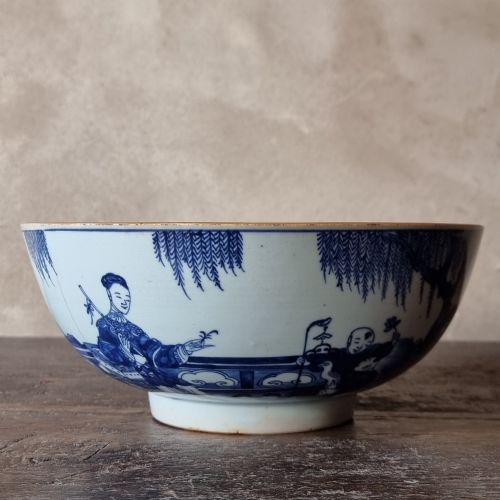
Painted Ceramic Bowl
A painted ceramic bowl brings centuries of hand-applied artistry and colour to a table, combining utility with expressive brushwork.
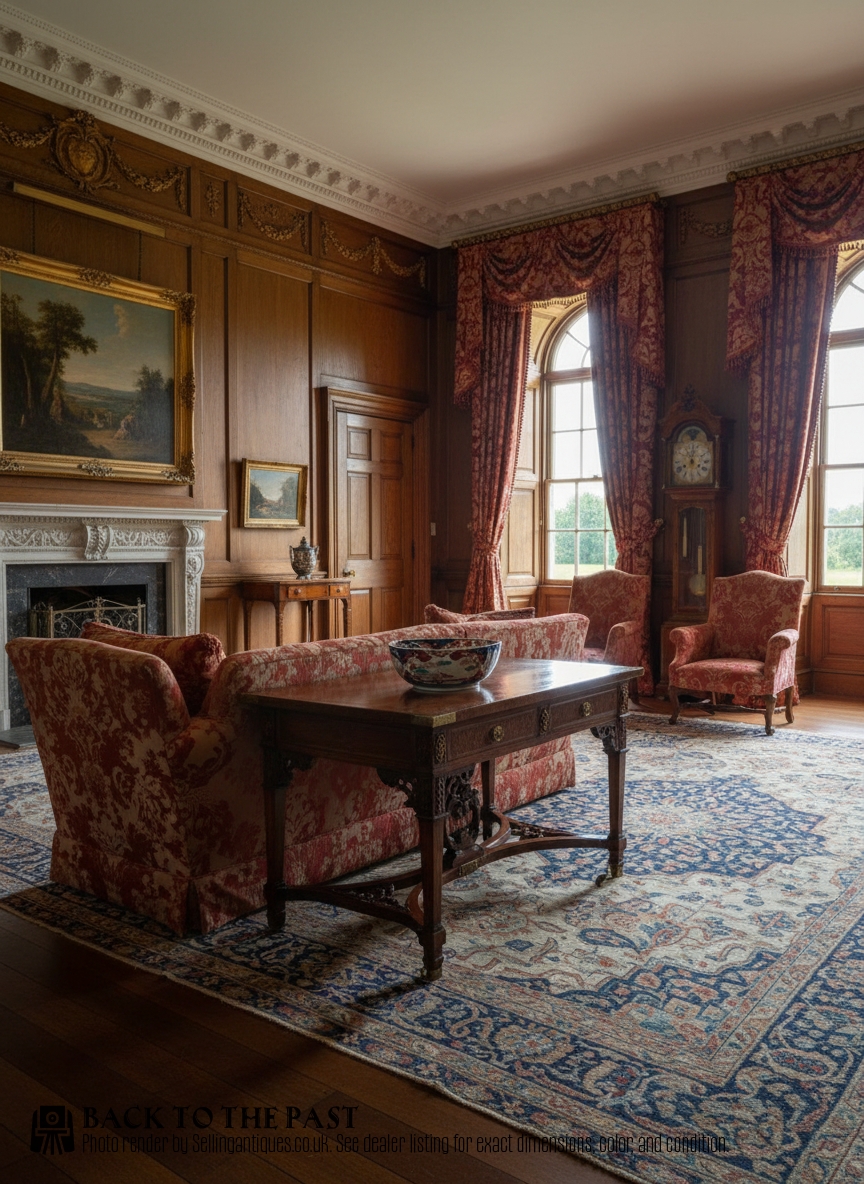
Painted Ceramic Bowl
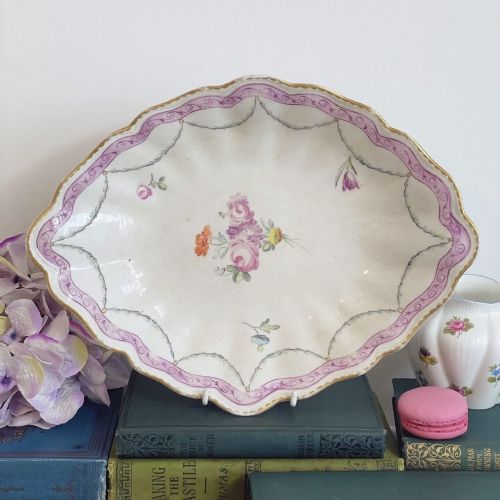
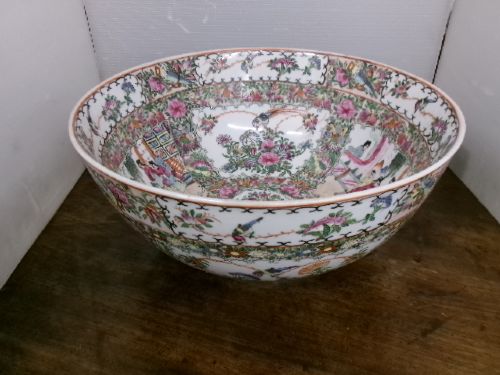
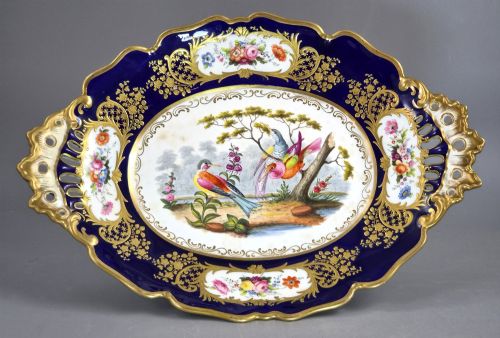
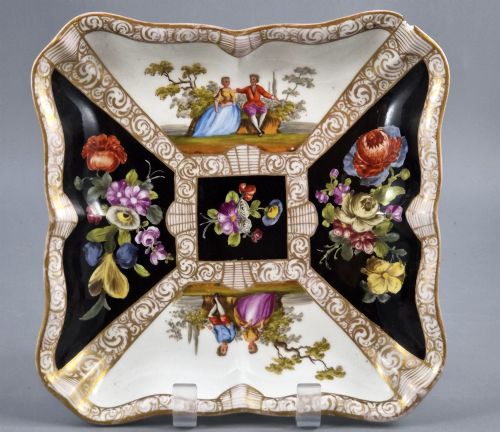
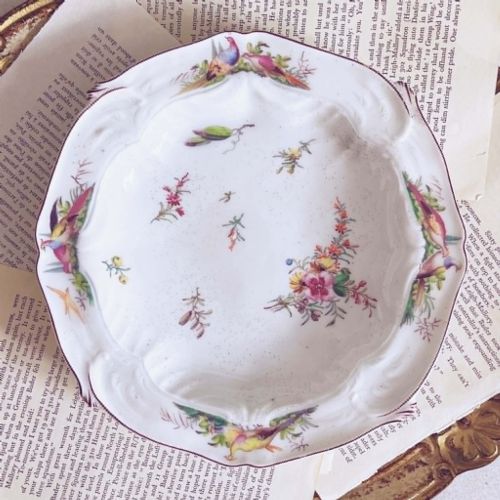
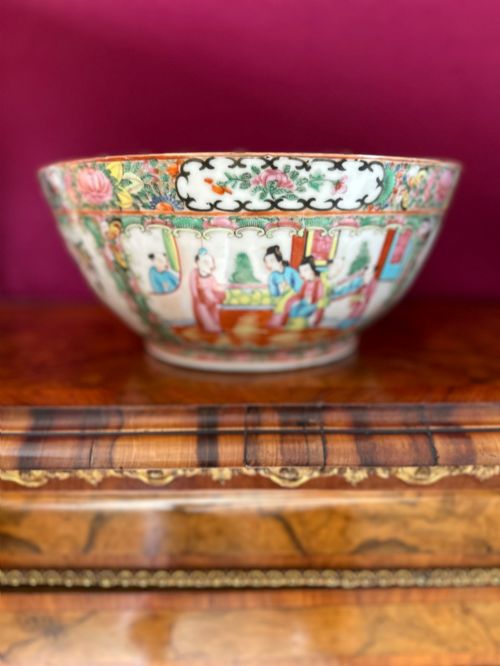
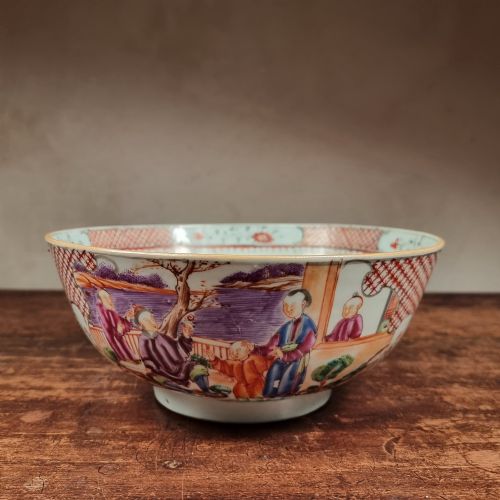
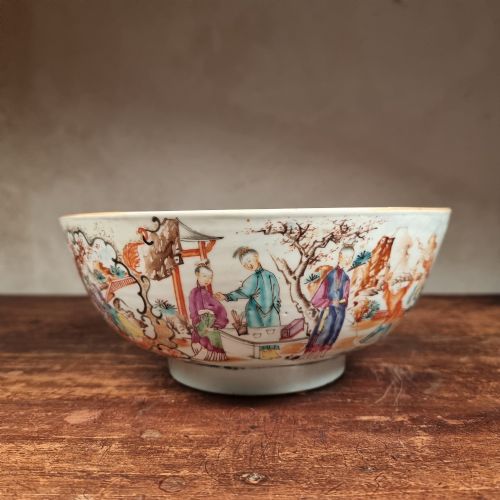
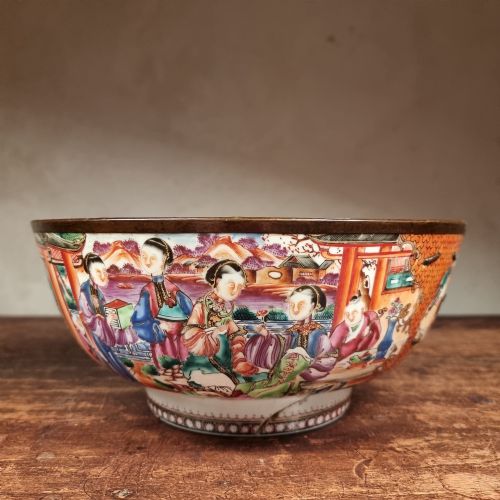
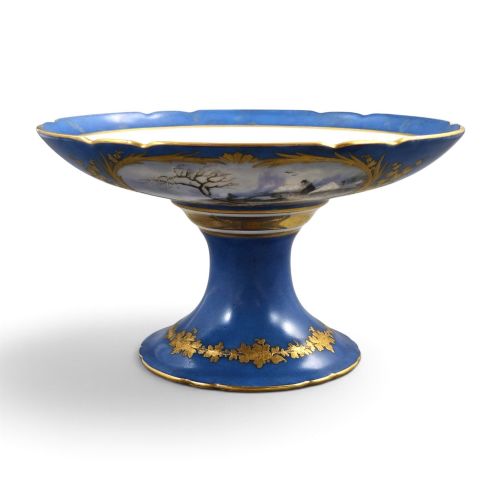
When you search for a painted ceramic bowl, you encounter a diverse range of decorative and serving vessels spanning the eighteenth, nineteenth, and early twentieth centuries. These objects originate from major European porcelain factories, English potteries, and East Asian kilns, encompassing forms from large punch bowls to delicate footed dishes.
The selection on this page relies heavily on English porcelain and earthenware, alongside robust Chinese Canton and Japanese Imari imports. You will frequently find pieces decorated with handpainted botanical motifs, cobalt blue scenes, and polychrome enamel patterns reflecting Georgian, Victorian, and Meiji aesthetics.
Materials and Working Methods
These vessels are fashioned from various ceramic bodies including porcelain, bone china, creamware, pearlware, and ironstone, each providing a different ground for decoration. Artisans applied coloured glazes, underglaze cobalt, and polychrome enamel pigments directly to the fired clay before subjecting the piece to further kiln firings.
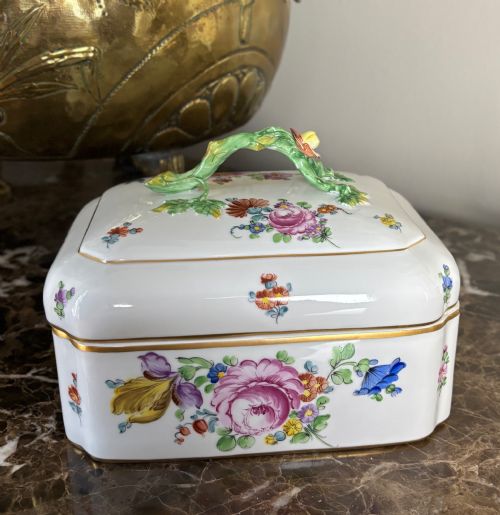
Many examples incorporate gilded highlights using gold leaf or liquid gold applied over the glaze to accentuate rims and patterned borders. The combination of handpainted brushwork and careful glazing defines the tactile quality of these historic wares.
Listings feature eighteenth-century porcelain and nineteenth-century earthenware, utilising enamel, glaze, and gold leaf across diverse decorative forms.
Judging Quality and Execution
The distinction between ordinary production and superior craftsmanship rests in the precision and fluidity of the handpainted decoration. Master painters working at prominent factories achieved remarkable detail in floral studies, armorial bearings, and figurative scenes, whereas lesser pieces display repetitive or hurried brushwork.
Body thickness, the clarity of the white ceramic ground, and the stability of the glaze during firing also determine the grade of a vessel. Superior examples maintain crisp outlines, vibrant enamel colours, and well-balanced forms without distortion from the kiln.
Meissen Porcelain·Royal Doulton·Royal Vienna·Wedgwood·Sèvres Porcelain
The Painted Ceramic Bowl Glossary
- Polychrome
- Decoration executed in multiple colours. This technique allows for complex pictorial scenes and vibrant floral arrangements on the ceramic surface.
- Imari
- A style of Japanese export porcelain featuring deep cobalt blue, iron red, and gilt highlights. These wares gained immense popularity across Europe during the eighteenth and nineteenth centuries.
- Creamware
- A fine earthenware developed in England during the eighteenth century with a pale yellow or cream-coloured lead glaze. Wedgwood notably refined and produced this ceramic body.
- Jardiniere
- A large ornamental pot or bowl designed to hold growing plants or flowers. They often feature robust proportions and heavy baseline stability.
- Enamel
- Opaque glass-like pigments applied over the fired glaze and fixed at a lower kiln temperature. This method yields raised, glossy surface details in bright colours.
Painted Ceramic Bowl: Frequently Asked Questions
How do I clean an antique painted ceramic bowl?
Wash these fragile pieces gently by hand using lukewarm water and mild dish soap. Avoid harsh scrubbers, soaking, and modern dishwashers to protect the delicate handpainted enamel and gilt surfaces.
Dry each vessel immediately with a soft, lint-free cloth to prevent water spots from forming on the glaze. Proper manual handling ensures the historic decoration remains intact for future generations.
Are these bowls safe for serving food?
Most antique bowls are best reserved for display or dry storage rather than daily dining. Historic glazes can be porous or contain trace elements from early firing techniques that are unsuited to acidic foods.
Gentle use during special occasions is acceptable for robust ironstone or heavy porcelain, provided you inspect the piece for hairline cracks beforehand. Displaying them on a sideboard or table keeps them safe from accidental knocks.
How can I tell an eighteenth-century bowl from a Victorian one?
Examine the weight of the ceramic body, the composition of the glaze, and the style of the handpainted motifs. Eighteenth-century pieces often display softer paste bodies and hand-mixed palette colours typical of early English and continental factories.
Victorian items frequently exhibit brighter industrial pigments, denser transfer-printed outlines enhanced by hand, and more standardised factory marks. Comparing the stylistic conventions of the painted scenes helps narrow down the period of manufacture.
What is the difference between porcelain and earthenware bowls?
Porcelain is fired at extremely high temperatures, resulting in a dense, vitrified, and slightly translucent white body that does not absorb moisture. Earthenware is fired at lower temperatures, producing a porous, opaque clay body that requires an all-over glaze to remain watertight.
Historic earthenwares like creamware and pearlware feel softer to the touch and often possess a warmer tone than hard-paste porcelain. Understanding this material distinction clarifies the origin and fragility of each individual vessel.