




Traditional Japanese Floral Porcelain
Traditional japanese floral porcelain brings together centuries of ceramic artistry through robust decorative plates, chargers, and vases.
Traditional Japanese Floral Porcelain
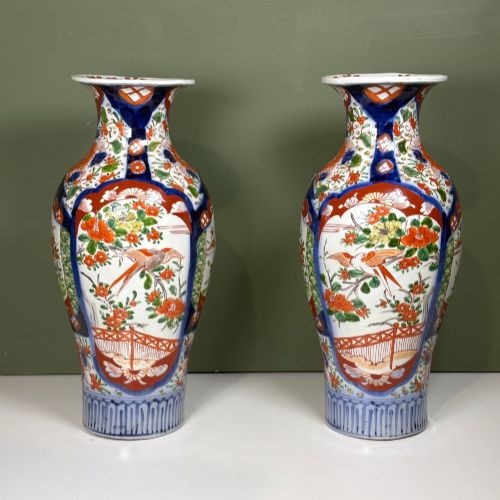
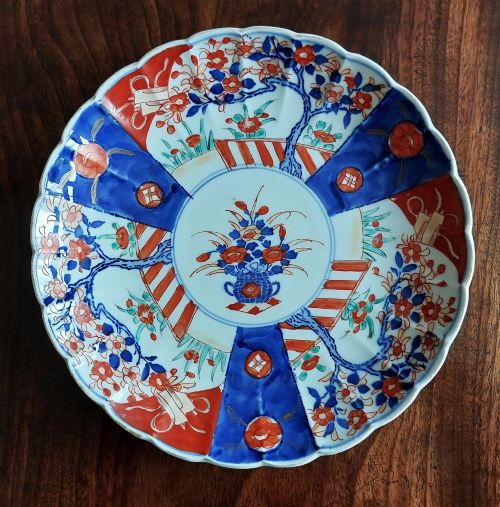
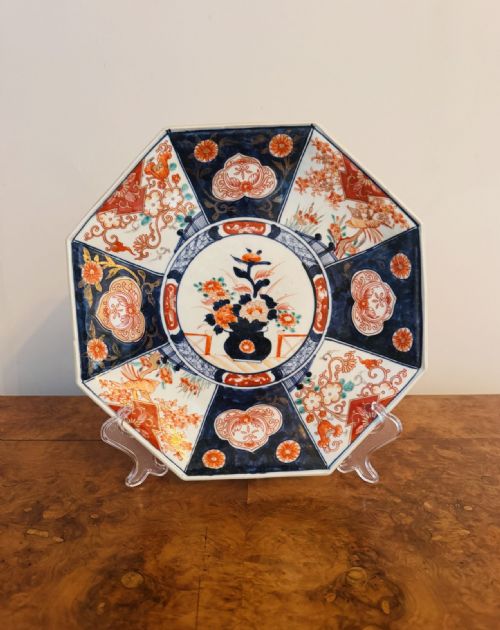
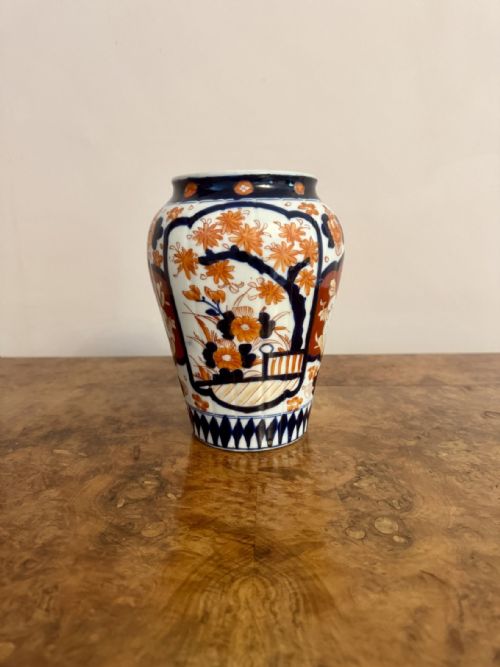
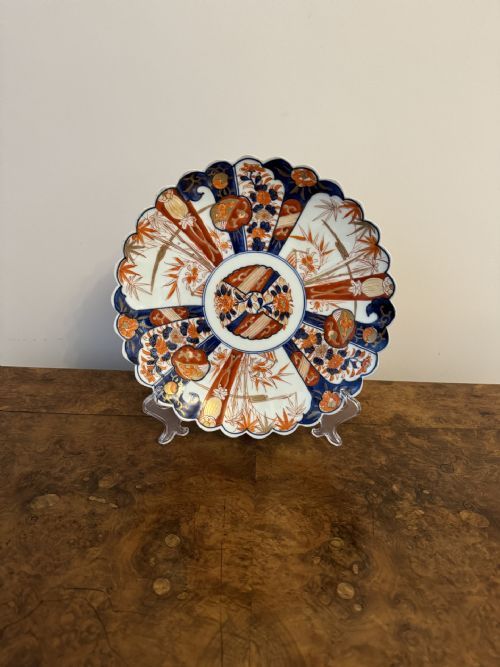
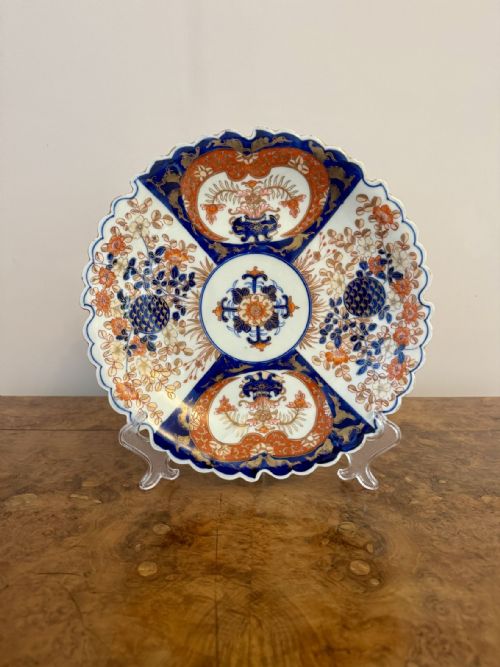
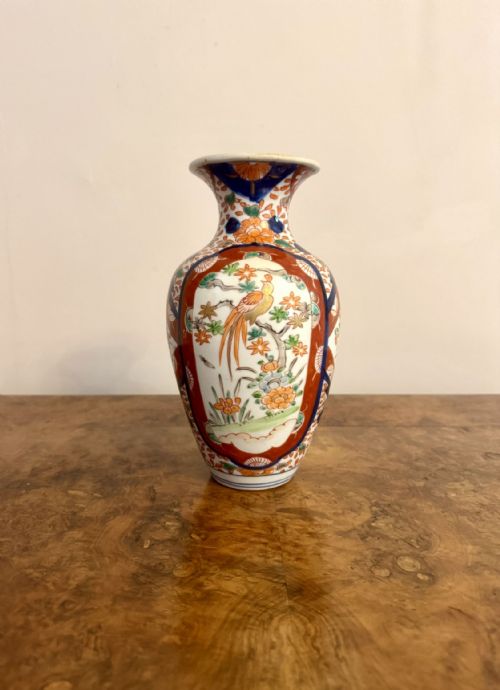
Traditional japanese floral porcelain centres on items produced during the nineteenth century, the Edwardian era, and around nineteen hundred. Buyers searching this phrase encounter robust decorative plates, large chargers, bowls, and vases.
The most common version met on this page is the Japanese Imari piece, which displays distinct floral and patterned motifs across ceramic and porcelain bodies.
Materials and Techniques
These objects utilise porcelain and ceramic substrates finished with glaze, enamel, and cobalt underglaze to build rich visual depth. Artisans applied gilding, gilt, and gold leaf highlights to accentuate specific motifs.
The combination of underglaze blue and contrasting enamel colours creates the characteristic palette seen across these nineteenth-century vessels.
Traditional Japanese Floral Porcelain Retail Price Guide 2026
Typical asking prices for traditional japanese floral porcelain among the pieces listed under this phrase on Sellingantiques today, from the lower quarter to the upper quarter. They describe what is for sale here now, not the wider market.
Object forms include decorative plates, chargers, platters, bowls, and vases executed in Japanese Imari styles.
Standards of Execution
Quality depends upon the crispness of the cobalt underglaze work and the precision applied to the enamel details. Pieces showing deliberate brushwork and balanced colour distribution stand apart from simpler output.
The density and weight of the porcelain body, alongside the careful integration of gold leaf or gilding, mark the distinction between standard vessels and exceptional examples.
The Traditional Japanese Floral Porcelain Glossary
- Imari
- A style of Japanese porcelain decorated in underglaze blue, iron red, and gold. This technique originated in the Edo period and gained popularity in the West during the nineteenth century.
- Charger
- A large decorative plate intended for display rather than dining use. These substantial pieces often showcase complex floral and geometric compositions.
- Cobalt Underglaze
- A blue pigment applied to the ceramic body before glazing and firing. It provides the permanent dark blue foundation beneath the enamel layers.
- Gilding
- The application of gold leaf or gilt paint to ceramic surfaces. This method adds metallic definition to floral patterns and borders.
Traditional Japanese Floral Porcelain: Frequently Asked Questions
What is traditional japanese floral porcelain?
These items are decorative ceramic vessels and plates produced during the nineteenth and early twentieth centuries.
They rely on traditional Japanese Imari aesthetics featuring floral and geometric motifs executed in enamel and cobalt.
How were these porcelain pieces used?
Large chargers and plates were typically displayed on walls, cabinets, or sideboards rather than used for food.
Vases and bowls served as decorative interior ornaments within nineteenth-century homes.
How do I care for antique porcelain?
Dust these items gently with a dry, soft cloth and avoid chemical cleaning agents.
Keep them away from direct sunlight and areas prone to sudden temperature shifts to protect the glaze and gold leaf.
How can I tell the period?
Dating relies on stylistic clues, ceramic weight, and the handling of the enamel and cobalt underglaze.
Nineteenth-century items often show heavier ceramic bodies and distinct hand-painted brushwork characteristic of the Meiji period.