






Vintage Japanese Wall Dish
A vintage japanese wall dish brings centuries of ceramic and metalwork craft directly into modern interiors through decorative plates and chargers.
Vintage Japanese Wall Dish
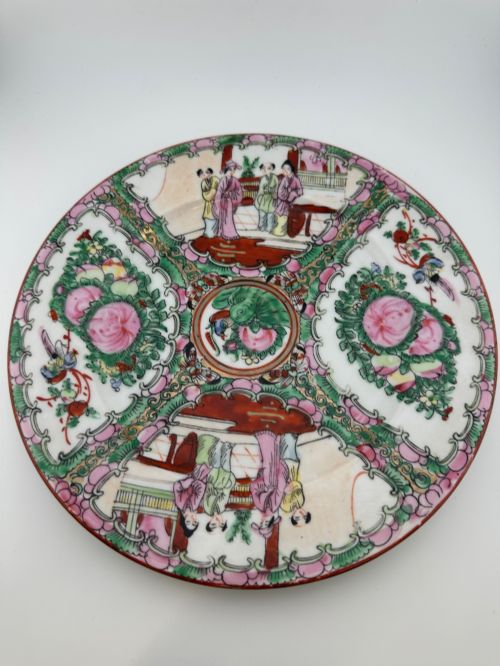
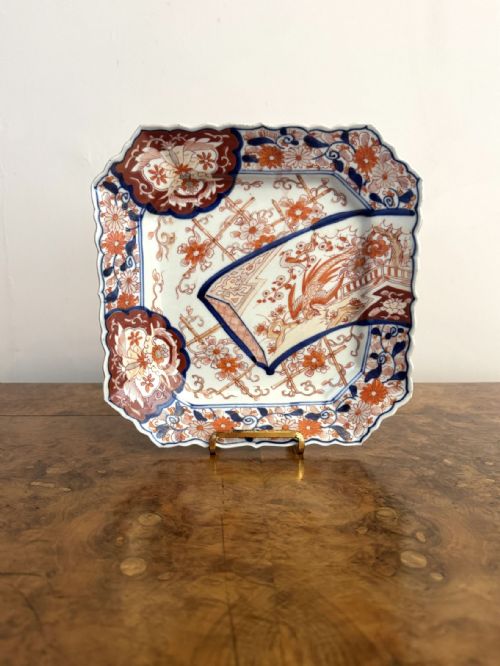
A vintage japanese wall dish encompasses decorative plates, chargers, and plaques originating from the nineteenth and early twentieth centuries. Buyers encounter forms ranging from square plates to large circular chargers across periods including the Meiji and Taisho eras.
Materials and construction
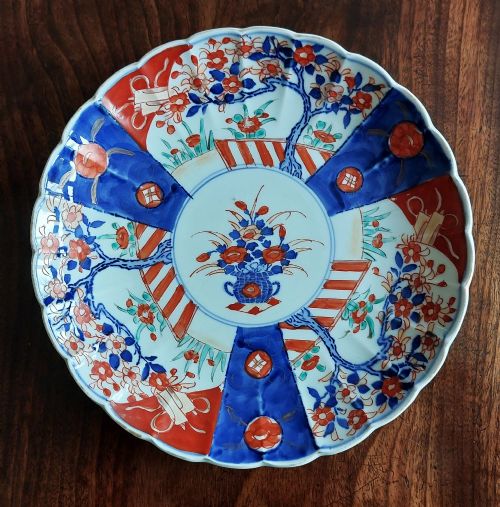
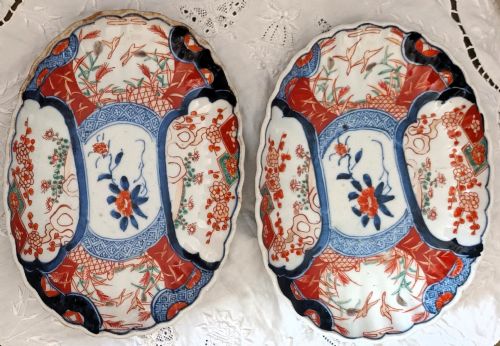
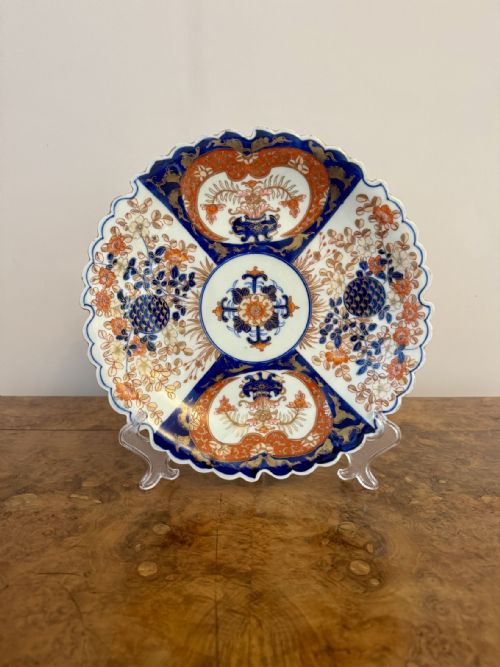
Makers utilised porcelain and ceramic bodies finished with hand-painted glaze, often incorporating Imari palettes of cobalt blue and iron red alongside gold leaf. Metal variations rely on copper bases worked in cloisonne enamel with wire cells.
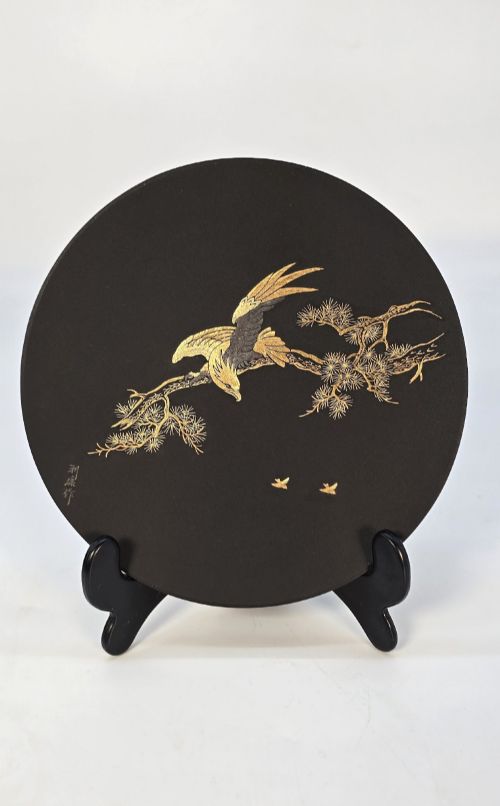
Patinated iron and bronze plaques incorporate intricate gold and silver inlay techniques to build detailed figurative scenes. Artisans applied copper wire on cloisonne pieces to outline motifs before firing coloured enamel pastes within the partitions.
Listings span the Victorian era through the Taisho period, featuring porcelain, enamel, copper, and patinated iron.
Evaluating the standard
Quality rests upon the precision of the hand-painted brushwork and the complexity of the subject matter depicted on the surface. Finer examples display meticulous detail in figures like samurai or animals, while simpler pieces repeat standard floral patterns.
In cloisonne and metalwork, the fineness of the wirework and the depth of the patination distinguish superior specimens from standard production wares. Preservation of the original glaze or enamel finish dictates the overall integrity of the piece.
Koshida
The Vintage Japanese Wall Dish Glossary
- Imari
- A style of Japanese porcelain decorated in underglaze blue, iron red, and gilt, produced extensively for export. This tradition influences many chargers found on the market.
- Cloisonne
- A technique where enamel is applied to compartments created by soldering flat metal wires onto a metal base. Artisans fire these pieces multiple times to achieve a smooth, lustrous finish.
- Charger
- A large decorative plate utilised primarily for display on walls or tables rather than for serving food. These substantial vessels often carry the most ambitious pictorial designs.
- Meiji Period
- The era in Japanese history spanning from eighteen sixty-eight to nineteen twelve, noted for opening trade and extraordinary craftsmanship in ceramics and metalwork.
Vintage Japanese Wall Dish: Frequently Asked Questions
How do I hang a heavy charger safely?
Wall dishes require specialised expanding bracket hangers designed to distribute weight evenly across the rim without causing stress fractures.
Ensure the wall fixing engages securely with a stud or utilise heavy-duty wall plugs suitable for plaster or masonry.
How do I clean enamel wall plates?
Dust enamel surfaces gently with a soft, dry cloth to prevent accumulation without introducing moisture or harsh cleaning agents.
Avoid liquid immersion, particularly on metal plaques or cloisonne, as moisture can damage older metallic patinas.
What is the difference between an Imari plate and a charger?
Chargers are significantly larger in diameter, typically measuring over thirty centimetres, and served as central display pieces.
Standard plates share the same distinctive blue and red palette but conform to smaller dimensions suitable for general display groupings.