




Traditional Japanese Ceramics
Traditional japanese ceramics bring tactile history into your home through enduring forms shaped in porcelain, glaze and gold leaf.
Traditional Japanese Ceramics
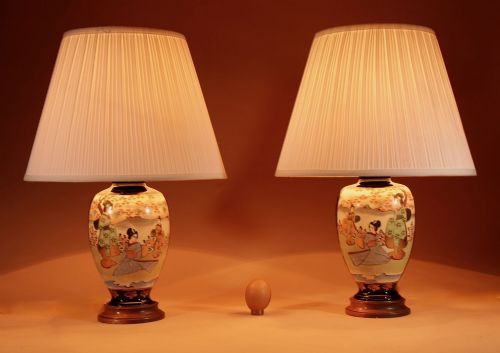
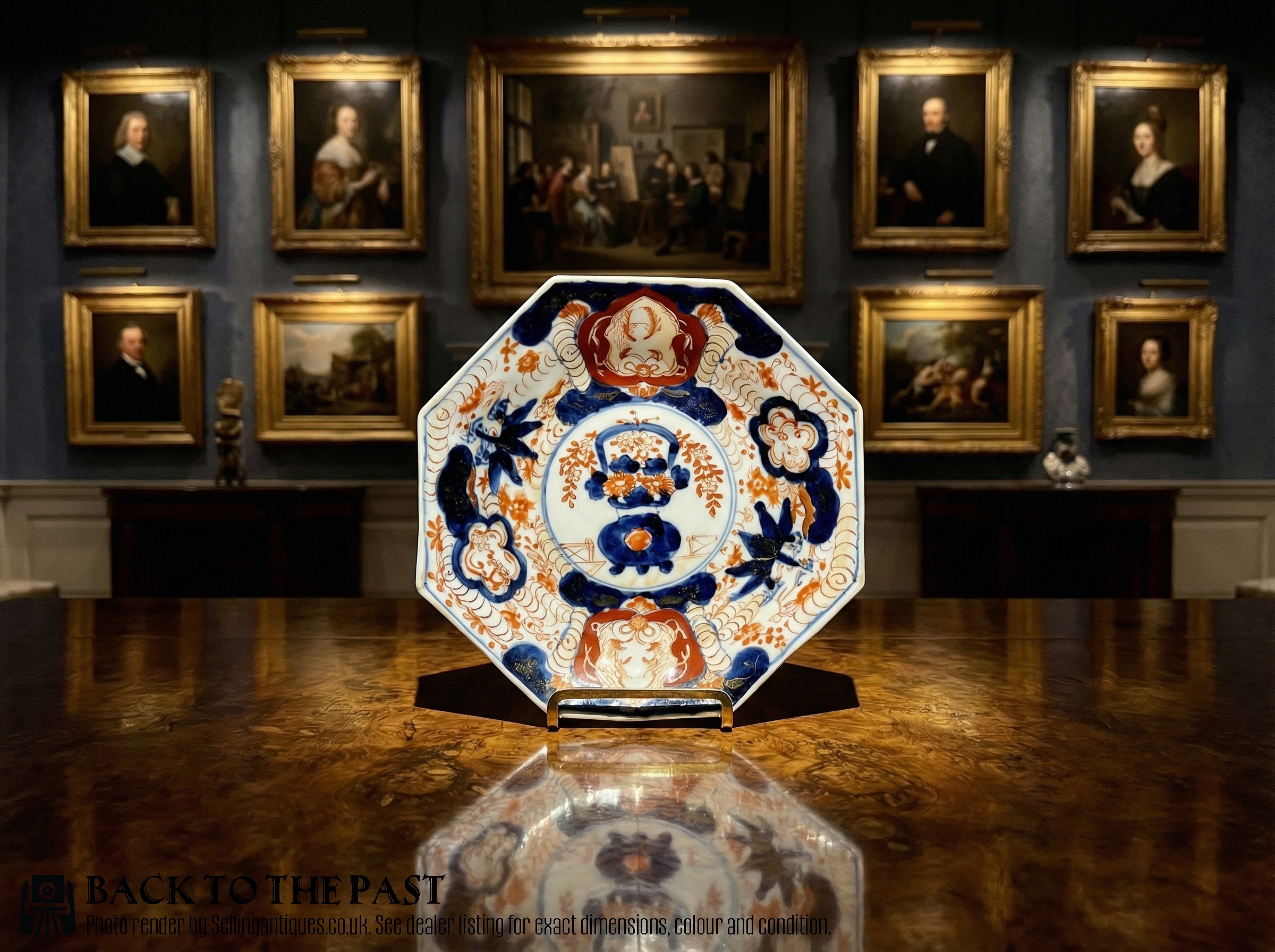
Traditional japanese ceramics encompass vessels and display pieces created across the late Edo, Meiji and Showa periods. These works include decorative plates, chargers, bowls, vases and table lamps intended for interior presentation.
Most examples encountered here date from the late nineteenth century to the early twentieth century. These pieces reflect established aesthetic traditions passed down through generations of regional makers.
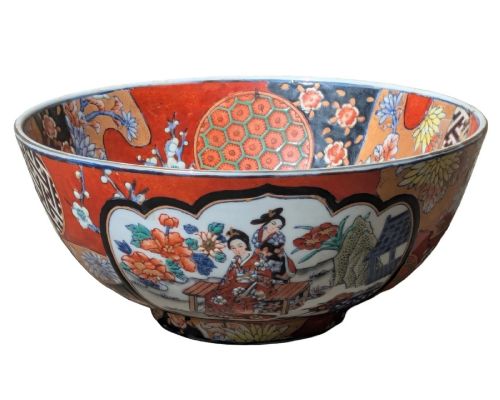
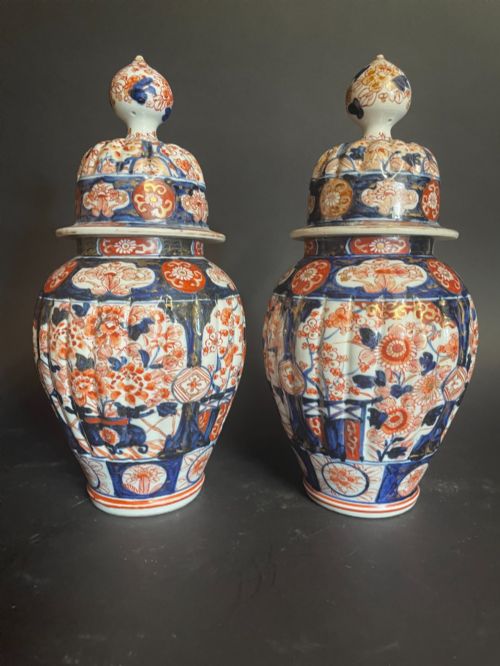
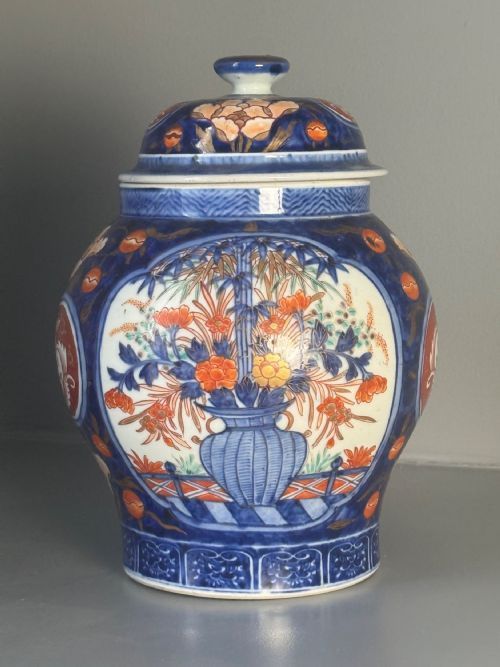
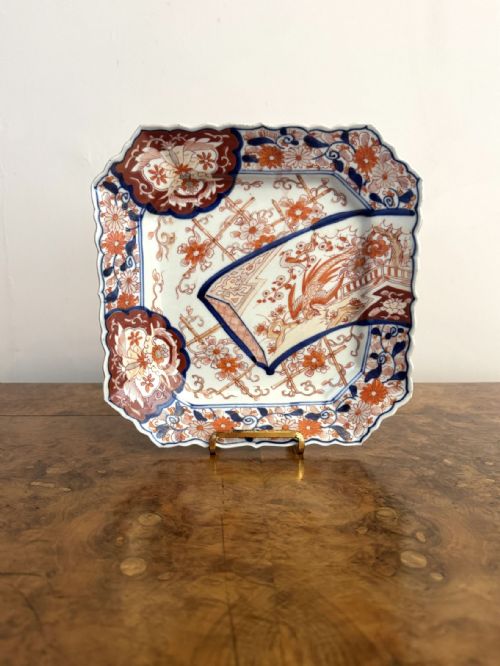
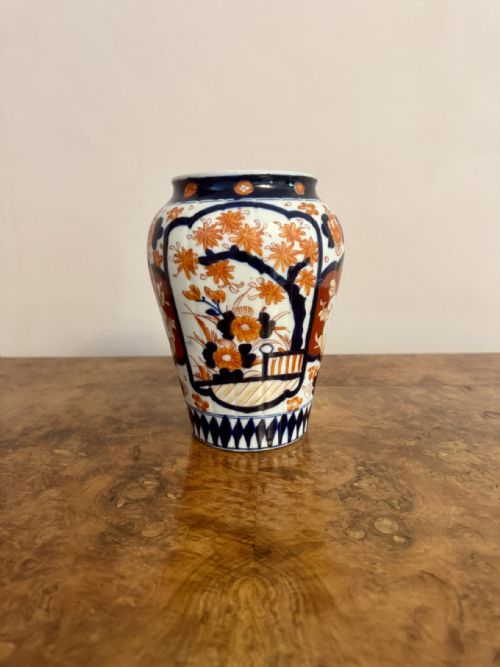
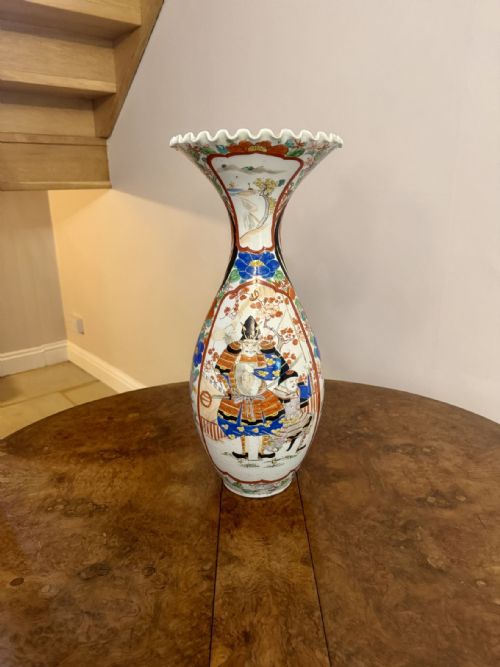
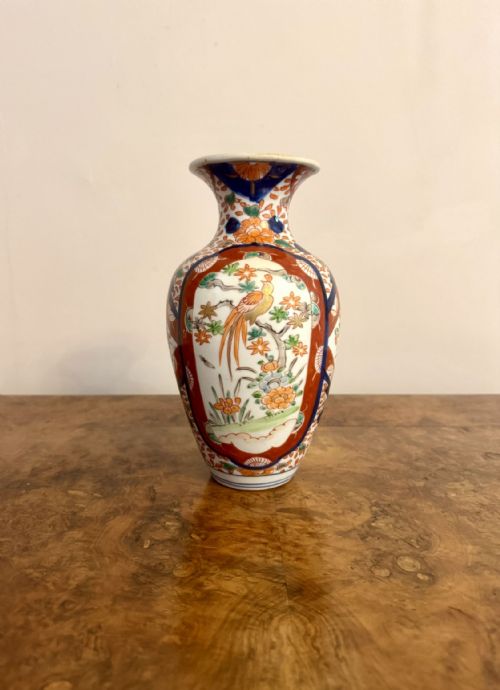
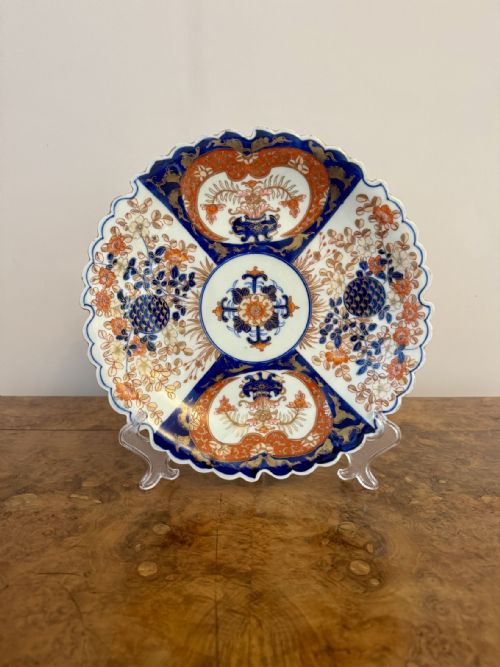
Forms range from deep porcelain bowls and square shaped plates to large baluster vases and covered jars. Many incorporate distinct regional decoration styles such as Japanese Imari and Satsuma work.
Materials and methods
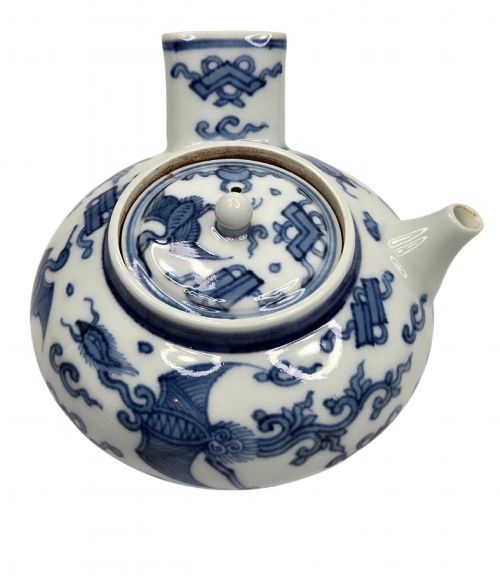
Potters shaped fine porcelain bodies by hand or on the wheel before applying mineral pigments and cobalt underglaze. These initial designs provided the foundation for detailed surface painting.
Artisans layered enamel colours, gilding and gold leaf onto the fired ceramic surface. Subsequent low-temperature kilnfirings fused these metallic and enamel elements securely to the glaze.
Several plates arrive tucked inside their original wooden storage boxes, preserving decades of quiet anticipation.
Judging quality in the range
Quality depends upon the precision of the hand-painted cobalt underglaze and the crispness of the enamel details. Superior examples exhibit balanced composition and careful alignment across complex geometric or floral patterns.
The weight of the porcelain body and the richness of applied gold leaf or gilding distinguish finer vessels. Well-preserved surfaces retain their original gloss and metallic lustre without excessive rubbing.
The Traditional Japanese Ceramics Glossary
- Imari
- A style of Japanese porcelain decorated in underglaze blue, iron red and supplementary colours including gold. Pieces typically feature dense floral and geometric panels.
- Charger
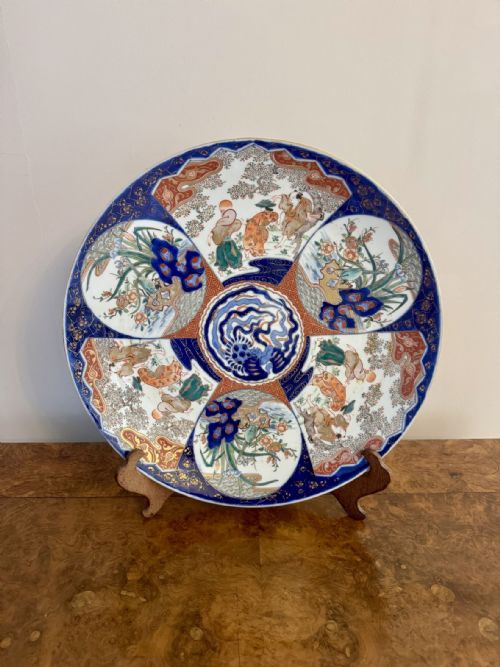
- A large decorative plate intended for display on a wall or sideboard rather than for dining use. These expansive surfaces often showcase intricate pictorial compositions.
- Satsuma
- Earthenware pottery traditionally associated with cream-coloured cracked glaze and elaborate enamel ornamentation. Many items also incorporate raised gilding.
- Okimono
- A small decorative figurine designed for display in a traditional alcove or interior space. These sculptures depict figures and subjects from Japanese life and folklore.
- Baluster
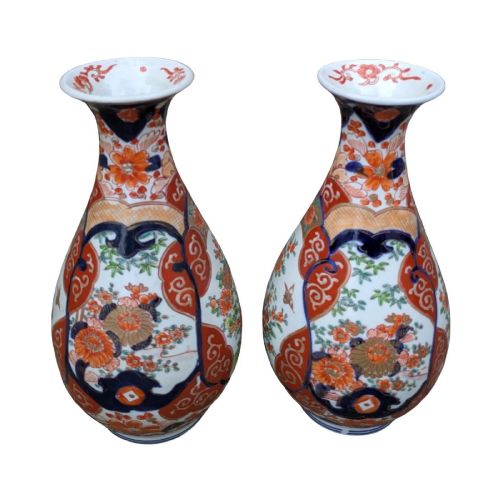
- A vase form characterised by a rounded body that tapers toward the base and swells outward before rising to a narrower neck. This classic silhouette provides stability and visual balance.
Traditional Japanese Ceramics: Frequently Asked Questions
How do I display these chargers safely?
Large chargers require secure wall mountings or sturdy plate stands designed to support their substantial weight. Position them away from direct sunlight and high traffic areas to protect the enamel and gilding.
Ensure the display surface is stable and level. Regular dusting with a soft, dry cloth maintains the finish without risking abrasion to the glaze.
What is the difference between Imari and Satsuma ware?
Imari pieces consist of hard porcelain decorated with cobalt blue, iron red and gold. They present a resonant sound when tapped and feature bright, glazed surfaces.
Satsuma ware is typically earthenware featuring an ivory-coloured cracked glaze overlaid with detailed polychrome enamels and gold. The overall texture appears softer and more matte than porcelain.
Can I use these vases for fresh flowers?
Antique ceramic vessels can hold water, but frequent use carries risks of moisture seepage through older bodies or hairline cracks. Many collectors prefer to enjoy them as dry decorative objects.
If you do use water, place a small glass container inside the vase if possible. This prevents moisture from coming into direct contact with the historic interior walls.
How do I identify a Meiji period piece?
Meiji period ceramics, dating between 1868 and 1912, often display heightened technical precision and ambitious scale. Artisans combined traditional motifs with western-influenced perspective during this era of opening trade.
Look for refined cobalt underglaze work alongside dense enamel and gold leaf detailing. Many surviving examples from this span reflect the output of prolific regional kilns.