
Traditional Hearth Andirons
Traditional hearth andirons support logs within an open fire, bringing structural purpose and period character to a chimney breast.
Traditional Hearth Andirons
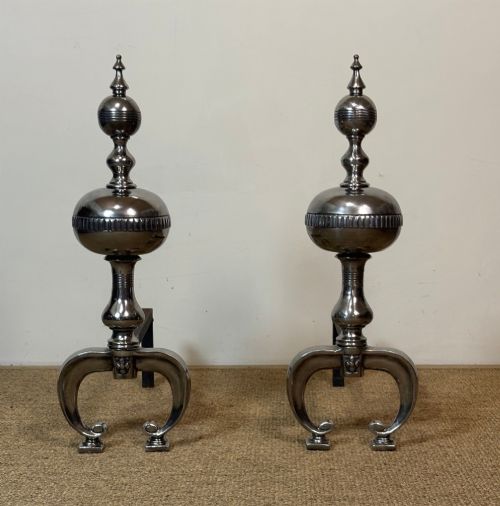
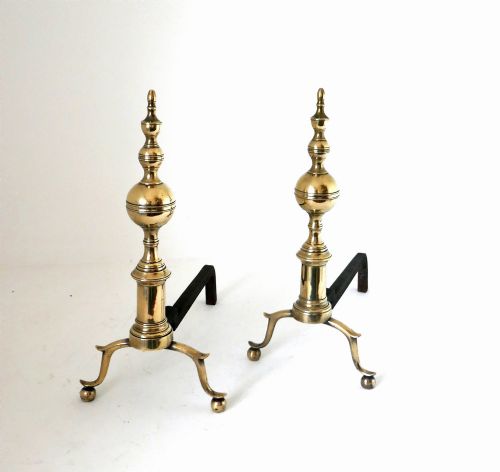
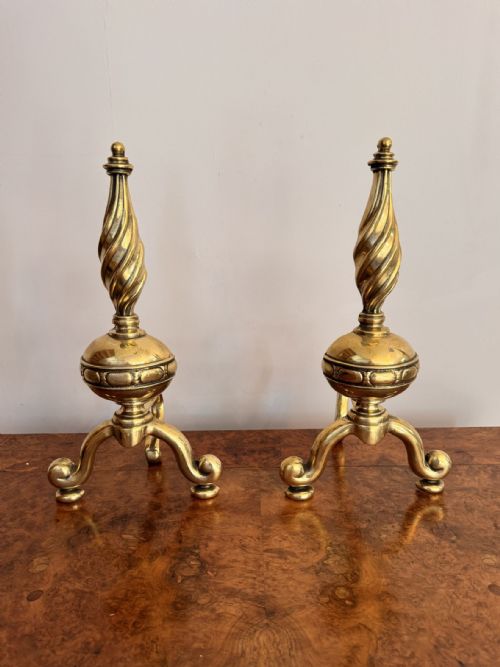
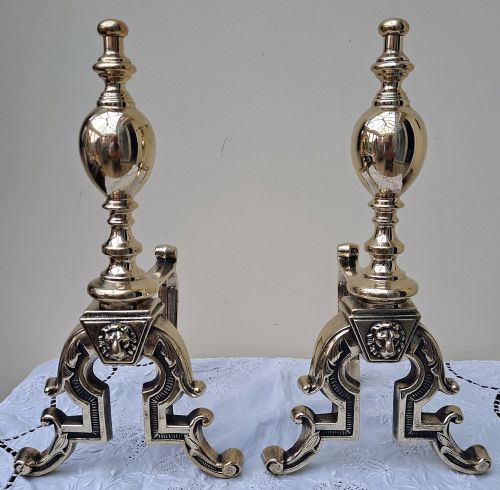
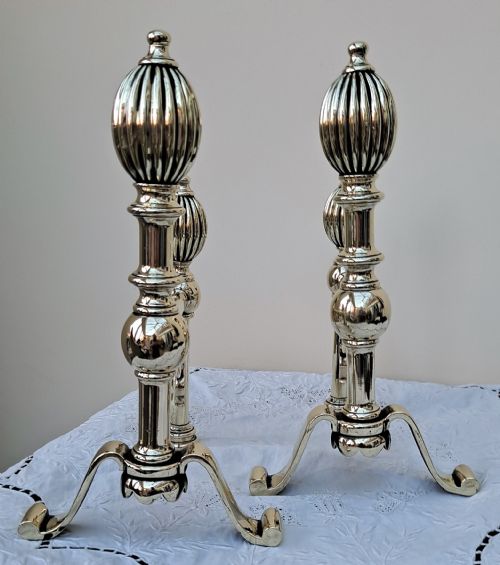
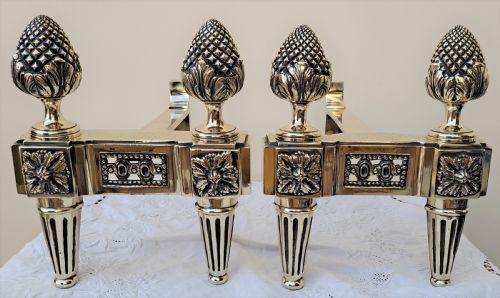
Traditional hearth andirons are functional supports designed to hold fuel wood above the hearth floor, allowing air to circulate beneath the fire. When exploring traditional hearth andirons, you will most frequently encounter pairs cast in brass or forged from iron originating from the nineteenth century. These fireplace accessories often arrive alongside matching fire baskets, grates, or companion tool sets.
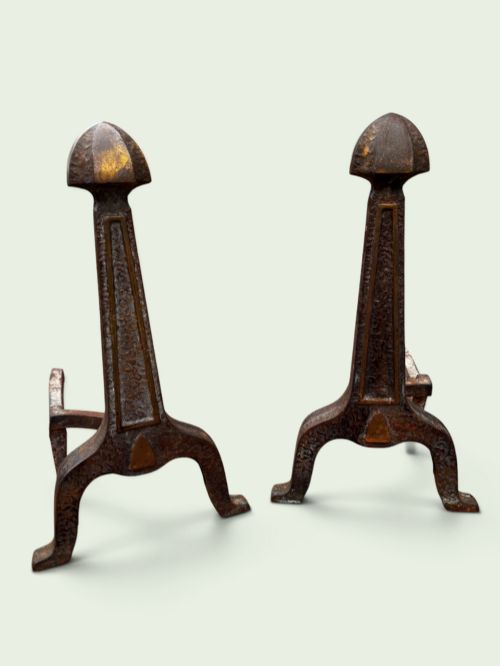
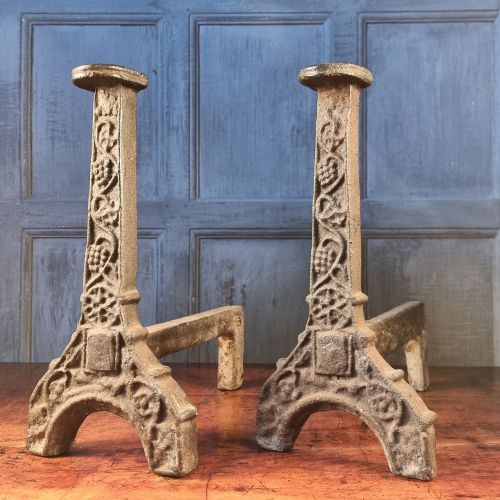
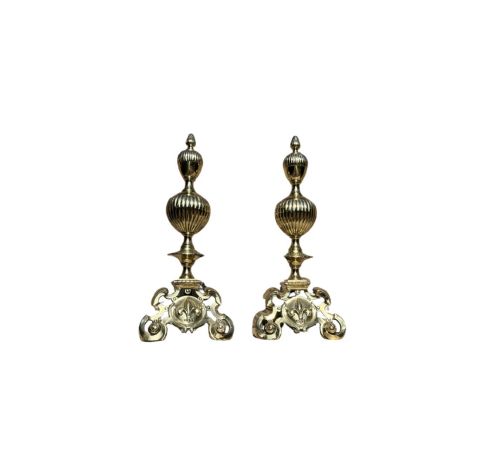
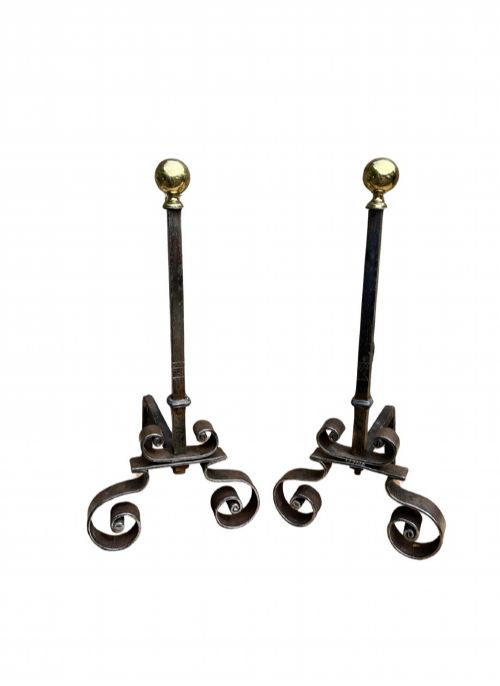
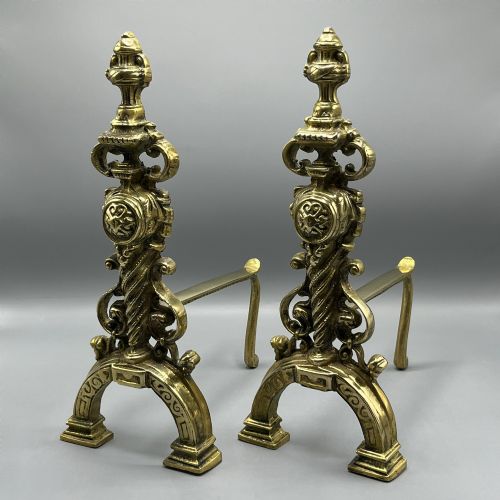
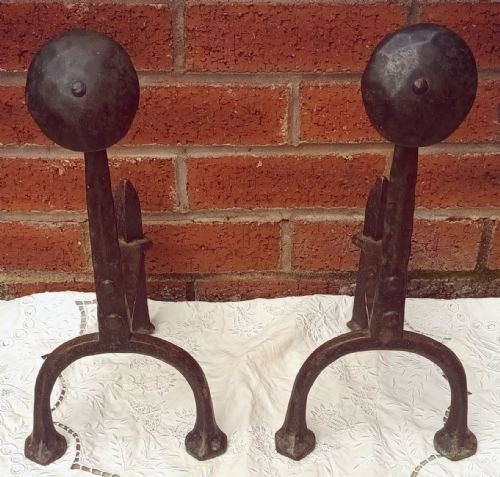
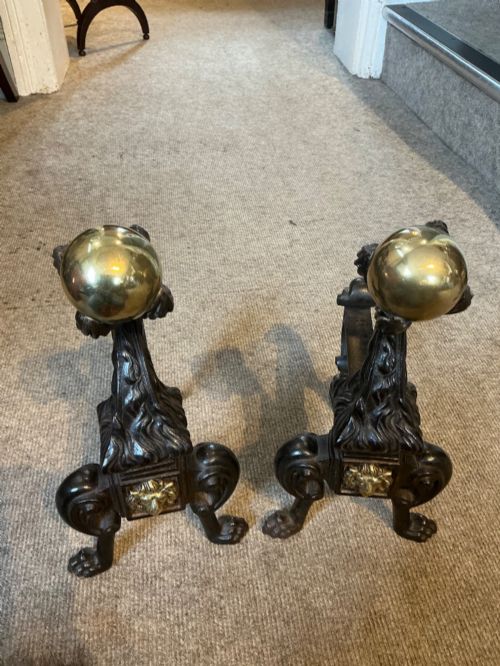
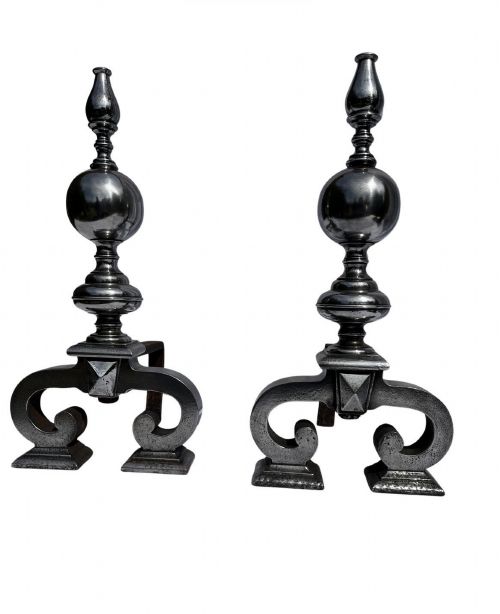
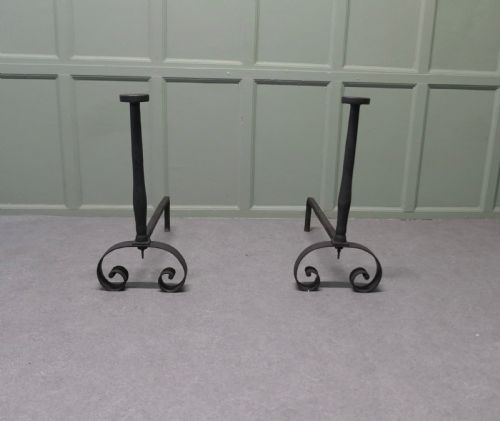
The selection ranges from robust wrought iron examples shaped in the arts and crafts manner to ornate Victorian solid brass designs and earlier 16th century Gothic forms. Many pieces reflect historical revivalism, such as nineteenth century brass andirons made in seventeenth century styles or Regency aesthetic models. They serve both to keep the hearth tidy and to frame the fireplace opening as a focal room feature.
What varies in quality
The distinction between standard utility items and exceptional examples lies in the weight of the metal and the crispness of the casting. Substantial, heavily cast brass and thick hand-forged iron demonstrate superior material substance compared to lighter, hollow alternatives.
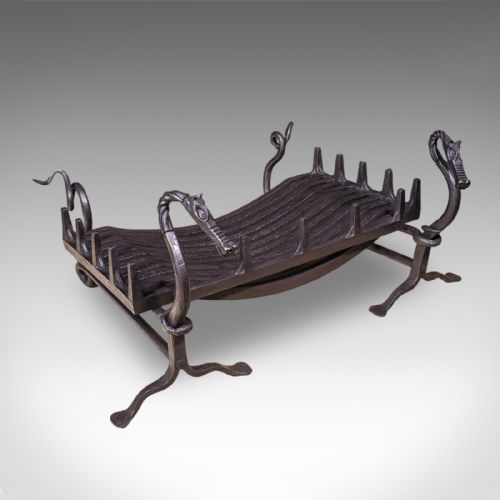
Detailing and decorative execution also separate the grades of work, with refined chasing, distinct dragon motifs, and harmonious proportions marking out the finer pairs.
Listings feature periods spanning from the sixteenth century through the Edwardian era, with Victorian items forming the largest group.
The Traditional Hearth Andirons Glossary
- Andirons
- Supports used to hold logs in an open fireplace, consisting of a horizontal bar on legs with an upright pillar at the front. They are frequently paired with fire baskets.
- Fire dogs
- An alternative term for andirons, often used interchangeably in historical listings. They serve the identical structural role on the hearth.
- Fire grate
- A metal basket or framework holding coal or wood within the fireplace. Grates often rest directly upon or incorporate andirons.
- Mulling andiron
- A specialised variant associated with warming drinks by the hearth fire. It includes specific attachments for heating vessels.
- Inglenook
- A large recessed fireplace space designed to accommodate seating within the chimney corner. Heavy andirons commonly anchor the hearth in these substantial openings.
Traditional Hearth Andirons: Frequently Asked Questions
What is the main purpose of traditional hearth andirons?
Andirons elevate logs off the hearth floor to improve oxygen flow beneath the burning wood. This airflow ensures a cleaner and more efficient burn.
They also provide a solid physical barrier that keeps rolling logs contained safely within the fireplace opening.
How do I know if a pair is Victorian?
Victorian pieces often display heavier solid brass construction with decorative cast motifs or ornate Gothic and Arts and Crafts styling. Examining the manufacturing marks, metal texture, and stylistic revival cues helps indicate the period.
Many listings specify nineteenth century dates alongside associated companion tools like shovels and pokers.
Can these andirons support a coal fire?
While traditional hearth andirons are primarily designed to hold wood logs, some setups incorporate fire baskets or grates intended for coal. The heavier iron and steel versions handle sustained high temperatures effectively.
Check whether your specific pair is paired with an integrated fire basket or designed strictly for log burning.
How do iron and brass andirons differ in care?
Solid brass andirons require occasional polishing to maintain their bright finish and prevent tarnishing. Wrought and cast iron pieces need protection from dampness to prevent rust accumulation.
Both metals benefit from gentle cleaning with dry or lightly oiled cloths depending on the desired surface patina.