


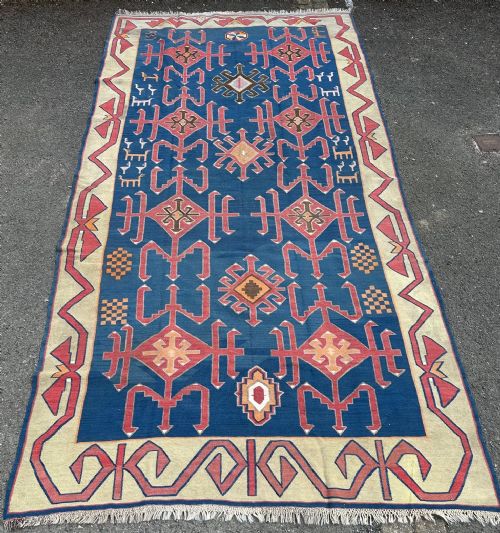


Traditional Flatwoven Carpet
Traditional flatwoven carpet covers historical rugs and textiles crafted without a pile, hailing from tribal and regional weaving centres.
Traditional Flatwoven Carpet
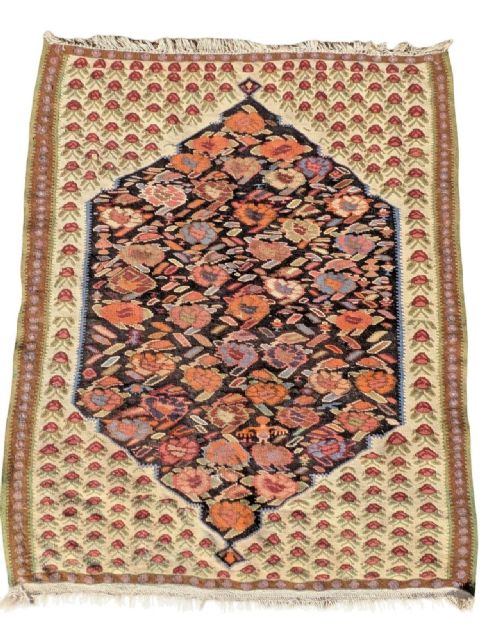
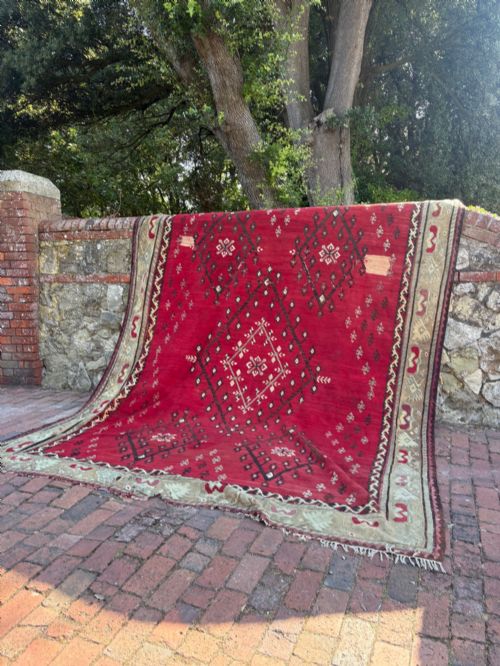
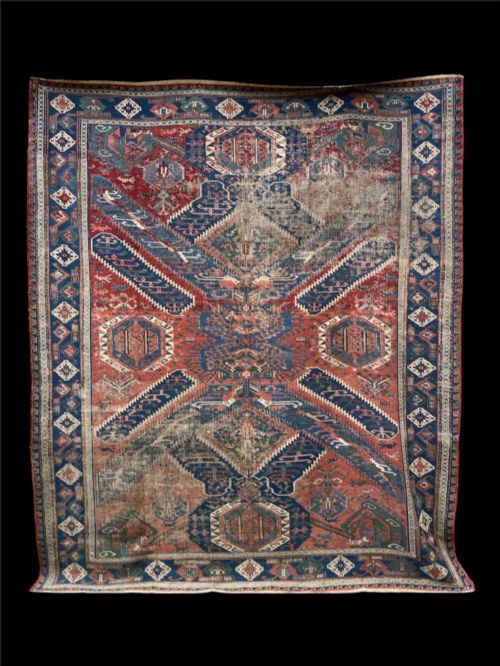
A traditional flatwoven carpet comprises un-knotted textiles created across the Caucasus, Anatolia, Persia, Central Asia, and Eastern Europe. These items serve as floor coverings, wall hangings, and room dividers, produced by various regional tribes and makers.
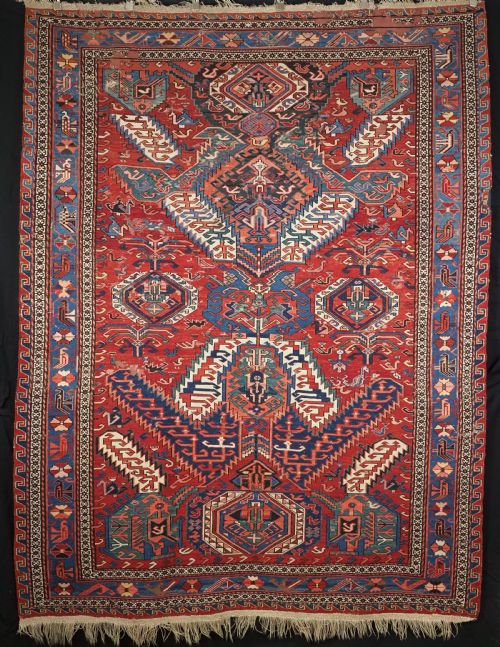
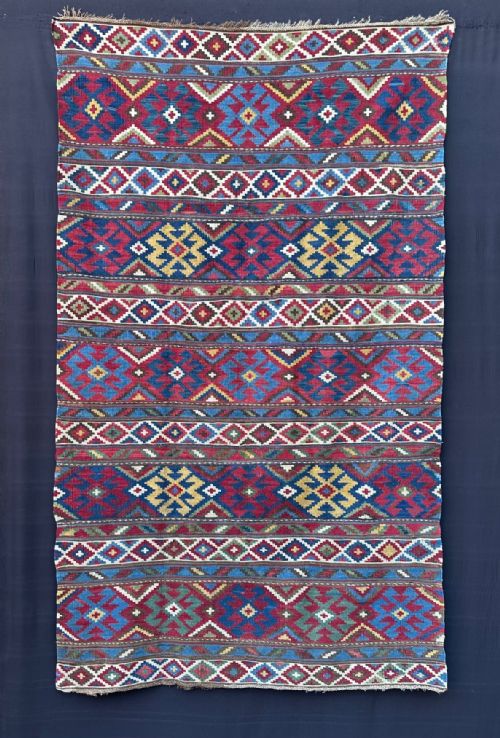
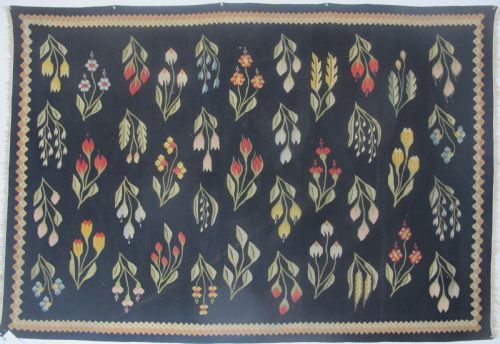
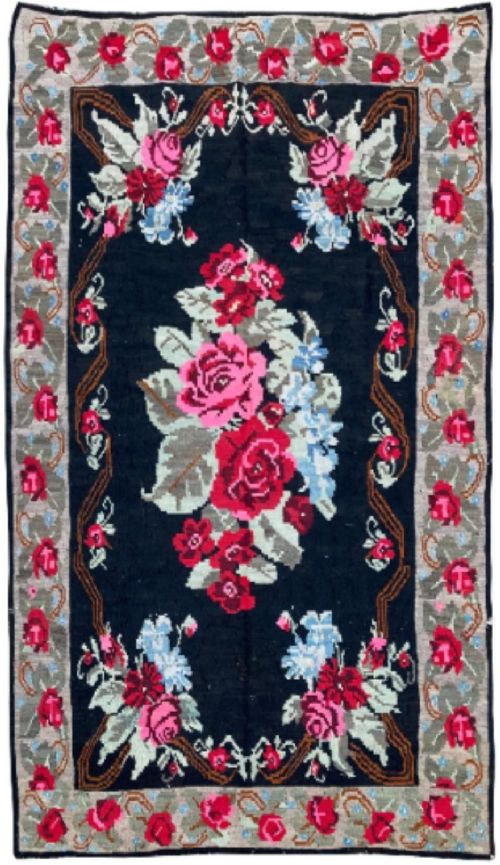
Originating from specific areas such as Shirvan, Daghestan, Ushak, and Bessarabia, these floor coverings display distinct local motifs. Tribal and regional workshops utilise characteristic geometric layouts, floral tapestry designs, and banded compositions.
How traditional flatwoven carpet items were made
Weavers construct these textiles predominantly using hand-spun wool and cotton foundations, often employing slit-tapestry techniques or supplementary weft-wrapping methods like soumak. Natural dyes provide the underlying palette, yielding soft faded reds and varied regional hues.
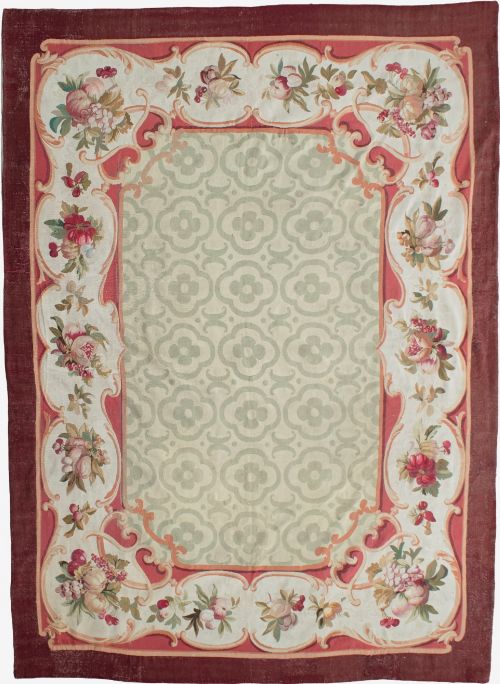
Certain European and Kashmiri examples utilise wool or silk embroidery on canvas or linen grounds, seen in needlepoint, crewelwork, and chain-stitch formats. Multi-strip construction appears in specific Central Asian pieces, where narrow widths are joined to form larger carpets.
Available formats include narrow runners, room-size carpets, and multi-strip tribal kilims.
What varies in quality
Quality rests upon the tightness of the weave, the precision of the geometric or floral layout, and the integrity of the natural dyes. Finely executed structures with scarce designs distinguish superior weaving from standard production.
Condition plays a part, as timeworn repairs and structural wear alter the preservation state of older nineteenth and twentieth-century examples. The complexity of regional motifs and the handling of multi-strip assembly reflect the weaver's proficiency.
The Traditional Flatwoven Carpet Glossary
- Kilim
- An un-knotted flatwoven carpet or rug produced across Anatolia, the Caucasus, and Central Asia. These textiles rely on tightly packed weft threads concealing the warp.
- Soumak
- A flatweaving technique involving wrap-threads that pass over and under the warp before looping backward, creating a textured surface. Pieces utilising this method often display distinct diagonal ridging.
- Warp
- The longitudinal threads held under tension on a loom before weaving begins. These foundational threads support the entire structure of the textile.
- Weft
- The transverse threads passed across the warp to build the pattern and body of the carpet. In flatweaves, these threads form the visible design without a raised pile.
- Natural Dyes
- Colourants derived from plant, insect, and mineral sources prior to the widespread adoption of synthetics. They age with subtle variations in tone.
Traditional Flatwoven Carpet: Frequently Asked Questions
What is a traditional flatwoven carpet?
A traditional flatwoven carpet is a textile made without a pile by interlocking warp and weft threads on a loom. This category includes kilims, soumaks, and tapestry rugs from various tribal and regional traditions.
These pieces function primarily as floor coverings or decorative wall hangings. They reflect the specific cultural motifs and weaving techniques of their region of origin.
How do flatwoven rugs differ from piled carpets?
Flatwoven rugs lack the vertical pile formed by knotted tufts found in traditional piled carpets. Instead, the design is created directly through the interlacing of the flat foundation threads.
Because they have no pile, these textiles are typically lighter and thinner. This makes them versatile for placement in various domestic spaces.
How do I care for a flatwoven carpet?
Care involves gentle vacuuming without a beater bar and professional cleaning suited to natural fibres and dyes. Rotating the textile periodically ensures even exposure to light and foot traffic.
Placing an appropriate underlay beneath the carpet prevents slipping and reduces friction against hard flooring. This maintenance helps preserve the structural integrity of the flat weave.
Where were these carpets made?
These carpets originate from weaving traditions across the Caucasus, Anatolia, Persia, Central Asia, and Eastern Europe. Specific regions like Shirvan, Daghestan, and Bessarabia developed distinct local styles.
Nomadic tribes and settled village workshops each contributed unique geometric patterns and colour palettes. Geographic origins heavily influence the structural style and decorative motifs of each piece.