



Oriental Flatweave Carpet
When choosing an oriental flatweave carpet, you select a woven textile that brings geometric pattern and history into a room.
Oriental Flatweave Carpet
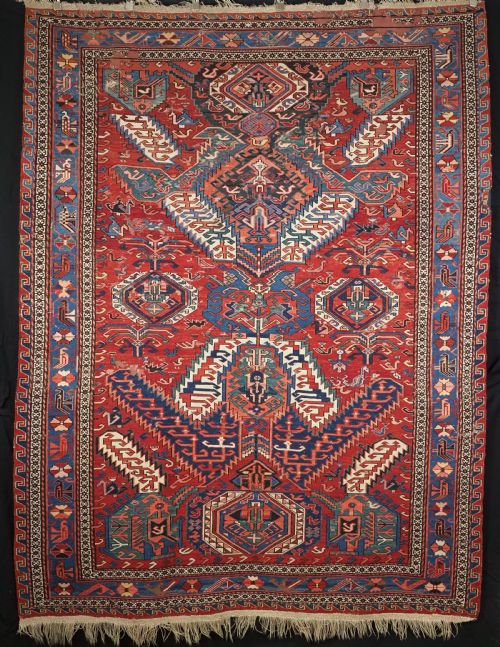
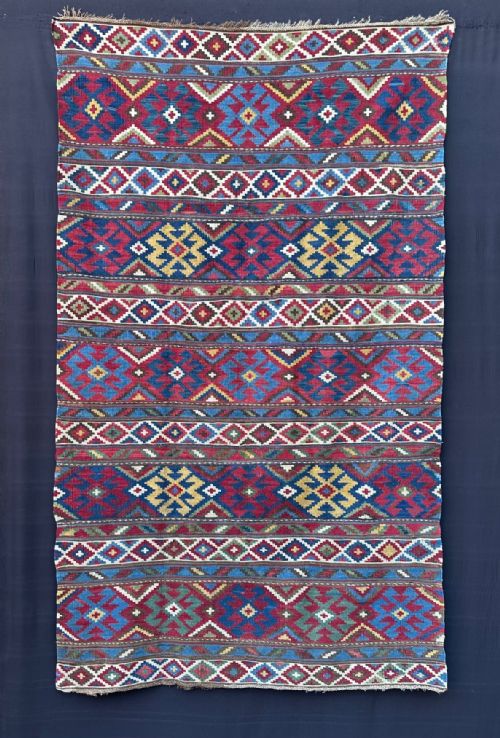
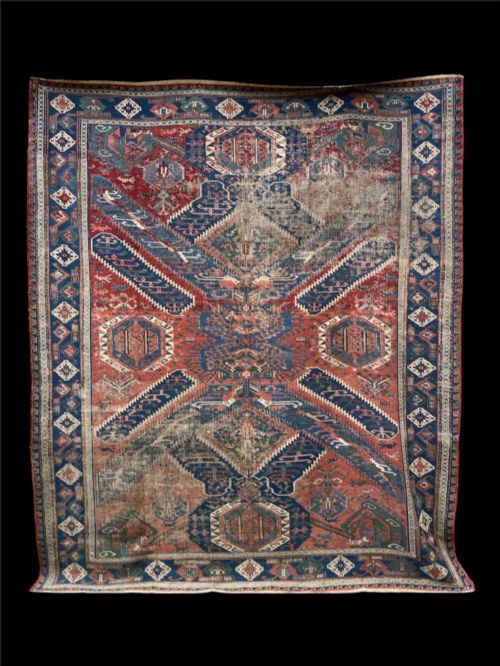
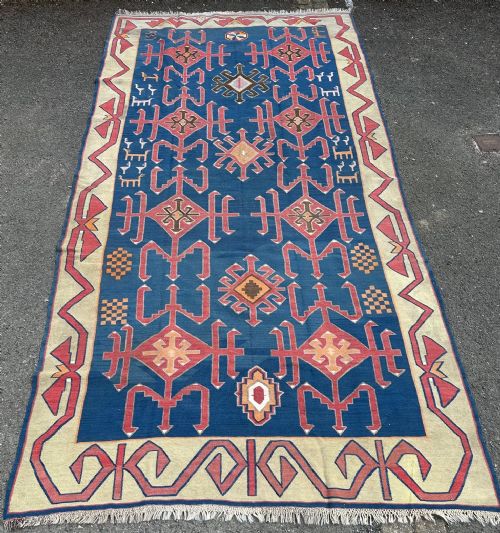
An oriental flatweave carpet encompasses a wide range of tribal and regional floor coverings, from Caucasian Soumaks and Shirvan kilims to Persian Bidjar and Turkish Ushak pieces. These textiles lack a pile, relying instead on interlocking weft threads to create flat, patterned surfaces.
Buyers browsing this selection will encounter various formats, including runner rugs, room-size carpets, prayer rugs, and smaller panels derived from tent bands or storage bags. The pieces span the nineteenth and early twentieth centuries, reflecting the distinct weaving traditions of Caucasus, Anatolia, Persia, and Central Asia.
Regional styles dictate the visual language, such as the bold medallions of Caucasian Soumaks or the banded designs of Afghan Baluch flatweaves. Each region utilises specific geometric motifs and layouts passed down through generations of weavers.
How they were made
Weavers constructed these carpets predominantly using wool and cotton foundations, often incorporating hand-spun wool and occasionally camel wool for warmth and durability. Natural dyes and vegetable dyes provided the rich, varied palette seen across the pieces, yielding soft, faded reds and deep earthy tones.
The creation process involved techniques such as slit-tapestry weaving, Soumak wrapping, and mixed techniques that combined flat-weave structures with supplementary weft work. Some larger carpets and kilims were woven in multiple narrow strips and joined together to achieve room-sized dimensions.
Oriental Flatweave Carpet Retail Price Guide 2026
Typical asking prices for oriental flatweave carpet among the pieces listed under this phrase on Sellingantiques today, from the lower quarter to the upper quarter. They describe what is for sale here now, not the wider market.
Listings feature flatweaves spanning the nineteenth and early twentieth centuries, incorporating materials like hand-spun wool and camel wool.
What varies in quality
Quality in these flatweaves rests on the tightness of the weave, the precision of the geometric layout, and the complexity of the technique employed, such as a particularly fine Soumak wrap. The clarity and preservation of the natural dye colours also distinguish superior examples.
The structural integrity of the textile, including the survival of original flatweave ends and side cords, plays a major role in its standing. Pieces retaining their complete format or uncommon pictorial elements demonstrate greater weaving mastery.
The Oriental Flatweave Carpet Glossary
- Kilim
- A flat-woven carpet or rug produced by tightly interweaving the warp and weft strands to create a smooth surface without pile. These textiles are traditionally used for floor coverings, wall hangings, and horse covers.
- Soumak
- A flat-weave technique where decorative weft threads are wrapped around the warp threads in a brocade-like manner, resulting in a ridged texture and increased durability. This method often permits intricate geometric and dragon designs.
- Chuval
- A large tent bag produced by Turkmen tribes, used traditionally for household storage. Many surviving examples are collected as fragments or small rugs after being separated from their original backs.
- Mafrash
- A rectangular storage chest panel woven by Shahsavan and other tribes, often later disassembled and repurposed into small flatweaves or cushions. These panels display characteristic piled or flat-woven geometric patterns.
- Warp
- The vertical threads stretched lengthwise on a loom before weaving begins. The weft threads are passed through these warp foundations to form the body of the carpet.
Oriental Flatweave Carpet: Frequently Asked Questions
What is an oriental flatweave carpet?
An oriental flatweave carpet is a pileless textile woven by tribal and village communities across regions like the Caucasus, Anatolia, and Persia.
Unlike knotted pile carpets, these textiles rely on interlocking weft techniques to form geometric patterns and flat surfaces.
How were these flatweaves used originally?
Nomadic and settled tribes utilised these textiles as floor coverings, blankets, prayer mats, and storage containers inside tents and homes.
Many larger formats served as functional carpets, while smaller pieces like chuvals and mafrashes functioned as utility bags for transporting belongings.
How do I live with an antique flatweave?
Antique flatweaves function well on floors when paired with a suitable underlay to prevent slipping and reduce wear from foot traffic.
They also suit walls as decorative textiles, where reduced physical friction helps preserve older wool and vegetable dye colours.
How do I tell different regional styles apart?
Regional attribution relies on identifying specific structural techniques, such as Caucasian Soumak wrapping or Baluch banded weftwork, alongside characteristic colour palettes.
Motifs also offer clues, with dragon designs pointing to the Caucasus and specific medallion layouts indicating Persian or Anatolian origins.