
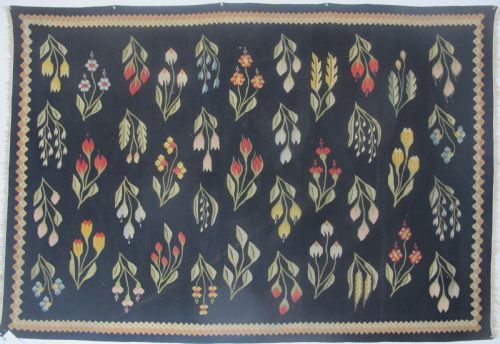
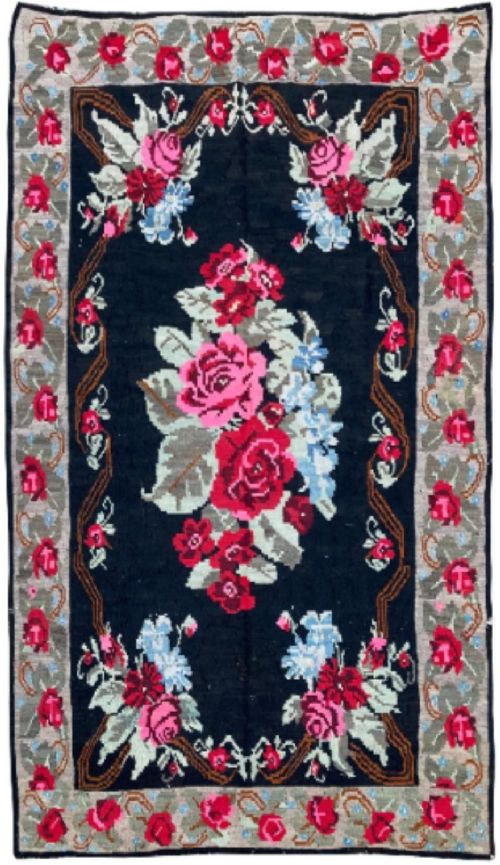
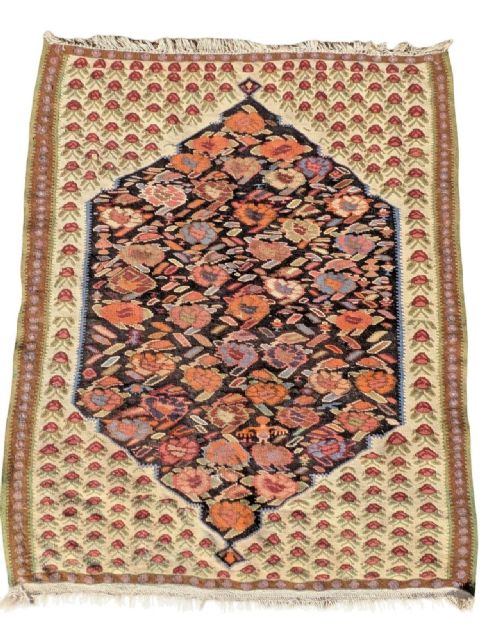
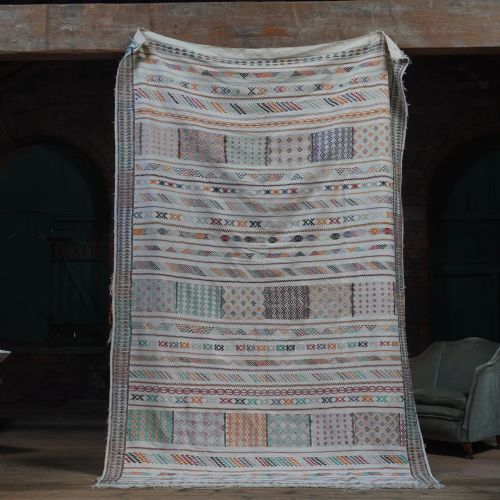

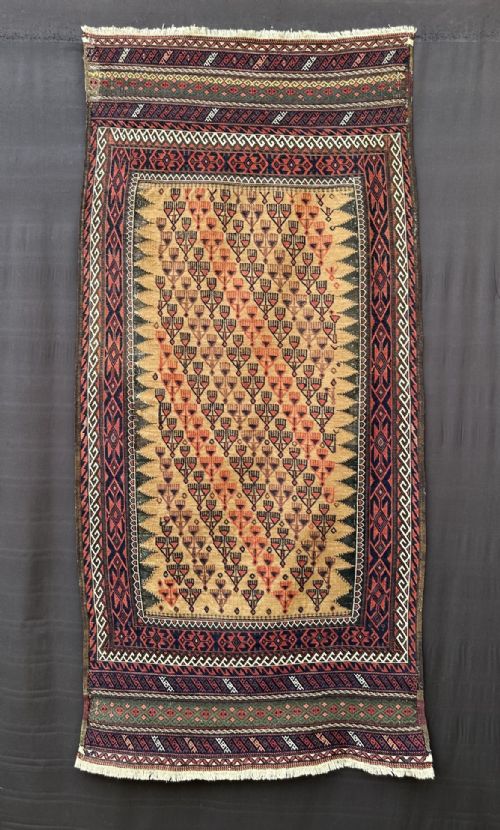
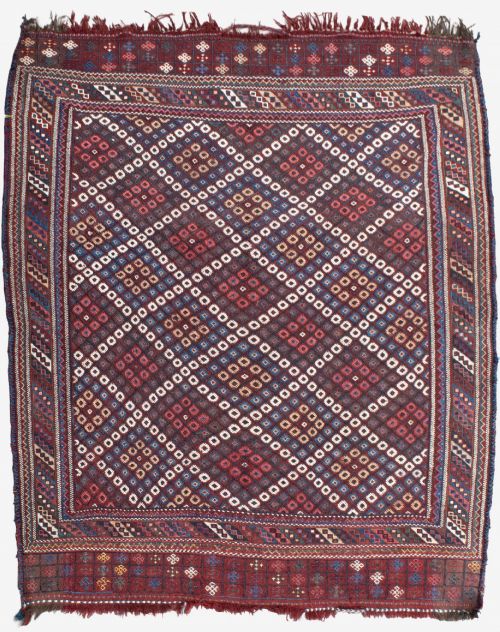
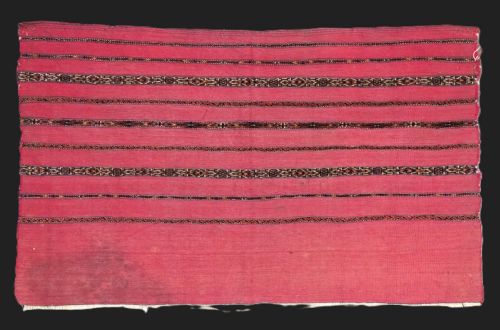


Handwoven Flatweave Rug
When you search for a handwoven flatweave rug, you enter a world of tribal textiles made without pile by nomadic and village weavers across Persia, the Caucasus, and Anatolia.
Handwoven Flatweave Rug
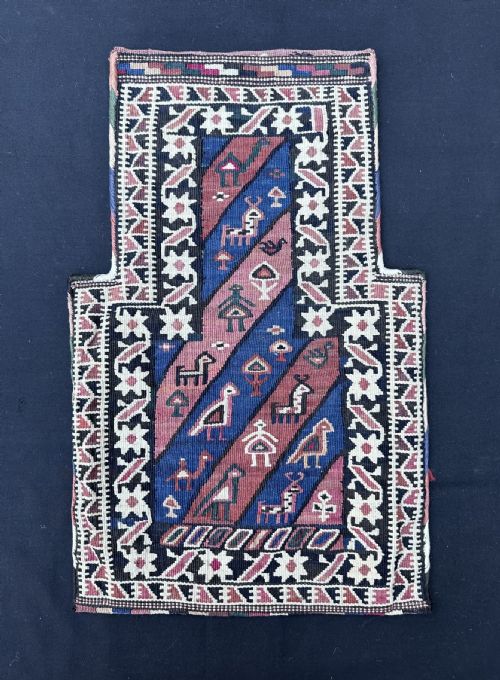
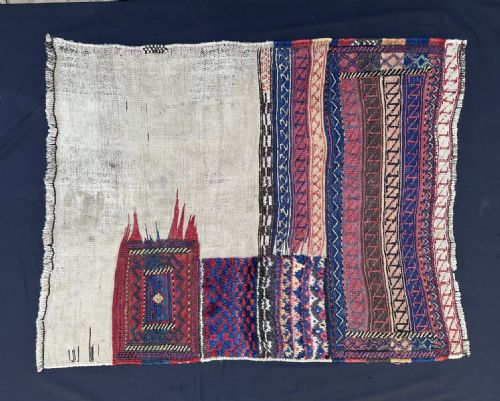
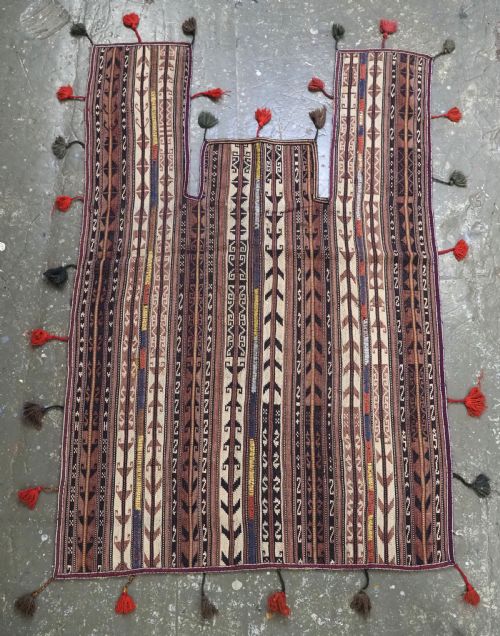
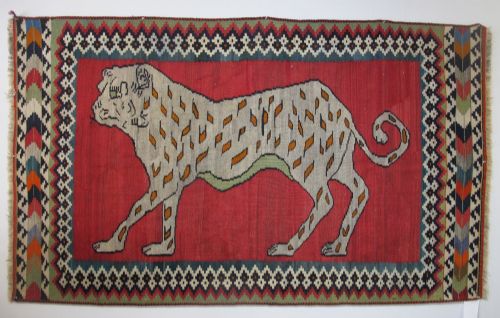
A handwoven flatweave rug consists of pieces produced by nomadic and village groups, including Persian tribal weavers, Anatolian workshops, and Caucasian communities. These textiles span utility items like bread sofrehs, salt-bags, and horse blankets alongside larger floor coverings.
The selections available range from nineteenth-century examples to twentieth-century village pieces. Buyers frequently encounter regional kilims from regions such as Shirvan, Qashqai, and Bidjar, created as functional household furnishings rather than decorative items for European parlours.
Materials and construction
Weavers relied primarily on hand-spun wool and cotton, sometimes incorporating camel wool or silk variants like sabra fibre alongside cowrie shells for adornment. Natural dyes provided the palette, creating soft colour variations across the warp and weft threads.
Production utilised tapestry weaving and slit-tapestry techniques, where the weft threads are beaten down tightly to conceal the warp entirely. This method created durable textiles without a pile, suitable for utilitarian storage bags, horse covers, and floor rugs alike.
Handwoven Flatweave Rug Retail Price Guide 2026
Typical asking prices for handwoven flatweave rug among the pieces listed under this phrase on Sellingantiques today, from the lower quarter to the upper quarter. They describe what is for sale here now, not the wider market.
Some nomadic salt-bags still retain tiny cowrie shells stitched tightly into the weave to ward off the evil eye.
Elements of quality
Quality rests upon the fineness of the weave and the precision of the geometric or floral design executed by the maker. Tighter tension in the flatweave structure and well-preserved natural dyes elevate certain tribal pieces above standard village productions.
Condition and completeness also govern the standing of a textile, particularly for utilitarian forms like salt-bags, sofrehs, and horse blankets that sustained heavy daily use. Original edge finishes and intact side cords indicate superior preservation.
The Handwoven Flatweave Rug Glossary
- Kilim
- A flat-woven carpet or rug made without pile, produced across Anatolia, Persia, and the Caucasus. These textiles utilise tapestry weaving techniques.
- Sofreh
- A spread or cloth used for dining, bread making, or food preparation by nomadic tribes. They often feature strong geometric banding.
- Tapestry
- A technique of weaving where coloured weft threads are passed back and forth over the warp only where the colour pattern requires. This builds up the design without extra supplementary threads.
- Warp
- The vertical threads stretched on a loom before weaving begins. The weft threads are passed across them to form the cloth.
Handwoven Flatweave Rug: Frequently Asked Questions
How were flatweave rugs used?
Nomadic and village communities utilised these flatweaves for multiple daily purposes rather than strictly as floor coverings. Many examples functioned as dining spreads, grain bags, horse blankets, or storage pouches.
Over time, these utilitarian textiles transitioned into decorative interior furnishings. Their durable flat structure made them practical for heavy domestic transit.
How do I identify Caucasian kilims?
Caucasian flatweaves typically feature bold, sharp geometric motifs and striking colour contrasts. Weavers from regions like Shirvan and Daghestan favoured crisp, angular designs.
These pieces often incorporate narrow bands and rectilinear medallions. The palette tends to rely on saturated natural tones applied to fine wool foundations.
Are flatweave rugs durable for floors?
Flatweave rugs lack pile, making them exceptionally resilient against foot traffic and furniture placement. Their tightly beaten tapestry structure distributes wear evenly across the surface.
Placing an appropriate underlay beneath the textile prevents slipping and cushions the weave. Regular rotation helps maintain even exposure over the years.