
Traditional Fire Dogs
Traditional fire dogs support logs in an open hearth, bringing functional metalwork and period character to a fireplace.
Traditional Fire Dogs
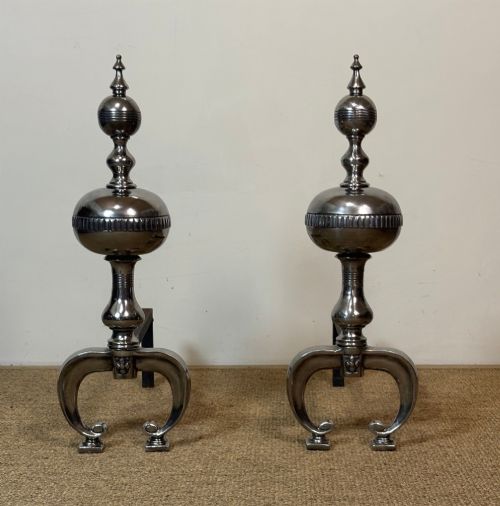
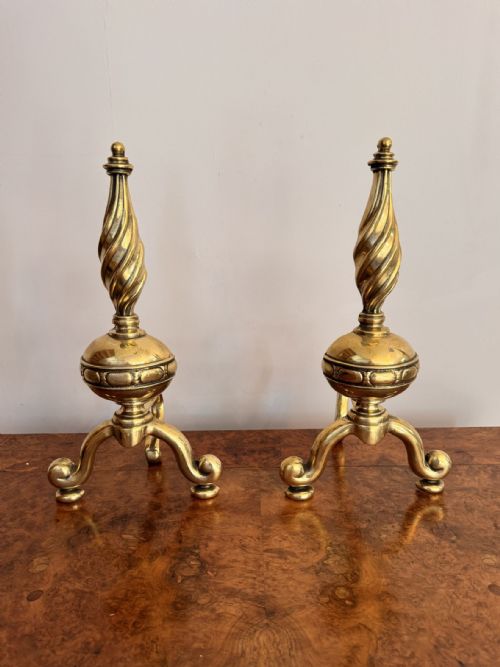
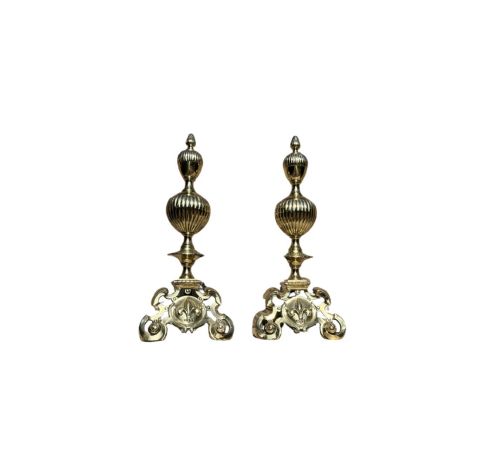
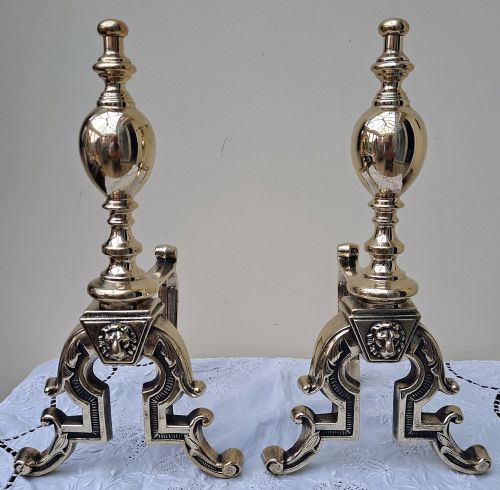
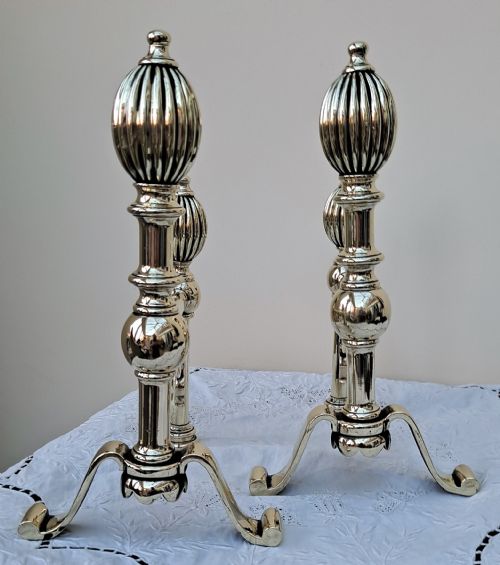
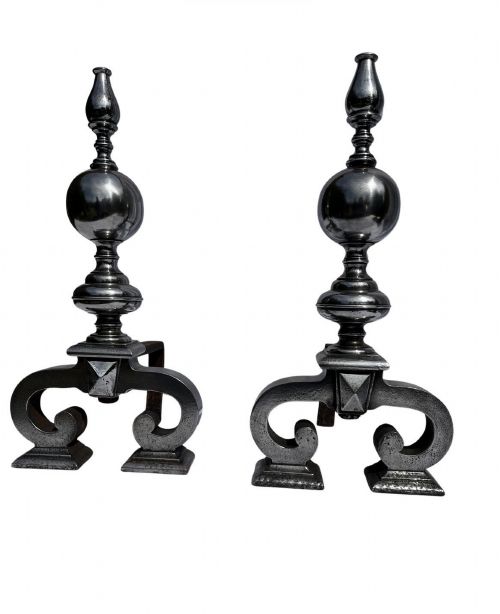
Traditional fire dogs, also known as andirons, form the structural supports placed within an open hearth to hold logs above the base of the fireplace. The selection spans the sixteenth century through the Victorian and Edwardian eras, with nineteenth-century examples appearing most frequently.
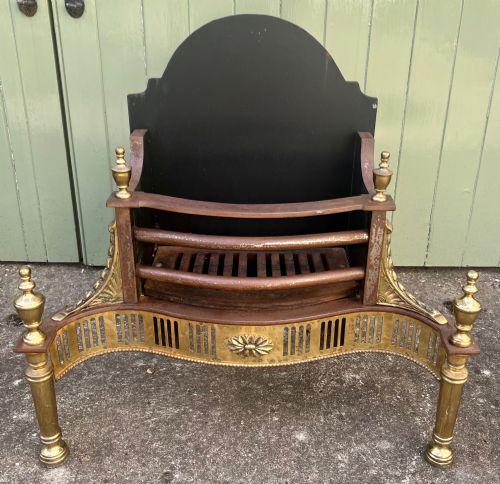
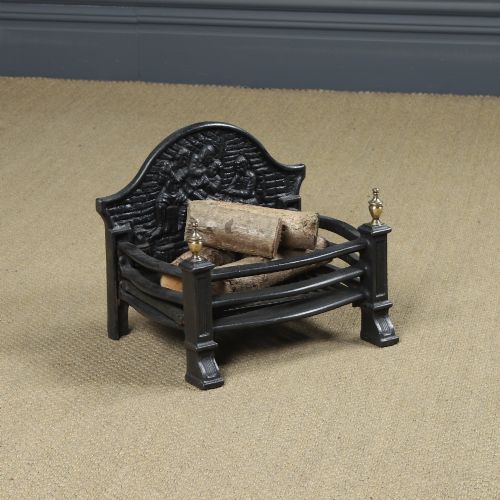
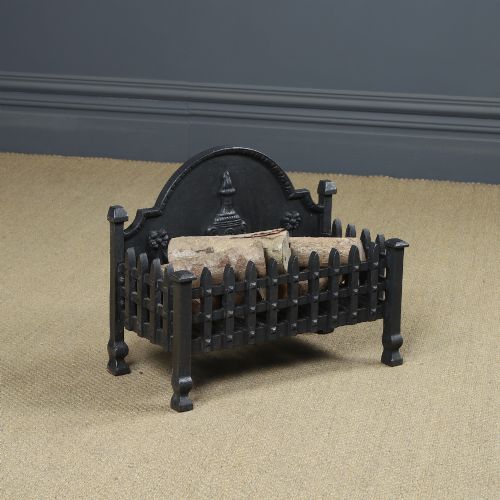
These hearth accessories range from simple utility pairs in iron to decorative sets paired with fire baskets, grates, and companion tool rests. Regional and stylistic influences stretch from French provincial designs to English Gothic Revival and Georgian forms.
Materials and construction
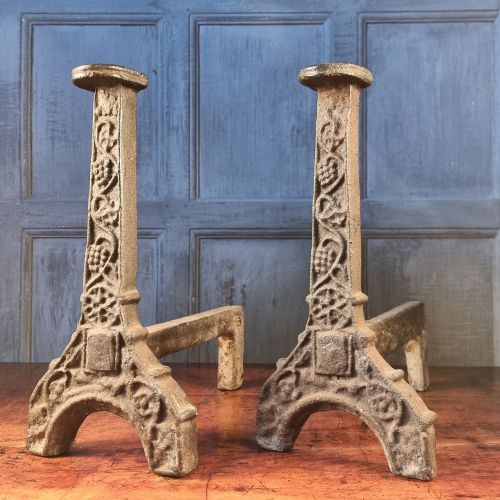
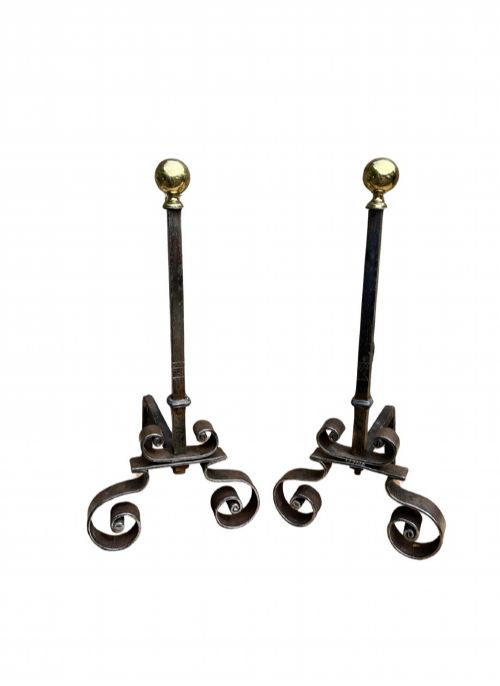
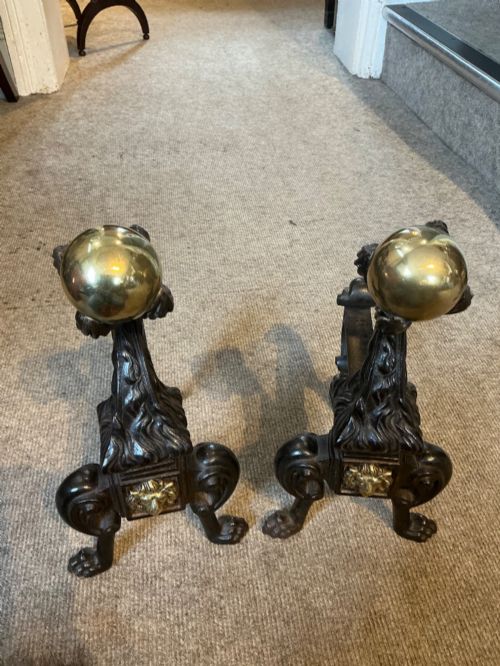
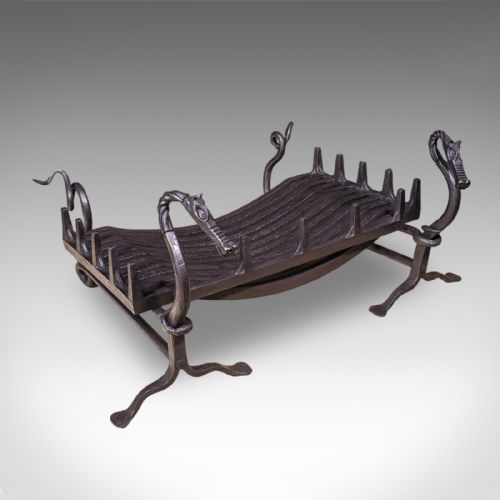
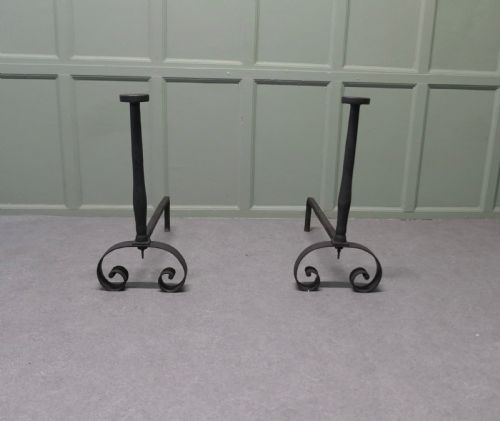
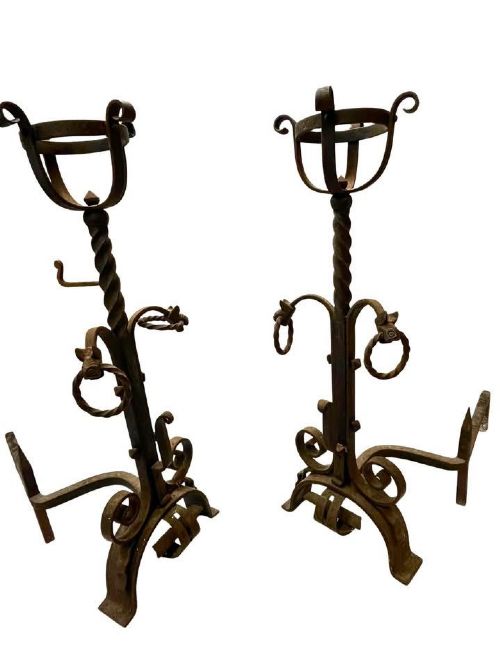
Blacksmiths and founders shaped these hearth pieces using brass, cast iron, wrought iron, and steel, sometimes applying gilt finishes for decorative effect. Hand-forged wrought iron displays visible hammering marks, whereas cast pieces rely on detailed mould work for motifs like dragons or classical scrolls.
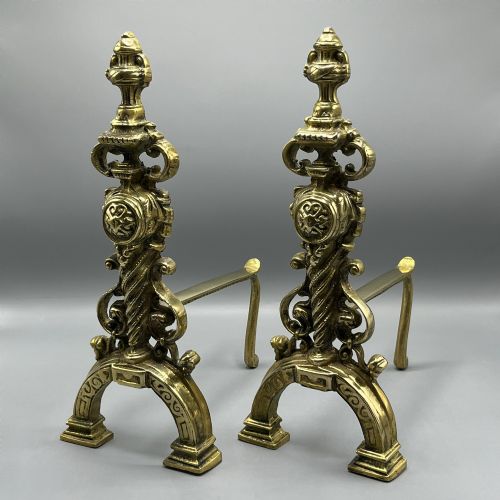
Makers combined robust iron bars for the horizontal billet bars that bear the weight of burning wood with decorative vertical fronts cast or forged in brass, bronze, or steel.
Certain Victorian hearth sets incorporate dragon motifs, ensuring mythological beasts stare out from beneath the mantelpiece while holding up the firewood.
Judging quality
Substantial weight and metal thickness separate robust hearth furniture from lighter decorative reproductions, as genuine pieces needed heft to support heavy logs. The crispness of the casting or the precision of the hand-forging defines the decorative ambition of the work.
Proportion and balance determine visual success, with superior pairs maintaining symmetry and integrated design across both the upright standards and the horizontal supporting bars.
The Traditional Fire Dogs Glossary
- Andiron
- An alternative term for traditional fire dogs used to support burning logs in an open hearth. They usually comprise an upright front standard and a horizontal bar stretching backward.
- Billet bar
- The horizontal iron bar extending backward from the upright front of the fire dog to support the logs. This structural component takes the direct heat and weight of the fire.
- Fire basket
- A metal grate designed to hold coal or wood within a fireplace, often used alongside separate andirons. It combines the functions of a basket grate with raised hearth supports.
- Gothic Revival
- A nineteenth-century design style drawing on medieval architectural motifs such as pointed arches and quatrefoils. This aesthetic appears frequently on Victorian cast iron and brass fire dogs.
- Wrought iron
- Iron that has been heated and hammered by hand into shape rather than poured into a mould. Wrought-iron fire dogs show the distinctive surface texture left by the blacksmith's tools.
Traditional Fire Dogs: Frequently Asked Questions
How do I use traditional fire dogs?
Place the pair of fire dogs inside the open hearth with the horizontal bars pointing toward the back wall. Lay logs across these horizontal bars so air can circulate underneath the wood for a better burn.
The upright decorative fronts remain visible at the front of the fireplace, protecting the hearth opening while framing the fire.
Can I use antique fire dogs with a modern fire?
Many solid iron and brass fire dogs remain entirely functional for burning wood in open brick or stone fireplaces. Ensure the metal is clean and structurally sound before lighting any hearth fire.
Lighter decorative pairs or heavily gilt pieces suit decorative display or use with gas-log installations rather than intense solid fuel fires.
How do I tell Victorian fire dogs from earlier periods?
Victorian fire dogs often make extensive use of polished brass and feature ornate cast detailing influenced by Gothic Revival or Renaissance styles. Earlier sixteenth-century or seventeenth-century examples tend to employ heavier forged iron with simpler, more functional silhouettes.
Examining the casting methods, surface wear, and fastening bolts helps distinguish nineteenth-century revival pieces from genuine older work.
What is the difference between fire dogs and fire baskets?
Fire dogs are a pair of separate metal supports designed purely to hold logs above the hearth floor. Fire baskets incorporate an integrated container or grate specifically built to hold coal or loose wood.
Sets often combine both elements, placing a fire basket between a matching pair of andirons for added stability and containment.