


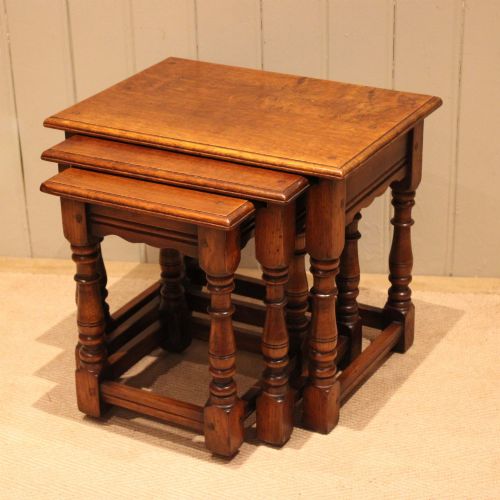

Traditional English Oak Table
A traditional english oak table brings honest timber and centuries of domestic use straight into a modern room.
Traditional English Oak Table
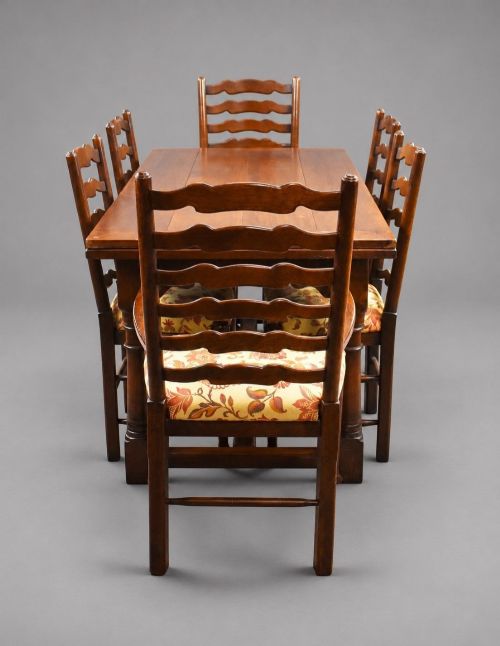
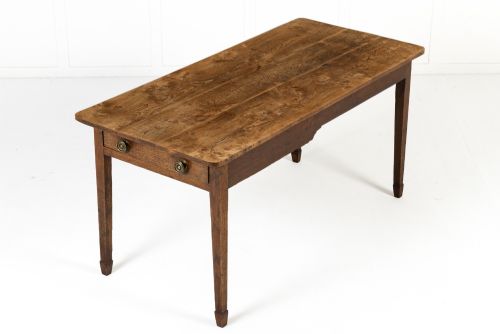
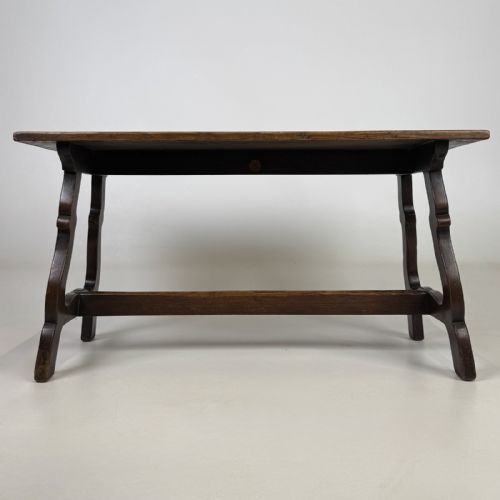
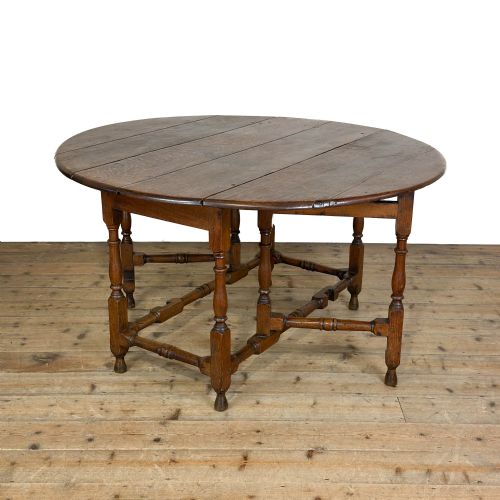
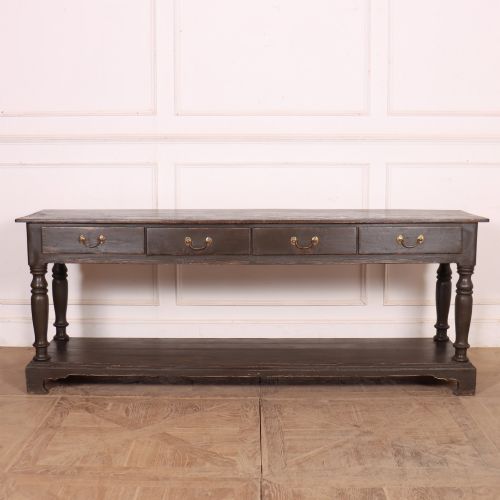
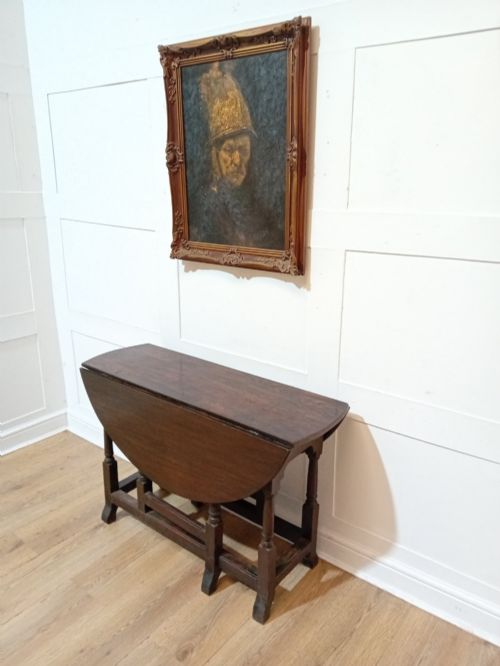
A traditional english oak table spans several centuries of domestic woodwork, ranging from seventeenth-century gateleg and refectory forms to eighteenth-century farmhouse pieces and twentieth-century revivals. Buyers searching for a traditional english oak table encounter everything from long dining boards to smaller side tables, coffee tables, and dresser bases intended for everyday utility.
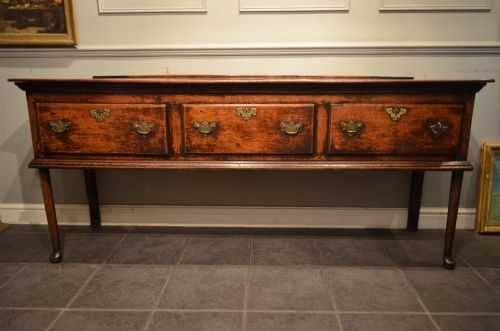
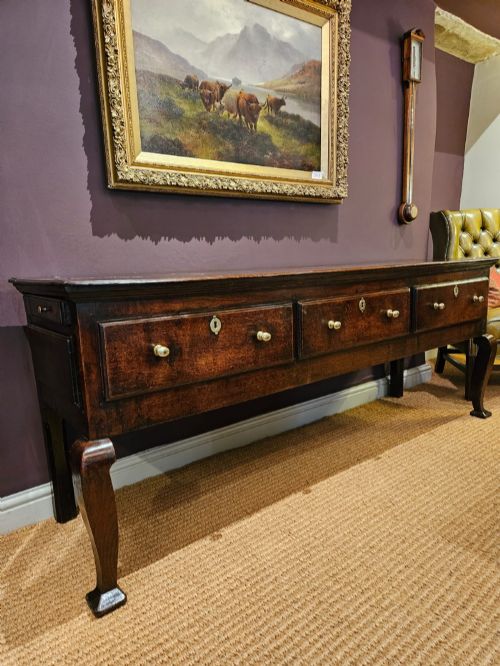
The selection includes early joined pieces alongside Georgian dresser bases and later rustic farmhouse designs. Workshops utilised solid timber, elm, and pitch pine, creating sturdy surfaces designed to withstand heavy daily labour and family meals.
Revival pieces from the nineteen-twenties and nineteen-thirties appear frequently alongside seventeenth and eighteenth-century examples. These later interpretations often adopt Jacobean or rustic country styles while retaining the heavy proportions and dark patination of earlier centuries.
Subtleties of construction and age
Quality rests in the integrity of the timber and the honesty of the construction, distinguishing seventeenth-century joined work from later revival interpretations. Original pegged joints and thick, untrimmed top planks command greater respect among collectors than later replacements.
The depth of the natural patina and the presence of period hardware dictate the visual success of a piece. Tables retaining their original surface finish without excessive modern intervention show the true grain and colour accumulated through generations of use.
Traditional English Oak Table Retail Price Guide 2026
Typical asking prices for traditional english oak table among the pieces listed under this phrase on Sellingantiques today, from the lower quarter to the upper quarter. They describe what is for sale here now, not the wider market.
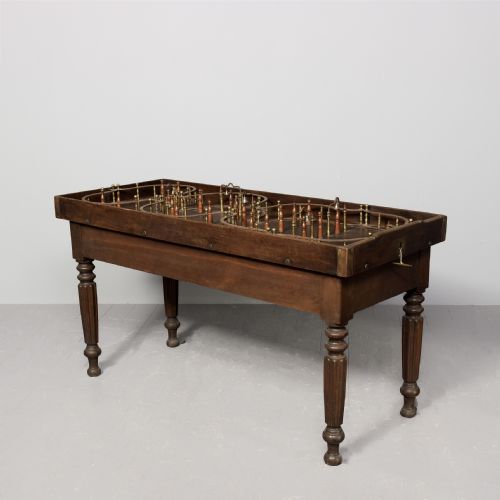
One unexpected survivor in the inventory is a freestanding nineteenth-century oak skittles game, ready for an indoor parlor tournament.
G.T. Rackstraw
The Traditional English Oak Table Glossary
- Gateleg table
- A drop-leaf table featuring hinged flaps supported by swing legs that pull out from the frame. This clever mechanism allows the table to expand for dining and contract against a wall when not in use.
- Refectory table
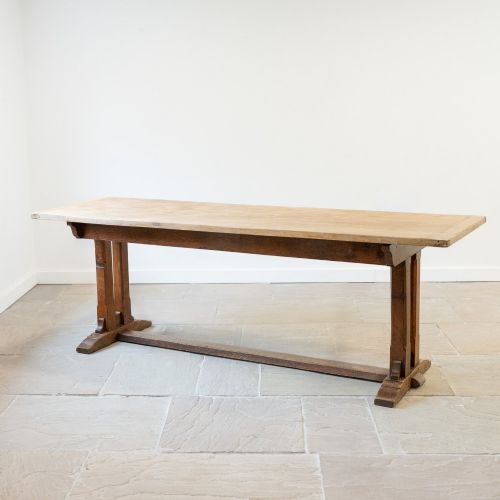
- A long, narrow dining table traditionally used in monastic refectories and large halls. They are characterised by substantial timber legs joined by low floor stretchers for maximum stability.
- Joint stool
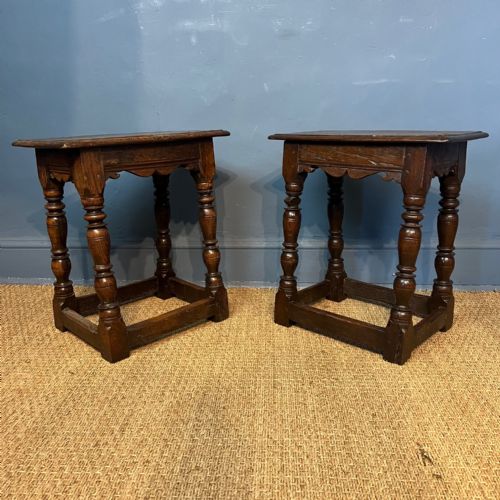
- A low wooden stool constructed with mortise and tenon joints rather than turned parts fastened by glue. These sturdy seats served various domestic functions before chairs became common.
- Potboard dresser
- A sideboard or dresser base featuring an open lower shelf traditionally used for storing pots and pans. This practical feature distinguishes many rural English kitchen pieces.
Traditional English Oak Table: Frequently Asked Questions
How do I spot a true seventeenth-century table?
Examine the construction methods beneath the top, looking for hand-cut peg joints, substantial tool marks, and dense oak timber that shows deep oxidisation. True seventeenth-century pieces display genuine wear patterns around the feet and stretchers from centuries of contact with stone floors.
Check for the absence of modern machine-sawn marks and inspect the underside for signs of historic alterations or timber replacement. Earlier work relies on pegged joinery and heavy framework rather than metal screws or modern adhesives.
What is the difference between a refectory and a farmhouse table?
Refectory tables typically feature long, narrow proportions with strong stretcher bases designed for communal dining halls. Farmhouse tables often display wider plank tops and simpler rustic frames intended for everyday domestic labour.
Both forms utilise solid oak or elm, but farmhouse examples frequently show more diverse secondary timbers and utilitarian modifications. The choice depends on whether you prefer the architectural formality of a refectory base or the relaxed utility of a country kitchen table.
How should I care for an antique oak surface?
Maintain the finish by applying natural beeswax sparingly and buffing it with a soft cloth to nourish the dry timber. Avoid placing these tables near direct heat sources or strong sunlight, which can cause the old oak boards to split or warp.
Use coasters and mats to protect the patinated surface from moisture and heat marks. Gentle cleaning with a dry or barely damp cloth preserves the historic wax finish without stripping away the character.
Are nineteen-thirties revival tables considered authentic antiques?
Tables produced during the interwar period belong to the Jacobean revival movement, replicating seventeenth-century styles using traditional oak timber. While they lack the age of seventeenth-century originals, they represent a distinct period of quality British cabinet making.
These revival pieces offer solid construction and classic aesthetics for modern homes at a different level of historical depth. They provide durable everyday surfaces while honouring historical English woodworking traditions.