

Traditional English Kitchen Chairs
Traditional English kitchen chairs are sturdy utilitarian seating forms built for daily domestic life, offering robust wooden construction and comfortable vernacular charm for modern interiors.
Traditional English Kitchen Chairs
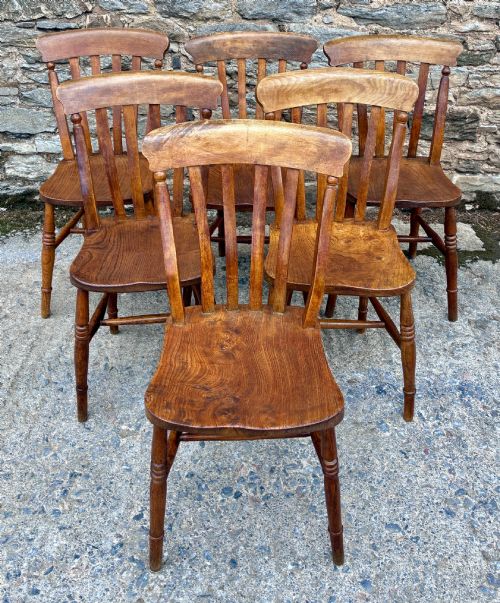
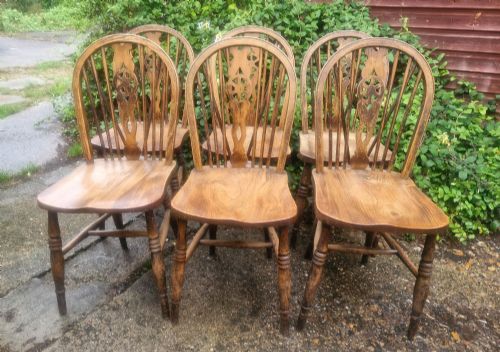
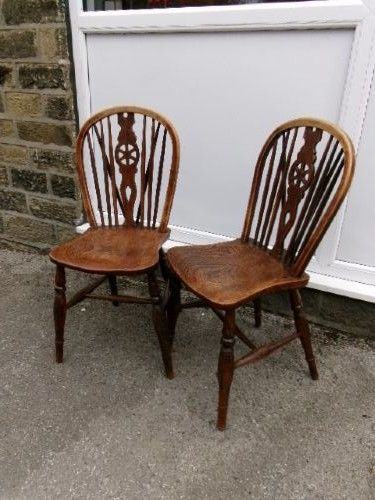
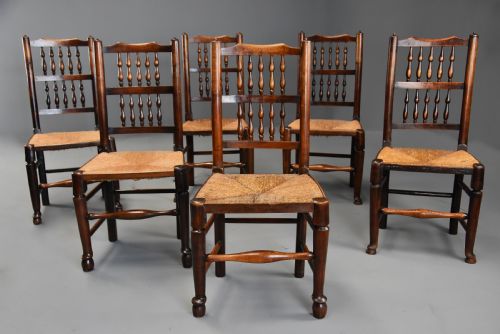
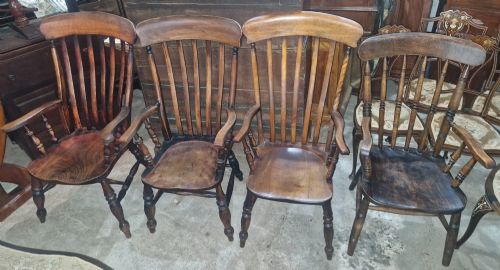
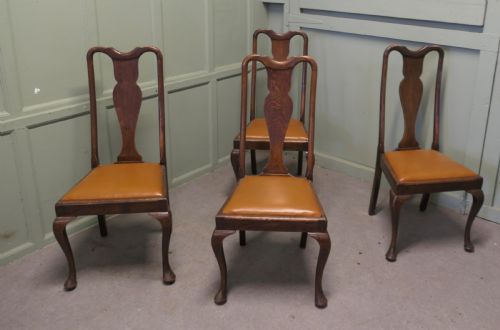
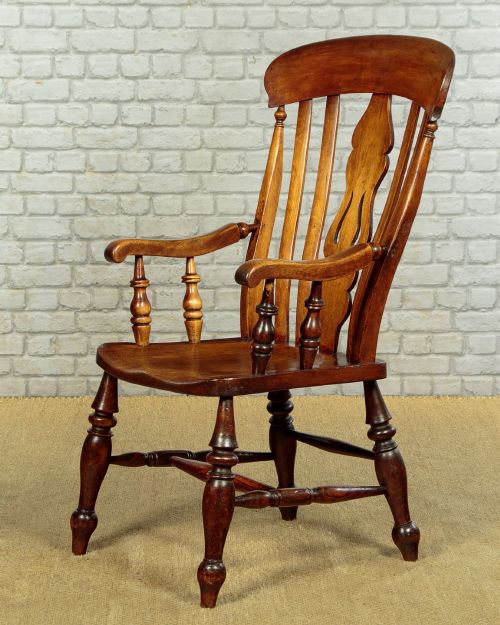
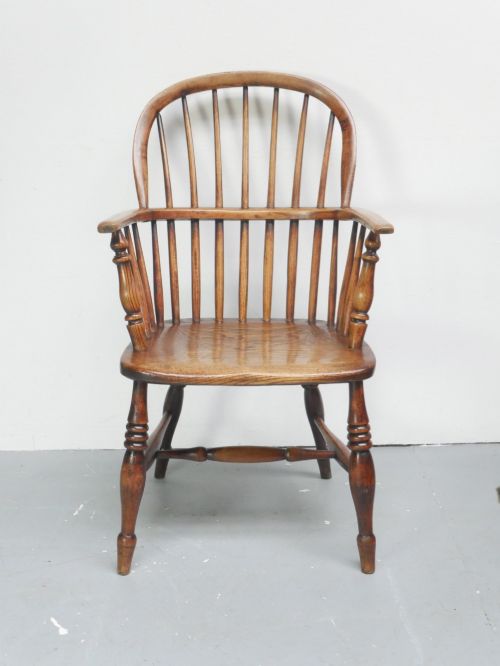
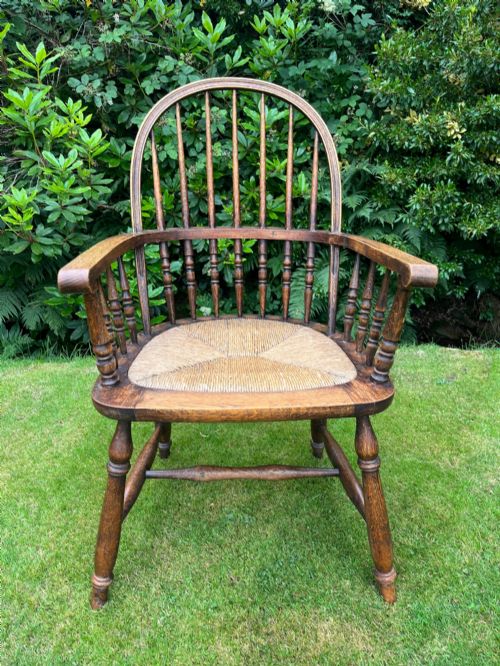
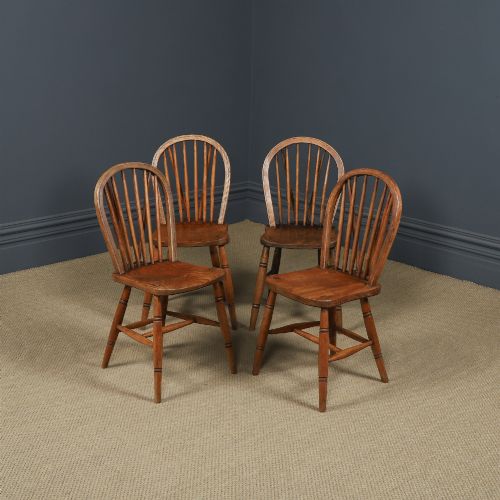
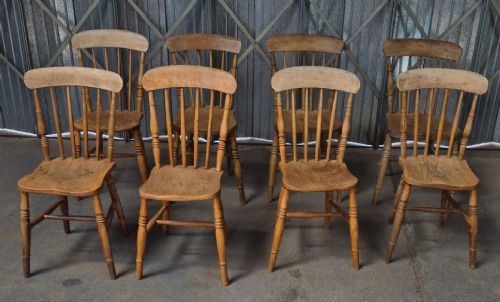
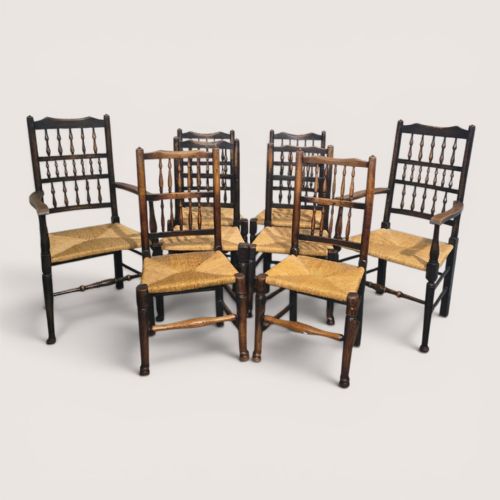
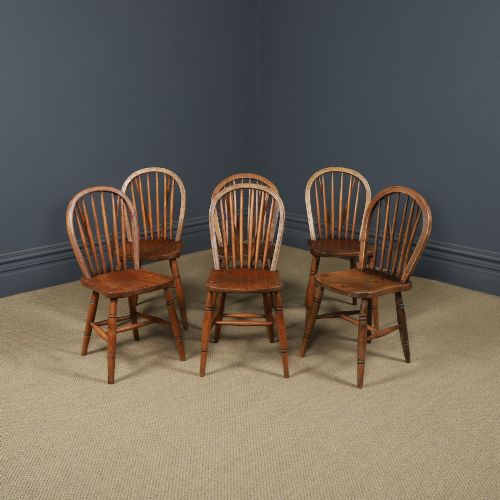
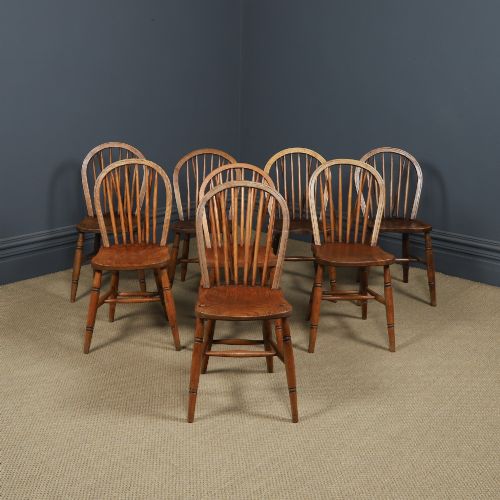
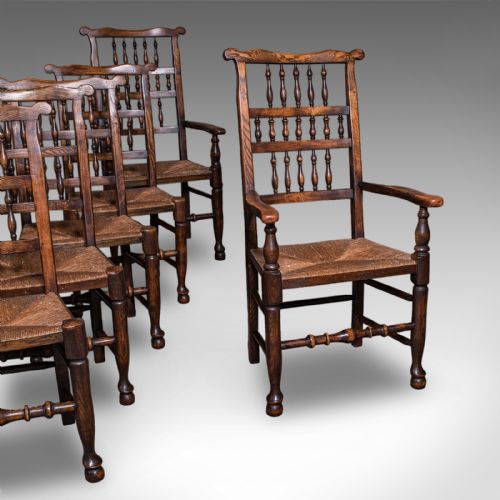
Traditional English kitchen chairs encompass robust seating forms designed for daily utility in domestic spaces, appearing as dining chairs, armchairs, and side chairs. When searching for traditional English kitchen chairs, a buyer is most likely to encounter Windsor models, ladder backs, and spindle backs originating from the nineteenth century through the Edwardian period.
The regional variety spans distinctive regional vernaculars, including Thames Valley stick backs and Scottish models alongside farmhouse and station chairs. These pieces frequently present themselves individually, in pairs, in trios, or in sets ranging from four up to ten matching or harlequin configurations.
Makers and workshops across provincial England shaped these utilitarian objects from native hardwoods and softwoods to serve practical household functions. The surviving examples reflect regional preferences in turning, joining, and seating construction that define English country vernacular furniture.
Materials and Technique
Constructors relied on native timbers such as elm for solid saddle seats, ash and beech for turned spindles and legs, and yew or oak for select framing. Rush also appears as a primary seating material woven tightly over wooden frames.
Joinery methods combined traditional pegged mortise and tenon joints with steam-bent wooden components for hoops and bows. Turned parts were shaped on pole lathes, while seats were deeply sculpted using adzes and drawknives to achieve ergonomic comfort.
Listings demonstrate that elm, ash, and beech remain the dominant timbers across nineteenth-century and Edwardian vernacular seating.
Quality and Construction
The distinction between ordinary utility work and superior quality rests upon the selection of timber and the dexterity of the turning. Well-chosen grain patterns in elm seats and crisply turned spindles elevate the structural and visual integrity of a chair.
Proportion and structural retention also dictate the hierarchy of examples, where seats retaining their original thickness and undercarriages with tight, uncompromised stretchers demonstrate enduring stability. Sympathetic retention of surface patina without excessive sanding preserves the historical integrity that defines better examples.
Worksop Allsop
The Traditional English Kitchen Chairs Glossary
- Windsor chair
- A timber chair constructed with a solid wooden seat into which the back and legs are separately bored and wedged. This design provides sturdy support through a combination of bentwood hoops and vertical spindles.
- Crinoline stretcher
- A curved metal or wooden brace connecting the legs of a chair to provide additional lateral strength. This component frequently appears on mid-nineteenth-century Windsor armchairs.
- Lathe back
- A chair back incorporating flat, vertically aligned slats often shaped with a slight curve for back support. These slats are tenoned into horizontal top and bottom rails.
- Harlequin set
- A collection of dining chairs that share similar stylistic characteristics or periods while varying slightly in individual details. Such sets were assembled from disparate sources to function around a single table.
- Wheelback
- A Windsor chair variation featuring a pierced central splat carved in the shape of a spoked carriage wheel. This decorative motif gained popularity during the Victorian era.
Traditional English Kitchen Chairs: Frequently Asked Questions
How do I spot a true Windsor chair?
A true Windsor chair is built upon a solid wooden seat, typically elm, into which the legs and back spindles are inserted directly rather than connected via a traditional frame.
Look underneath the seat to see the wedged tops of the legs protruding through the bored holes, which confirms the traditional construction method.
What woods were used for these chairs?
English makers utilised locally available hardwoods, combining elm for sculpted seats, ash or beech for turned legs and spindles, and occasionally yew for high-status framing.
Rush also appears on specific ladder back models as a woven seating material.
Are harlequin sets practical for daily use?
Harlequin sets offer a cohesive appearance through shared periods or styles while providing enough variation to suit relaxed dining arrangements.
Measuring seat heights before purchase ensures comfortable alignment around a dining table.
How should I care for antique kitchen chairs?
Maintenance requires keeping wooden chairs away from direct heat sources and sudden humidity changes to prevent timber splitting and joint loosening.
Applying microcrystalline wax periodically helps nourish the dry wood and protects the historic surface patina.