
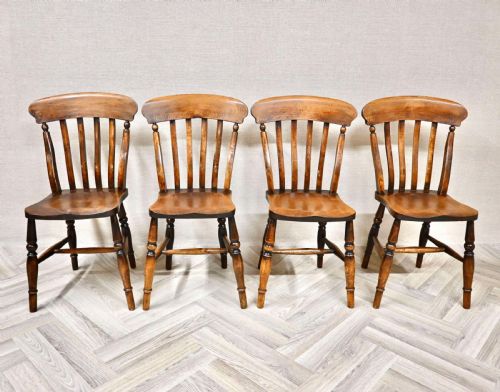
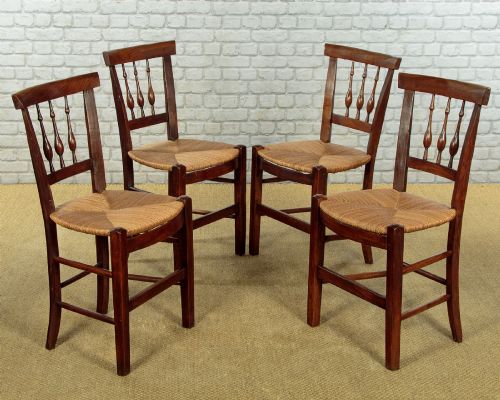
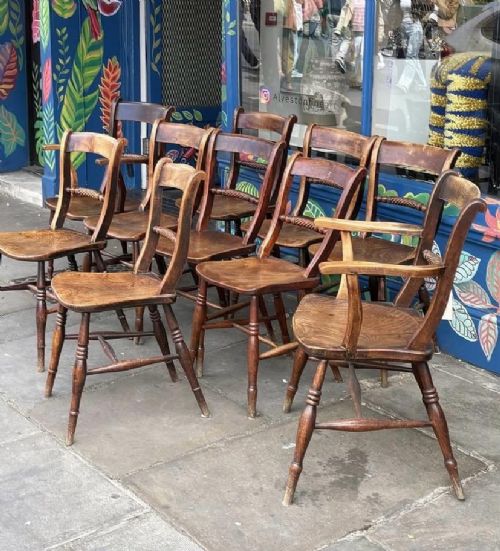
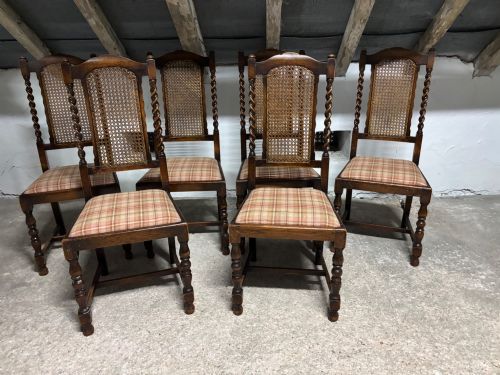


Vintage Cottage Dining Chairs
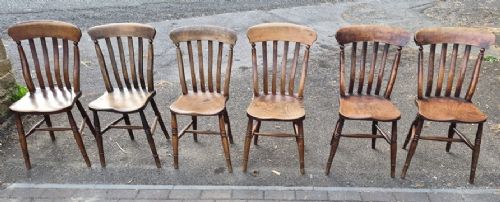
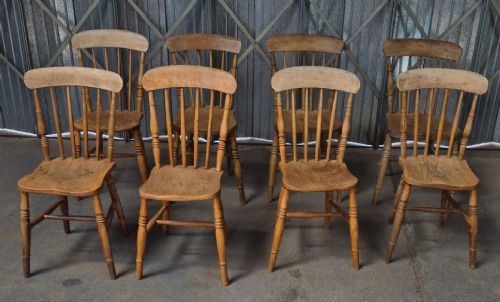
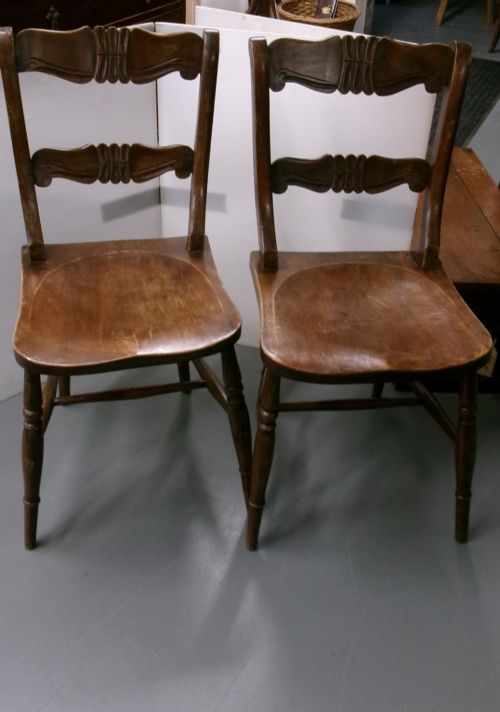
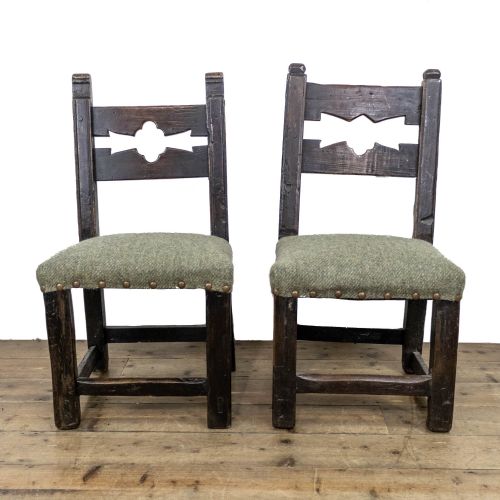
These vintage cottage dining chairs are robust country seating built from elm, beech, and ash, bringing enduring rural character to everyday interiors.
How they were made
Makers constructed these chairs using solid native timbers, turning spindles and legs on a lathe while shaping thick wood seats from single slabs of elm. Steam-bending techniques allowed craftsmen to curve wooden bows and backs without weakening the grain.
Joints were typically secured using traditional pegging and wedged tenons to withstand daily use in busy farmhouses and country kitchens. Surface finishes range from natural waxed grain to scumbled painted treatments applied over the wooden frames.
What varies in quality
Quality in these chairs rests on the integrity of the timber selection, particularly the thickness and figuring of the elm seat boards. Better examples retain their original structural bracing and tight joinery without excessive replacement parts.
Proportion and turning detail distinguish superior vernacular pieces from simpler utility seating. Consistency across a harlequin set or matched group also influences how cohesively the chairs sit together around a dining table.
Listings feature eighteenth-century through Victorian periods, utilising native woods like elm and ash alongside rush and cane seating.
Worksop Allsop
The Vintage Cottage Dining Chairs Glossary
- Windsor
- A traditional chair construction where legs and back spindles are wedged directly into a solid sculpted wooden seat. This method creates a sturdy, resilient frame typical of country seating.
- Rush seat
- A woven seating surface made from dried marsh rushes twisted into cords. It offers a flexible and durable platform traditionally used in vernacular chairs.
- Harlequin set
- A collection of dining chairs that share similar periods, materials, or forms while showing individual variations in design. Such sets evolved naturally in country homes over time.
- Scumbled
- A decorative paint technique designed to imitate the grain of more expensive hardwoods. Artisans applied translucent glazes over a base coat to achieve a textured finish.
- Spindle-back
- A chair back constructed from a series of thin turned wooden rods. This lightweight yet strong arrangement supports the sitter while maintaining an open visual profile.
Vintage Cottage Dining Chairs: Frequently Asked Questions
What defines a vintage cottage dining chair?
These pieces are traditional wooden seats originating from rural workshops, constructed primarily from native timbers like elm, beech, and ash for domestic use.
They encompass regional styles such as Windsor, spindle-back, and stick-back designs produced across the eighteenth, nineteenth, and early twentieth centuries.
How do I care for rush and cane seats?
Rush and cane require stable indoor humidity levels to prevent the natural fibres from drying out and becoming brittle over time.
Cleaning should be limited to gentle dusting with a soft brush, avoiding excess moisture that can weaken the woven structure.
What is a harlequin dining set?
A harlequin set consists of individual chairs that share a common period, material, or vernacular style rather than being stamped from a single factory production.
Country households often gathered chairs from local makers gradually, resulting in groups that match in spirit while differing in minor details.
How can I tell the period of these chairs?
Dating relies on examining tool marks, timber characteristics, construction methods, and regional turning styles recorded across the eighteenth and nineteenth centuries.
Earlier pieces often display broader elm seat slabs and hand-carved elements, whereas later Victorian examples show standardised lathe work.