
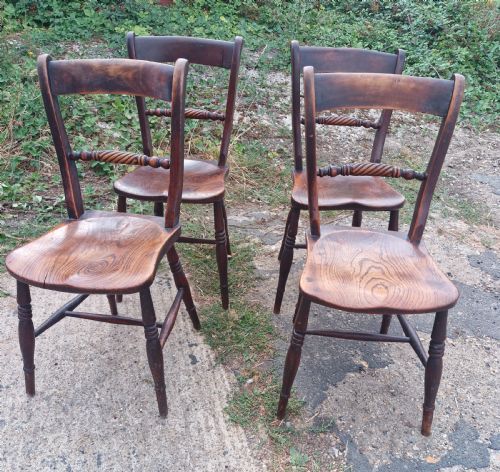
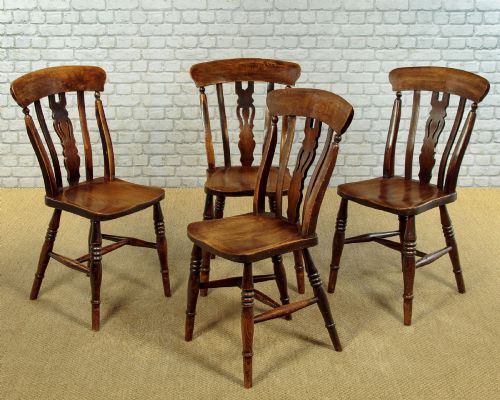
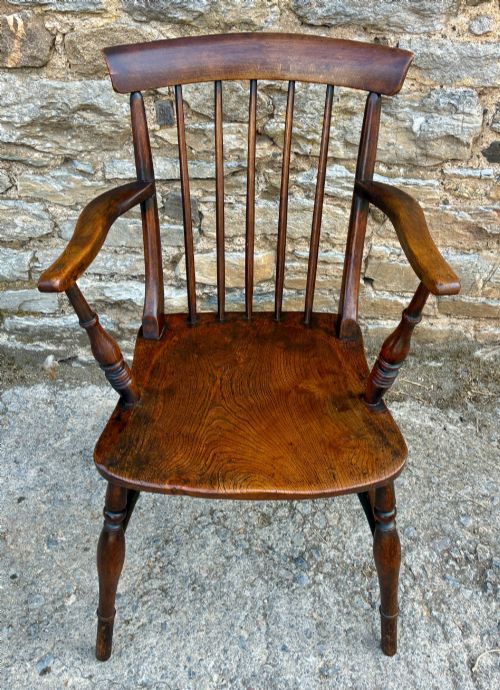
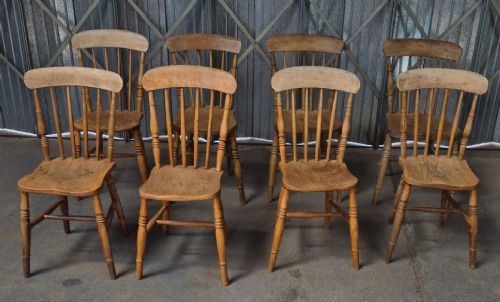
Victorian Farmhouse Dining Chairs
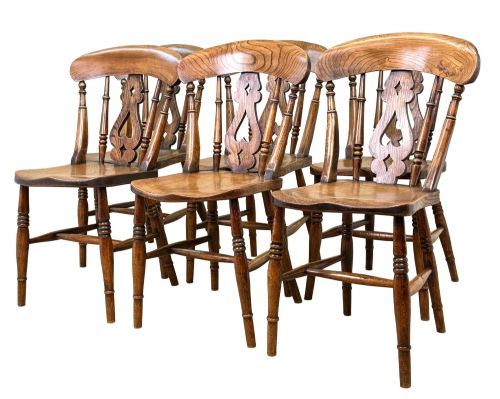
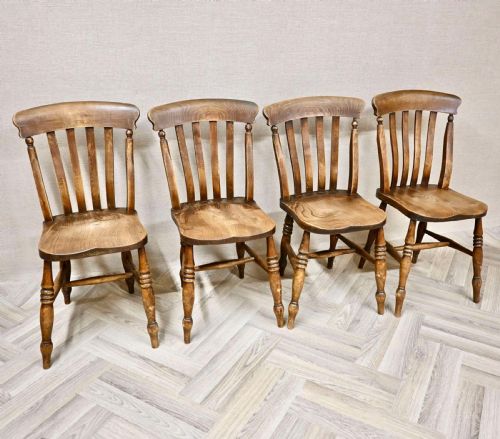
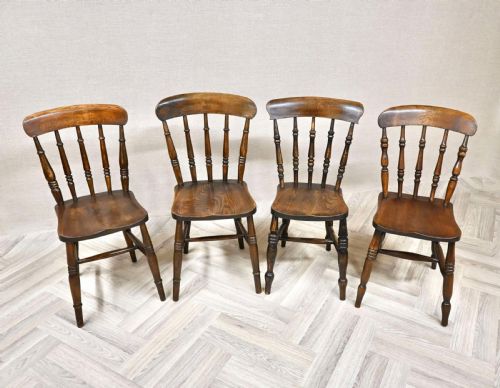
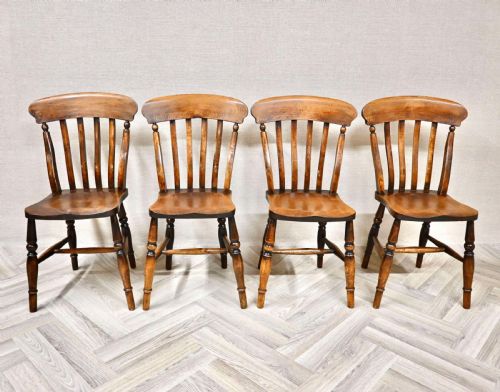
Victorian farmhouse dining chairs bring robust vernacular character to a room, offering sturdy seating built for daily domestic life in the nineteenth century.
Victorian Farmhouse Dining Chairs
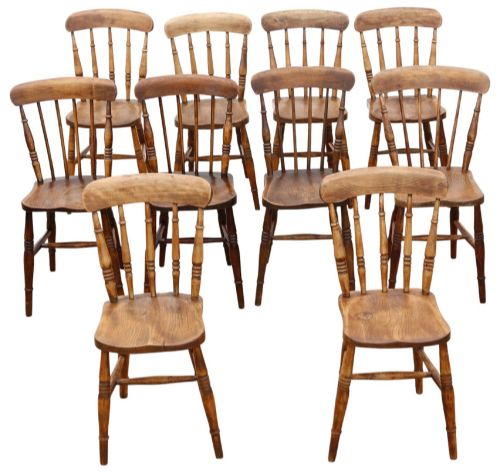
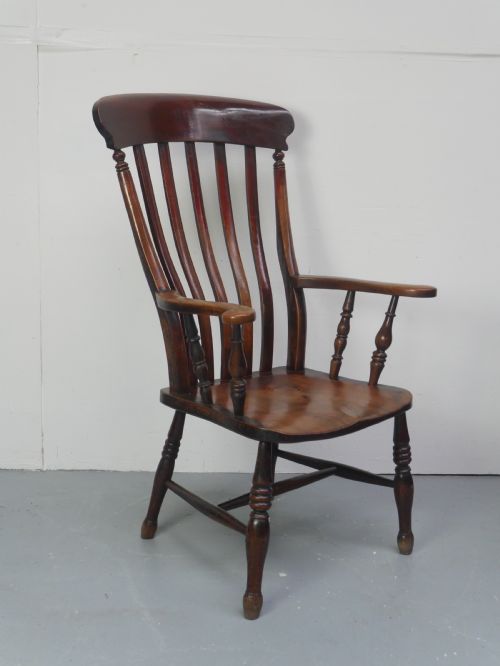
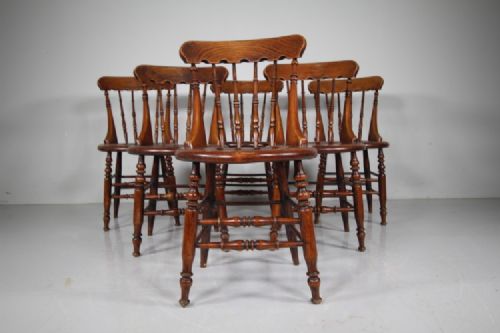
The Windsor format dominates these listings, characterised by steam-bent bows and distinct spindles, alongside ladderback and fiddle-back variants.
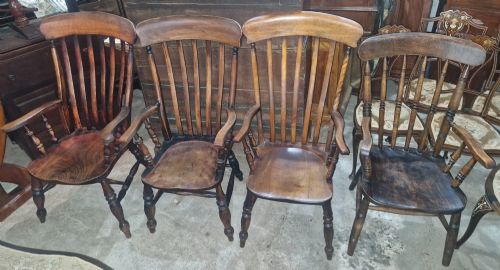
Makers utilised regional English vernacular designs, producing single chairs and armcarvers intended for hard-wearing kitchen and dining use.
Materials and Construction
Craftsmen combined multiple timbers within a single piece, pairing elm seats with ash or beech spindles and legs to utilise each wood's specific structural properties.
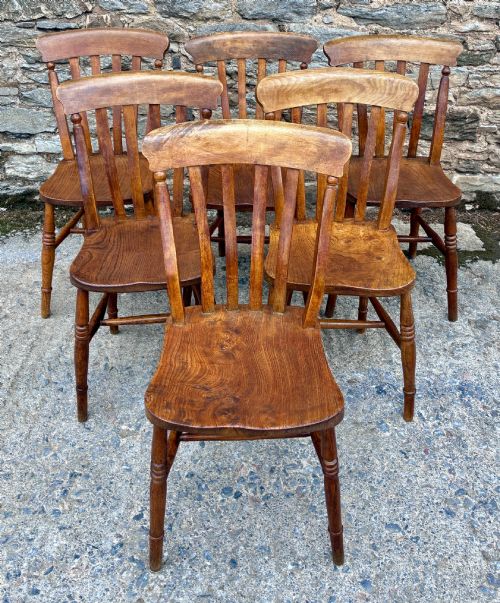
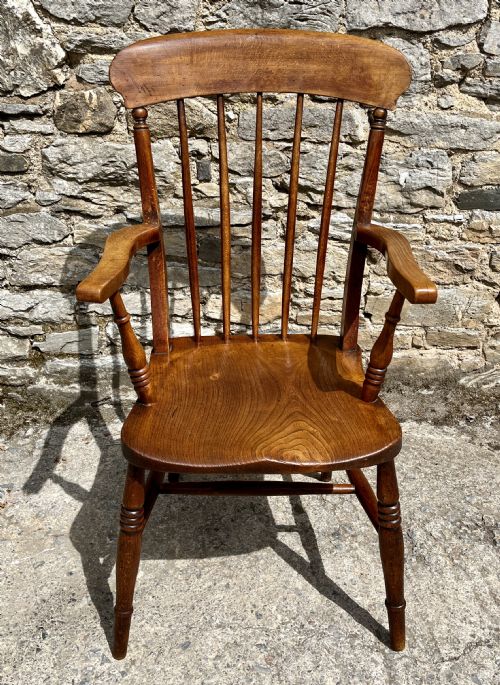
Seat bases were typically carved from solid elm planks, shaped to receive wedged tenons from legs and uprights for enduring rigidity.
Backrests relied on steam-bending techniques to shape green timber into curved laths, combs, or bows before final assembly.
Several chairs preserve deep bum-carved elm seats shaped by generations of kitchen occupants.
Distinction and Character
Superior examples display balanced proportions and deep figuring in the elm seat grain, marking out pieces beyond standard utilitarian output.
Construction integrity separates disciplined vernacular joinery from excessive later repair, preserving original wedge joints and matching turnings.
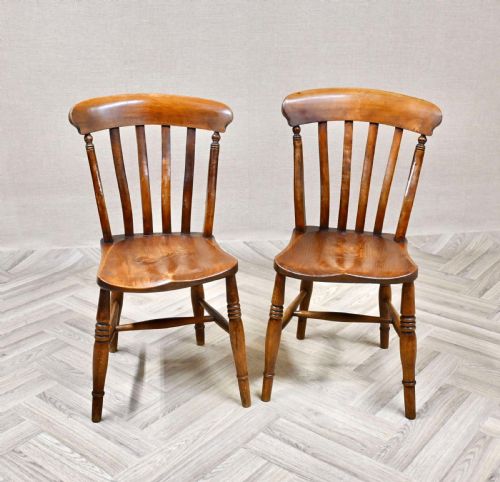
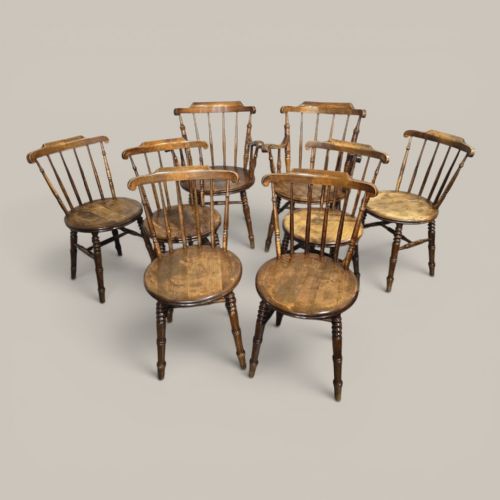
Matched sets maintain higher desirability than assembled harlequin groups, reflecting the original workshop output of regional makers.
Worksop Allsop
The Victorian Farmhouse Dining Chairs Glossary
- Windsor
- A chair style featuring a solid wooden seat into which the legs and back spindles are directly socketed. This form provides exceptional structural stability.
- Lathback
- A Windsor variant featuring a central vertical wooden slat or splat within the back bow. This design offers robust back support.
- Comb back
- A Windsor chair design where the top rail extends past the outer spindles like the teeth of a comb. These often include armrests integrated into the bow.
- Rush seat
- A seating surface woven from dried marsh rushes, wound tightly around a wooden frame. This technique yields a flexible, supportive platform.
- Double stretcher
- An undercarriage arrangement featuring two parallel turned stretchers connecting the legs for added rigidity. This detail strengthens heavy-use kitchen seating.
Victorian Farmhouse Dining Chairs: Frequently Asked Questions
What defines a Victorian farmhouse dining chair?
These pieces are sturdy nineteenth-century wooden seats built for rural kitchens and dining rooms. They rely on traditional vernacular joinery rather than formal cabinet-making.
Most examples utilise solid timber construction with turned legs, spindle backs, and carved wooden seats designed to withstand heavy daily use.
How do I care for antique elm and beech chairs?
Keep wooden chairs away from direct heat sources and sudden temperature shifts to prevent the timber from splitting. Apply microcrystalline wax occasionally to nourish the dry surface.
Avoid using modern liquid polishes that build up residue and dull the natural grain over decades of handling.
Are rush seats durable for everyday dining?
Twisted rush seating handles regular sitting well if kept dry and clean. The natural material flexes slightly under weight without losing its tension.
Protect the woven strands from sharp objects and damp environments to ensure the organic fibres remain intact for years.
What is a harlequin set?
A harlequin set is a collection of chairs that share a similar style, period, or material but were not originally made together. Dealers assemble these groups to match standard dining table requirements.
Such sets display subtle variations in turning, height, or timber tone while maintaining a cohesive visual presence in a room.