



Farmhouse Ladderback Chairs
Farmhouse ladderback chairs are robust vernacular seating built for daily use, prized for their honest construction and timeless comfort.
Farmhouse Ladderback Chairs
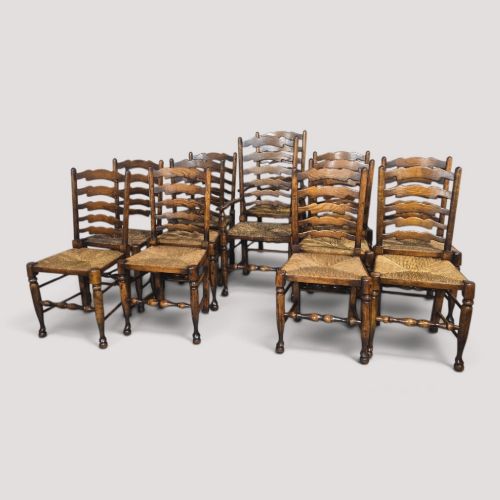
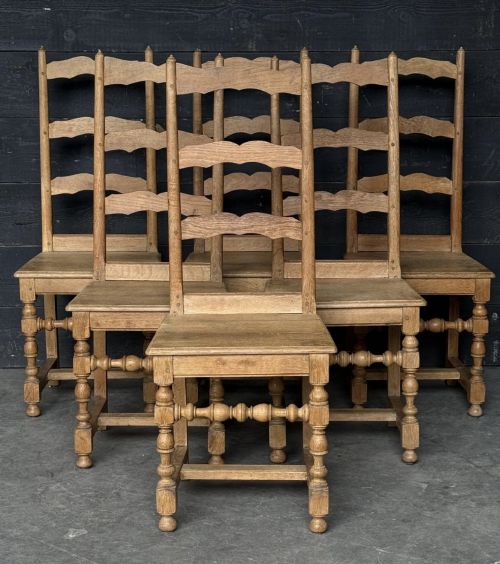
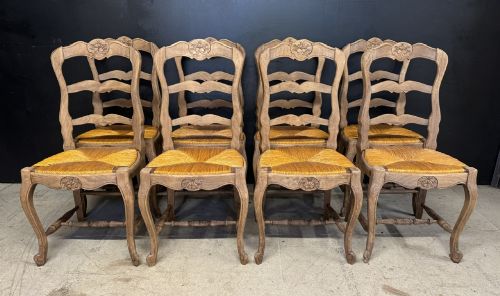
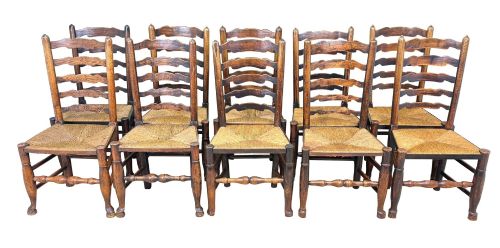
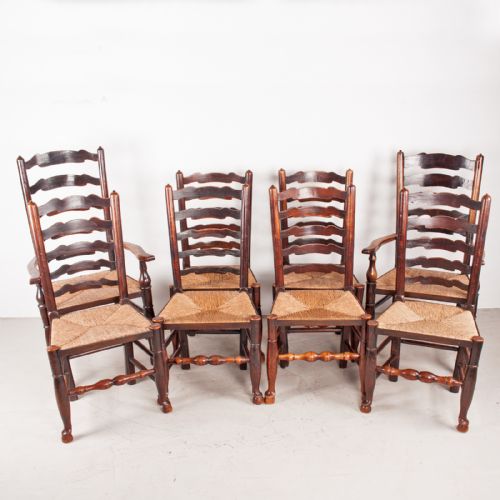
Farmhouse ladderback chairs comprise sets and singles built for practical kitchen and dining use, appearing frequently as matching groups across this selection. These pieces originate from various periods including the nineteenth century, Georgian era, and the early decades of the twentieth century. Forms span standard dining chairs alongside occasional armchairs designed for kitchen hearths.
Makers working within English country, rustic farmhouse, Victorian country, and Georgian country styles shaped these objects. The inventory showcases traditional construction suited to vernacular domestic interiors, often retaining original seating materials.
How they were made
Carpenters utilised native timbers such as oak, elm, ash, beech, and general wood to construct the frames and spindles of these seats. These woods provided the necessary strength for daily kitchen and dining tasks.
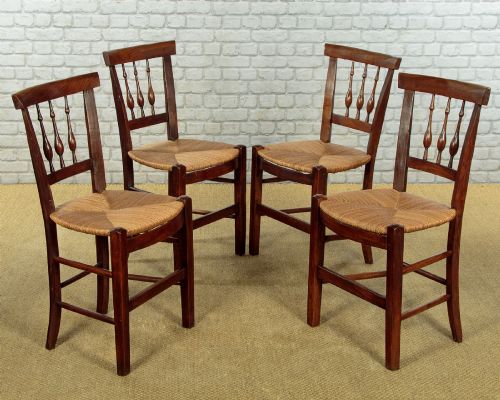
Seating areas commonly incorporated woven rush to create durable, supportive platforms within the wooden framework. Joinery relied on traditional turning and framing techniques handed down through generations of rural craftsmen.
Farmhouse Ladderback Chairs Retail Price Guide 2026
Typical asking prices for farmhouse ladderback chairs among the pieces listed under this phrase on Sellingantiques today, from the lower quarter to the upper quarter. They describe what is for sale here now, not the wider market.
Listings feature oak, elm, ash, beech, and rush across nineteenth-century and early twentieth-century periods.
What varies in quality
The integrity of the timber frame and the tightness of the original joints distinguish finer examples from standard utility seating. Uniformity across larger sets of dining chairs indicates careful initial selection of materials and skilled turning.
The condition and tightness of the rush weaving affect the overall desirability and longevity of the piece. Consistency in the height and curve of the horizontal ladder rails reveals the maker's proficiency.
The Farmhouse Ladderback Chairs Glossary
- Ladderback
- A chair style featuring horizontal slats or bars set between the vertical uprights of the backrest. This design offers sturdy support and simple construction.
- Rush
- Dried marsh grass woven tightly to form traditional flat seats. It provides a resilient and comfortable surface for prolonged sitting.
- Vernacular
- Everyday objects built by local craftspeople using regional materials without high-style academic design influences. These items reflect local traditions and practical needs.
- Spindle back
- A chair back featuring numerous thin turned vertical wooden rods instead of solid splats or horizontal rails. This construction lightened the frame while maintaining strength.
Farmhouse Ladderback Chairs: Frequently Asked Questions
How are farmhouse ladderback chairs best used today?
These chairs fit naturally around large kitchen tables or dining room settings for daily meals. Their robust construction handles regular seating without demanding excessive care.
Pairing them with wooden tables enhances a traditional interior aesthetic. They also function well as occasional seating in hallways or bedrooms.
What woods were used in these chairs?
Cabinetmakers and rural joiners utilised native hardwoods such as oak, elm, ash, and beech. These timbers offered the density required to withstand heavy household usage.
Over decades of use, these woods develop a rich patina that highlights the natural grain. Selection depended on local woodland availability during the period of manufacture.
How do I care for rush seats?
Rush seating requires dry indoor environments to prevent the natural fibres from becoming brittle or damp. Regular gentle dusting keeps debris from settling between the tight weaves.
Avoid placing these chairs in direct sunlight or near intense heat sources that dry out the material. Professional re-weaving is available if the seating wears down significantly over time.
Can I mix different chair sets together?
Mixing similar country vernacular styles works well if the wood tones and seat heights correspond. Many period kitchens accumulated chairs over time rather than possessing uniform matching suites.
Keeping consistent wood types helps unify eclectic seating groups around a shared table. Armchairs can anchor the ends while simpler side chairs line the lengths.