

Turn of Century Side Chairs
Turn of century side chairs bridge the ornate confidence of the Victorian era and the clean lines of early modern design.
Turn of Century Side Chairs
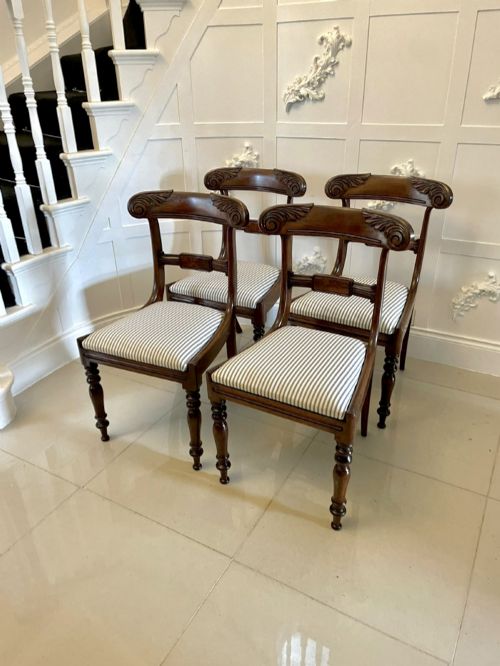
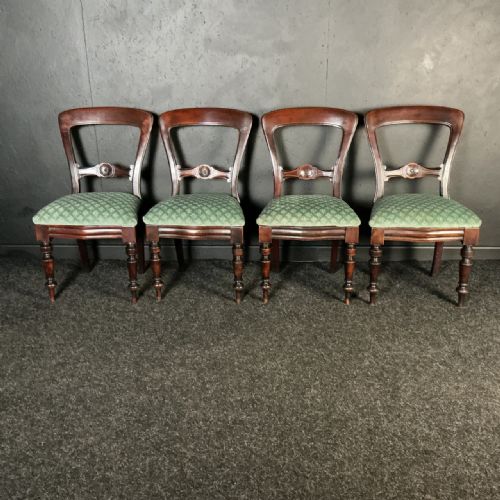
Turn of century side chairs encompass seating produced around nineteen hundred, spanning late Victorian, Edwardian, and turn of the twentieth century periods. Buyers seek these pieces for domestic dining rooms, hallways, and reception spaces where extra seating needs character and architectural presence.
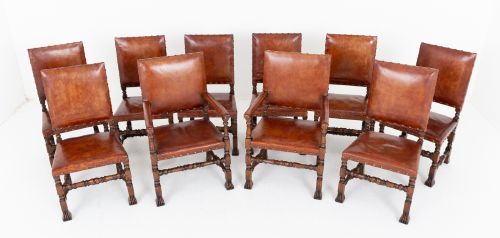
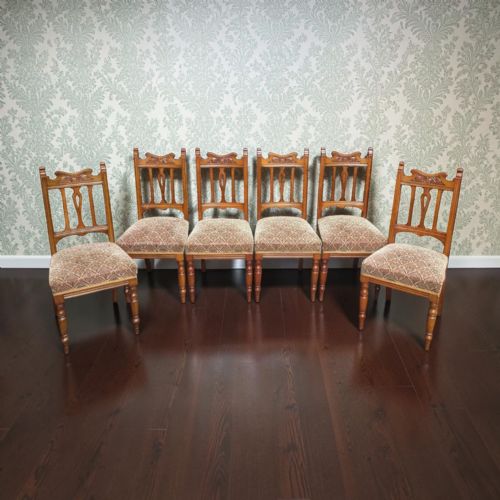
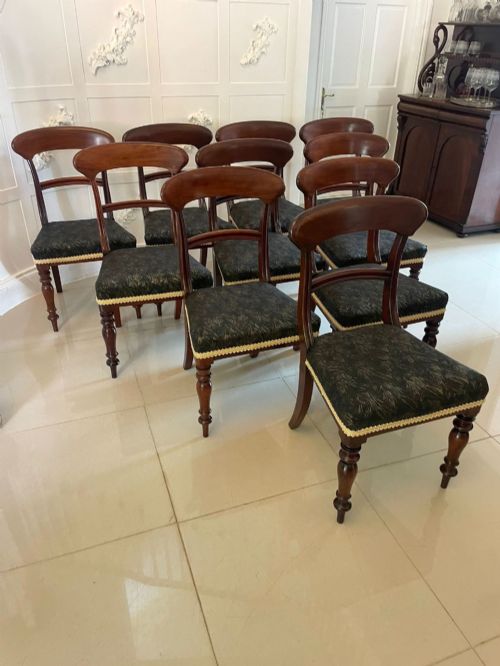
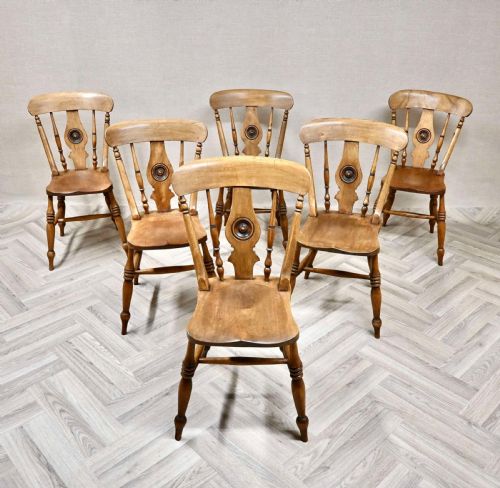
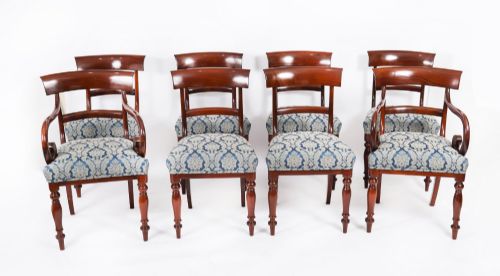
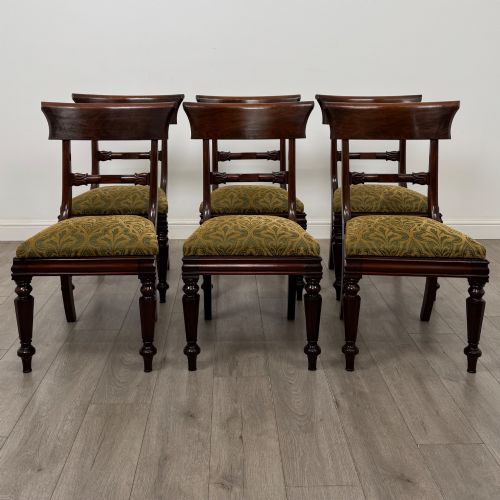
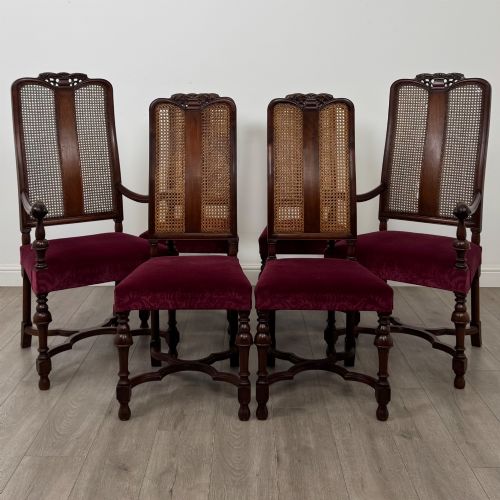
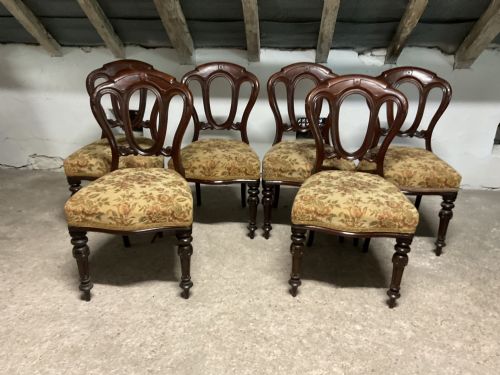
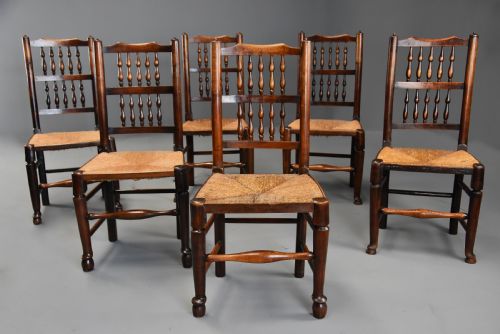
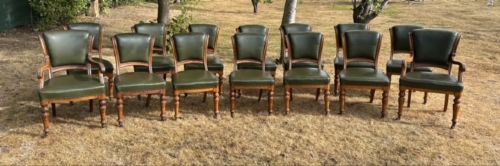
The materials recorded in these listings show a strong preference for solid timbers like mahogany, oak, and beech, frequently paired with seats of rush, cane, leather, and fabric. You will encounter forms ranging from high-back Arts and Crafts designs to simple rush seat kitchen chairs and polished mahogany dining sets.
Originating largely from British and Scottish workshops, these chairs reflect both vernacular traditions and revival styles, including Queen Anne and seventeenth century interpretations. They function practically as everyday seating while carrying the distinct aesthetic weight of their respective eras.
How they were made
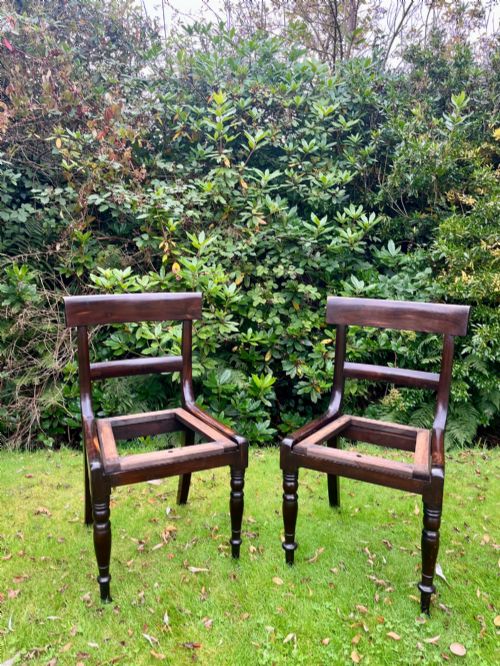
Makers relied heavily on dense hardwoods such as mahogany, oak, walnut, and rosewood, shaping frames through traditional joinery like mortise and tenon. Beech and ash also appear frequently, particularly in provincial or vernacular seating.
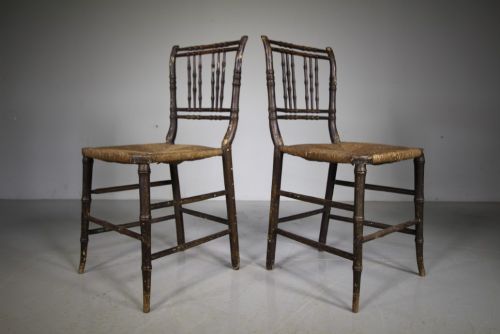
Seating surfaces utilised natural materials including woven rush, cane, and webbing beneath upholstery of velvet, leather, or tapestries. Decorative touches involved turned wood elements, bobbin framing, and occasional applied gilding or brass details.
Listings feature woods spanning mahogany, oak, walnut, rosewood, satin birch, ash, elm, and beech, alongside brass and giltwood accents.
What varies in quality
Quality rests primarily in the selection of timber and the crispness of the carving or turning on the frame. Denser hardwoods and tighter grain patterns indicate superior raw materials selected by the cabinetmaker.
Construction rigidity dictates longevity; tightly fitted joints without excessive modern reinforcement separate robust examples from those compromised by heavy use. The integrity of original woven cane, rush, or period upholstery foundations also influences the overall standard of a piece.
Gillows·Howard and Sons·Codina·Strahan
The Turn of Century Side Chairs Glossary
- Side chair
- A chair without arms, originally designed for dining tables or occasional placement against room perimeters. These pieces form the majority of standard seating sets.
- Bobbin turned
- A style of furniture leg or stretcher shaped on a lathe to resemble a series of wooden bobbins or spools. This technique gained popularity in seventeenth century joinery and later revival periods.
- Rush seat
- A seating surface woven from dried marsh grasses twisted into cords. It provides a resilient, textured base common in vernacular and Arts and Crafts chairs.
- Caned seat
- A woven mesh created from split rattan cane threaded through holes in the chair frame. This technique offers lightweight strength and flexibility.
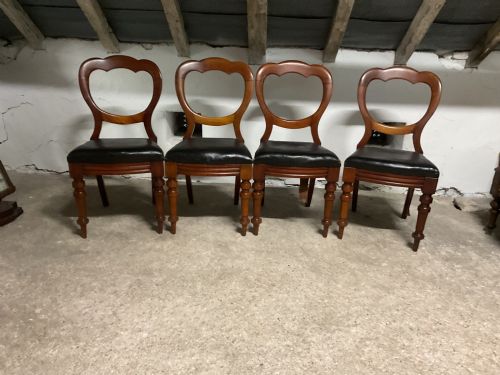
- Balloon back
- A rounded, curved chair back resembling the profile of a balloon, prevalent in Victorian dining furniture. It provides ergonomic support through continuous wooden shaping.
Turn of Century Side Chairs: Frequently Asked Questions
How do I spot a reproduction?
Examine the timber shrinkage, tool marks, and joint construction for consistency with period methods. Hand-cut joinery and natural wear patterns indicate genuine age.
Modern machine tooling leaves uniform marks that differ from nineteenth and early twentieth century hand-finishing techniques. Inspect the underside and internal frame components for hidden clues.
Can I use them for daily dining?
Solid hardwood frames generally withstand regular daily use if joints remain secure and stable. Check the structural integrity of the legs and seat rails before seating guests.
Delicate caned or upholstered panels may require careful handling or gentle reinforcement to prevent wear over time.
How do I care for antique wood?
Maintain timber surfaces by applying quality beeswax occasionally and avoiding direct sunlight or excessive moisture. Consistent indoor humidity prevents wood from drying and cracking.
Dust regularly with a soft, dry cloth rather than commercial silicone sprays that build up residue on the polished finish.
What defines Edwardian style chairs?
Edwardian seating often borrows lighter forms from earlier Georgian and Queen Anne revivals, favouring satin birch, oak, and inlaid mahogany. Lines tend to be simpler and less massive than heavy Victorian equivalents.
Arts and Crafts influences also emerge during this period, emphasising honest construction and exposed natural materials.