
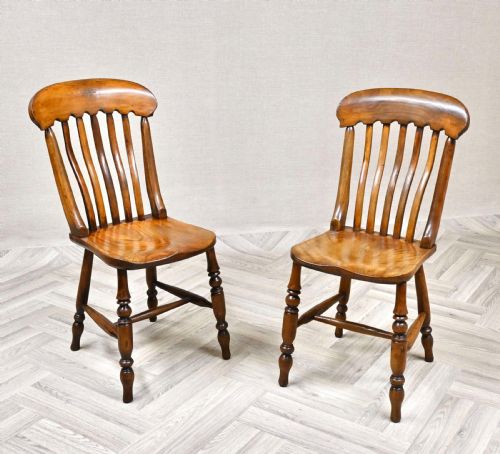
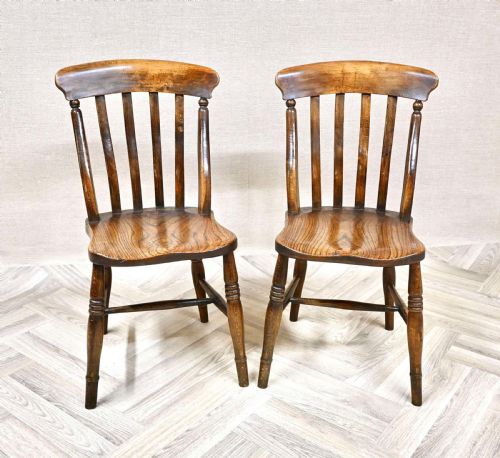
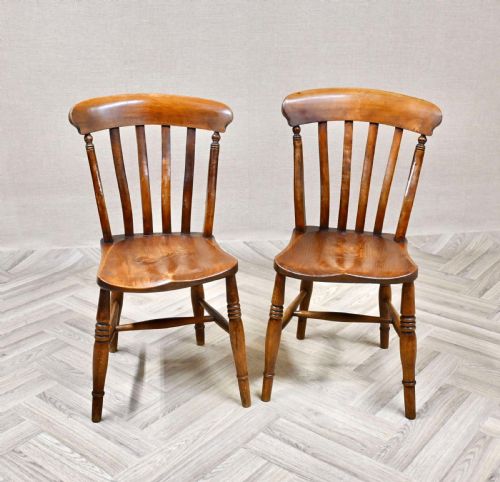
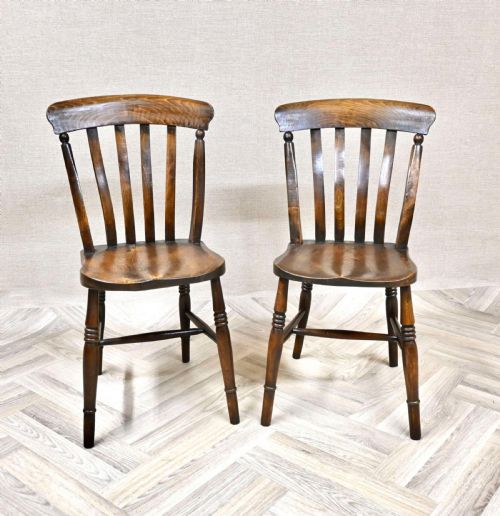
Victorian Windsor Dining Chairs
Victorian windsor dining chairs bring robust vernacular character and practical comfort to any interior.
Victorian Windsor Dining Chairs
Victorian windsor dining chairs comprise sturdy seating developed from regional English country traditions, frequently utilised in farmhouse kitchens and dining spaces throughout the nineteenth century.
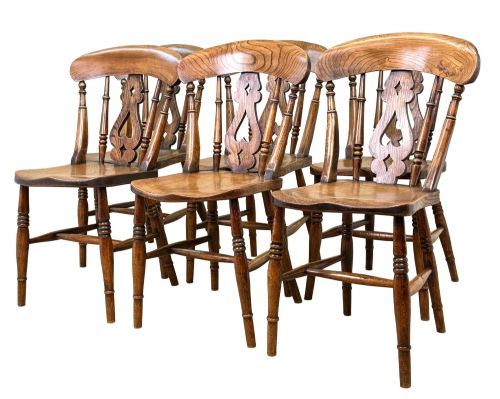
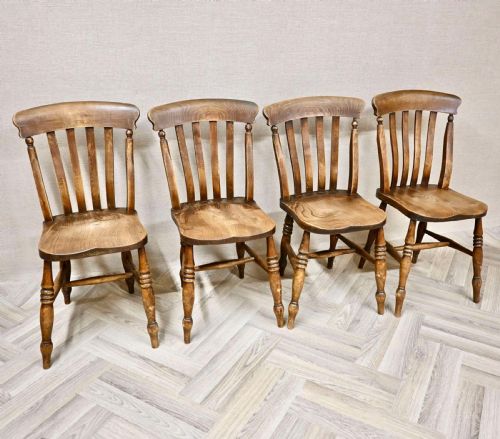
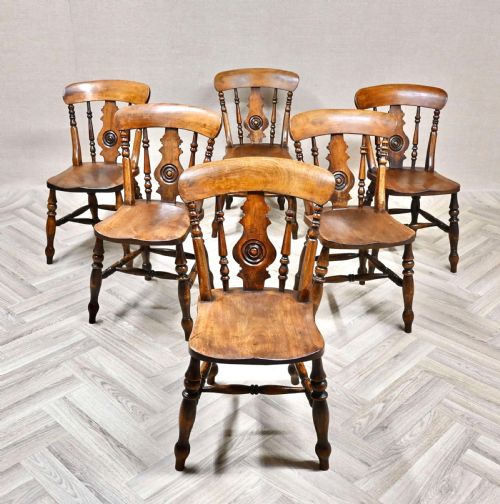
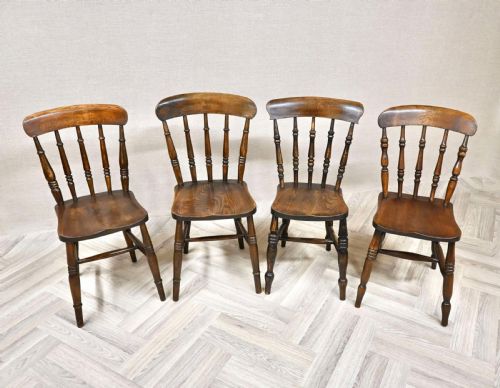
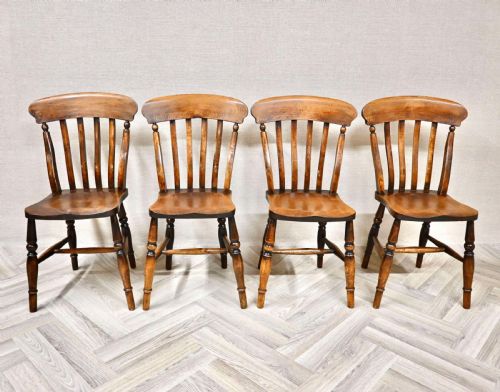
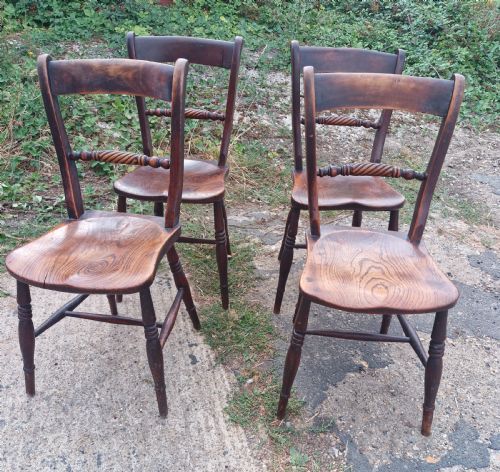
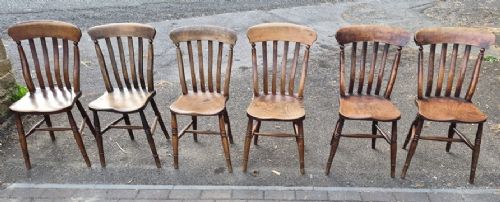
The most common examples on this page are matched or harlequin sets of four to six chairs, combining elm seats with ash or beech framing.
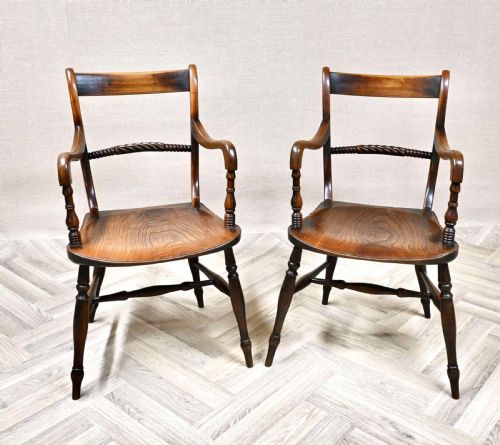
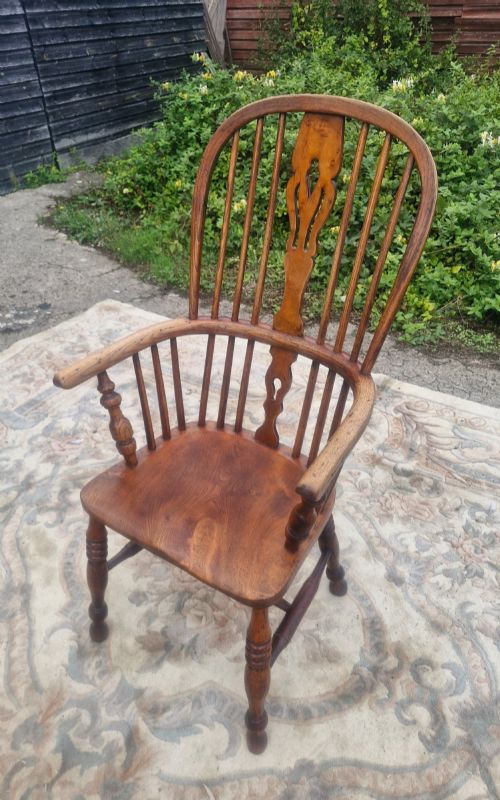
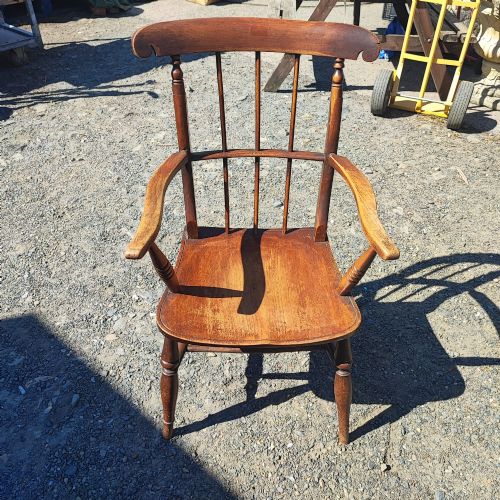
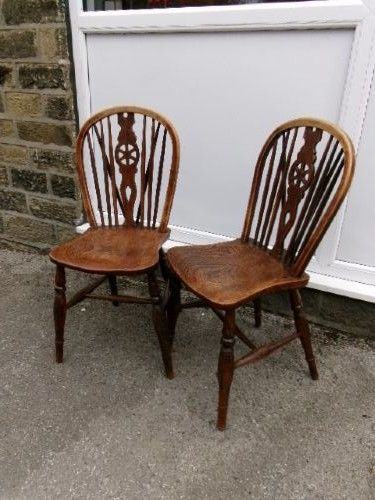
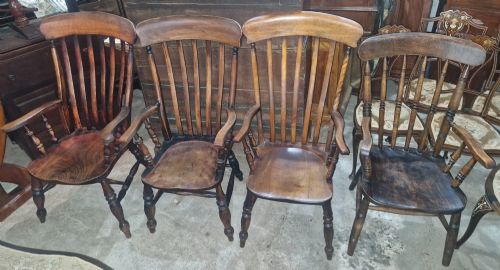
Buyers encounter numerous regional variations, including wheelback, lathback, stickback, and barback forms, alongside occasional carvers and armchairs.
How They Were Made
These chairs utilise a distinctive construction method where spindles and legs are wedged directly into a thick, solid carved wooden seat.
Turned beech or ash components form the structural undercarriages and backs, while steam-bent sections create the characteristic hooped crests.
Elm provides the durable, split-resistant timber chosen for the saddle seats, paired with hardwoods like yew or oak on select regional examples.
Victorian Windsor Dining Chairs Retail Price Guide 2026
Typical asking prices for victorian windsor dining chairs among the pieces listed under this phrase on Sellingantiques today, from the lower quarter to the upper quarter. They describe what is for sale here now, not the wider market.
What Varies in Quality
Quality rests upon the integrity of the timber selection, particularly the thickness and figuring of the elm seat and the weight of the turned undercarriage.
Matching consistency across larger sets dictates value, as harlequin groupings differ from uniform workshop sets produced together.
The sophistication of the back design, from simple stickbacks to detailed wheelbacks or carved splats, elevates the standing of individual pieces.
The Victorian Windsor Dining Chairs Glossary
- Windsor chair
- A wooden chair built with a heavy sculpted seat into which the legs and back spindles are separately inserted. This construction gives the form its characteristic strength.
- Wheelback
- A design featuring a pierced wooden splat shaped like a cartwheel centred in the backrest. This decorative motif became popular during the nineteenth century.
- Crinoline stretcher
- A curved metal or wooden brace connecting the legs below the seat to provide additional stability. It takes its name from the hooped undergarments of the period.
- Smokers bow
- A low-backed Windsor armchair designed for domestic or tavern use, often called a captain's chair. These pieces feature continuous arm rails bent from a single piece of timber.
- Harlequin set
- A group of chairs sharing a similar style and period but assembled from different sources. Such sets match in general appearance rather than precise origin.
- Lathback
- A backrest constructed with flat vertical wooden slats instead of round spindles. This style offers a distinct silhouette within country vernacular seating.
Victorian Windsor Dining Chairs: Frequently Asked Questions
How do I identify a genuine Victorian windsor chair?
Examine the construction joints where the legs and spindles pierce completely through the seat, often showing wedge repairs or pegging. Genuine nineteenth-century examples display natural timber shrinkage and authentic surface patination built up over generations of domestic use.
Check for traditional wood species combinations, such as elm seats paired with ash or beech turnings, which reflect period regional manufacturing practices.
Are these chairs comfortable for daily dining?
The saddle-shaped wooden seats are carved to fit the body ergonomically, providing surprising support during long meals. Adding loose squab cushions can increase comfort without altering the historic character of the seating.
Most nineteenth-century examples were built specifically for everyday farmhouse use, making them durable enough for contemporary dining environments.
What is the difference between a stickback and a wheelback?
Stickback chairs utilise multiple vertical turned spindles supporting the top rail, offering a clean and traditional country aesthetic. Wheelback variants incorporate a solid central splat carved into a cartwheel motif, introducing more ornate detail to the design.
Both styles share the same fundamental Windsor construction technique involving a solid carved wooden seat.
How should I care for antique elm and beech furniture?
Maintain stable indoor humidity levels to prevent the timbers from drying out and splitting over time. Apply traditional beeswax periodically to nourish the surface and preserve the historic finish.
Avoid placing these chairs near direct heat sources or in strong sunlight, which can fade the wood and loosen historical joints.