

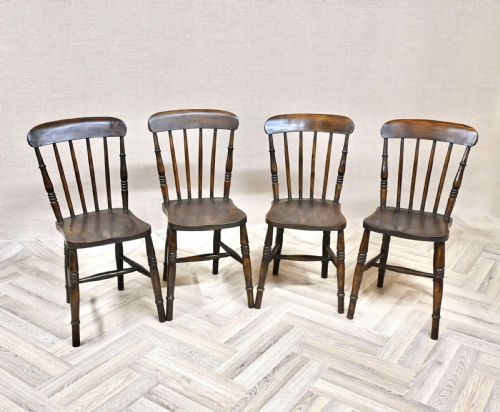
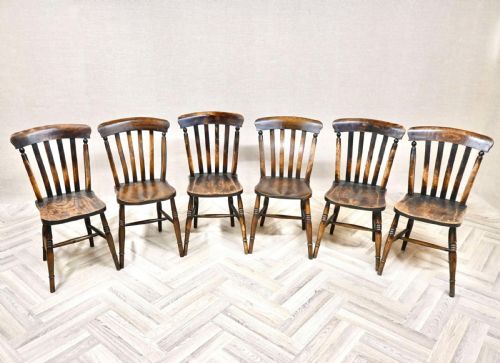
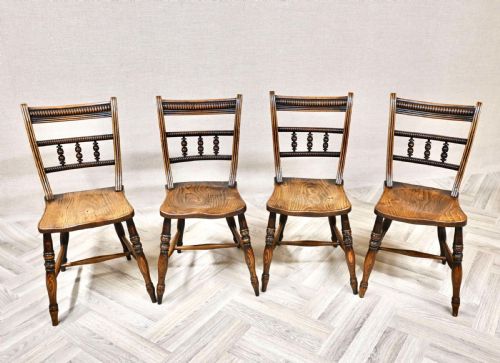
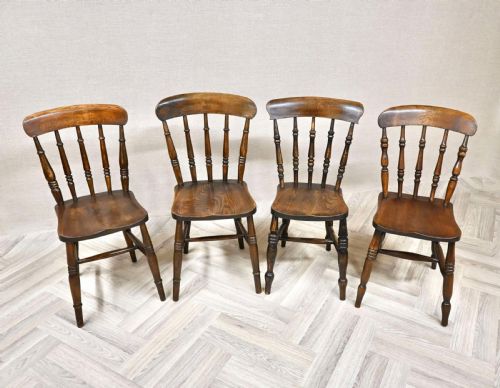

Dark Elm Kitchen Chairs
Dark elm kitchen chairs are robust everyday seats combining vernacular timber framing with regional Windsor or spindle designs.
Dark Elm Kitchen Chairs
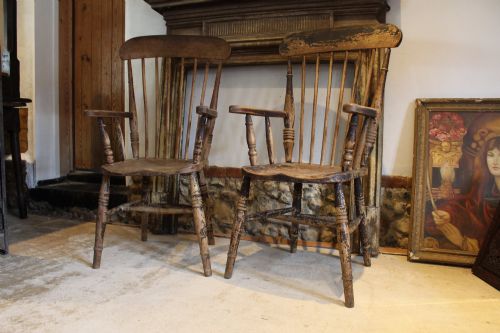
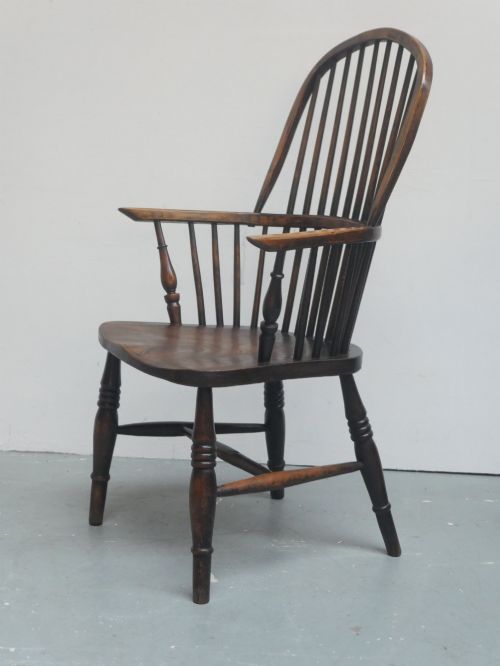
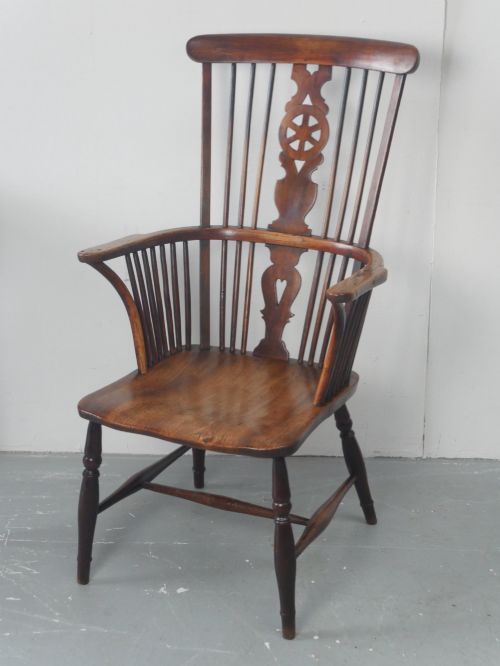
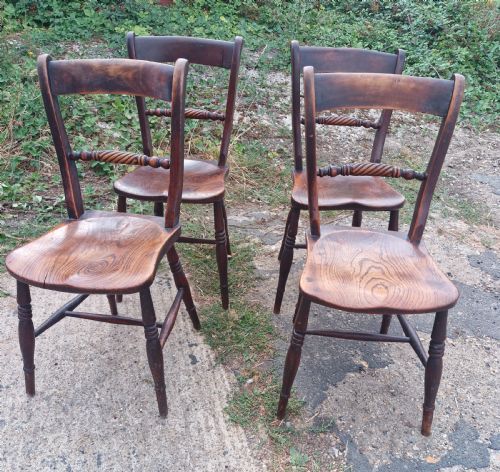
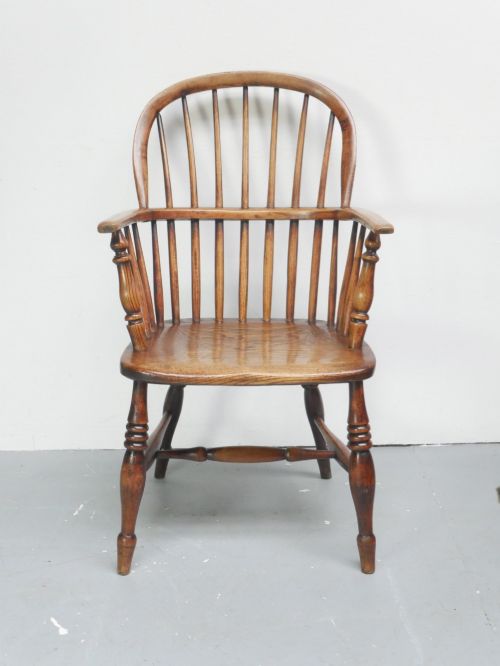
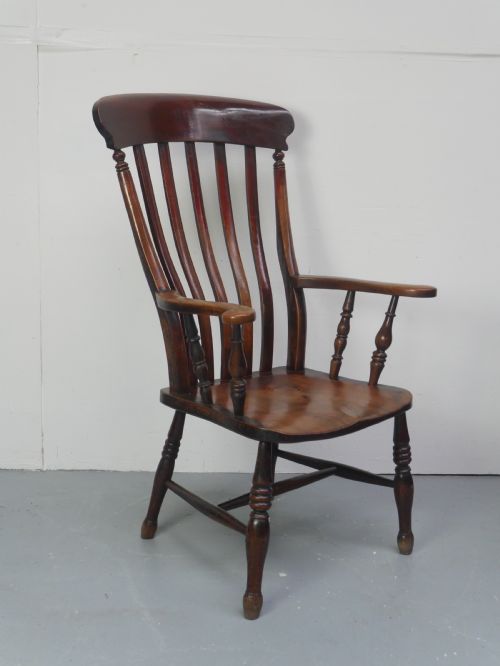
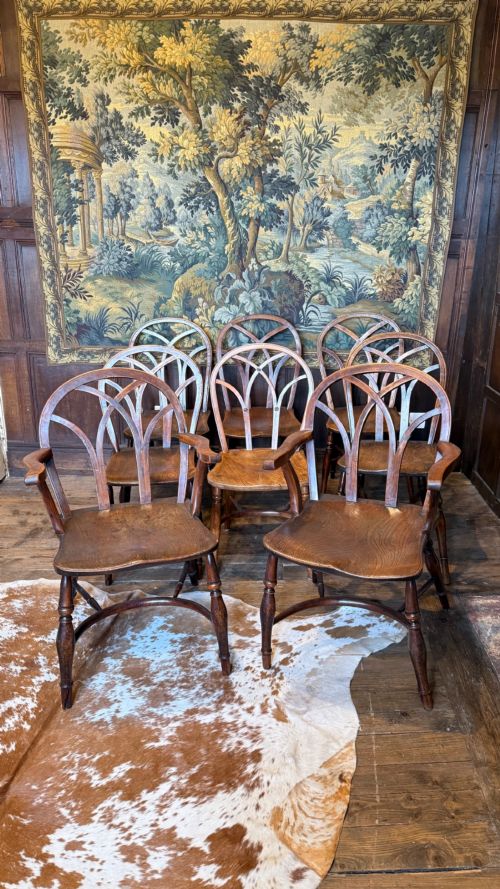
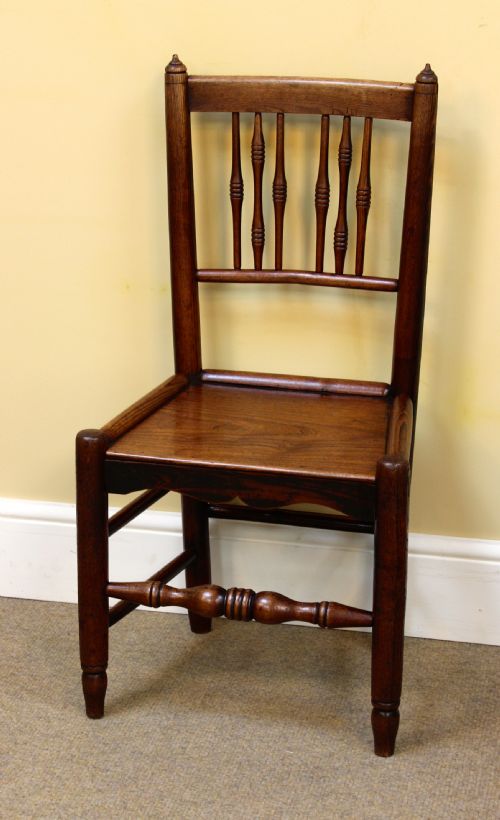
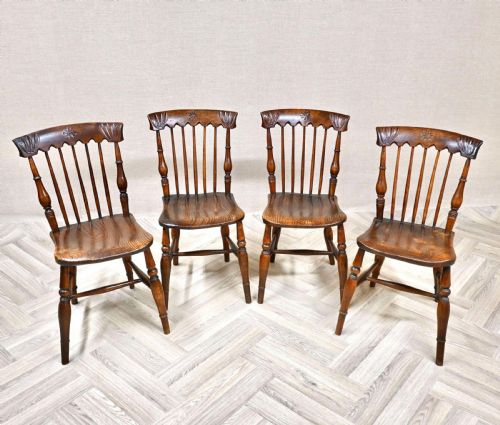
Dark elm kitchen chairs encompass sturdy wooden seating built for daily domestic use across dining rooms and farmhouses. You will regularly encounter nineteenth-century Windsor models alongside stick back, lath back, and wheel back variants.
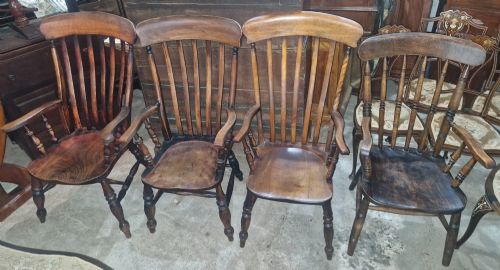
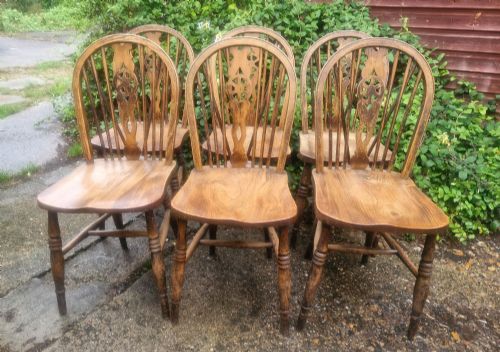
The selection ranges from single armchairs to matched sets of six or more dining chairs. These pieces originate predominantly from Victorian and earlier country traditions, reflecting practical British craftsmanship.
Makers utilised resilient local woods to construct durable seating designed to withstand heavy household wear. The forms vary from low farmhouse armchairs to tall spindleback dining chairs with rush or solid wood seats.
Materials and Construction Techniques
Makers paired robust elm for carved saddle seats with ash or beech for steam-bent bows and spindles. This mixed-timber approach provided the necessary flexibility for slender uprights and the sheer impact resistance required in a working kitchen.
Joinery relied on wedged through-tenons and socketed legs fitted directly into the thick wooden seat plank. Additional stability came from turned H-stretchers or double stretchers connecting the undercarriage.
Surface finishes developed naturally through decades of daily use and waxing, yielding deep patinas on the dense grain. Carpenters shaped the seat bases using adzes and scorps to create comfortable hollows for the sitter.
Dark Elm Kitchen Chairs Retail Price Guide 2026
Typical asking prices for dark elm kitchen chairs among the pieces listed under this phrase on Sellingantiques today, from the lower quarter to the upper quarter. They describe what is for sale here now, not the wider market.
Solid wood seats dominate the inventory, accompanied by occasional rush-seated ladderbacks and spindlebacks.
Distinctions in Quality and Make
Quality rests primarily in the timber selection and the purity of the turning work on spindles and legs. Denser grain figures and heavier, single-piece elm seat slabs separate superior country pieces from simpler utility seating.
The sophistication of the steam-bent back rail and the comfort sculpted into the seat basin distinguish finer workshops. Proportions remain balanced on better chairs, avoiding the clumsy thick limbs found in provincial copies.
The Dark Elm Kitchen Chairs Glossary
- Windsor
- A chair built with a solid wooden seat into which the legs and back spindles are separately tenoned. These forms became staples of British country furniture.
- Spindleback
- A chair back constructed from numerous slender turned uprights. This lighter construction method distributes support evenly across the sitter.
- Lath back
- A Windsor variation featuring a wide horizontal splat or lath down the centre of the backrest. It offers a broad surface for leaning.
- Wheel back
- A Windsor chair featuring an openwork splat carved or pierced in the shape of a spoked carriage wheel. This decorative motif gained popularity in the nineteenth century.
- Stretcher
- A horizontal wooden rod connecting the legs of a chair to provide structural rigidity. Double stretchers offer extra reinforcement for heavy use.
Dark Elm Kitchen Chairs: Frequently Asked Questions
How do I date dark elm kitchen chairs?
Dating relies on tool marks, timber combinations, and structural wear patterns observed across the frame. Early nineteenth-century examples often feature broader saddle seats and hand-turned components differing from later factory production.
Changes in backrest styles, from simple stick backs to elaborate wheel backs, also help narrow down the period of manufacture alongside the depth of the surface patina.
Are these chairs comfortable for daily dining?
Traditional wooden seats were carved with ergonomic hollows to provide surprising comfort without upholstery. The high raked backs on Windsor variants support the spine during long meals.
Adding loose seat pads can increase comfort while preserving the historic timber surface beneath. The sturdy construction handles daily movement effortlessly.
Why is elm used for kitchen seats?
Elm possesses an interlocking grain that makes it exceptionally resistant to splitting when nailed or mortised. This property allowed makers to carve thick seat blanks without fear of them cracking under stress.
Its dense character absorbs the heavy knocks typical of busy farmhouse kitchens. Over decades, the wood accepts wax polish to develop a rich, dark finish.
Can I mix different chair styles together?
Country interiors traditionally embraced assembled sets of vernacular seating rather than uniform suites. Matching chairs by timber species, such as elm and ash, creates visual harmony while retaining individual character.
Keeping consistent back heights ensures a balanced look around a dining table. Subtle variations in turning styles enhance the authentic vernacular aesthetic.