
Traditional Dial Clock
Traditional dial clock examples combine utilitarian timekeeping with cabinetmaking skill, offering wall and mantel formats suited to domestic spaces.
Traditional Dial Clock
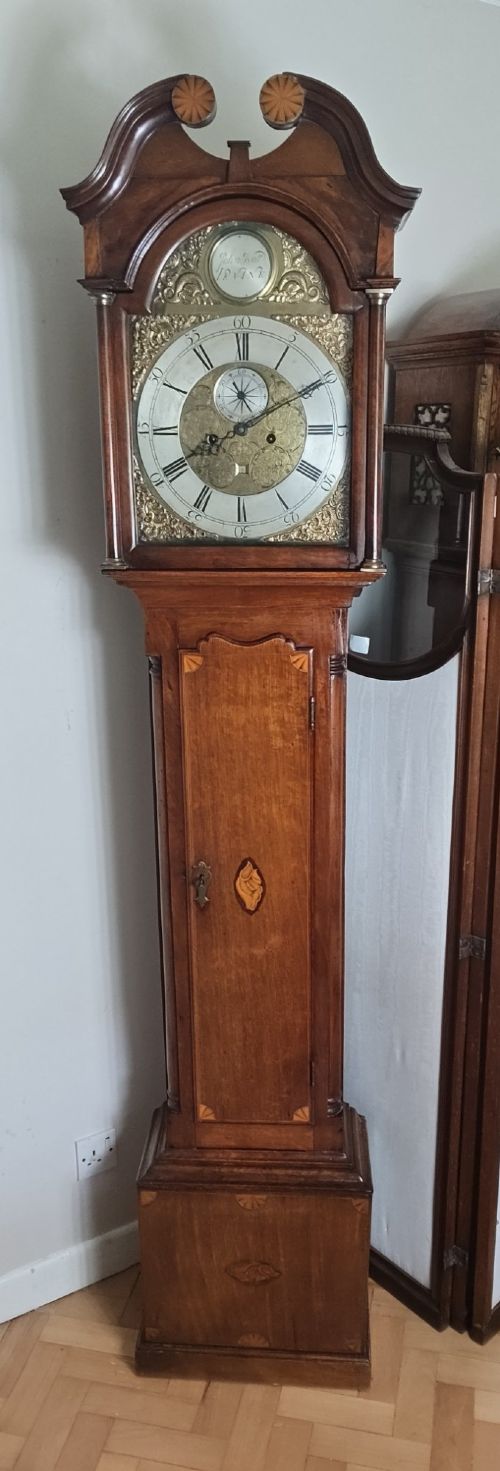
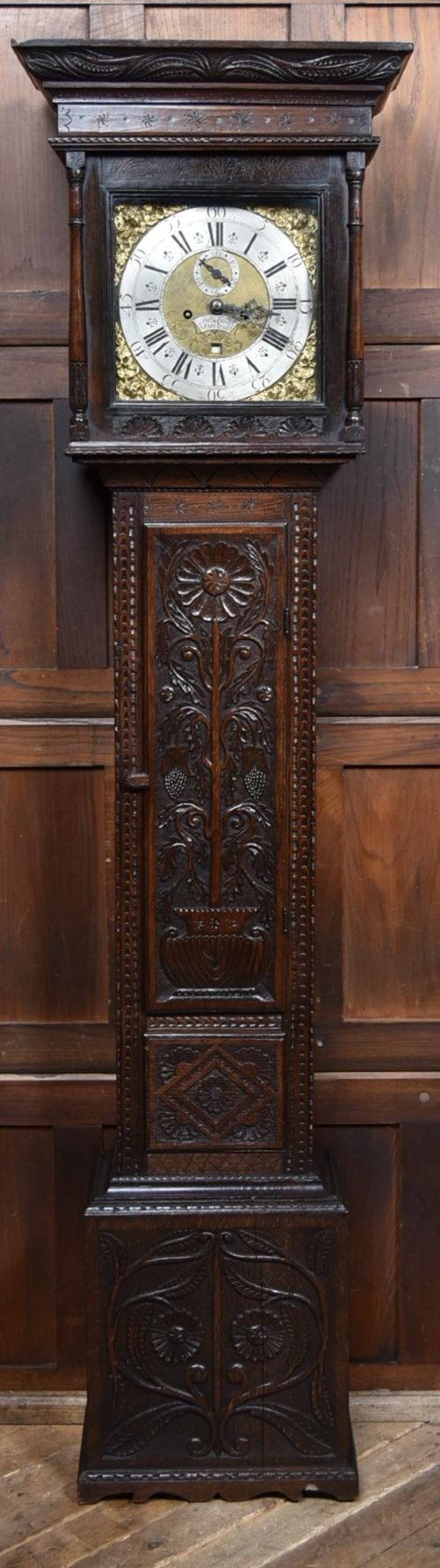
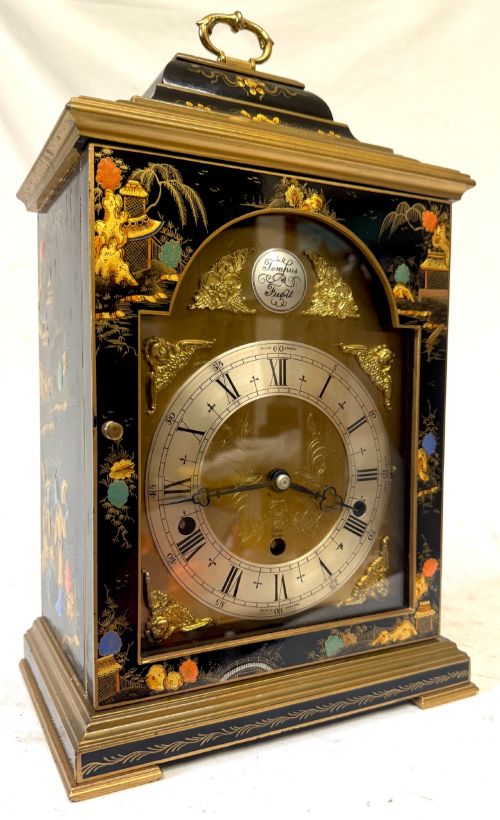
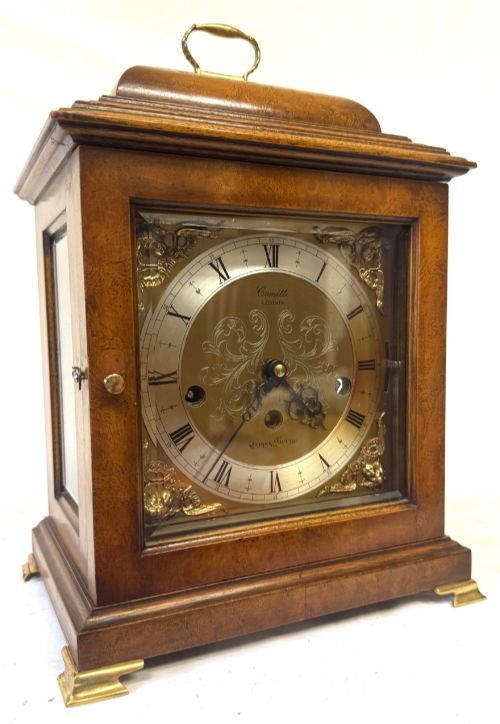
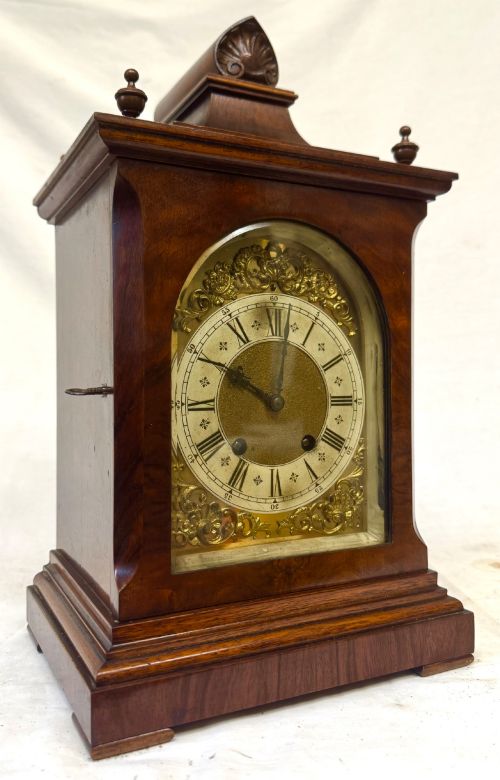
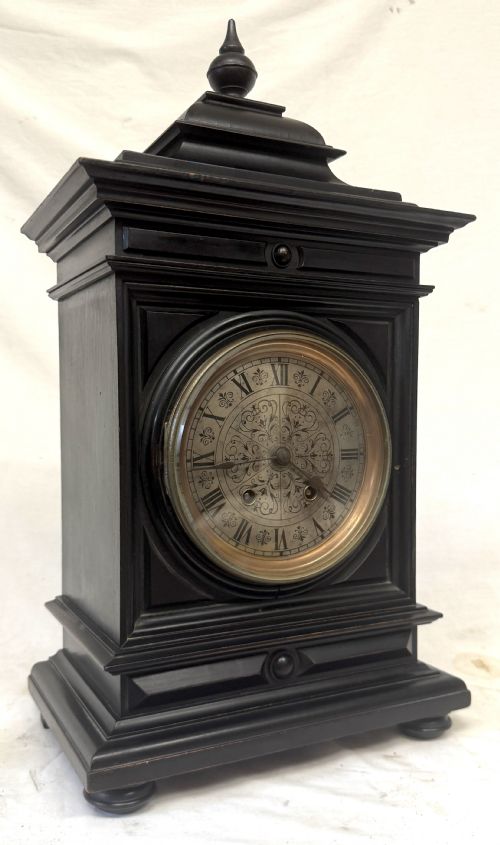
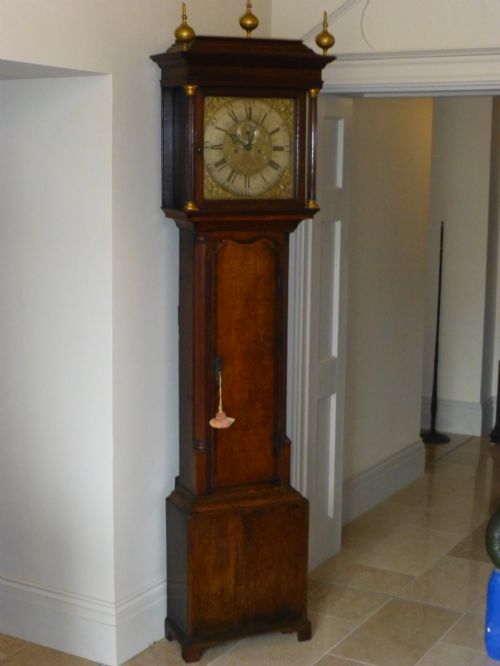
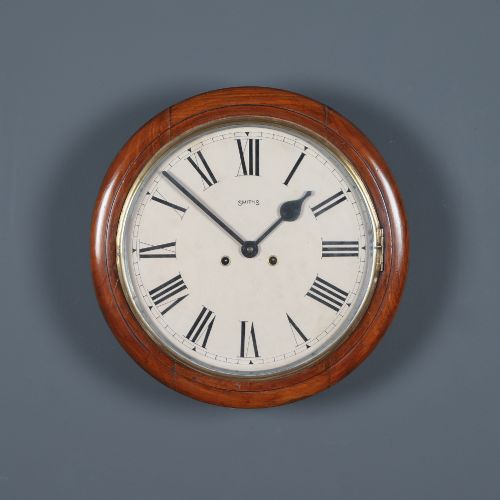
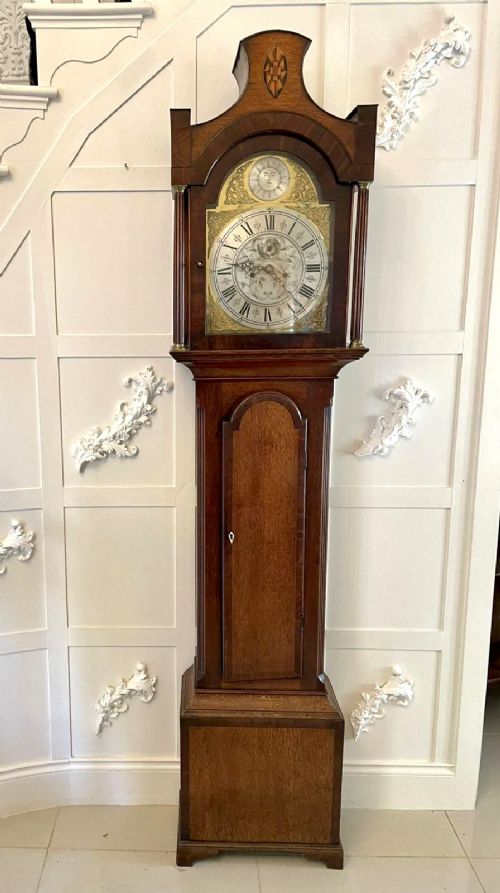
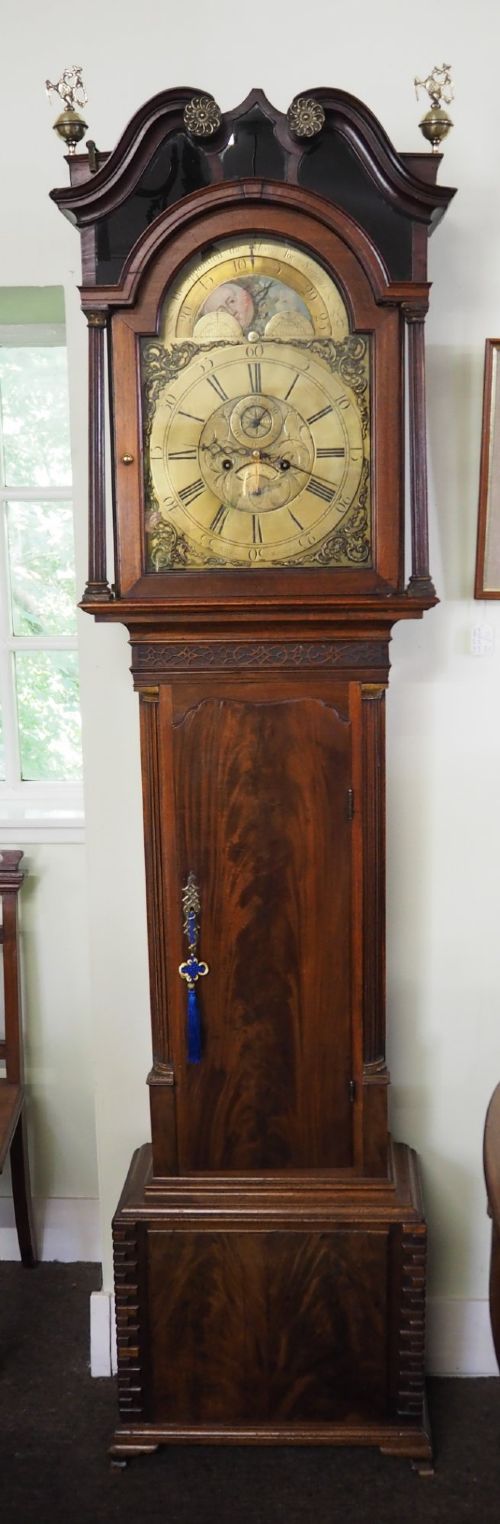
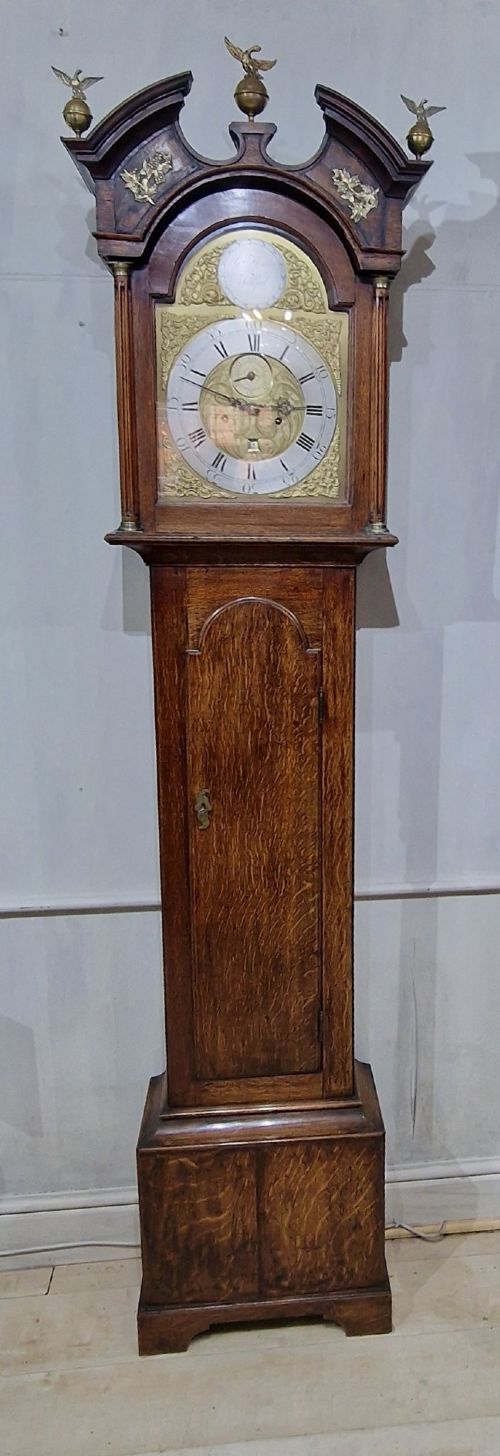
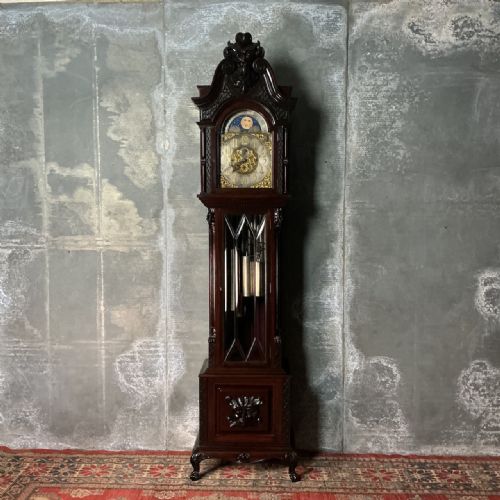
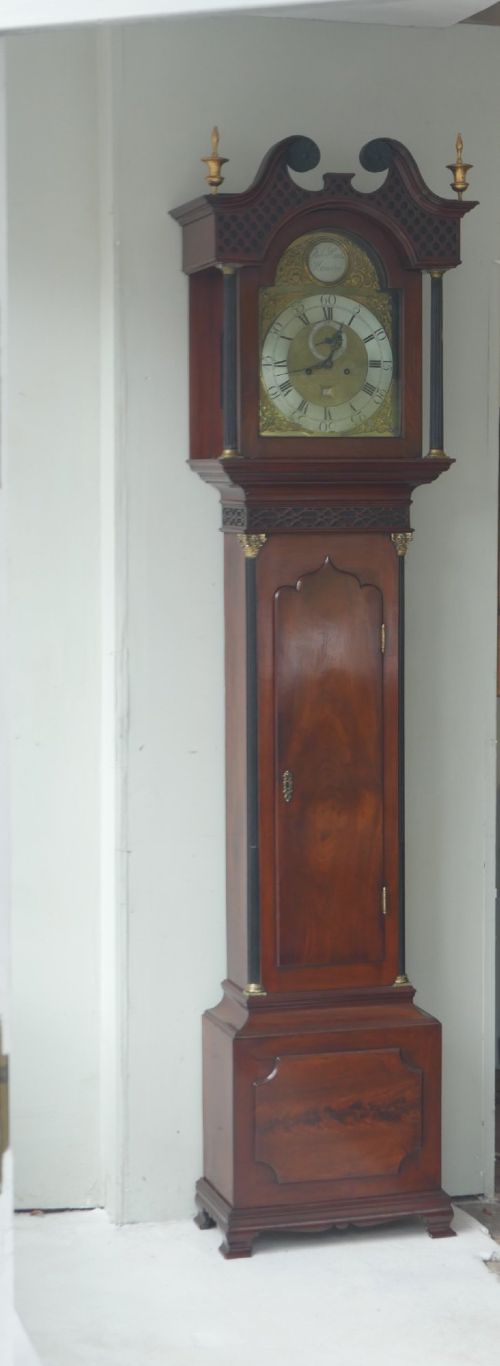
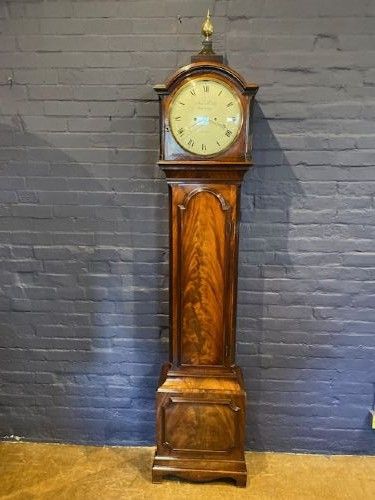
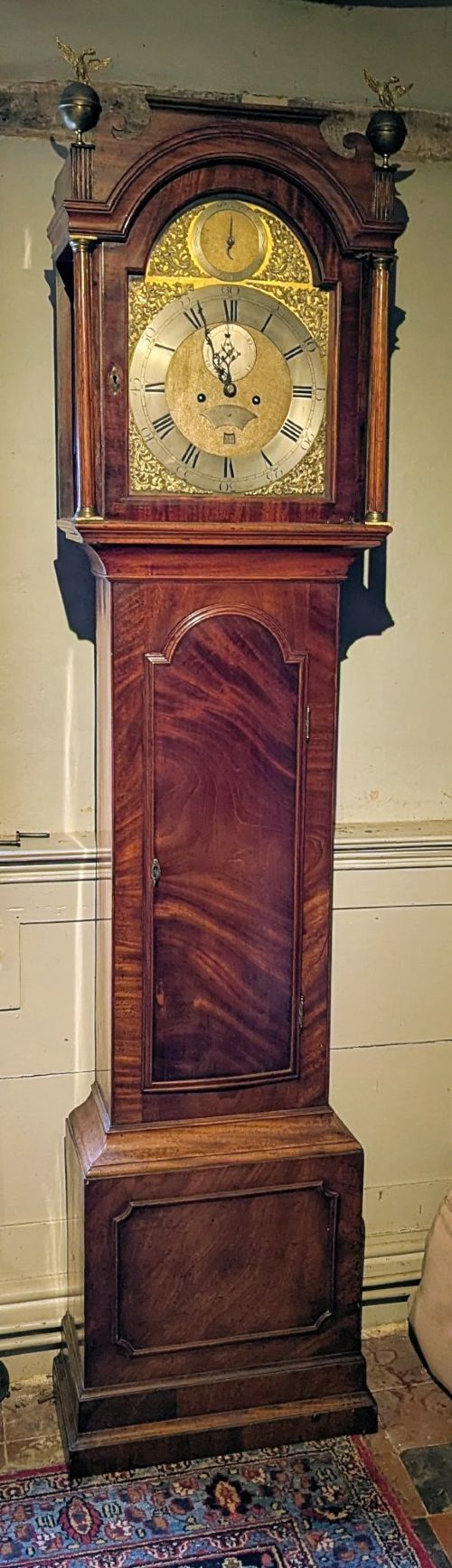
A traditional dial clock takes the form of wall-hung round dials, tall longcase grandfather clocks, and smaller mantel or bracket clocks. These pieces originate from the eighteenth, nineteenth, and early twentieth centuries, spanning periods such as the Georgian and Victorian eras.
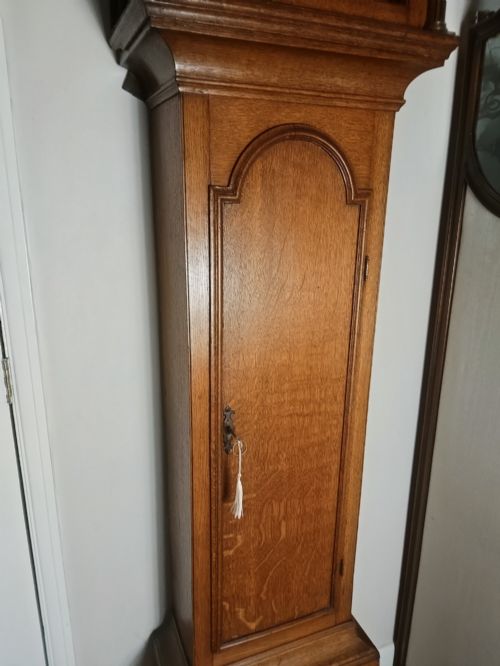
Wall-mounted examples often serve utility functions like railway and school timepieces, whilst longcase versions house weight-driven movements in tall wooden cases. Buyers encounter mahogany, oak, and walnut woods alongside brass and enamel dials.
Regional makers and larger firms produce these timepieces across Britain, incorporating movements from simple time-only designs to complex musical and chiming mechanisms.
How traditional dial clocks were made
Cabinetmakers construct the cases using hardwoods such as mahogany, oak, and walnut, frequently applying veneers like burr walnut or ebonised finishes. Joinery methods secure the tall trunks of longcase clocks and the compact frames of bracket and wall models.
Horologists assemble brass movements, fitting dials of painted enamel, silvered metal, or engraved brass. Fusee and weight-driven mechanisms regulate the time, whilst specialised workshops produce moonphase displays and chiming trains.
Listings span periods from the Georgian and Victorian eras through to the early twentieth century, utilising mahogany, oak, walnut, and brass.
What varies in quality
The refinement of the cabinetwork distinguishes standard production from superior examples, visible in the selection of figured wood grains and the crispness of carved details. Cabinet proportions and the integration of brass dial furniture reflect the workshop's standard.
Jn Smith Macclesfd·Elliott London·Comitti Of London·Lenzkirch·Smith of Chester·James Hendrie Falkirk·James McCabe·Samuel Kellett Bredbury·Winsor Bishop Norwich·Mappin And Webb·Parkinson Bros Batley
The Traditional Dial Clock Glossary
- Longcase clock
- A tall weight-driven timekeeper housed in a wooden trunk, commonly called a grandfather clock. These pieces stand on the floor and incorporate swinging pendulums.
- Fusee
- A conical pulley connected to the mainspring by a cord or chain that equalises the driving force as the spring unwinds. This mechanism improves timekeeping accuracy across the power reserve.
- Dial
- The face of the clock where hours and minutes are displayed via hands. These components feature painted enamel, brass, or silvered surfaces.
- Bracket clock
- A portable table or mantel clock originating from an era when such pieces rested on wall brackets. They often feature carrying handles and intricate movement trains.
- Verge movement
- An early type of escapement controlling the release of gear trains in clocks and watches. It works alongside a balance wheel or pendulum to regulate time.
Traditional Dial Clock: Frequently Asked Questions
What is a fusee dial wall clock?
A fusee dial wall clock is a round-faced timekeeper designed to hang on a wall, powered by a spring-driven movement regulated by a fusee cone. These pieces were utilised in offices, railway stations, and schools for reliable timekeeping.
The fusee mechanism ensures steady tension on the gear train as the spring relaxes, maintaining accuracy. Their clean circular faces feature glass front doors set within wooden surrounds.
How do I tell an 18th-century longcase clock from a Victorian one?
Eighteenth-century longcase clocks typically exhibit simpler oak or early mahogany proportions with square brass dials and engraved maker plates. Victorian examples often display darker woods, larger cases, and painted enamel dials with elaborate decoration.
Cabinet styles shift across these periods, moving from restrained Georgian lines to heavier Victorian ornamentation and musical or chiming variations.
Where were traditional dial clocks used?
Traditional dial clocks served as primary timepieces in domestic hallways, formal rooms, and commercial spaces. Wall-mounted round dials appeared in railway stations and institutions where clear visibility was essential.
Grandfather and bracket clocks anchored the main rooms of domestic houses, marking hours with gongs, bells, or chimes depending on the complexity of the movement.
How do I care for a mechanical antique clock?
Antique clocks require placement on stable walls or level surfaces away from direct heat and sudden temperature changes. Winding must follow the specific intervals of the movement, whether eight-day or thirty-hour.
Professional servicing helps maintain the brass gears, escapements, and suspension springs. Regular maintenance preserves the operational life of the mechanism.