


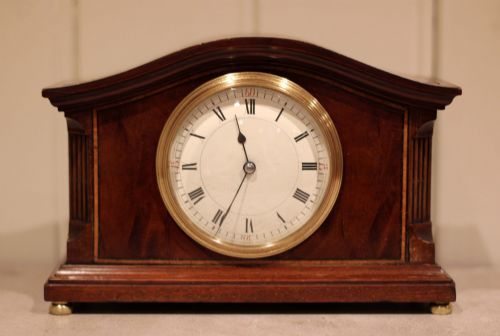


Dark Brown Clock
A dark brown clock brings rich wood tones and precise timekeeping traditions into a room, spanning periods from the Georgian era through to the twentieth century.
Dark Brown Clock
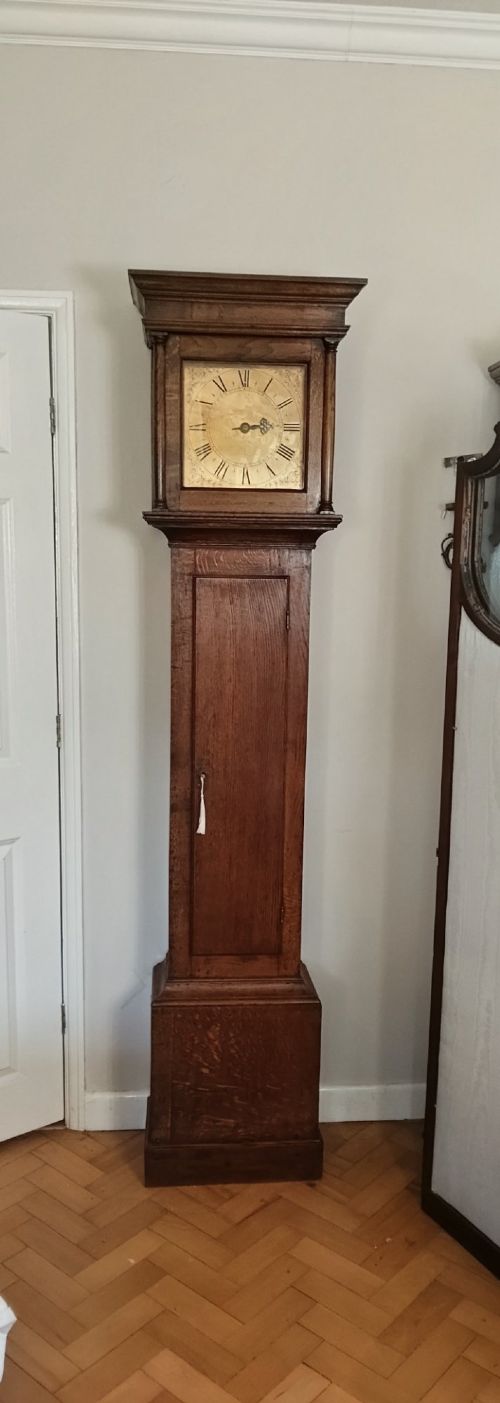
A dark brown clock encompasses a wide variety of timepieces, with longcase grandfather clocks and mantel clocks forming the majority of the choices on this page. These pieces emerge from periods including the Georgian and Victorian eras, alongside later twentieth-century examples.
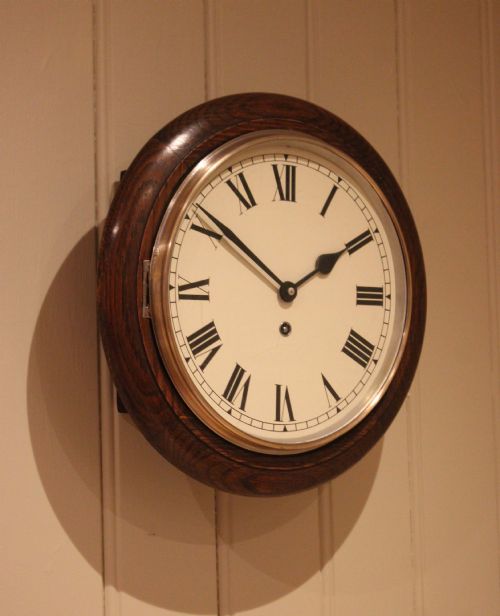
Buyers encounter striking wall clocks, bracket clocks, and smaller desk timepieces alongside floor-standing versions. Materials lean heavily towards warm, dark timbers such as oak, mahogany, and kingwood, reflecting centuries of cabinet-making heritage.
Origins vary from English provincial workshops and London makers to German Black Forest carvers and French ateliers. Each piece demonstrates the regional preferences and horological skills of its specific period of manufacture.
How they were made
Cabinet makers utilised solid and veneered timbers such as oak, mahogany, and kingwood to construct the cases, often incorporating carved details and glass viewing panels. Dial faces combine painted enamel, brass, and metal components to display the hours.
Mechanical movements rely on brass gears, iron parts, and weight-driven or spring-driven systems, sometimes featuring complex mechanisms like moon phases or musical chimes. Bakelite and carved wood appear in later twentieth-century iterations.
Black Forest pieces showcase intricate hand-carved wood techniques, while traditional longcase designs rely on sturdy joinery to house eight-day or thirty-hour movements securely.
Some cuckoo clocks insist on interrupting conversations precisely on the hour.
What varies in quality
The sophistication of the movement and the crispness of the dial work separate standard examples from finer pieces. Dial painting, brass engraving, and the complexity of chiming or musical mechanisms reflect the maker's original investment of time and skill.
Case construction and timber selection dictate overall durability and visual depth. Dense grain patterns in mahogany or quarter-sawn oak, combined with precise hand-carving or clean veneering, elevate the presence of the clock.
Bush of London·Turner of London·Edward White Birmingham·Brockbanks of London·Matt Wylie Paisley·John Wilson London
The Dark Brown Clock Glossary
- Longcase clock
- A tall pendulum clock enclosed in a wooden case designed to stand directly on the floor. These pieces are frequently referred to as grandfather clocks.
- Bracket clock
- A portable table or mantel clock originally designed to sit on a wall bracket. Many examples feature sophisticated spring-driven movements.
- Fusee movement
- A conical pulley mechanism used in clocks to equalise the diminishing power of the mainspring as it unwinds. This system helps maintain consistent timekeeping accuracy.
- Dial
- The face of the clock where the hours and minutes are displayed. Dials are constructed from brass, painted iron, or enamel.
- Moon phase
- A dial complication that tracks the lunar cycle alongside standard time. This feature appears on finer longcase clocks.
Dark Brown Clock: Frequently Asked Questions
How do I wind an eight day clock?
Eight-day clocks require winding using a specialised key inserted into holes on the dial face, gently turning until resistance is felt.
Care must be taken not to overwind the mechanism, as this can damage the spring or chain inside.
Where should I place a longcase clock?
Longcase clocks need a stable, level floor against an interior wall away from direct sunlight and heavy vibrations.
Placing them on uneven surfaces can disrupt the delicate balance of the pendulum and cause the clock to stop.
What is the difference between a mantel clock and a bracket clock?
Mantel clocks are generally designed to sit flat on a shelf or fireplace mantel without requiring a wall support.
Bracket clocks historically featured a wall-mounted shelf to hold them, though many later versions function as portable desk or table clocks.
How do I identify a Georgian clock?
Georgian clocks date from the eighteenth and early nineteenth centuries, displaying classic proportions and traditional timber choices like oak and mahogany.
Their dials often feature maker signatures, ornate brass spandrels in the corners, and hand-engraved details.