



Mechanical Bracket Clock
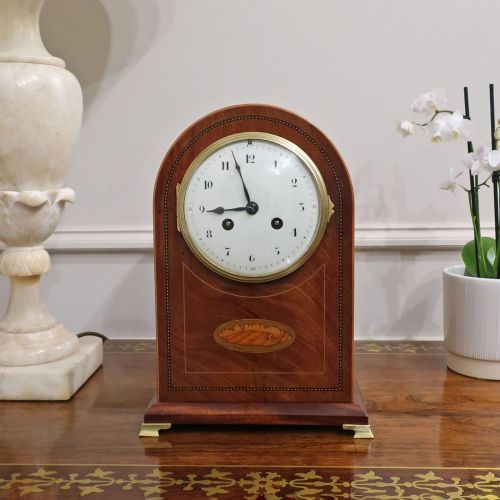
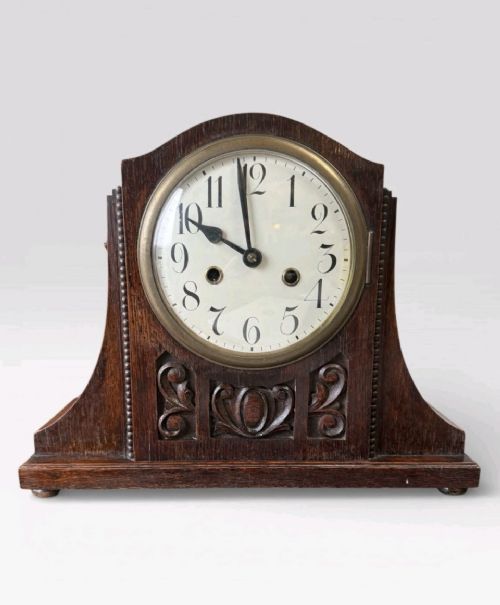
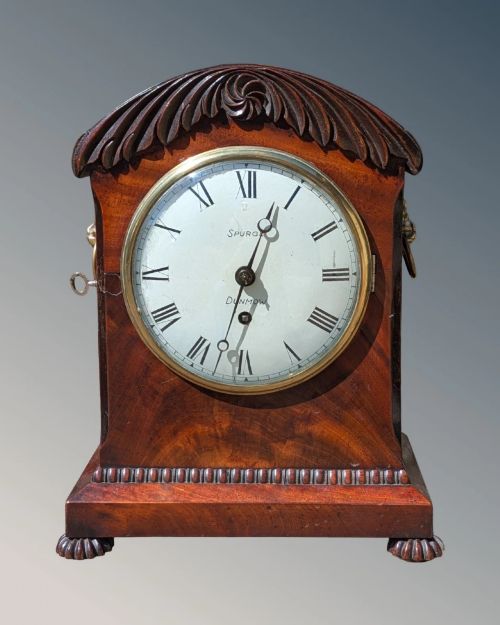
A mechanical bracket clock brings precise engineering and traditional timber casework together, making it a functional centrepiece for any room.
Mechanical Bracket Clock
A mechanical bracket clock is a portable timepiece designed to sit on a table, shelf or specific wall bracket, featuring a spring or weight-driven movement rather than electronic components. When searching for a mechanical bracket clock, buyers encounter various forms spanning the Regency, Victorian and Edwardian eras.
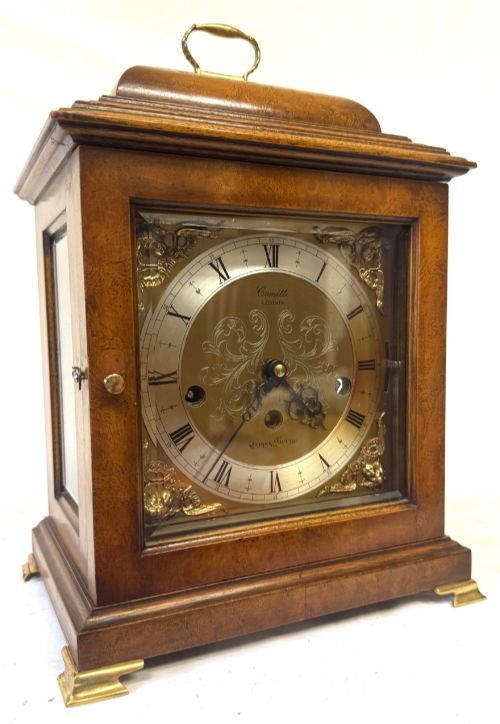
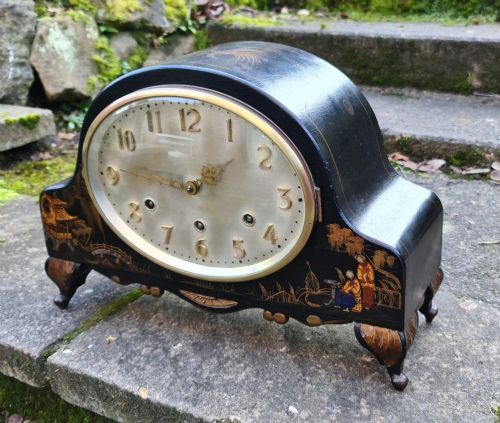
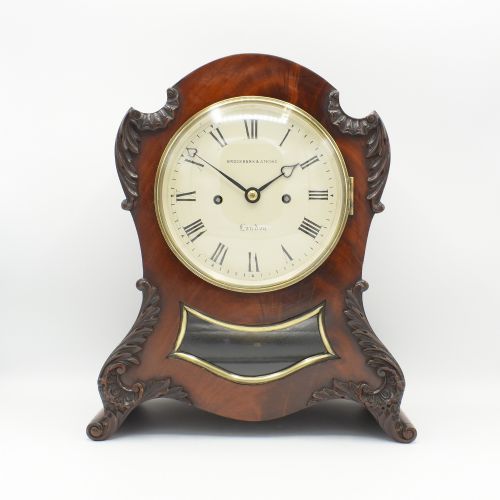
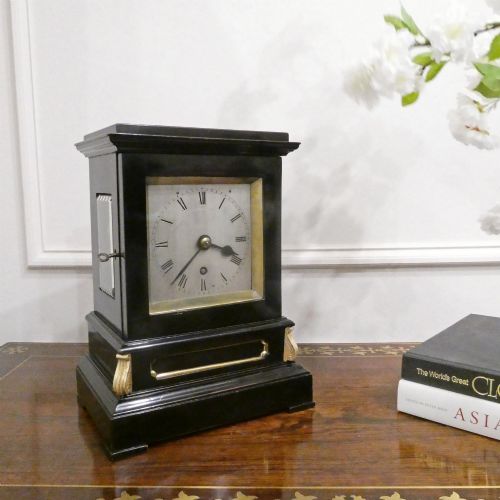
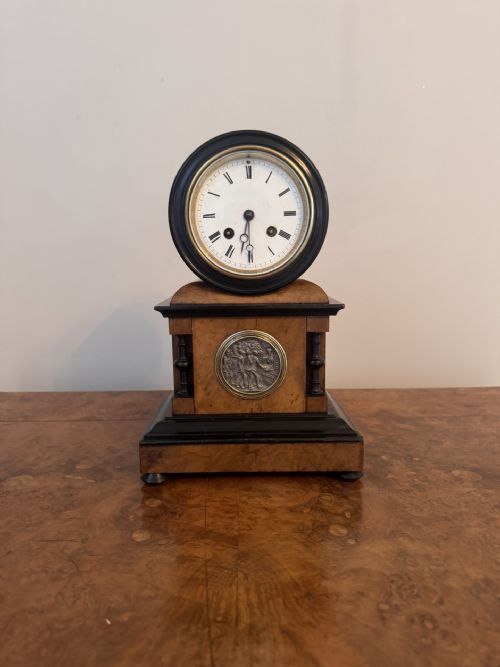
The selection ranges from early nineteenth-century mahogany fusee designs to later chiming models in oak, ebonised wood and burr walnut. These pieces frequently display regional maker signatures on their dials or movements, reflecting a long tradition of British and continental clockmaking.
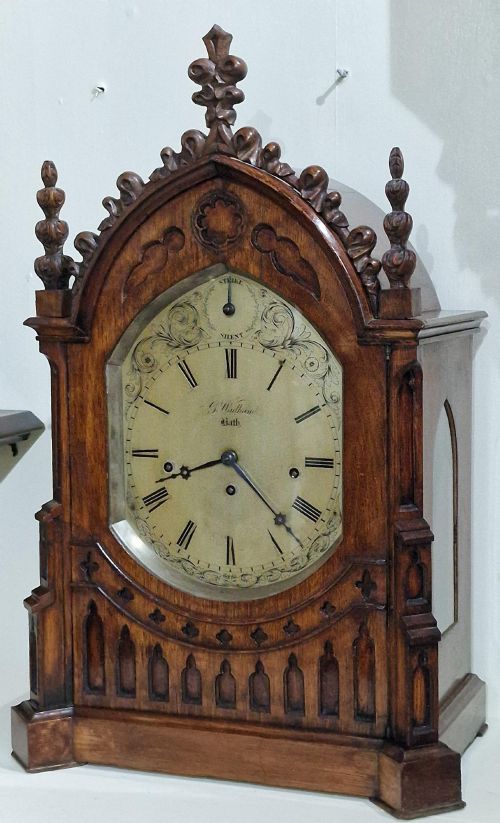
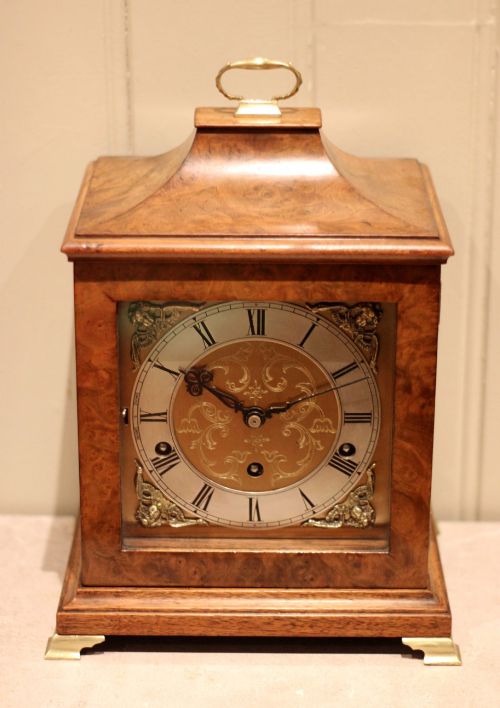
Many examples take traditional architectural shapes, including lancet tops, balloon cases and basket top configurations with glass panels that expose the internal mechanism. Their origins vary from provincial English workshops to notable London makers and continental factories.
Materials and construction
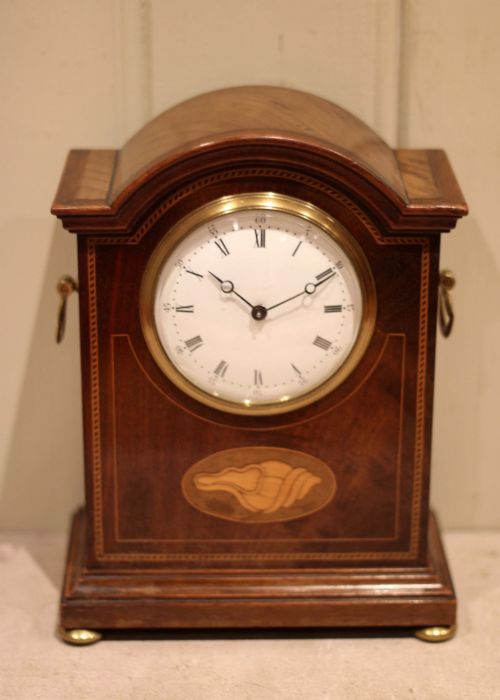
Cabinetmakers constructed the housing using dense timbers such as mahogany, oak and walnut, often applying veneers, brass inlay or ebonised finishes to achieve architectural depth. Cases incorporated glazed panels of glass to protect the dial while allowing visibility of the inner workings.
The mechanical movements rely on brass gears, springs and escapements, driven by fusee chains or mainspring barrels that regulate the transfer of power. Dials feature silvered brass, painted enamel or metal chapter rings with distinct numerals to indicate time.
Mechanical Bracket Clock Retail Price Guide 2026
Typical asking prices for mechanical bracket clock among the pieces listed under this phrase on Sellingantiques today, from the lower quarter to the upper quarter. They describe what is for sale here now, not the wider market.
Listings feature woods like mahogany, burr walnut and oak, paired with brass movements dating from the Regency period through to the Edwardian era.
Assessing quality in movement and casework
The refinement of the mechanical movement largely determines the standing of a piece, particularly the complexity of fusee or chiming trains and the crispness of the brass cutting. Finer examples possess clean, well-maintained gear trains that maintain accurate time and reliable chime sequences.
Cabinetwork quality appears in the selection of timber veneers, the precision of brass stringing and the preservation of original French polished surfaces. Pieces that retain their signed dials and untouched internal components command greater interest among collectors.
Comitti Of London·George Wadham Bath·Brockbanks And Atkins·Mappin And Webb·Louis Recordon·Winterhalder And Hofmeier
The Mechanical Bracket Clock Glossary
- Fusee
- A conical pulley used in mechanical clocks to maintain an even pull on the movement as the mainspring unwinds. This mechanism ensures consistent timekeeping power throughout the duration of the wind.
- Ting-Tang
- A two-hammer striking mechanism that sounds two different notes on bells or gongs to indicate the passing quarters. It provides a distinct auditory cue distinct from full hour chimes.
- Chapter ring
- The circular ring on a clock dial that bears the hour numerals. These are frequently silvered or enamelled to contrast against the surrounding dial plate.
- Lancet top
- An architectural case style featuring a pointed, arch-shaped top reminiscent of Gothic lancet windows. This silhouette appeared frequently on nineteenth-century mantel timepieces.
- Triple fusee
- A movement incorporating three separate fusee chains to drive the timekeeping, striking and chiming trains independently. Such movements are typically found in more complex musical bracket clocks.
Mechanical Bracket Clock: Frequently Asked Questions
How do I wind a mechanical bracket clock?
Winding requires inserting the appropriate key into the winding arbors on the dial face and turning gently until resistance is felt. Care must be taken not to overwind the mainspring.
Different movements require different intervals, with many eight-day models needing attention once a week to maintain continuous operation.
Where should I place a bracket clock?
These clocks need a stable, level surface such as a sturdy mantelpiece, sideboard or dedicated wall bracket to ensure the pendulum or balance wheel beats evenly. Placing them away from direct sunlight and draughts preserves the timber veneer and movement lubrication.
Level placement is essential because an unlevel surface causes the escapement to tick unevenly and eventually stop the clock.
How do I identify the period of a clock?
Dating relies on stylistic clues in the woodwork, dial materials, and the evolution of the mechanical movement. Regency pieces often feature clean mahogany cases with brass inlay, while Victorian and Edwardian examples introduce heavier carvings or chiming complications.
Maker signatures and hallmarks on the movement plates also provide reliable clues for narrowing down the decade of manufacture.
What is the difference between a timepiece and a clock?
In horological terms, a timepiece is a clock that simply tells the time without any striking or chiming mechanisms. It contains only a going train.
Clocks with additional trains can sound the hours, quarters or play musical tunes using bells, gongs or organ barrels.