
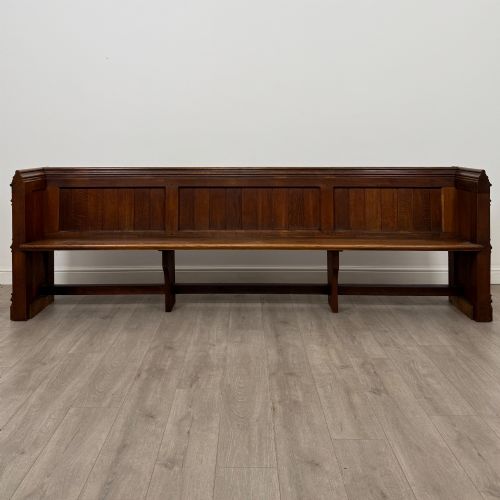
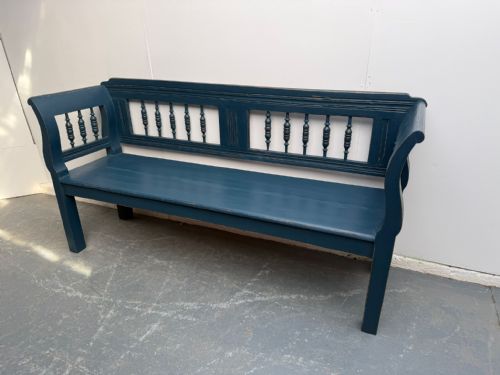


Traditional Church Pew
These traditional church pew forms bring domestic utility and monumental presence to modern hallways and living spaces alike.
Traditional Church Pew
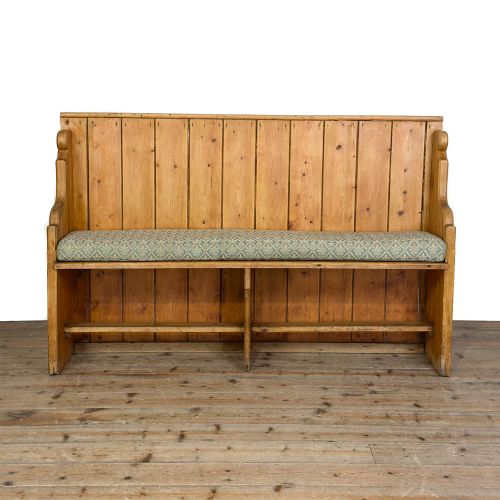
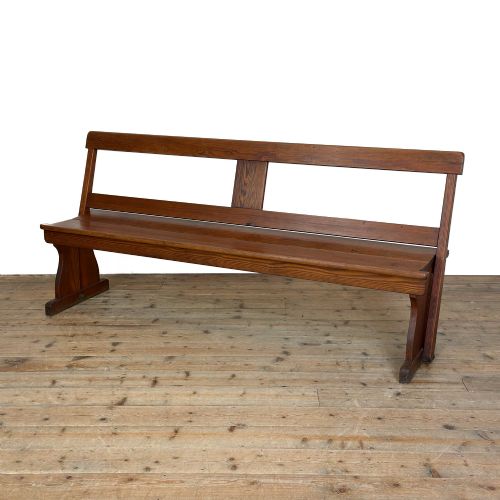
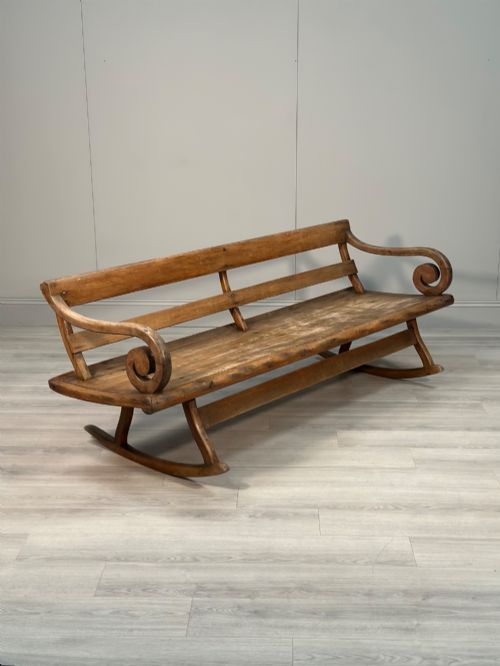
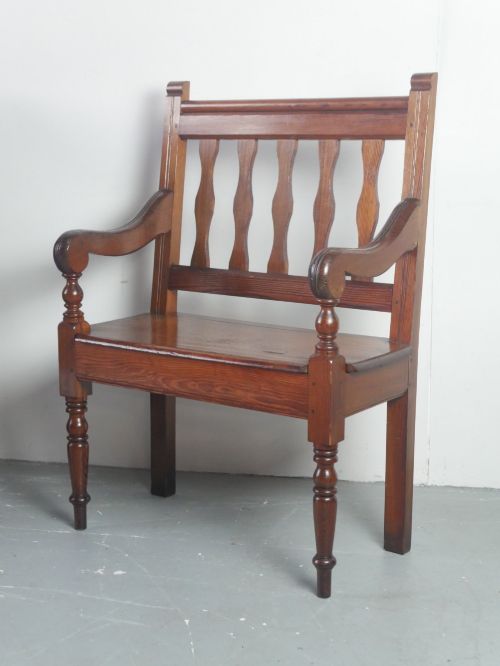
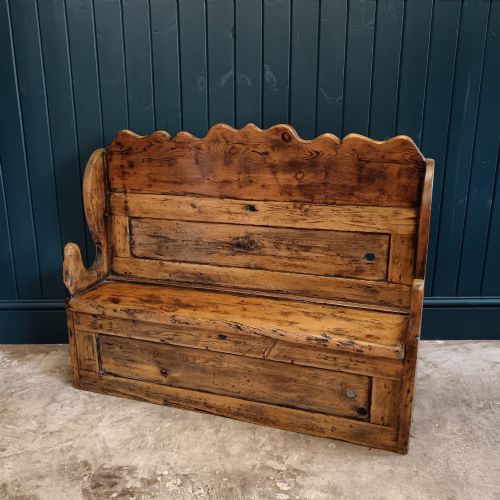
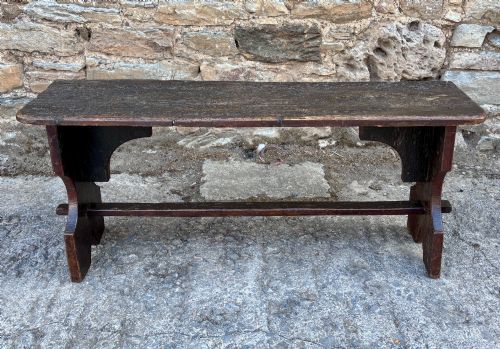
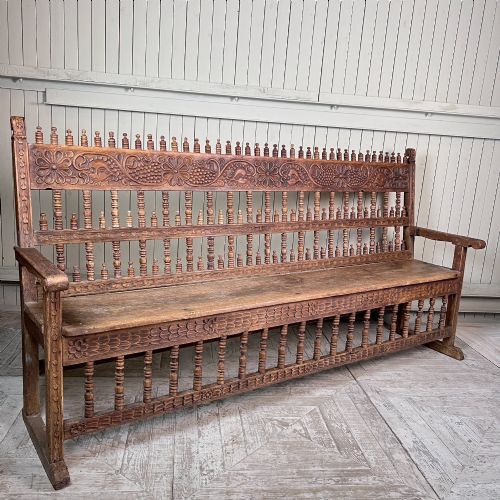
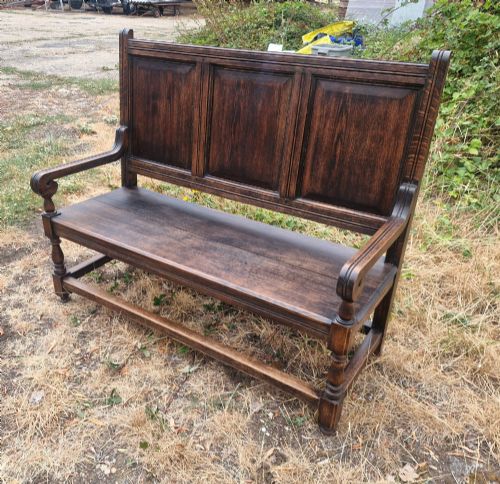
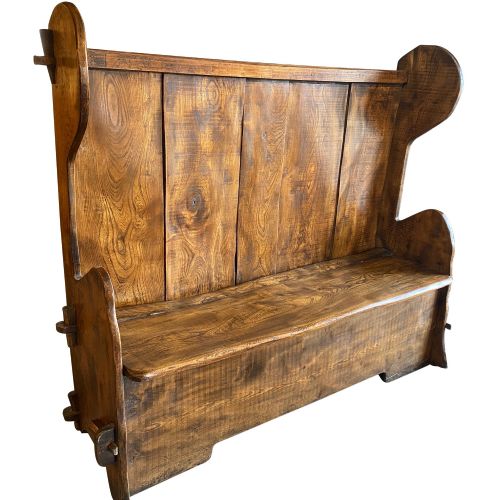
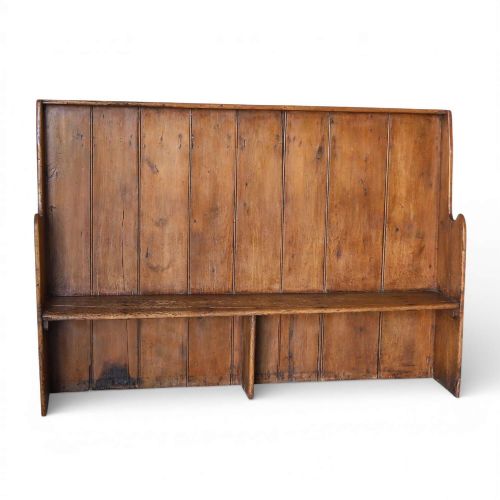
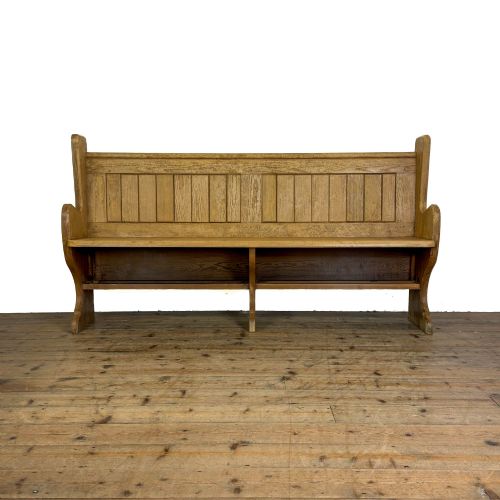
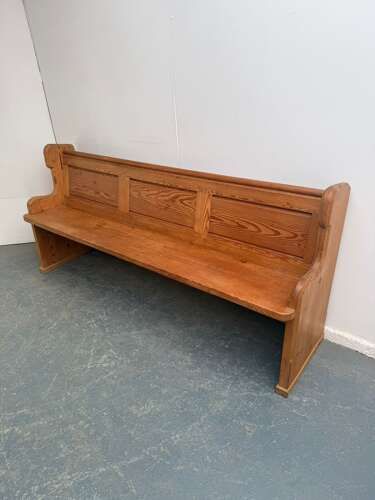
A traditional church pew offers long, linear seating derived from ecclesiastical and vernacular domestic interiors. The examples met on this page span the eighteenth century through to the early twentieth century, taking the form of benches, settles, and chapel pews. Most pieces rely on plain timber construction intended for communal seating in churches, chapels, and taverns.
Beyond strict ecclesiastical seating, the selection includes high-back settles with storage boxes, flip-over chapel benches, and narrow hall benches suited for domestic corridors. Materials range from humble local pine and elm to substantial oak, reflecting both rural vernacular traditions and formal revival styles.
How they were made
Construction relies on solid timbers such as pine, oak, pitch pine, and elm, assembled using traditional joinery methods suited for heavy institutional use. Many pieces incorporate panelled backs, pegged joints, and box bases designed to withstand decades of daily sitting.
Surfaces show various historical treatments, ranging from wax-polished natural grain and honey brown patinas to original painted finishes in blue and other regional pigments.
Traditional Church Pew Retail Price Guide 2026
Typical asking prices for traditional church pew among the pieces listed under this phrase on Sellingantiques today, from the lower quarter to the upper quarter. They describe what is for sale here now, not the wider market.
Listings feature solid timber construction across pine, oak, and elm, spanning periods from the eighteenth century to the Edwardian era.
What varies in quality
Quality rests in the integrity of the timber selection and the retention of original structural surfaces. Pieces retaining genuine patination, untouched wax finishes, or documented institutional markings command greater interest than those stripped down or heavily restored.
Proportion and scale also dictate distinction, particularly where high backs, integrated storage boxes, or unusual regional forms like Hungarian or Spanish Colonial benches survive intact.
The Traditional Church Pew Glossary
- Settle
- A wooden bench with a high back, solid arms, and often a box compartment beneath the seat to block draughts in domestic rooms.
- Patina
- The surface sheen and colour developed over decades through handling, waxing, and exposure to light.
- Pitch pine
- A resinous North American pine used for robust utilitarian furniture during the nineteenth century.
- Box settle
- A form of seating featuring a hinged lid on the seat base, providing concealed storage within the framework.
- Vernacular
- Furniture built by local tradespeople using regional materials for everyday functional use rather than following high-style metropolitan fashions.
Traditional Church Pew: Frequently Asked Questions
How were traditional church pews originally used?
These pews provided communal seating in churches, chapels, and meeting houses, while related tavern benches served patrons in public inns.
Domestic variants like high-back settles were placed near firesides to block cold draughts from entering open rooms.
Can I use a church pew in a hallway?
Narrow chapel pews and slim hall benches fit well in corridors because their straight backs sit flush against walls.
Many examples offer shallow depths that provide practical seating without obstructing narrow entryways.
How do I care for a waxed pine bench?
Maintain waxed pine surfaces by dusting with a soft cloth and applying a traditional beeswax coating periodically.
Keep wooden seating away from direct heat sources and strong sunlight to prevent the timber from drying out.
What is the difference between a pew and a settle?
Pews generally feature open backs and simple bench frames designed for rows in ecclesiastical buildings.
Settles incorporate solid panelled backs and enclosed bases with armrests, designed originally for domestic warmth and privacy.