
Traditional Brass Dial Clock
A traditional brass dial clock brings mechanical honesty to a room through the rhythmic movement of metal and the warmth of timber.
Traditional Brass Dial Clock
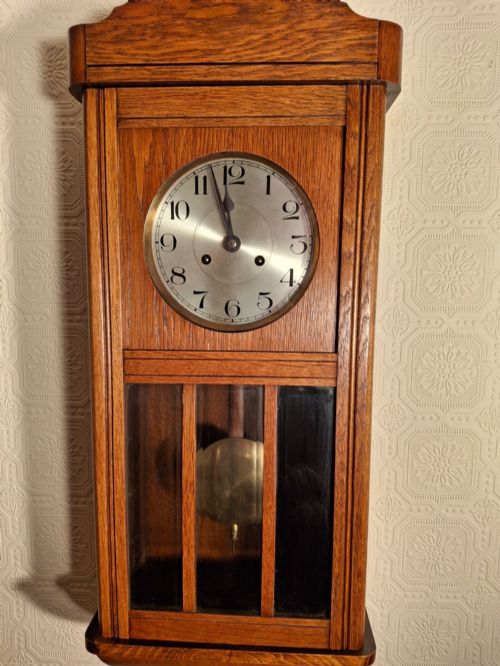
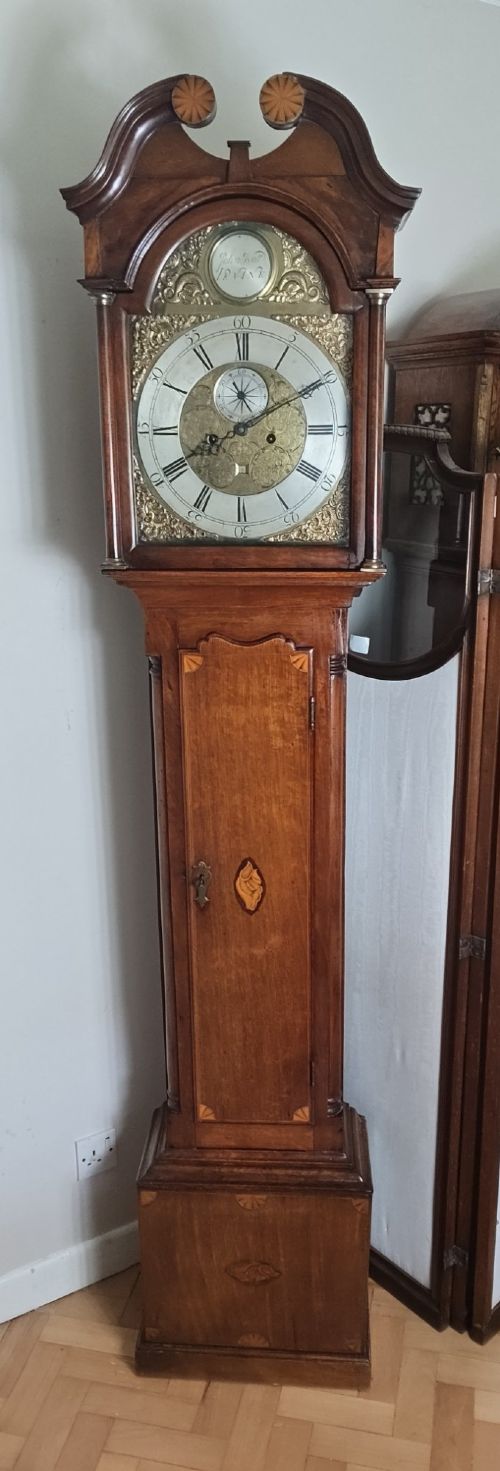
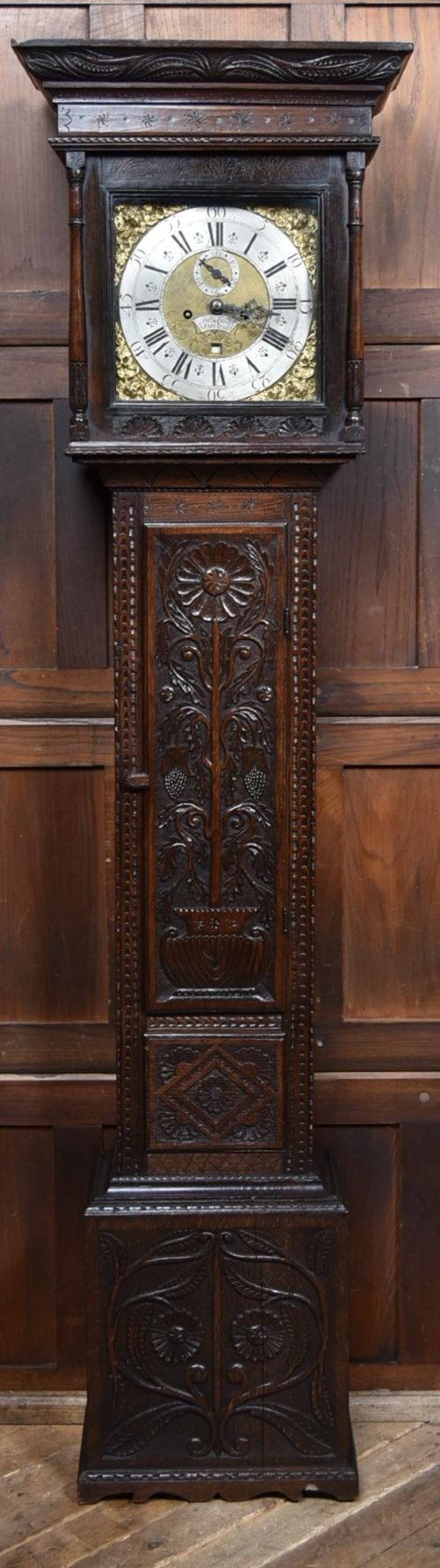
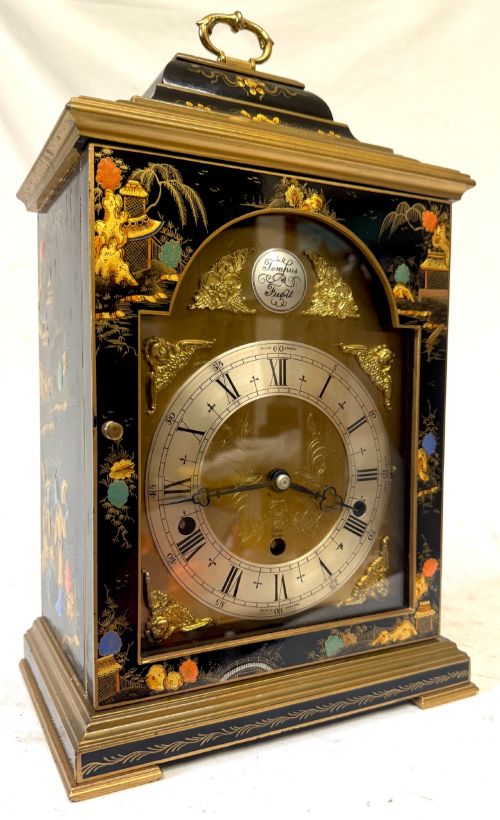
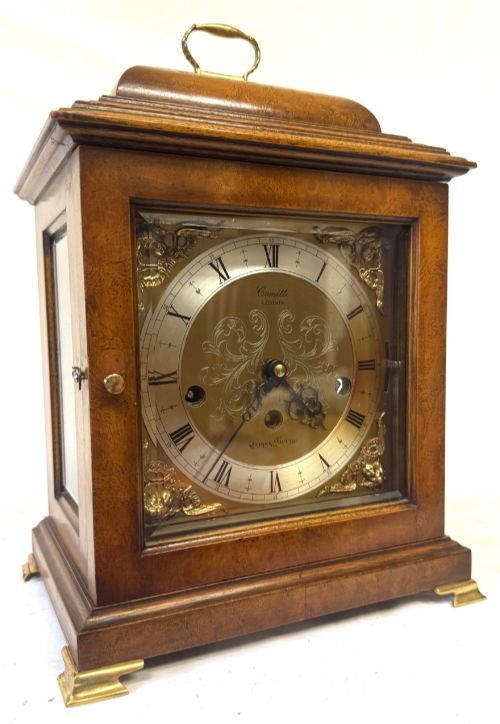
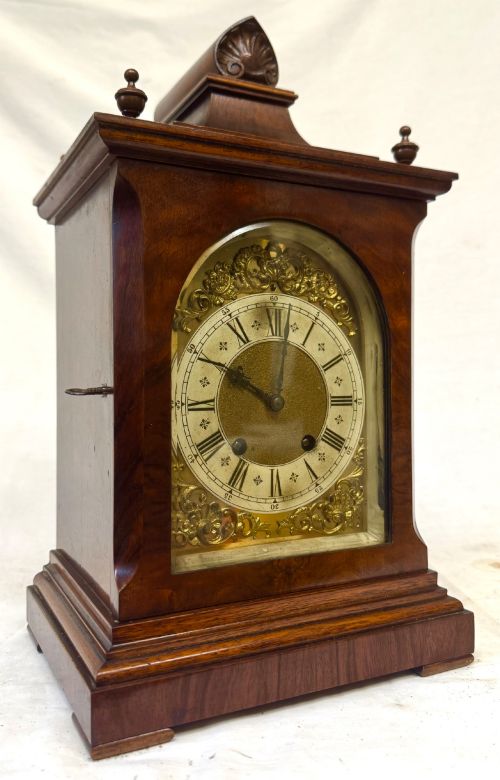
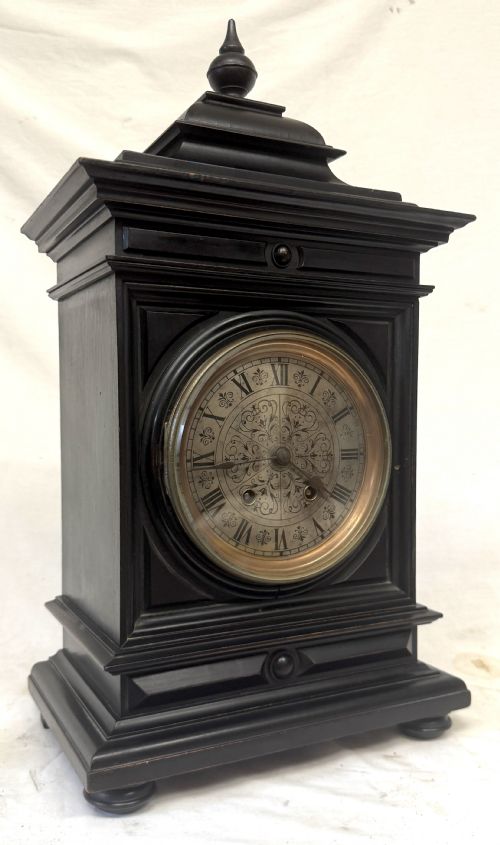
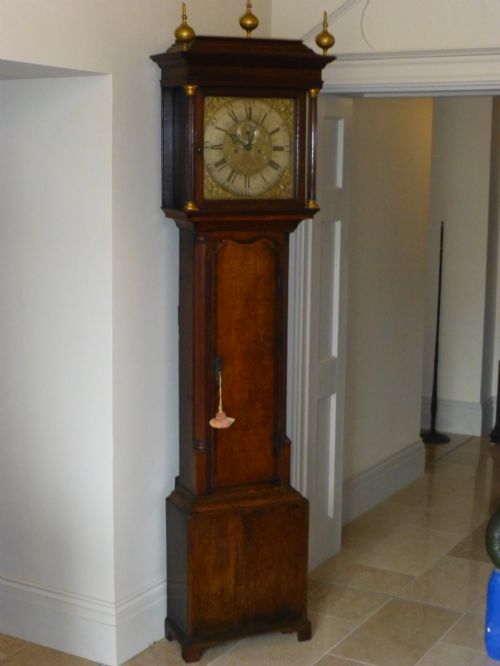
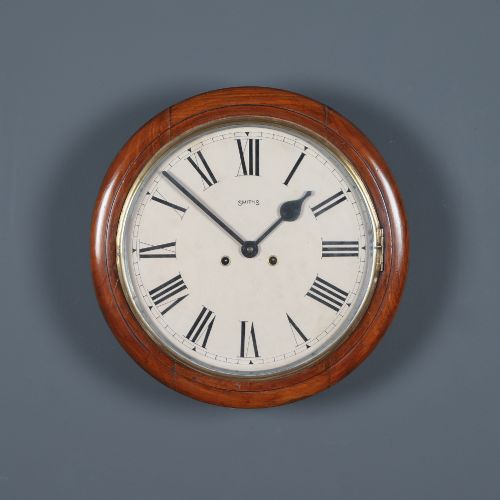
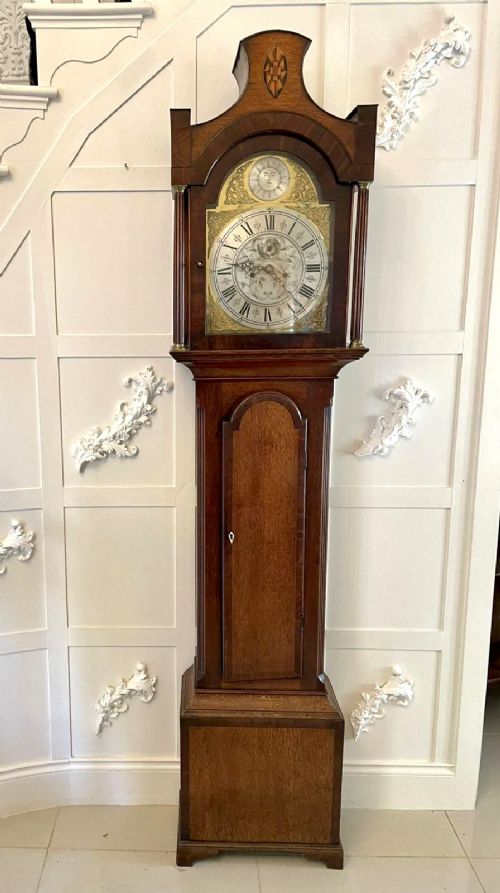
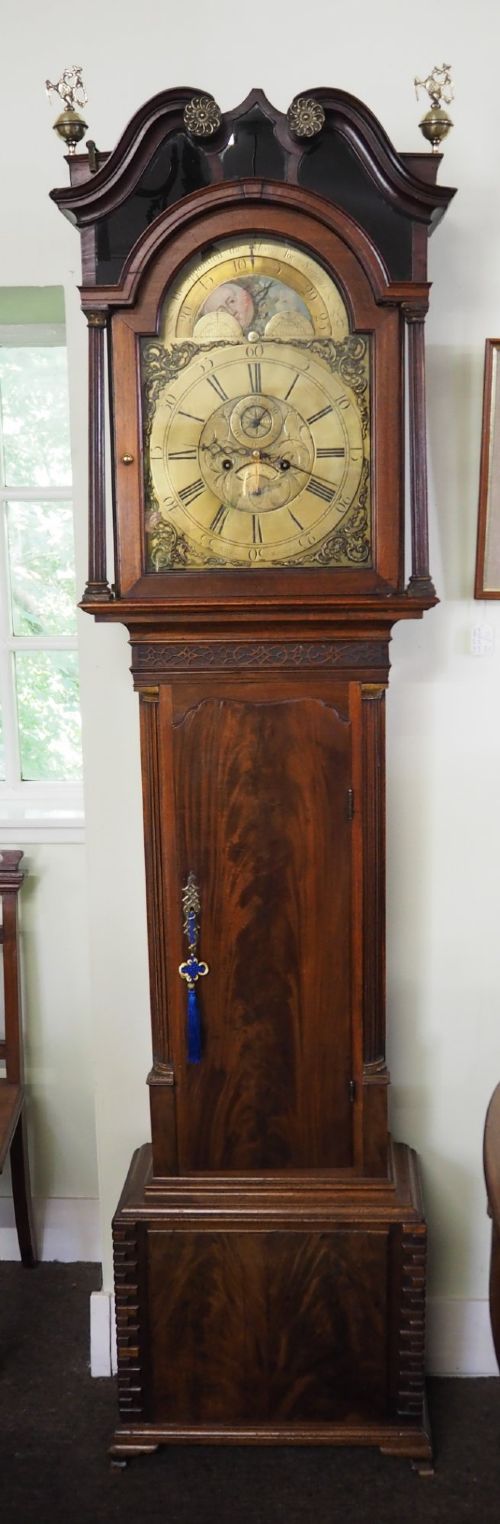
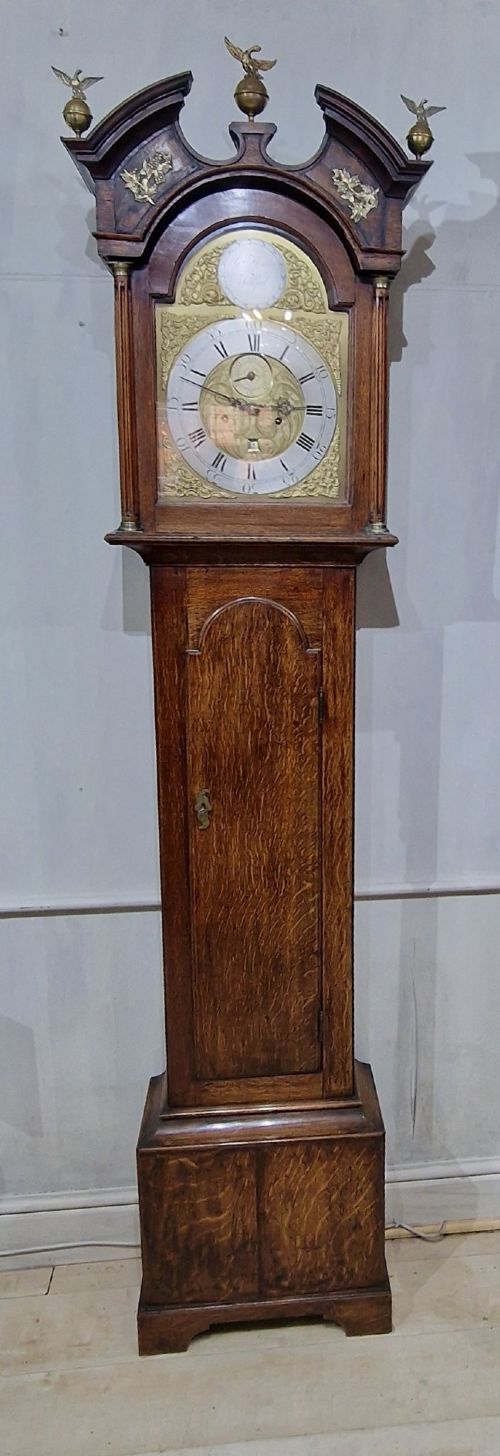
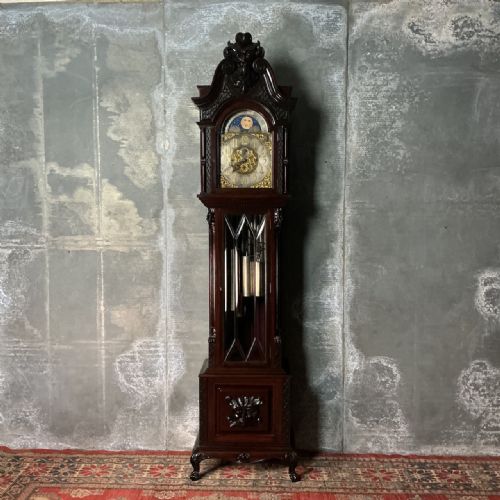
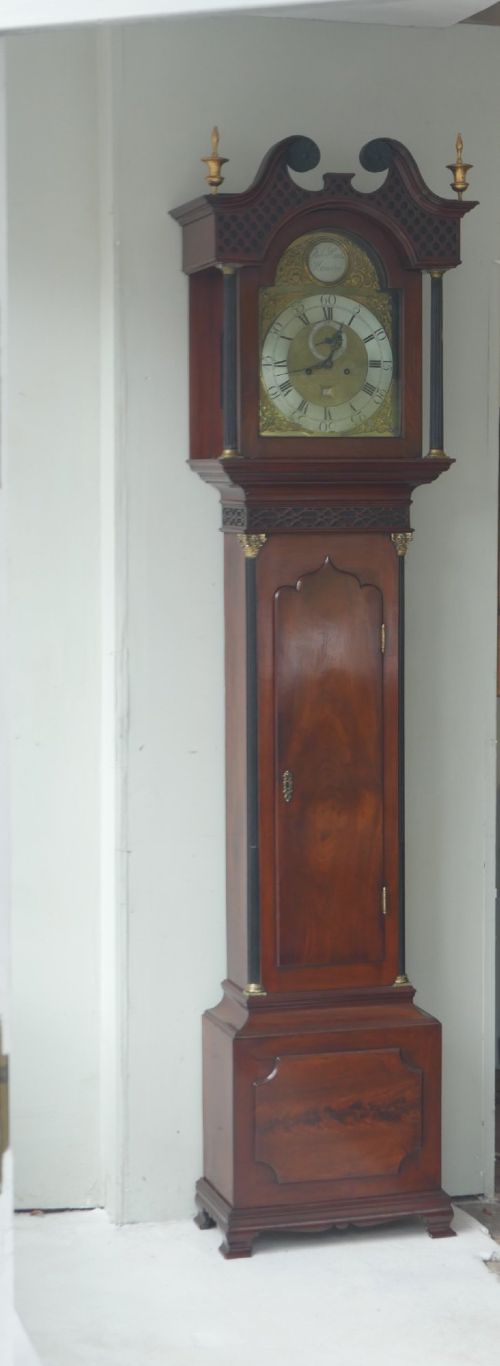
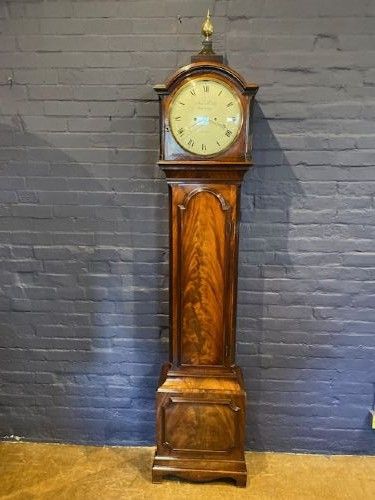
A traditional brass dial clock encompasses tall floor-standing longcase examples alongside compact wall regulators and tabletop mantel pieces. The pieces span periods from the eighteenth century through to the twentieth, reflecting changes in domestic timekeeping over generations.
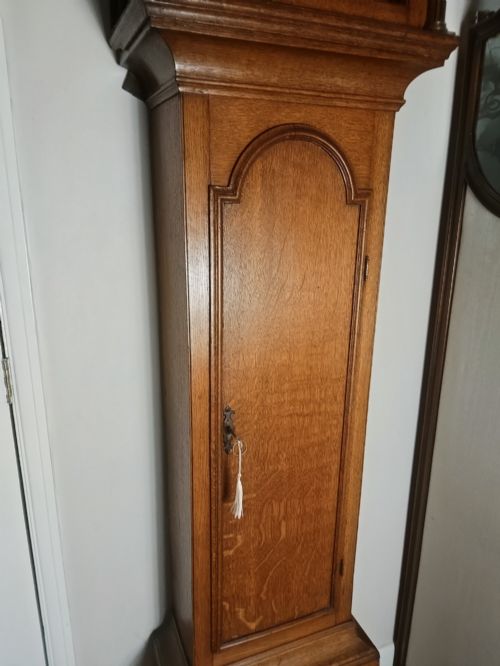
The longcase or grandfather format predominates in oak and mahogany, while smaller bracket and wall versions utilise walnut or ebonised wood. These items served as central timepieces for households, combining utility with craftsmanship.
Makers housed these movements in regional oak cases during the Georgian era or refined mahogany and burr walnut housings in later Victorian and Edwardian workshops. The face itself remains the focal point, rendered in brass with engraved details or silvered chapters.
Materials and construction
Cases rely on solid timbers like oak and mahogany, often enhanced by burr walnut veneers, marquetry, or black lacquer in chinoiserie examples. Brass forms the dials, bezels, and intricate movement plates, paired with steel wheels and pinions.
Movements utilise gravity weights or spring-driven fusee mechanisms to power the gear trains, regulating time via pendulums or balance wheels. Dials feature cast brass spandrels in the corners, hand-engraved chapter rings, and steel hands.
Some grandfather clocks include a silent lever so weary households could finally sleep through the midnight hours without interruption.
Distinctions in quality
The precision of the movement dictates the grade, particularly where three-train setups drive musical chimes or quarter-hour Westminster melodies. Finely executed brass engraving and crisp cast spandrels separate standard production from superior workshop output.
Timber selection and case joinery reveal the maker's intent, from plain regional oak housings to figured mahogany and burr walnut with detailed stringing. Original matching components across the case, dial, and movement elevate the integrity of the piece.
Jn Smith Macclesfd·Smith of Chester·James Hendrie Falkirk·James McCabe·Winsor Bishop Norwich·Mappin and Webb·Charles Louch St Albans
The Traditional Brass Dial Clock Glossary
- Fusee
- A conical pulley used in spring-driven clocks to equalise the torque as the mainspring unwinds, ensuring consistent power delivery to the escapement.
- Longcase clock
- A tall pendulum clock enclosed in a wooden case with a hood and base, commonly known as a grandfather clock.
- Spandrel
- The ornamental corner piece fitted between the dial circle and the square edge of the clock face, cast in brass and often chased.
- Verge movement
- An early form of escapement utilising a vertical rod with pallets that engage with a crown wheel to control the release of power.
Traditional Brass Dial Clock: Frequently Asked Questions
How do I wind my traditional brass dial clock?
Use the designated key on the winding arbor to turn it clockwise until resistance is met, taking care not to overwind the mechanism.
For weight-driven longcase examples, pull the cords or chains gently to raise the weights, supporting the weight slightly by hand to ease the strain on the lines.
Why does my clock chime incorrectly?
The strike train can fall out of synchronization with the time train if the minute hand is moved backward past the hour.
Allow the clock to strike its sequence fully or advance the hands forward through the hours to let the rack and snail mechanism realign itself.
Where should I place a longcase clock?
Position the piece against a sturdy interior wall away from direct sunlight, heating vents, and damp exterior stone surfaces to protect the wood and movement.
Ensure the floor is level so the pendulum hangs plumb, which is essential for maintaining an even beat and accurate timekeeping.
How do I tell an 18th-century dial from a later one?
Earlier dials often feature cast brass spandrels mounted on a matted or engraved brass plate with separate silvered chapter rings pinned to the dial.
Later Victorian and Edwardian interpretations frequently utilise painted iron dials or single-piece brass plates with stamped rather than hand-engraved numerals.