


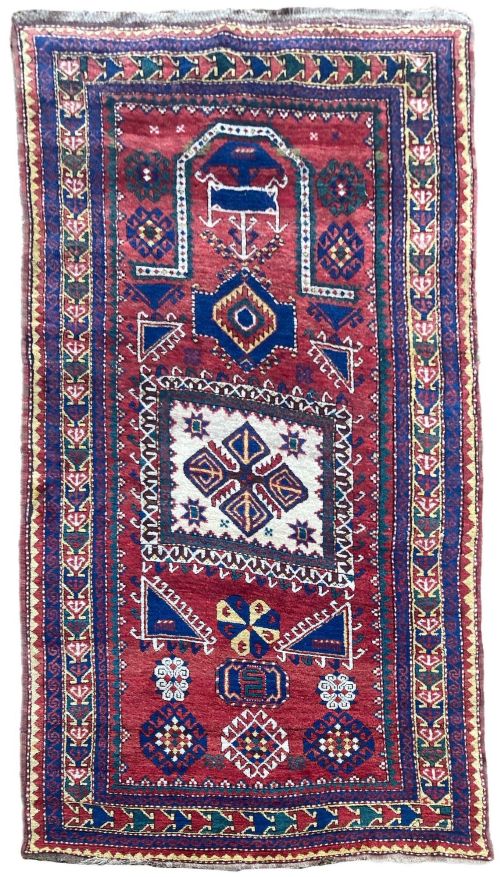
Traditional Blue Carpet
A traditional blue carpet anchors a room with rich indigo depths and geometric village motifs woven by Persian, Caucasian, and Anatolian hands.
Traditional Blue Carpet
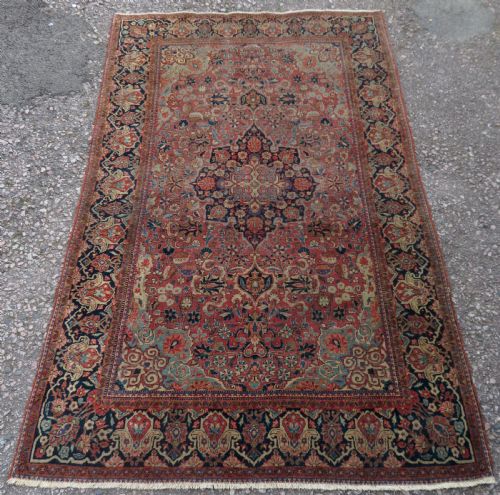
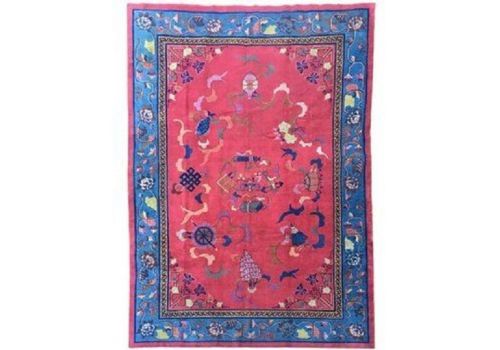
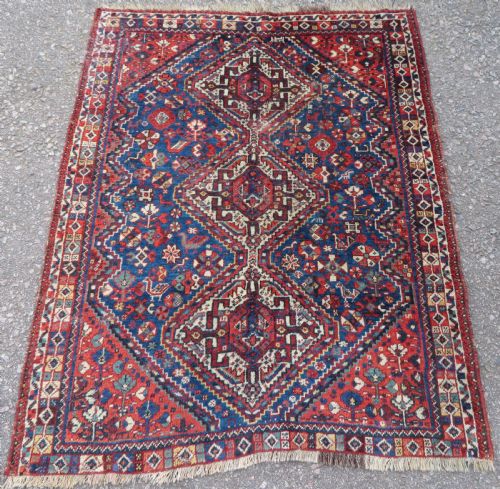
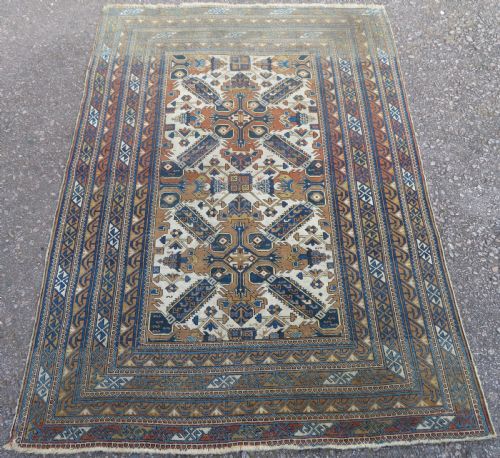
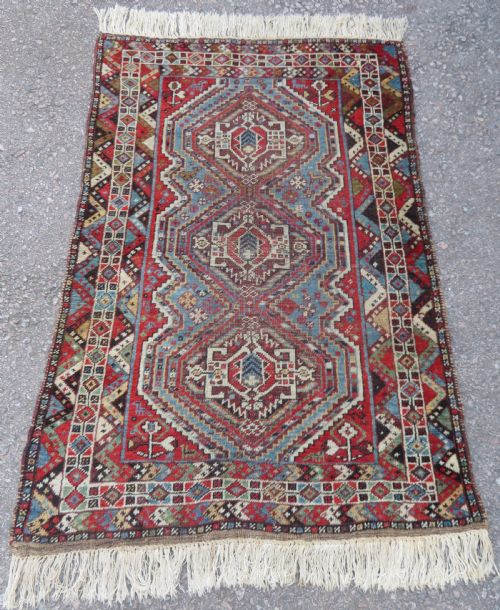
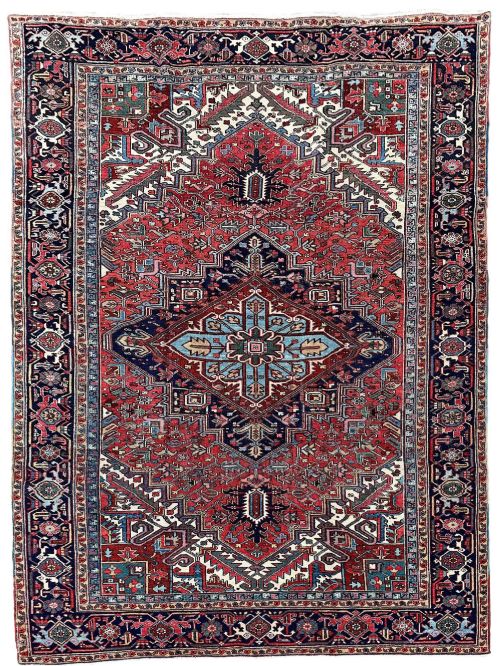
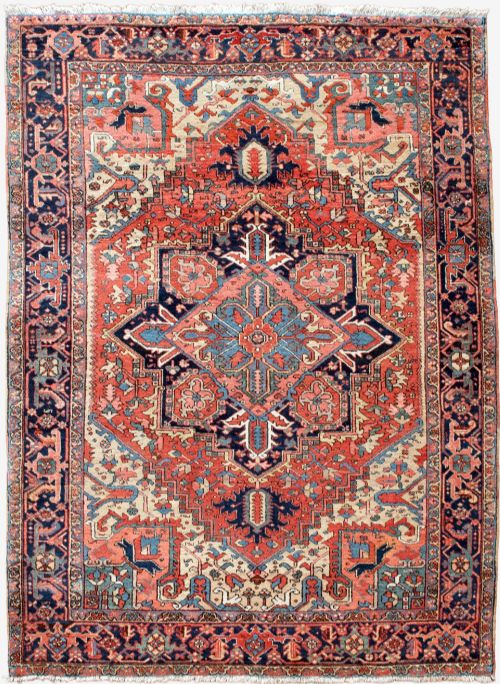
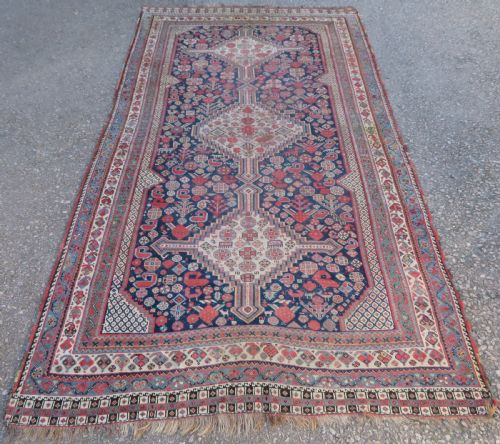
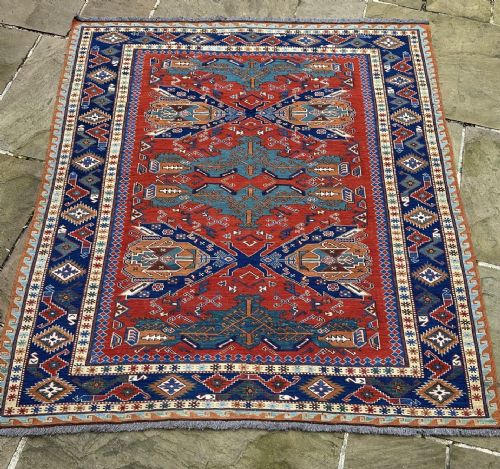
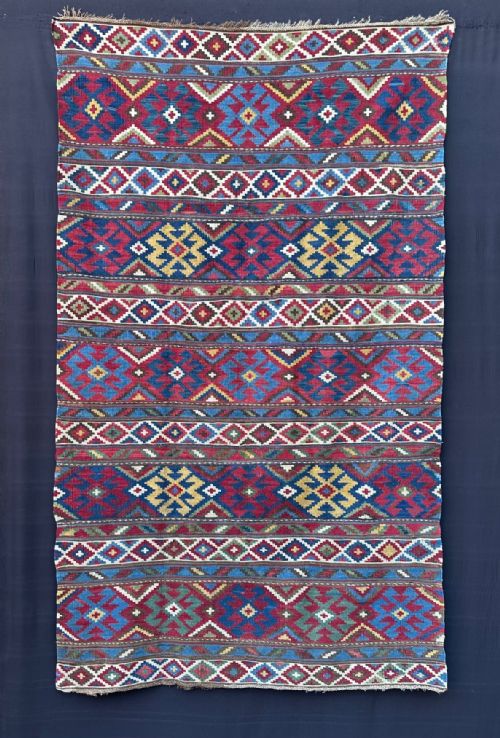
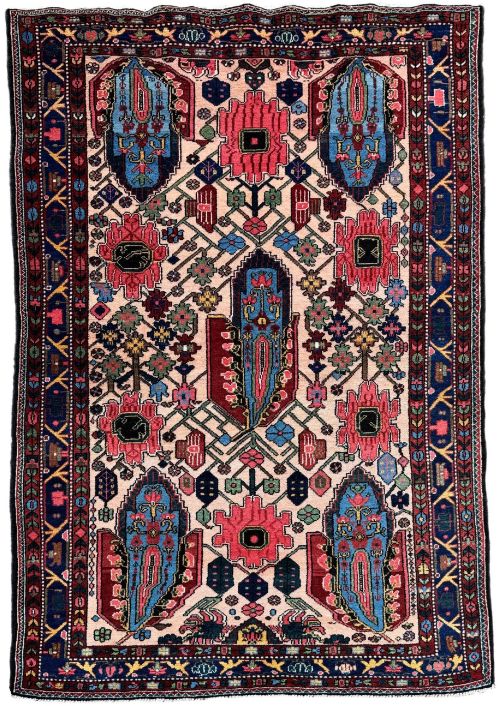
When buyers search for a traditional blue carpet, they encounter hand-knotted wool rugs and runners originating from Persian, Caucasian, and Anatolian weaving traditions. These floor coverings span production periods from the nineteenth century through the early decades of the twentieth century.
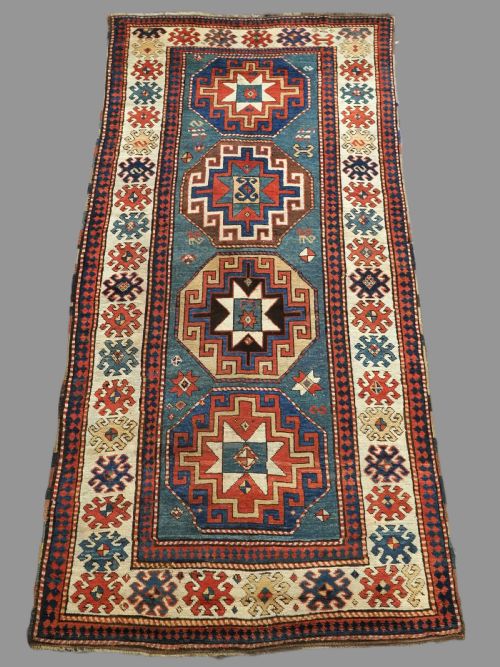
The most common formats on this page are room-sized carpets, smaller area rugs, and elongated runners designed for hallways. Tribal and village pieces dominate the selection, featuring geometric medallions, prayer designs, and regional folk patterns.
Origins range across specific regional centres such as Heriz, Kazak, Bakhtiar, and Ushak. Each piece reflects the distinct knotting techniques and dye palettes characteristic of its home district.
How they were made
Weavers constructed these carpets predominantly using hand-spun wool foundations and pile, occasionally incorporating cotton for structural warp and weft threads, or silk highlights for specific design details. Natural dyes provided the deep indigo blues and contrasting earthy tones that define the palette.
Artisans knotted the wool by hand onto vertical looms, securing each intersection with specific regional knot counts before trimming the pile to an even finish. Finished edges were typically overcast in wool to protect the structure from fraying during daily use.
Several runners boast unexpected geometric menagerie details hiding quietly among the traditional border guards.
What varies in quality
Quality in these floor coverings rests upon the density of the knotting and the precision of the geometric or floral layout. Finer knots permit crisper delineation of intricate medallions and border guards.
The choice of materials also divides the range, particularly the purity of the wool and the depth achieved by natural dye baths. Examples employing silk highlights or exceptionally resilient wool display superior tactile and visual richness.
The Traditional Blue Carpet Glossary
- Pile
- The upright yarn loops that form the soft surface of a carpet. This layer bears the direct friction of foot traffic.
- Warp
- The vertical threads stretched tightly on the loom before weaving begins. Weft threads are passed across these structural elements to hold the knots in place.
- Medallion
- A large central ornamental design motif placed in the middle of the carpet field. These shapes often take geometric or stylized floral forms.
- Runner
- An elongated narrow carpet format suited for corridors and stairs. These pieces prioritize length over standard room proportions.
- Prayer rug
- A small format featuring a specific architectural niche design, historically oriented towards Mecca during daily worship. These rugs often display specialised mihrab arches.
Traditional Blue Carpet: Frequently Asked Questions
Where were these carpets made?
These carpets originate primarily from weaving communities across Persia, the Caucasus, and Anatolia. Traditional hubs such as Heriz, Kazak, and Ushak produced distinct regional styles.
Nomadic tribes and village workshops within these territories utilised local materials and handed-down geometric motifs to create durable floor coverings.
How do I care for an old wool carpet?
Gentle vacuuming without a rotating brush roll prevents dust accumulation in the wool pile. Professional cleaning suited for antique textiles preserves the natural lanolin.
Keeping the rug away from direct continuous sunlight protects natural dye colours from fading unevenly over the years.
What is a runner rug used for?
Runners provide a cushioned, decorative path along narrow spaces like hallways, corridors, and staircases. Their elongated proportions fit areas where standard rectangular carpets are too wide.
Placing an appropriate underlay beneath the runner prevents slipping and reduces wear on the historical wool foundation.
How can I tell a tribal rug from a city rug?
Tribal rugs display bolder geometric patterns, asymmetrical village motifs, and thicker wool piles woven on portable looms. Their designs reflect the personal heritage of nomadic makers.
City carpets often feature more refined curvilinear floral scrolls, higher knot densities, and intricate medallion layouts produced in established urban workshops.