

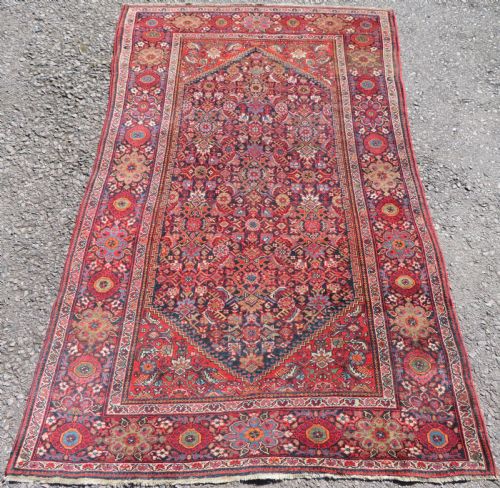


Fine Persian Rug
A fine persian rug brings centuries of woven artistry, precise knotting and botanical motifs into a room.
Fine Persian Rug
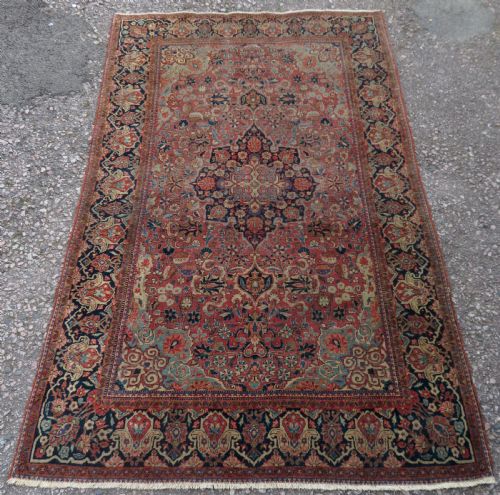
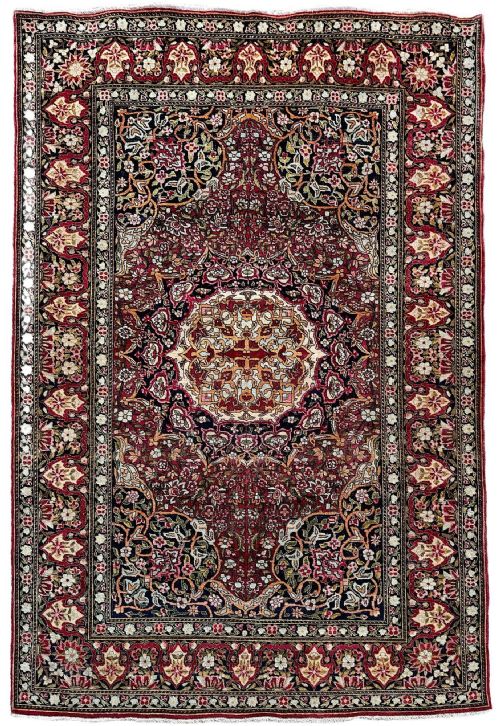
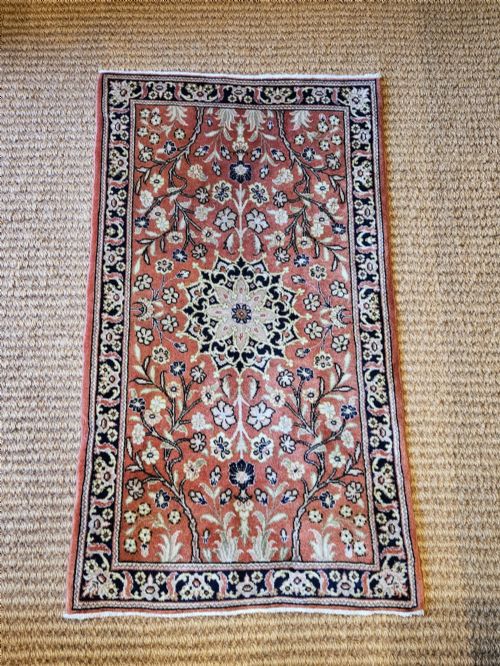
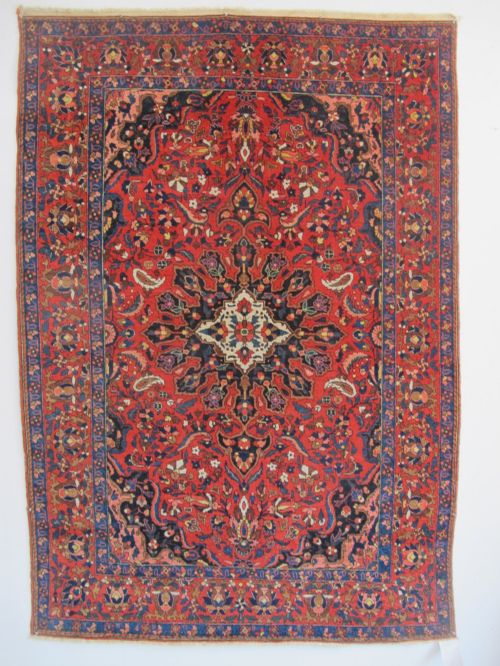
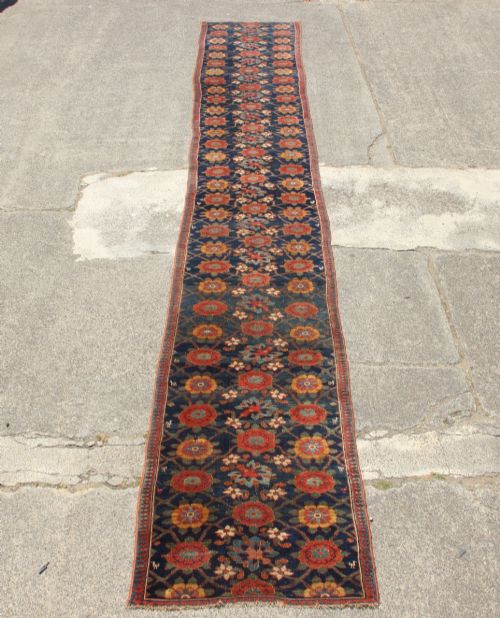
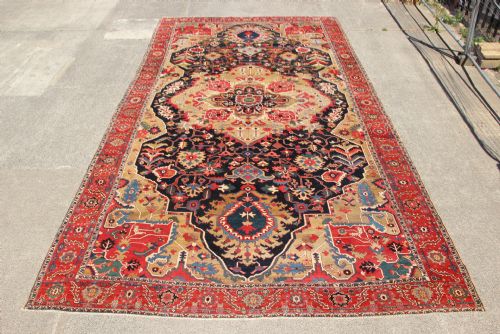
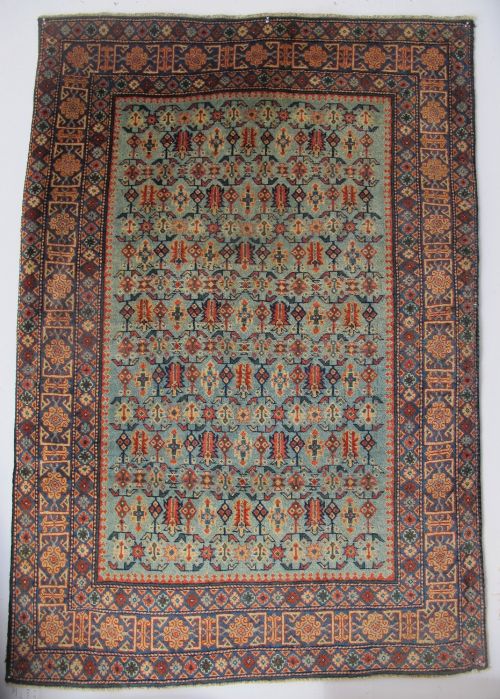
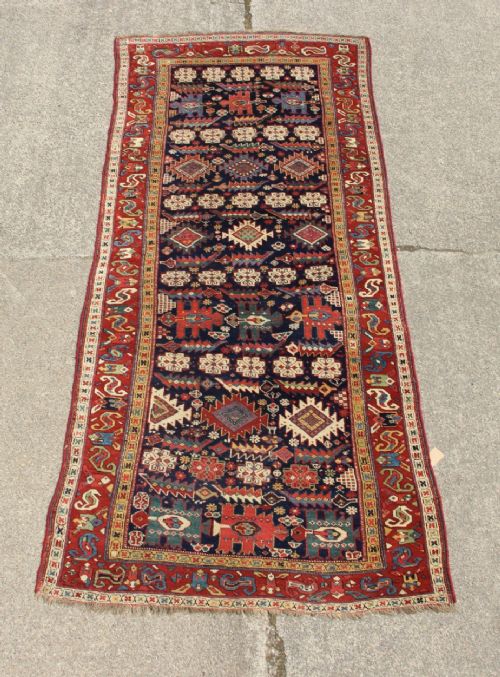
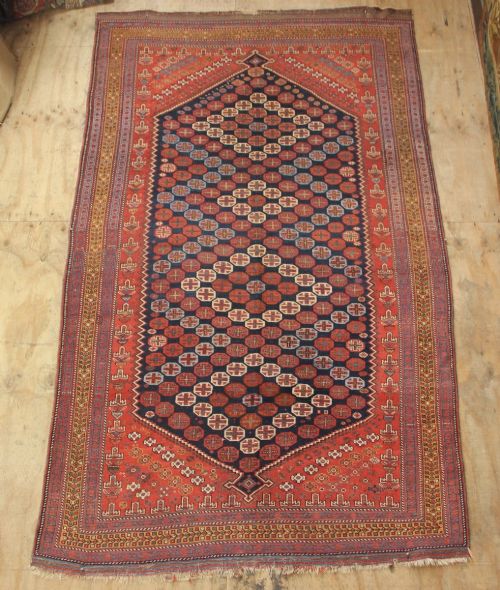
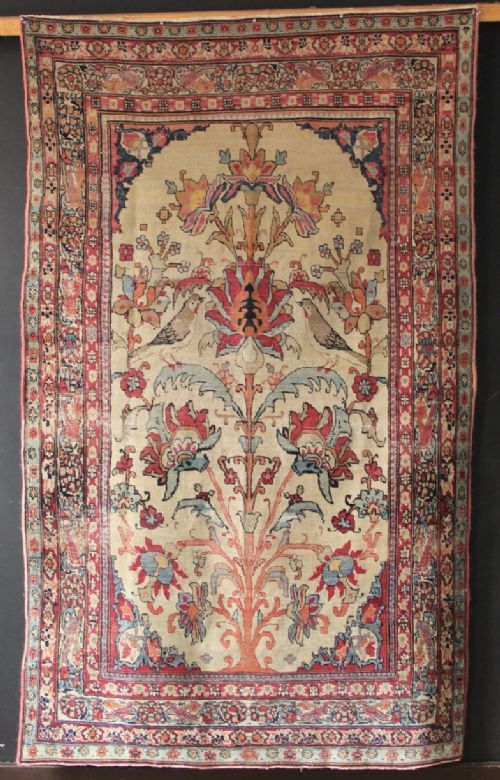
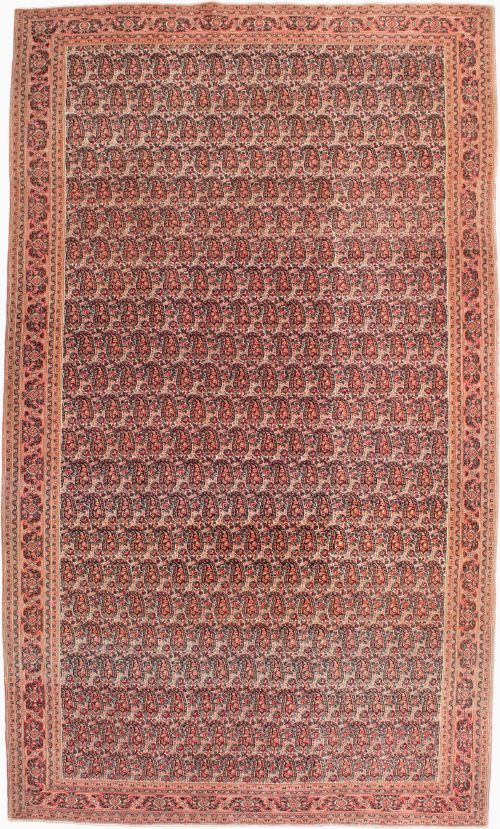
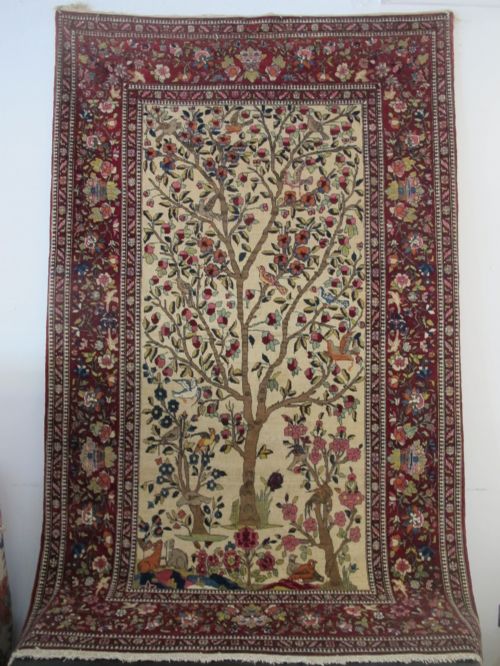
Regional workshops produced specific visual vocabularies, from the curved floral designs of Kirman and Sarouk to the geometric trellis formations of Heriz and Serapi carpets. Town pieces often show dense botanical compositions woven with immense precision, whereas tribal works utilise bolder motifs and earthier tones. Sizes vary considerably, from small personal bags and prayer rugs to expansive carpets measuring several metres in length.
How they were made
Weavers constructed these textiles primarily using hand-knotted wool, cotton foundations, and occasionally pure silk for high-status urban carpets. The pile wool was sheared from local flocks, hand-spun, and dyed using traditional natural substances derived from plants and minerals. Artisans tied either symmetrical Turkish knots or asymmetrical Persian knots onto warp and weft threads of cotton or wool, determining the ultimate density and flexibility of the rug.
Specialised techniques also included silk and felt applique work found in Rasht embroideries, alongside tightly packed structural foundations that allowed complex curvilinear patterns to hold their shape over generations of use.
Listings feature wool, cotton, and silk materials across room-sized carpets, runners, and compact prayer rugs dated from 1850 to 1940.
What varies in quality
The density of the knotting largely determines the crispness of the design and the durability of the textile underfoot. Tightly packed knots permit intricate botanical details and fine lines to emerge clearly across the central field and borders.
The purity and preparation of the materials also dictate the longevity and visual depth of the piece. Finer grades utilise lustrous wool or pure silk combined with stable natural dyes that age gracefully, whereas the selection of the wool foundation influences how flat the rug lies upon the floor.
Mohtasham Kashan·Nejafabad Isfahan
The Fine Persian Rug Glossary
- Medallion
- A central decorative motif placed in the middle of the rug field. It is often oval, circular, or lobed in design.
- Warp
- The vertical threads stretched lengthwise on the loom before knotting begins. The fringe of the rug is usually formed from these ends.
- Weft
- The horizontal threads passed across the warp threads between rows of knots to secure the pile. These threads bind the structure together firmly.
- Pile
- The vertical surface of yarn that forms the soft nap of the rug. It is created by the cut ends of knots tied to the foundation.
- Prayer rug
- A small textile featuring a mihrab or arch design intended to indicate the direction of prayer. These pieces were often hung on walls or used individually.
Fine Persian Rug: Frequently Asked Questions
How do I clean an antique rug?
Professional specialist cleaning is essential to preserve natural dyes and delicate wool or silk pile. Domestic washing methods can cause colours to bleed or weaken the cotton foundation.
Gentle surface vacuuming without a rotating brush helps remove embedded grit between routine professional maintenance sessions.
Where were these carpets woven?
Production occurred across various urban centres, villages, and nomadic tribal territories in Persia. Major weaving regions included Tabriz, Isfahan, Kashan, Kirman, and Heriz.
Each region maintained distinct stylistic conventions, knotting densities, and colour palettes characteristic of local traditions.
Can these carpets be placed in high traffic areas?
Densely knotted wool carpets tolerate normal domestic foot traffic well when placed over an appropriate underlay. Hallways and living spaces benefit from sturdy construction types such as Bidar or Heriz weaves.
Delicate silk pieces or fragile antique nomadic bags require placement in low traffic areas to prevent excessive wear.
How are ages of antique rugs estimated?
Estimates rely on stylistic indicators, structural materials, dye characteristics, and comparable documented examples from specific decades. Changes in chemical dye introduction around the late nineteenth century also assist in dating.
Weave structure and regional patterns often narrow down the period of production to a specific quarter-century.