




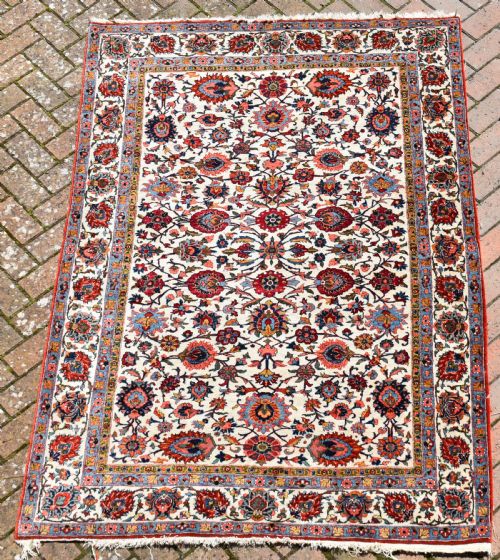
Wool Silk Persian Rug
A wool silk persian rug brings the rich texture and enduring craftsmanship of traditional weaving directly into your home.
Wool Silk Persian Rug
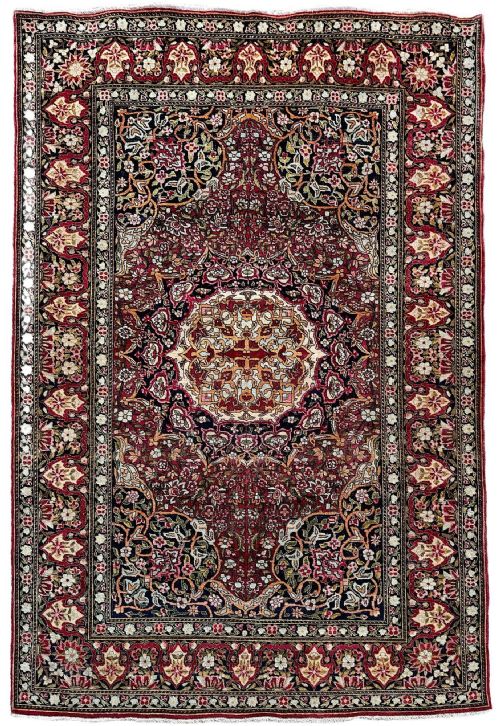
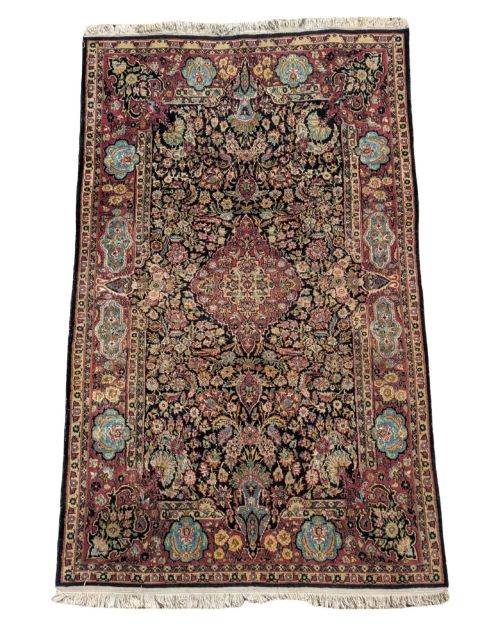
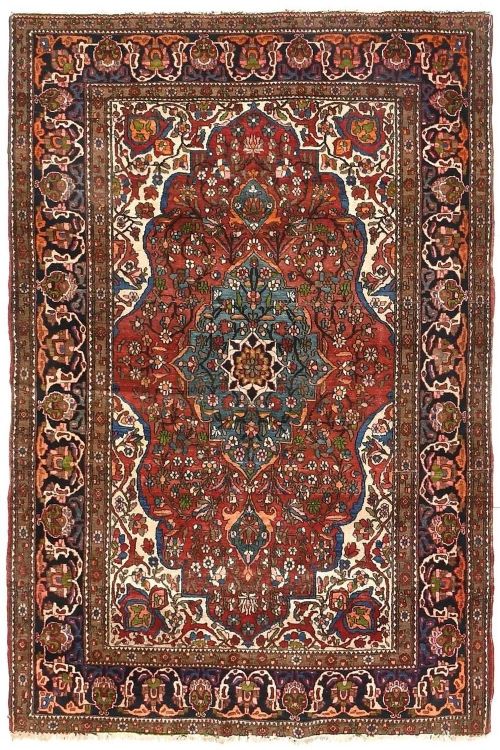
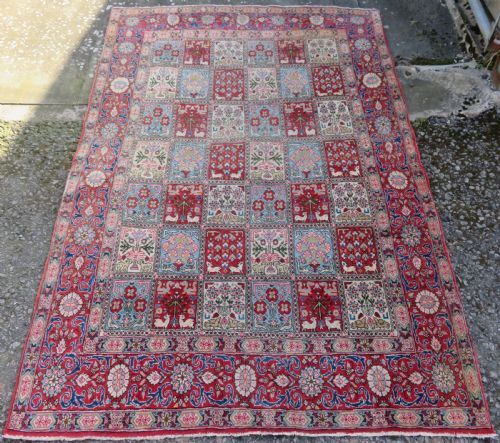
When you search for a wool silk persian rug, you encounter traditional room-sized carpets, smaller area rugs, and intricate pictorial textiles originating from workshops across Iran. The pieces listed here span the early decades of the twentieth century, with origins including Isfahan, Qum, Kashan, Nain, Tehran, and Rasht.
The most common forms you meet are detailed room rugs and wall-hanging embroideries rather than simple floor coverings. Many examples incorporate silk highlights or feature silk foundations paired with wool pile, reflecting the varied regional traditions of Persian carpet making.
Makers and workshops of this era utilised traditional motifs such as small floral medallions, tile patterns, and pictorial designs. These floor and wall textiles range from compact formats measuring just over two metres to larger carpets exceeding four metres in length.
What varies in quality
The density and precision of the weave set the baseline for quality in these Persian textiles. Finer knots and tighter pile construction produce greater durability and sharper definition in intricate motifs.
Material combination also distinguishes the range, particularly the skillful integration of silk highlights or a full silk foundation beneath lambswool pile. The complexity of the design, from simple medallion layouts to detailed pictorial panels, reflects the skill invested by the maker.
The Wool Silk Persian Rug Glossary
- Medallion
- A central ornamental motif set into the field of a rug. It forms the primary focal point of the traditional design.
- Pile
- The upright yarn loops or tufts that form the usable surface of a carpet. This surface provides both comfort and visual depth.
- Appliqué
- A needlework technique where pieces of fabric are sewn onto a larger ground material. In these textiles, silk elements are stitched onto felt backgrounds.
- Foundation
- The structural base of a rug comprising warp and weft threads. A silk foundation provides added strength and allows for finer detail in the finished piece.
- Pictorial
- A design style depicting figurative scenes, portraits, or narratives rather than purely geometric or floral patterns. These rugs often serve as decorative wall panels.
Wool Silk Persian Rug: Frequently Asked Questions
Where were these rugs made?
These textiles originate from historical weaving centres and workshops across Persia, including Isfahan, Qum, Kashan, Nain, Tehran, and Rasht. Each region developed distinct preferences for materials, such as silk foundations or felt grounds.
Local artisans passed down specific weaving and embroidery traditions through generations, resulting in the regional styles seen in these pieces today.
How do I care for silk and wool rugs?
Protect delicate wool and silk textiles by keeping them out of direct sunlight to prevent fading. Regular gentle vacuuming without a beater bar removes surface dust safely.
Professional cleaning tailored to antique Persian rugs remains essential for maintaining the integrity of the silk highlights and natural wool fibres.
Are these rugs suitable for high traffic?
Carpets with a dense lambswool pile on a sturdy cotton or wool foundation handle moderate foot traffic well. Pieces featuring delicate silk elements or silk foundations are better suited to lighter traffic areas or display as wall hangings.
Assessing the thickness of the pile and the strength of the foundation helps determine the appropriate placement in a room.
How can I tell the period of a rug?
Dating relies on stylistic clues, structural materials, and documented production eras visible in the physical evidence. Pieces from the early decades of the twentieth century often display specific regional palettes and traditional medallion layouts characteristic of that time.
Comparing the weave density and knot structure with known examples from specific workshops further clarifies the age of the textile.