


Traditional Bedroom Dresser
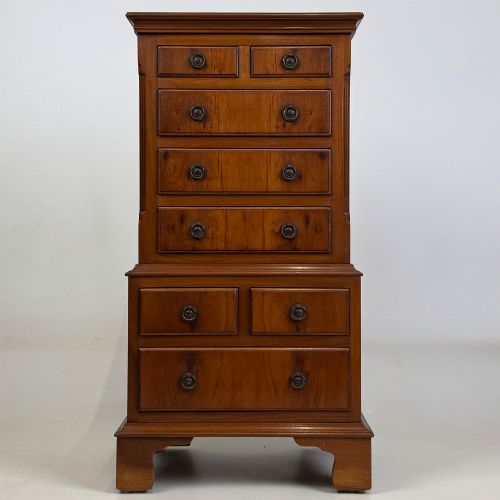
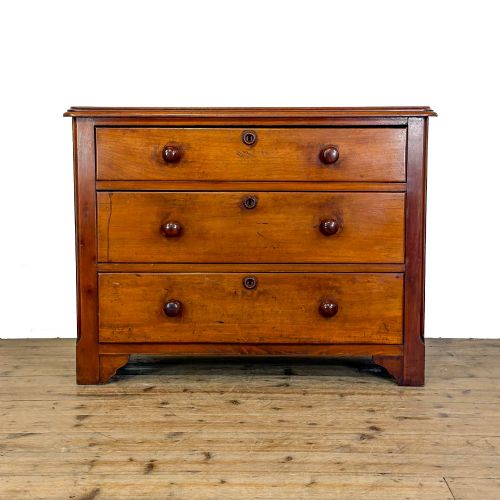
A traditional bedroom dresser is a sturdy piece of storage furniture, most often found here as a chest of drawers built to organise clothing and anchor a room.
Traditional Bedroom Dresser
When you search for a traditional bedroom dresser, you encounter forms that span the eighteenth, nineteenth, and early twentieth centuries, with chests of drawers dominating the selection.
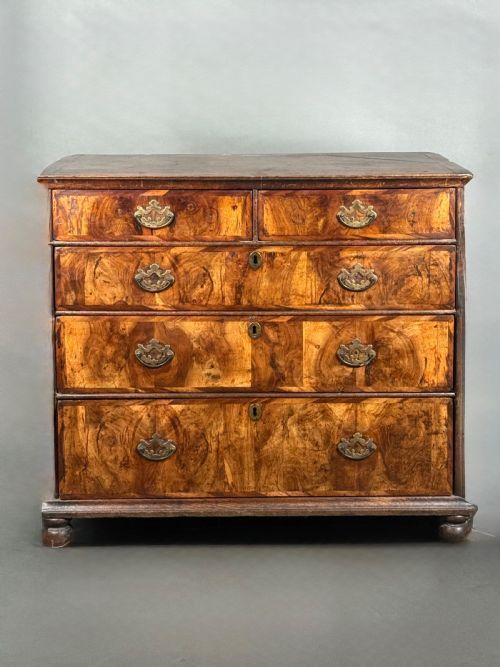
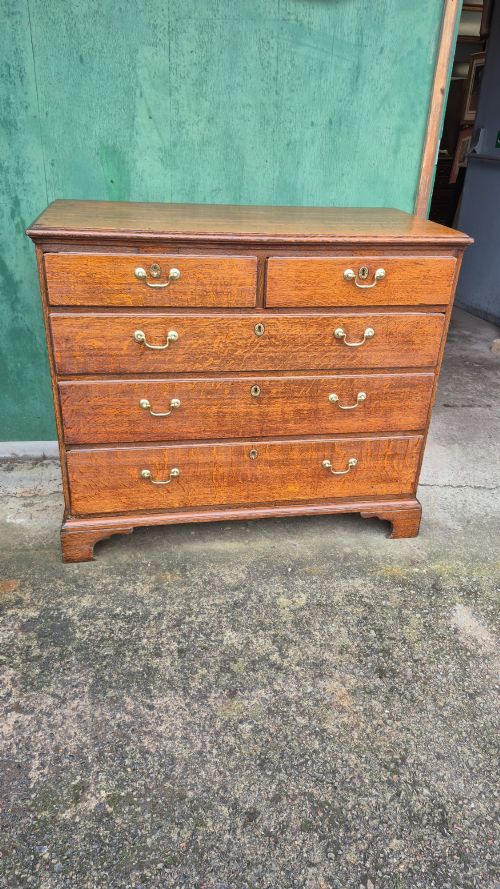
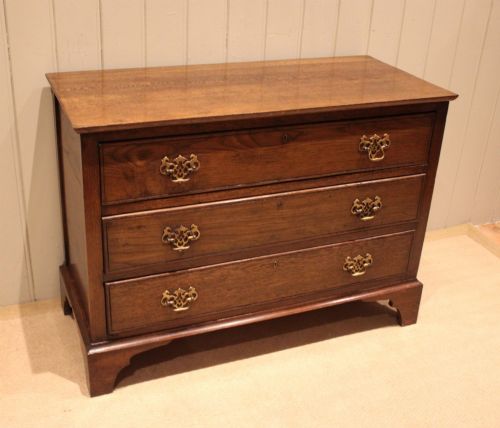
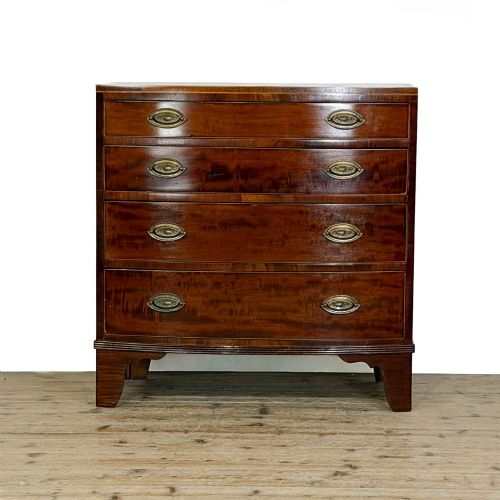
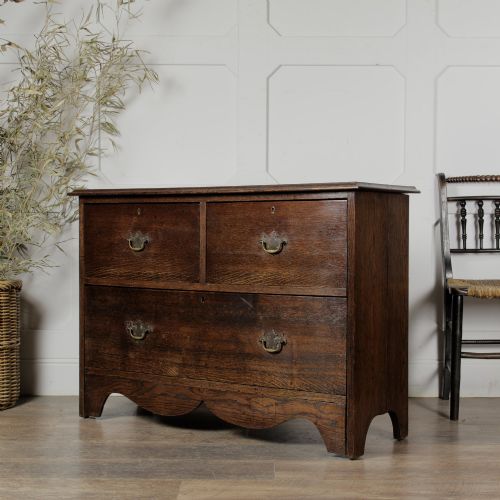
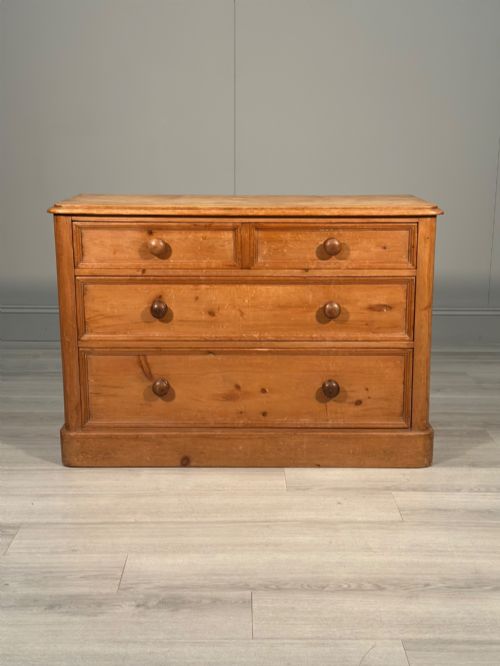
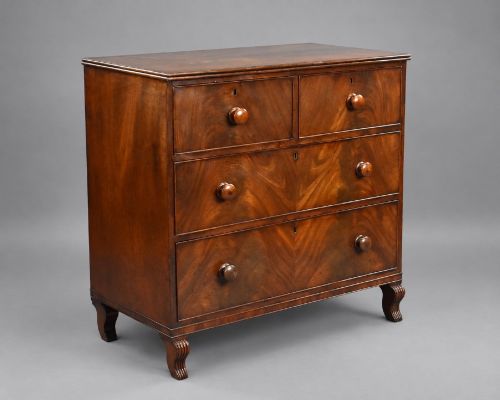
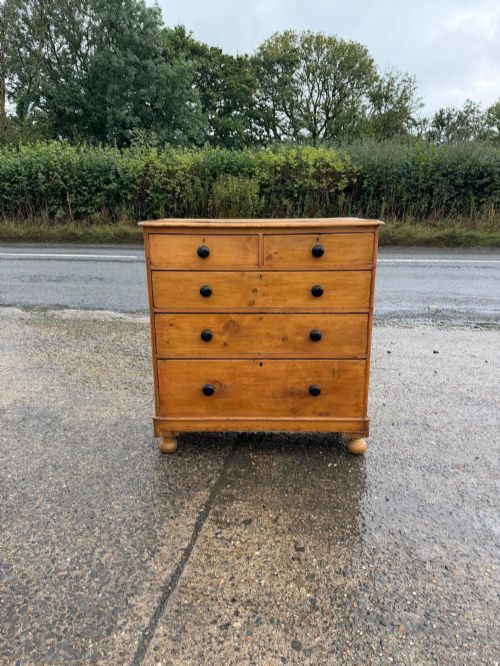
The pieces on this page range from Georgian golden oak and Queen Anne walnut to Victorian pine and Edwardian mahogany, reflecting the changing domestic requirements of each era.
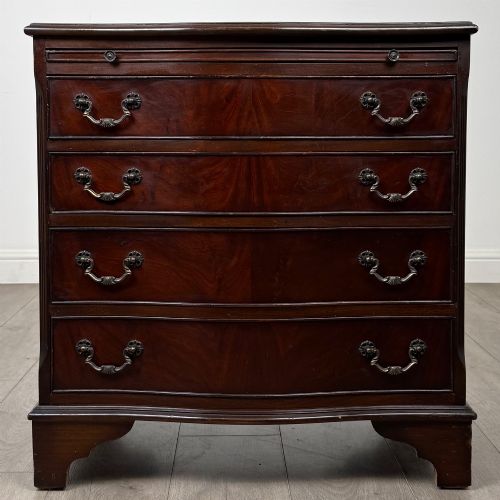
Most examples take the form of straight-front or bow-front chests with varying arrangements of drawers, alongside occasional larger linen presses.
Materials and construction methods
Cabinet makers relied heavily on solid hardwoods such as mahogany, oak, and walnut, alongside softer timbers like pine for utility pieces.
Finer surfaces often display flame mahogany veneer or figured walnut, while structural joints and drawer linings utilise secondary woods.
Metal hardware, including brass handles and escutcheons, completes the construction and provides functional detail to each drawer.
Listings span multiple eras from the 18th century through to the Edwardian period, utilising oak, mahogany, walnut, and pine.
Distinctions in craftsmanship
The grade of timber and the precision of the cabinet work dictate the standing of a piece, with figured veneers and solid drawer framing marking out superior examples.
Proportion and the handling of secondary details, such as brass drop handles and shaped bracket feet or bun feet, separate standard utility pieces from more ambitious workshops.
Jas Shoolbred
The Traditional Bedroom Dresser Glossary
- Bow front
- A convex, curved front to a chest of drawers that swells outwards. This style gained popularity during the Georgian and Regency periods.
- Serpentine
- A front configuration shaped with a central convex curve flanked by concave sweeps. It requires advanced woodworking skill to execute properly.
- Flame mahogany veneer
- A sliced sheet of mahogany displaying a flamy, shimmering grain pattern. Cabinet makers applied it to primary drawer fronts for visual impact.
- Linen press
- A tall piece of furniture featuring upper doors enclosing sliding trays for textiles, positioned above lower storage drawers. They served to keep household linens flat and clean.
Traditional Bedroom Dresser: Frequently Asked Questions
How do I date a wooden chest of drawers?
Examination of timber types, drawer construction, and hardware styles provides the clearest indication of age. Earlier pieces often show hand-cut dovetails and native hardwoods.
Changes in proportion and decorative motifs across the Georgian, Victorian, and Edwardian periods further help narrow down the decade of manufacture.
What is the difference between pine and mahogany dressers?
Pine was typically utilised for painted or scrubbed country furniture intended for simpler chambers, offering a lighter weight and softer grain.
Mahogany and walnut were chosen for formal reception rooms and principal bedrooms, providing greater durability and a darker, polished appearance.
Are these pieces suitable for modern bedrooms?
These chests of drawers provide deep storage capacity that functions effectively in contemporary homes. Their classic proportions allow them to sit comfortably alongside modern interior fittings.
Placing them carefully ensures the timber is protected from direct heat sources and excessive moisture variations.
What does a 2 over 3 drawer arrangement mean?
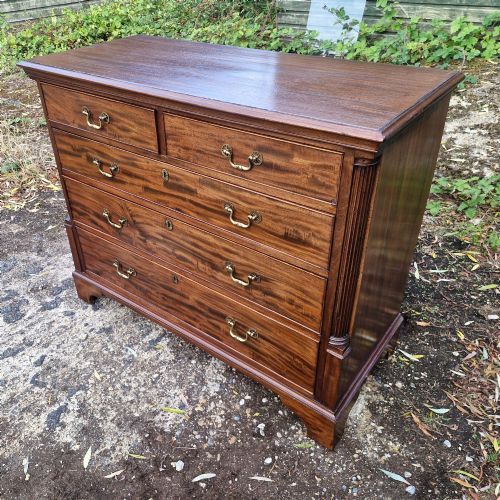
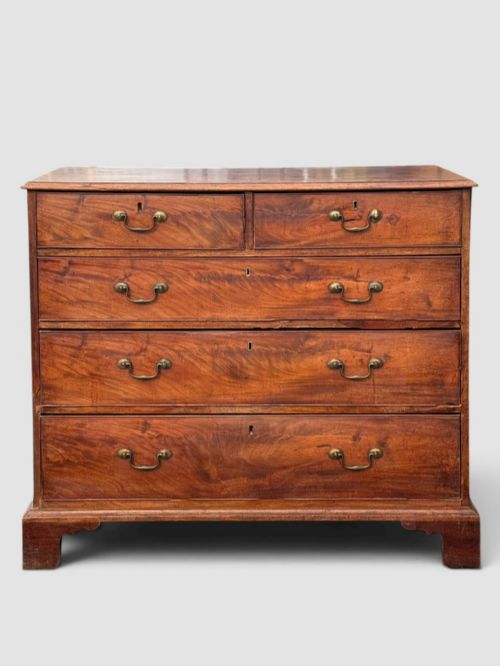
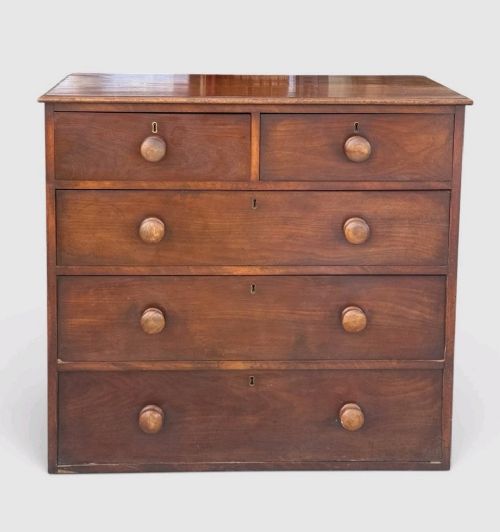
This configuration consists of two smaller drawers positioned side by side at the top, placed directly above three wider full-width drawers below.
It is a classic proportion seen frequently on Georgian and Victorian pieces to separate smaller garments from bulkier items.