




Rich Mahogany Dresser
A rich mahogany dresser brings deep timber warmth and solid proportions to a room.
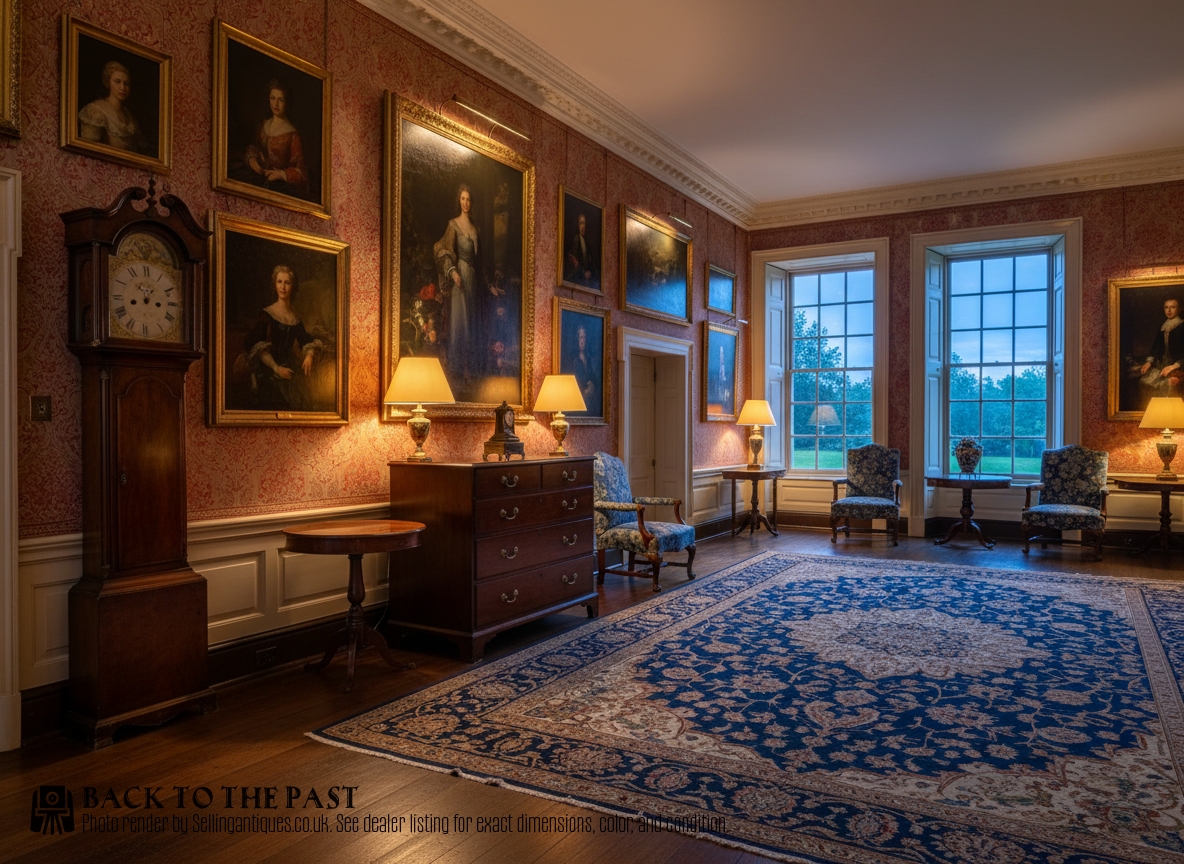
Rich Mahogany Dresser
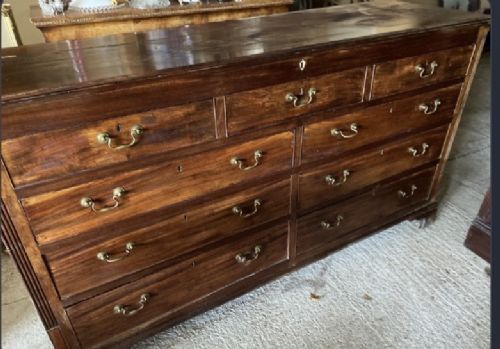
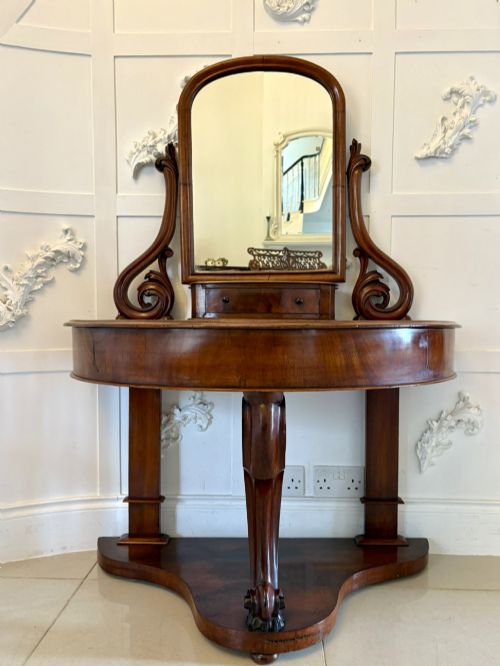
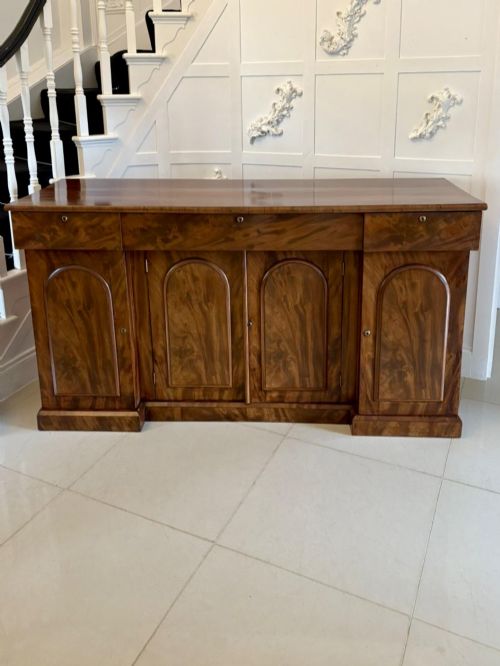
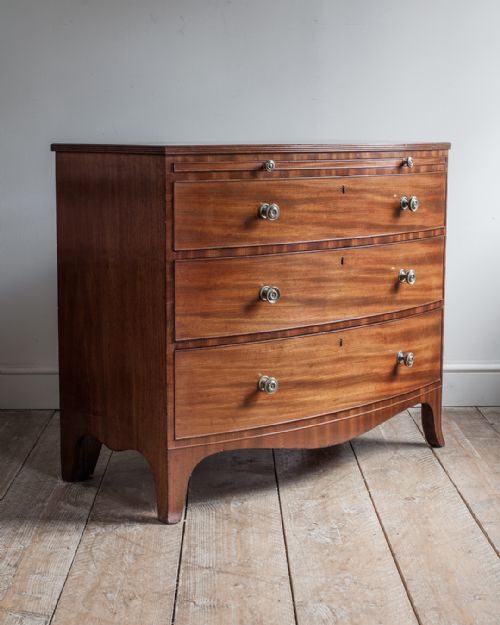
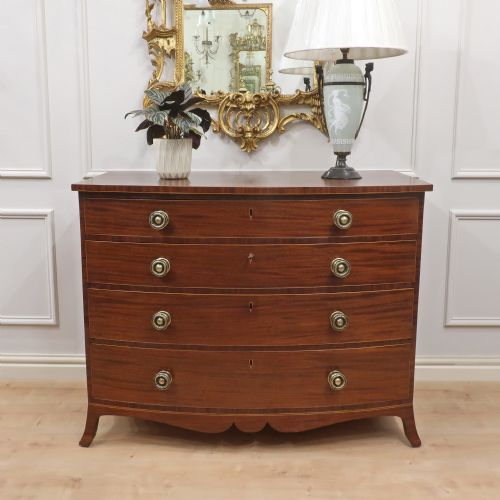
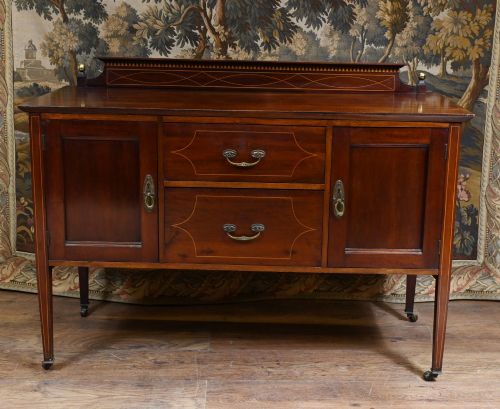
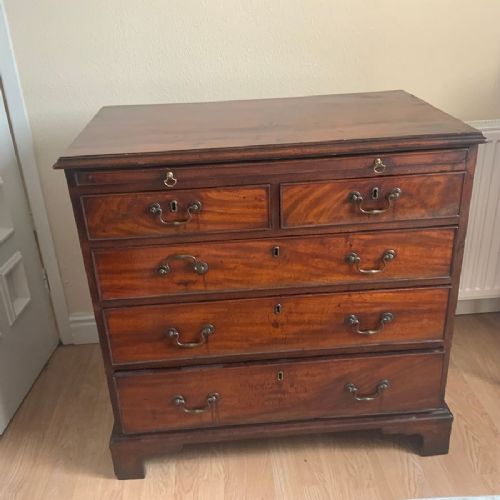
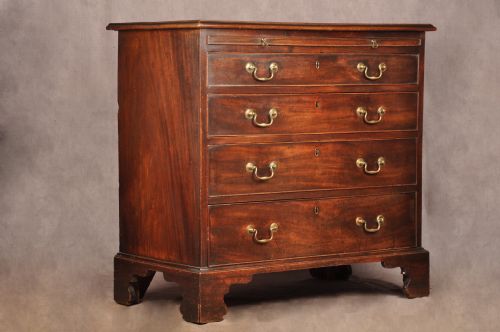
A rich mahogany dresser encompasses substantial storage pieces from the Georgian, Victorian, and Edwardian periods, including chests of drawers, dressing tables, sideboards, and tallboys. Buyers searching for a rich mahogany dresser generally encounter classical forms such as bow fronts, serpentine fronts, and pieces fitted with pull-out brush slides.
The material range spans solid timber and figured veneer, often enhanced by contrasting satinwood inlay or paired with original brass hardware. Pieces originate from diverse regional traditions, including Scottish workshops and Swedish makers alongside English cabinet-makers.
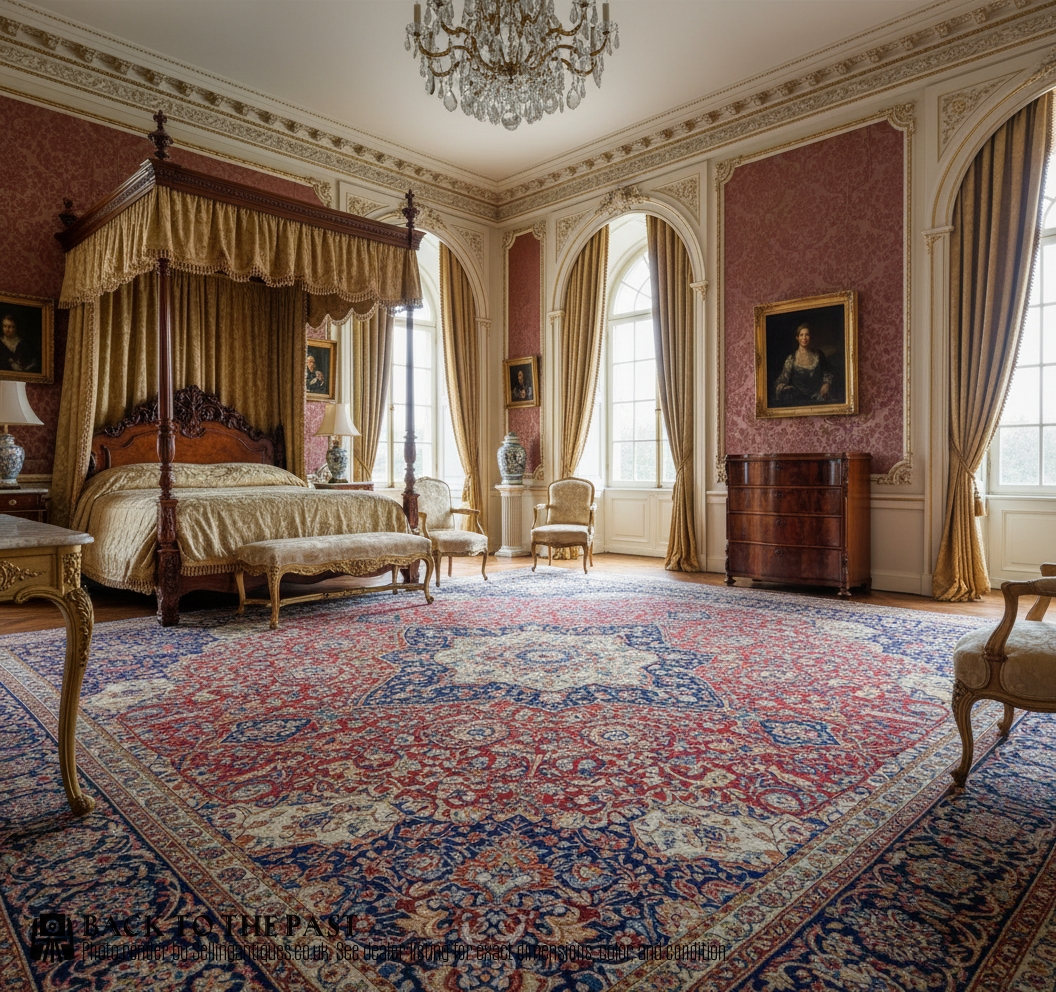
Materials and construction
Cabinet-makers relied primarily on mahogany and mahogany veneer, selecting timber for deep colour and prominent grain figures. Satinwood inlay added crisp linear contrast to drawer fronts and borders.
Construction techniques included dovetailed drawer construction and timber carcases, occasionally incorporating glass panels or brass handles and escutcheons to finish the piece.
Listings feature pieces spanning the Georgian, Victorian, and Edwardian eras, constructed from mahogany, satinwood inlay, and brass.
Assessing quality in mahogany furniture
Quality rests upon the choice of timber and the dexterity of the veneer work, where richly figured mahogany and carefully matched grain distinguish superior examples from plain ones. Finer pieces demonstrate precision in the execution of serpentine curves or bow fronts, alongside delicate satinwood inlay.
The integrity of the original construction, including sound drawer linings and well-preserved brass hardware, separates exemplary survivals from standard utility pieces.
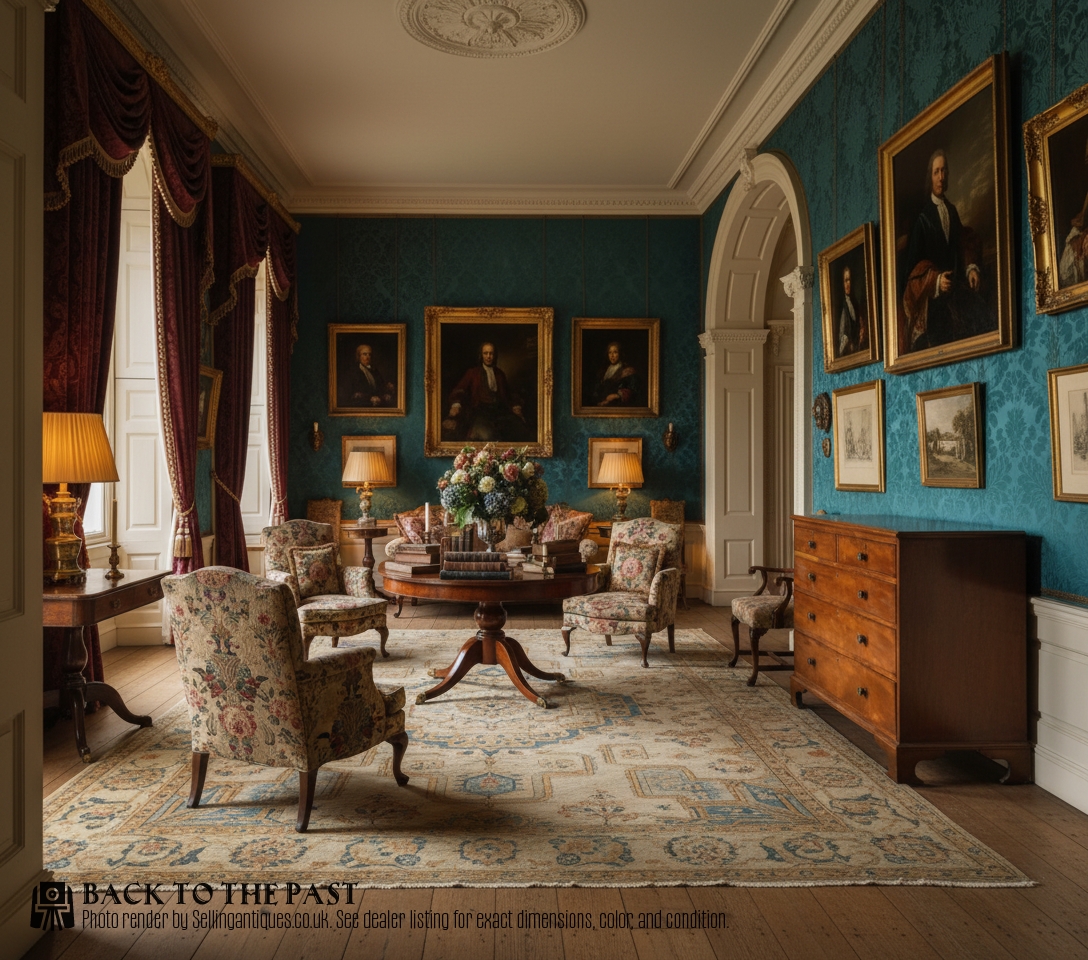
Giles Grendey
The Rich Mahogany Dresser Glossary
- Bow front
- A convex curved front on a chest of drawers or sideboard. This popular shape softens the profile of case furniture.
- Serpentine front
- A furniture front featuring a concave centre flanked by convex outer curves. This complex profile requires advanced cabinet-making skill.
- Brush slide
- A pull-out shelf located above the drawers in a chest or dresser. It provided a clean surface for grooming or sorting items without opening a main drawer.
- Tallboy
- A tall chest of drawers made in two stacked sections, often combining a set of drawers with a taller upper carcase. This form maximised vertical storage.
- Caddy-top
- A moulded furniture top with a stepped or shaped profile resembling a tea caddy lid. It frequently appears on mid-eighteenth-century case pieces.
Rich Mahogany Dresser: Frequently Asked Questions
What is a brush slide?
A brush slide is a pull-out wooden shelf integrated into the upper section of a chest of drawers. It offered a convenient surface for brushing clothes or laying out items.
Cabinet-makers designed these slides to sit flush when closed, maintaining the clean lines of the drawer front.
How do I date a mahogany chest?
Dating relies on architectural proportions, handle styles, and construction methods. Georgian pieces often display bracket feet and cockbeaded drawer edges, while Victorian examples tend to be heavier with round feet.
Secondary woods inside the drawers also provide clues to the region and era of manufacture.
What is the difference between a bow front and a serpentine front?
A bow front curves outward in a single convex sweep across the entire width of the piece. This shape was favoured throughout the Georgian and Regency periods.
A serpentine front combines concave and convex curves, creating a wave-like profile that demands greater joinery skill.
Where should I place a mahogany dresser?
These pieces suit living rooms, dining rooms, and hallways where their deep timber tones anchor the interior scheme. Keep them away from direct sunlight and heat sources to protect the polished wood finish.
Ensure adequate clearance for drawers and any pull-out slides to function smoothly.