
George III Bedroom Drawers
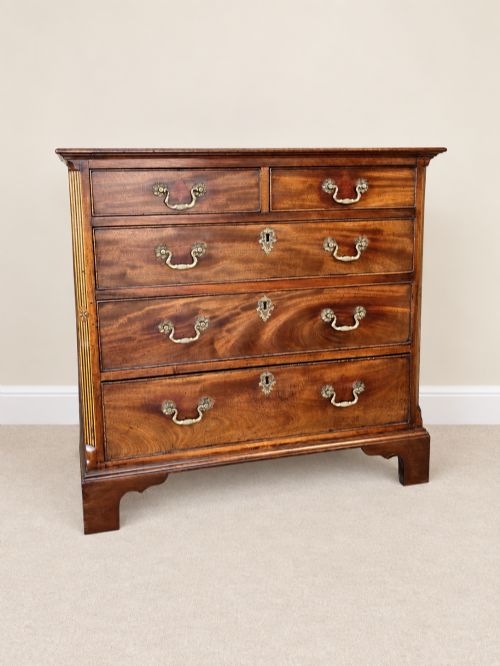
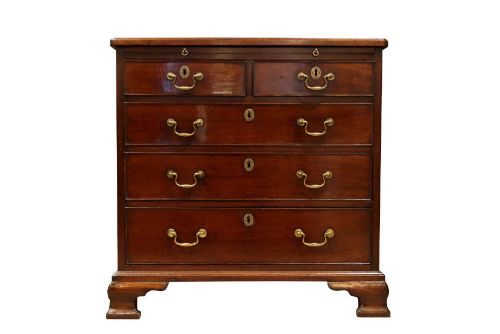
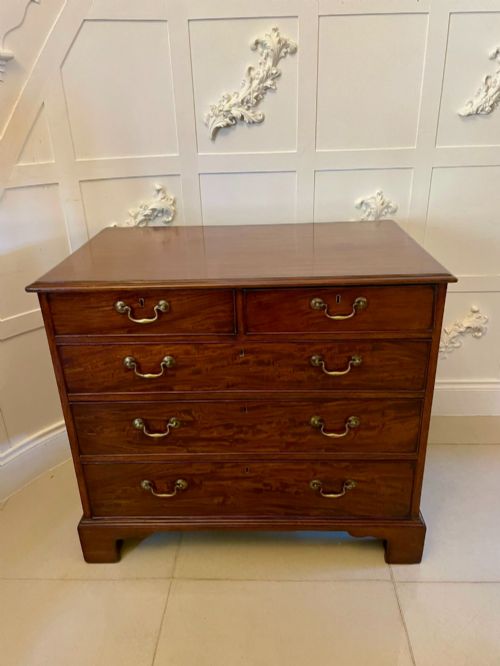
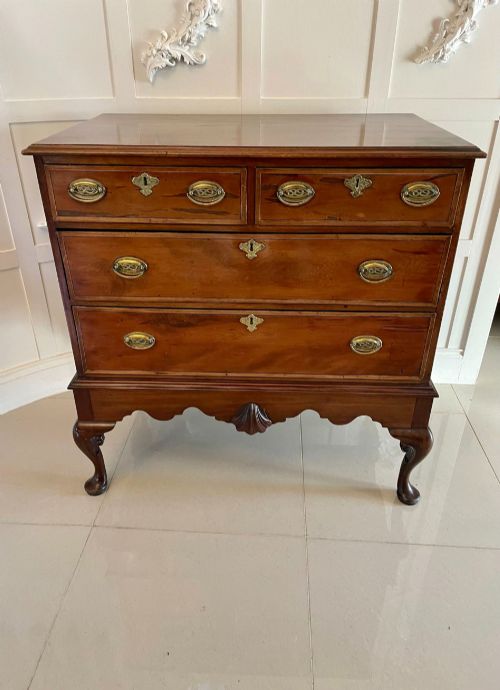
These george iii bedroom drawers bring practical storage and formal restraint to a room, constructed primarily in mahogany with brass fittings.
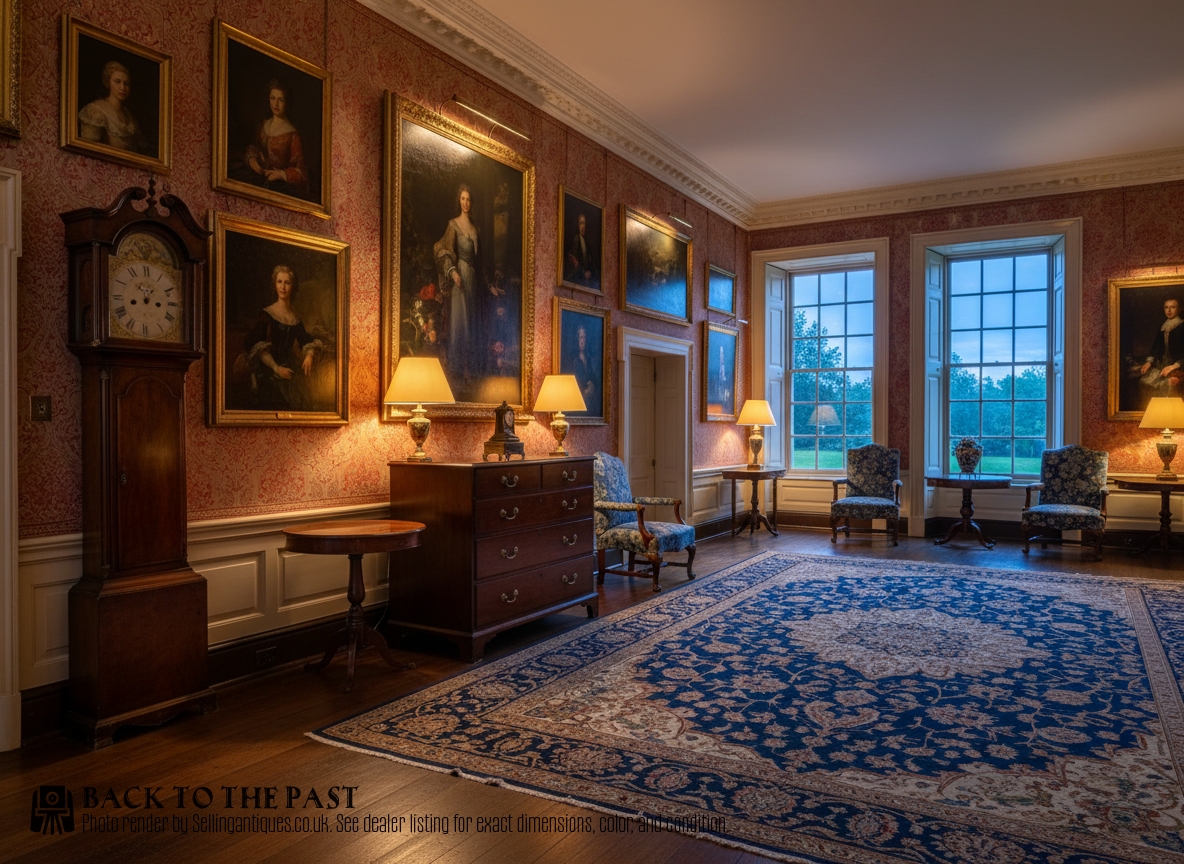
George III Bedroom Drawers
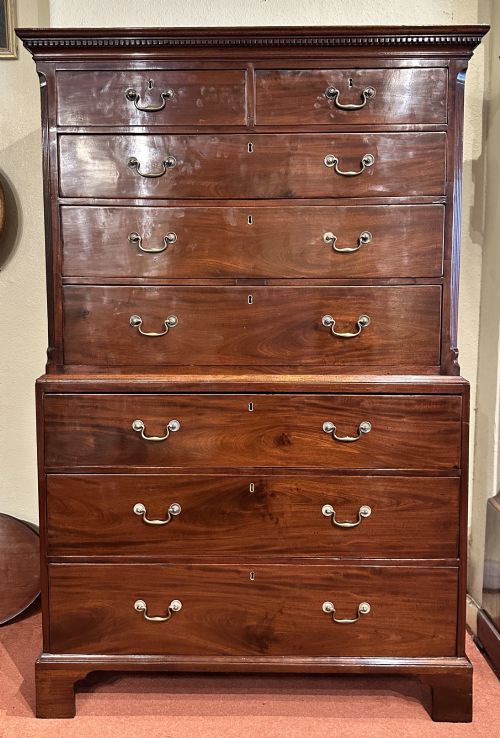
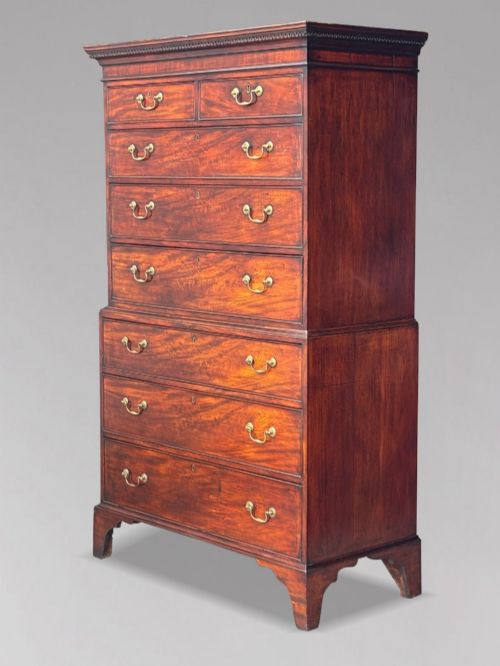
When you search for george iii bedroom drawers, you encounter a variety of storage pieces ranging from compact bedside cabinets and toilet mirrors to large chests of drawers, tallboys and chests on chests.
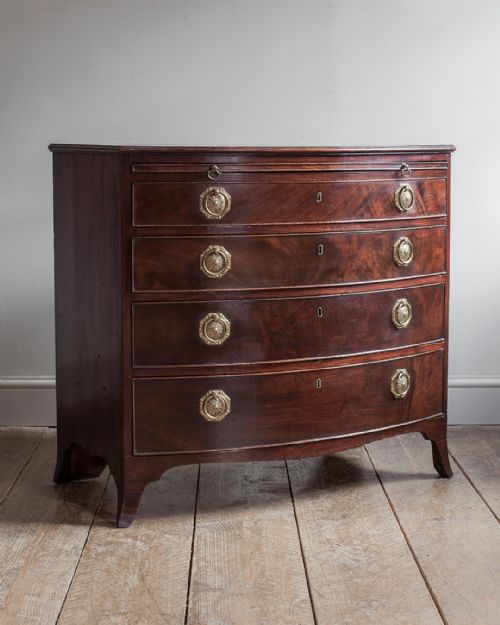
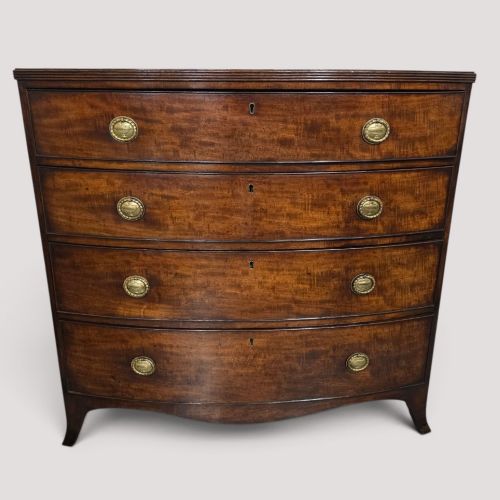
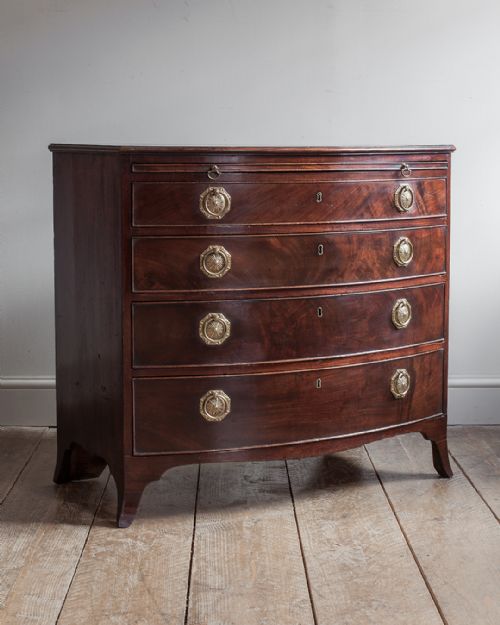
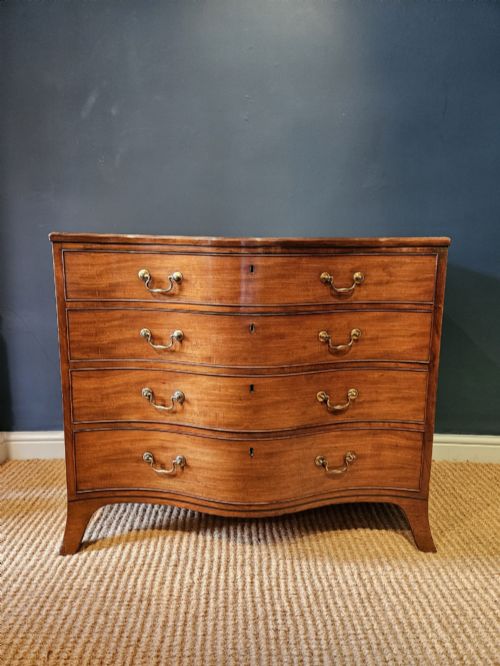
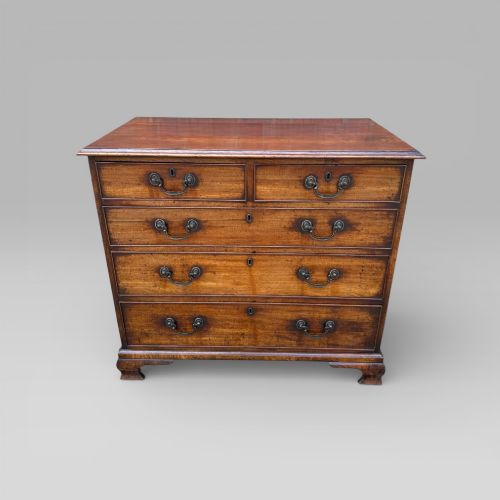
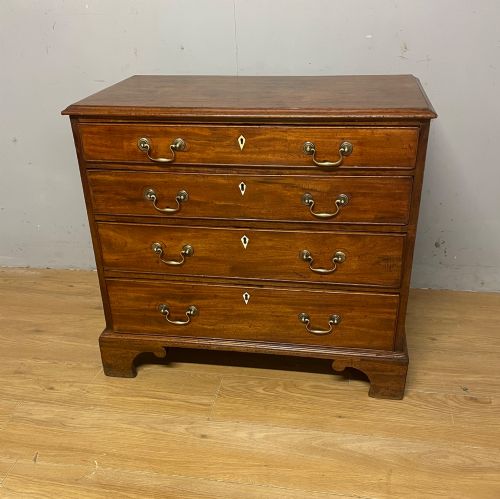
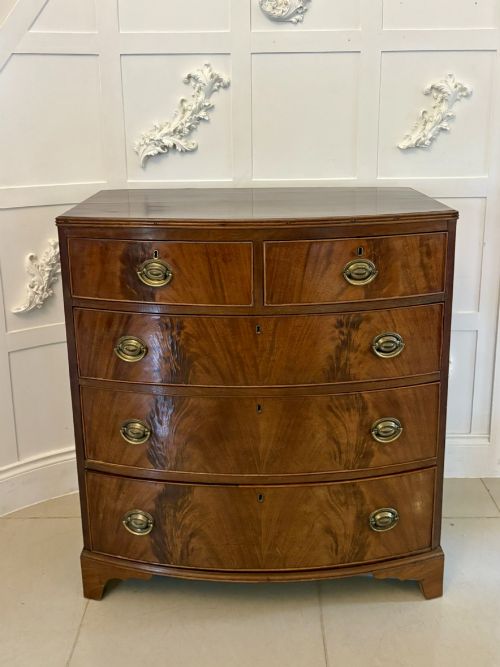
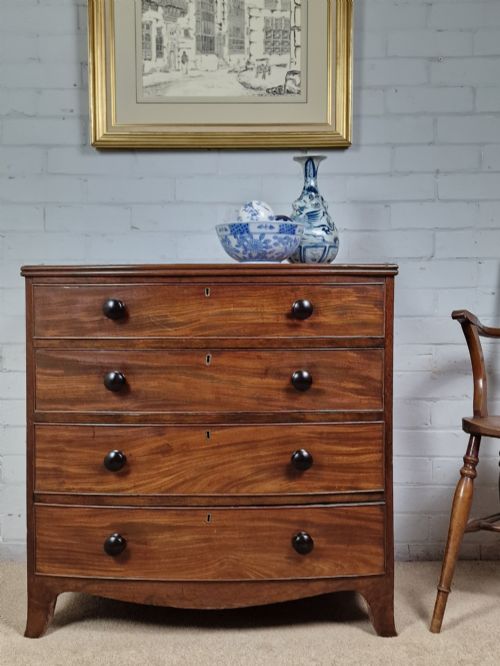
The versions most commonly met on this page are mahogany chests featuring straight, bow-front or serpentine profiles, often constructed during the eighteenth and nineteenth centuries.
Makers of the period utilised native and imported timbers, shaping these bedroom furnishings to serve functional domestic roles with distinct architectural proportions.
Materials and Technique
Cabinetmakers built these pieces principally using solid and veneered mahogany, frequently complemented by secondary timbers such as oak and pine for drawer linings and carcases.
Metalwork played a key role, with cast brass drop handles and escutcheons securing the drawer fronts, while finer examples incorporated satinwood, burr walnut or bone stringing and inlay.
Joinery methods relied on hand-cut dovetails for drawer construction and sturdy mortise and tenon frames, ensuring durability across decades of daily domestic use.
Listings feature mahogany, oak, burr walnut and satinwood across eighteenth and nineteenth-century forms.
The Measure of Quality
The distinction between ordinary and superior pieces rests on the choice of timber figure, such as highly grained mahogany or figured burr walnut, and the crispness of moulded edges.
Proportion and scale dictate much of the value, with smaller proportions and complex serpentine or bow-front shapes requiring greater cabinetmaking skill than standard straight-front chests.
J Moorcroft
The George III Bedroom Drawers Glossary
- Bow front
- A convex curved front profile popular on chests of drawers during the period. This shape softens the rectilinear appearance of traditional bedroom furniture.
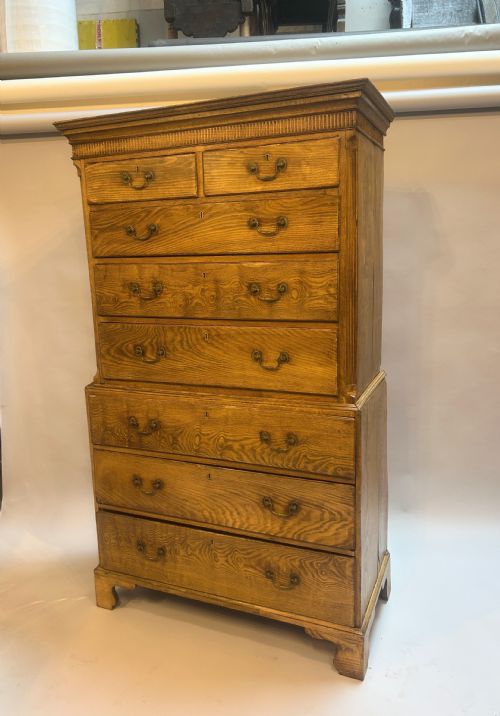
- Tallboy
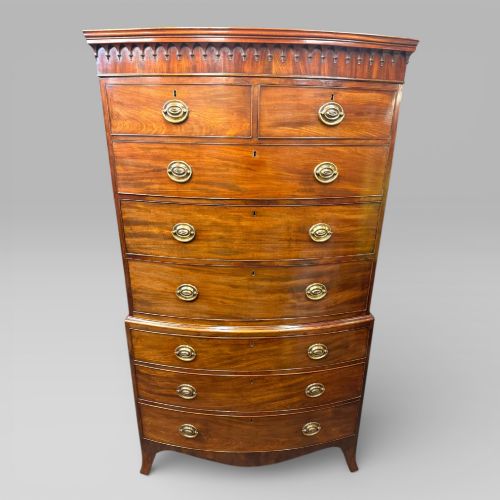
- A tall chest of drawers consisting of one chest stacked upon another, often providing extensive vertical storage. These pieces maximise capacity while occupying a compact floor footprint.
- Serpentine front
- A furniture front featuring a concave centre flanked by two convex ends, or vice versa. This complex curving outline demands advanced woodworking proficiency.
- Brushing slide
- A pull-out shelf integrated above the top drawer, traditionally used for folding clothes or writing. It slides flush into the cabinet frame when not in use.
- Chest on chest
- A large storage unit comprising a lower chest and a slightly smaller upper chest placed directly on top. Also known as a double chest, it offers substantial capacity.
George III Bedroom Drawers: Frequently Asked Questions
How were george iii bedroom drawers used?
These pieces served primarily for storing garments, linens and personal accessories within sleeping quarters. Many incorporated sliding shelves or fitted top drawers to hold smaller valuables and grooming items.
Over time, they evolved from utilitarian storage into prominent decorative furnishings that reflected the status and taste of the household.
How do I identify a george iii piece?
Look for characteristic proportions, classical architectural details and traditional construction methods such as hand-cut dovetails on the drawer sides. Mahogany is the dominant timber, often paired with original cast brass hardware.
Regional variations and specific stylistic markers like bracket feet or shaped aprons help narrow down the date of manufacture.
How do I care for mahogany drawers?
Keep the wood away from direct heat sources and strong sunlight to prevent the timber and polished surfaces from drying out or fading. Apply a light application of traditional wax periodically to nourish the grain.
Avoid using modern liquid polishes, which can build up a residue and dull the natural patina developed over the centuries.