
Vintage Wood Storage Chest
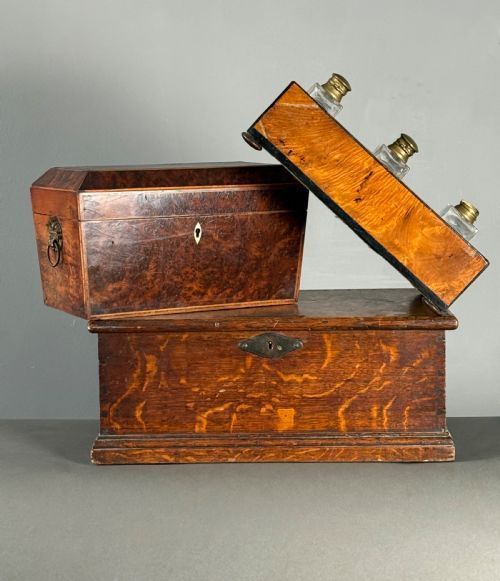
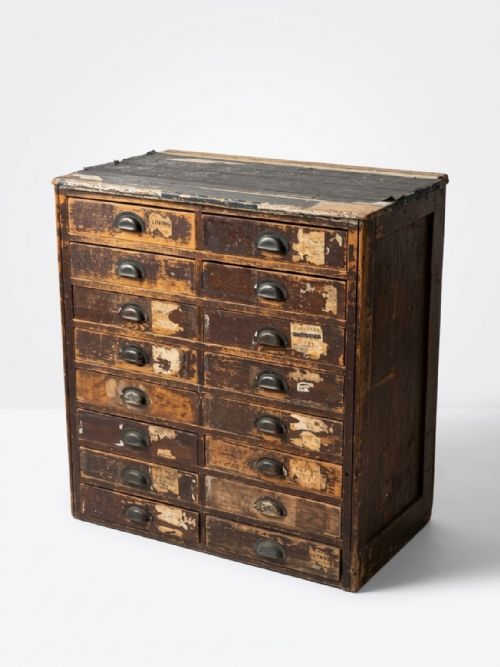
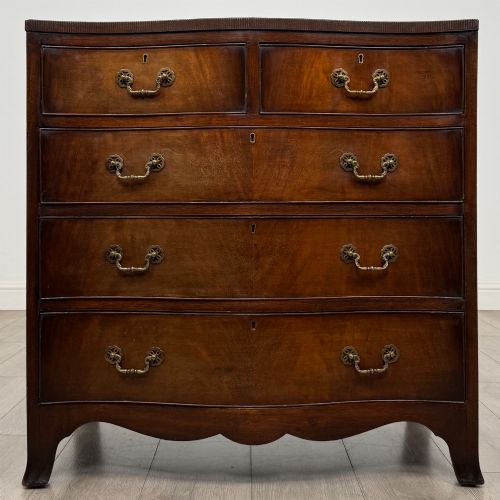
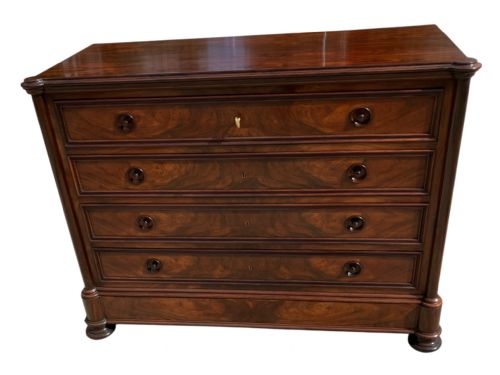
These vintage wood storage chest pieces range from brass-bound camphor wood trunks to Georgian mahogany chests of drawers, offering robust utility and period character.
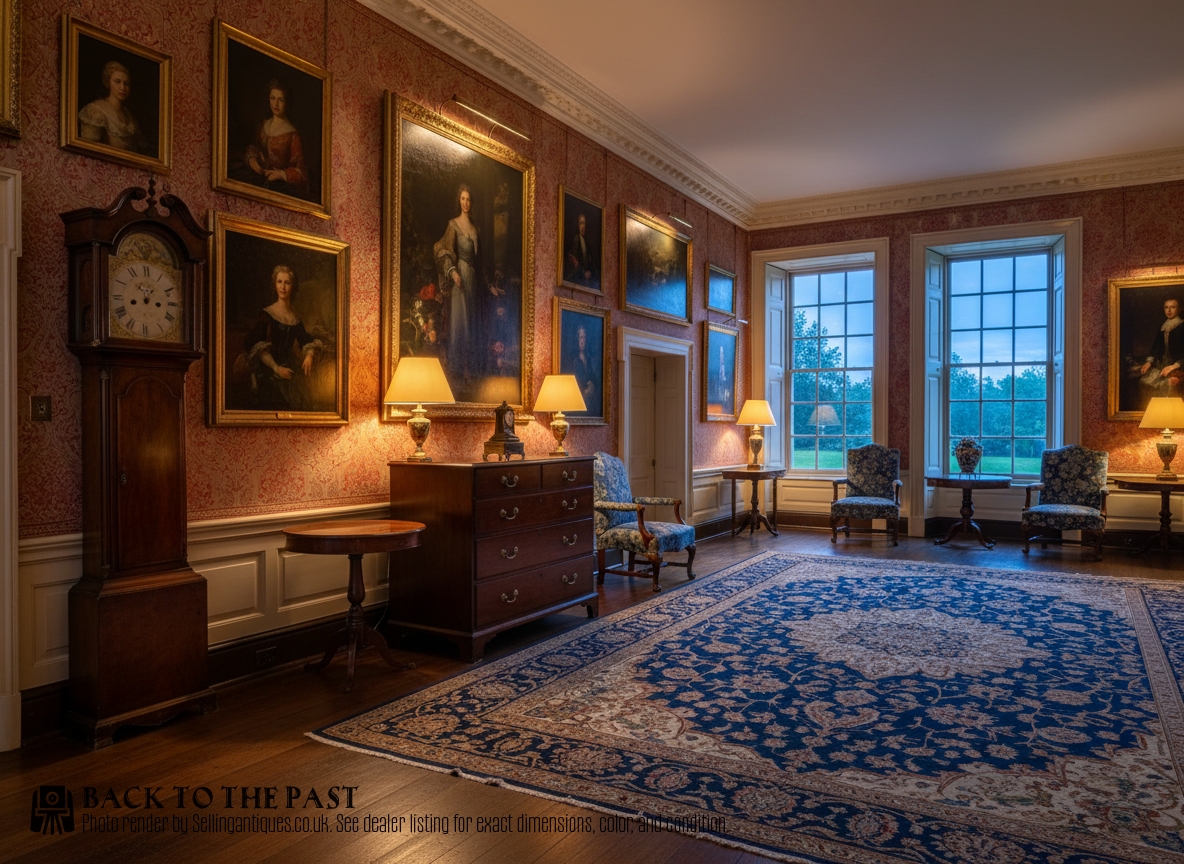
Vintage Wood Storage Chest
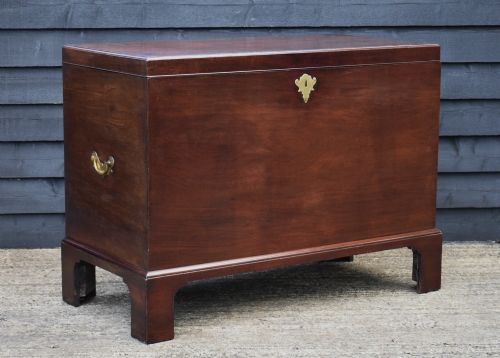
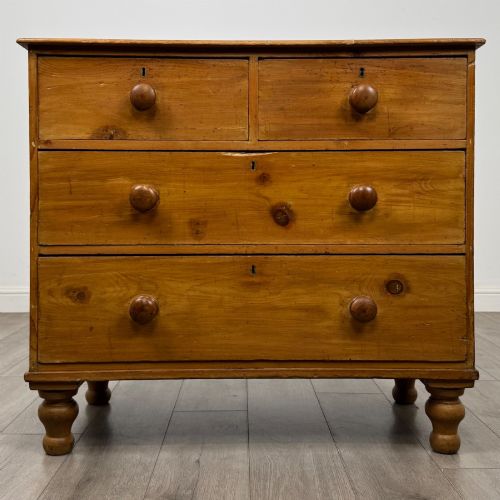
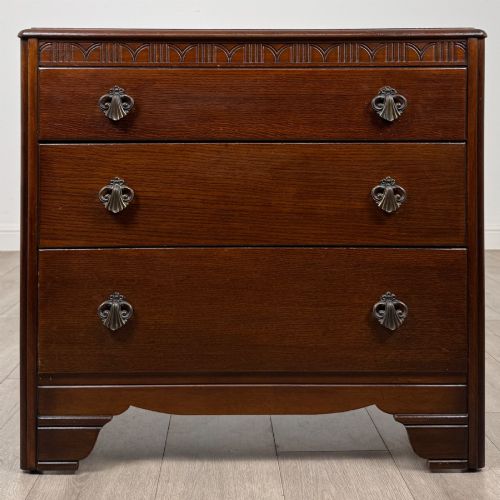
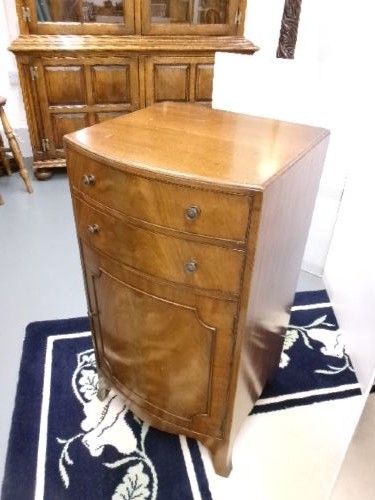
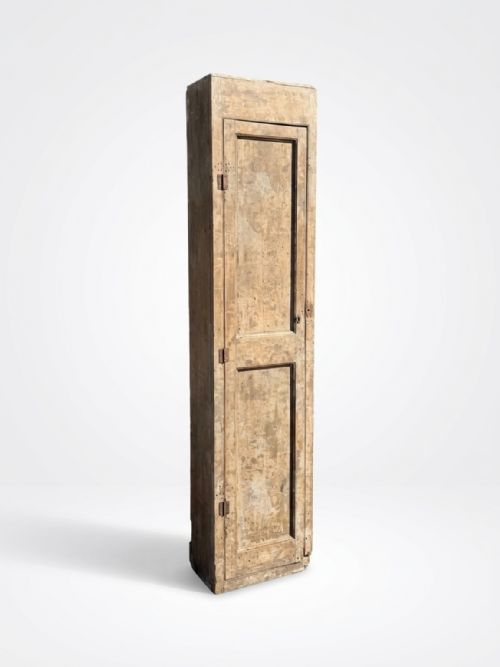
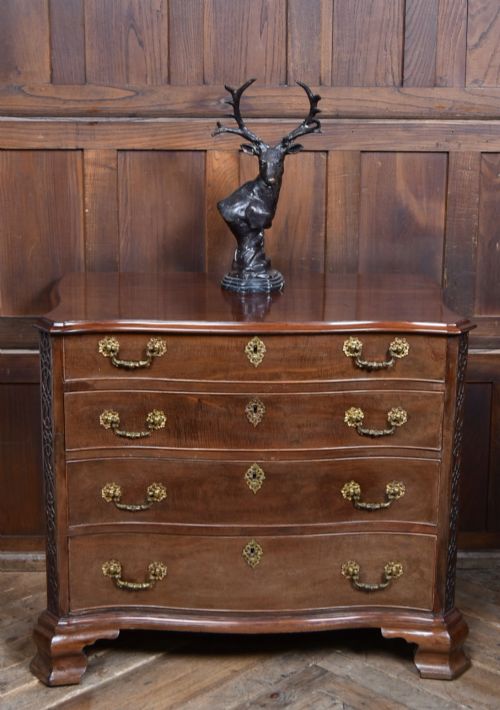
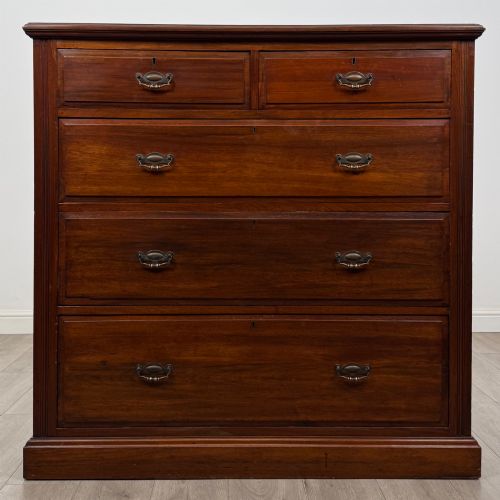
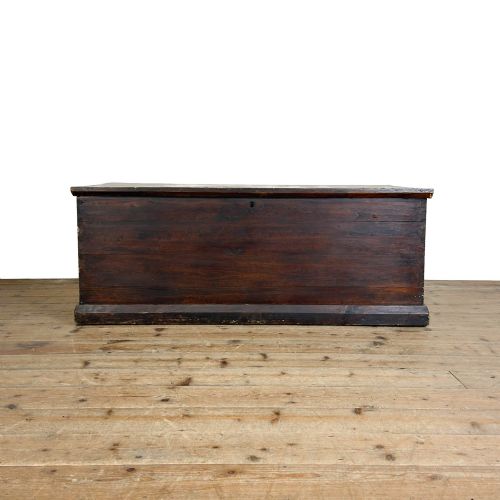
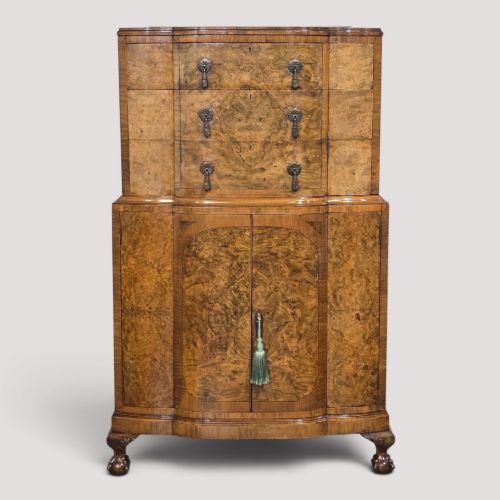
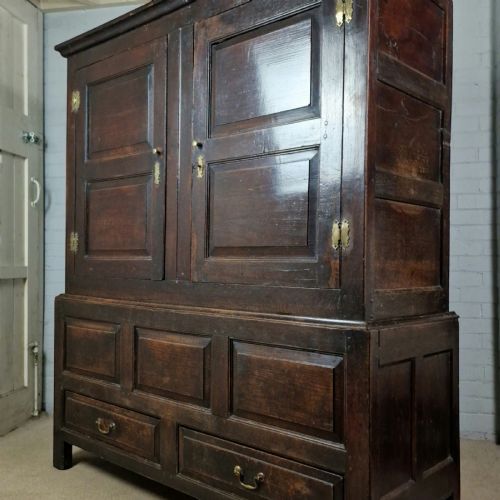
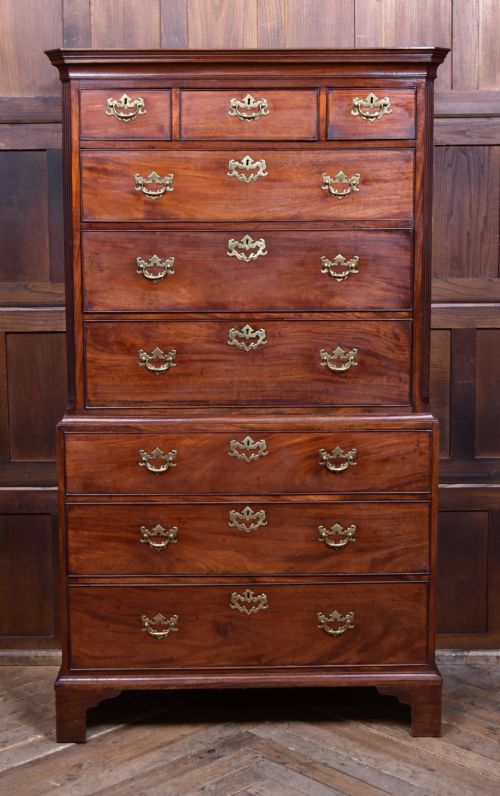
The selection on this page leans heavily toward mahogany and oak forms, supplemented by camphor wood chests fitted with brass corners and handles. Cabinet variations such as music cabinets, tallboys, and linen presses also appear alongside simpler pine and elm coffers from the eighteenth and nineteenth centuries.
How They Were Made
Cabinet makers utilised dense hardwoods like mahogany, oak, and walnut, often accentuating the grain with flame veneers or satinwood banding. Structural integrity relied on dovetail joints for drawer construction and sturdy tongue and groove panelling on backing boards and internal compartments.
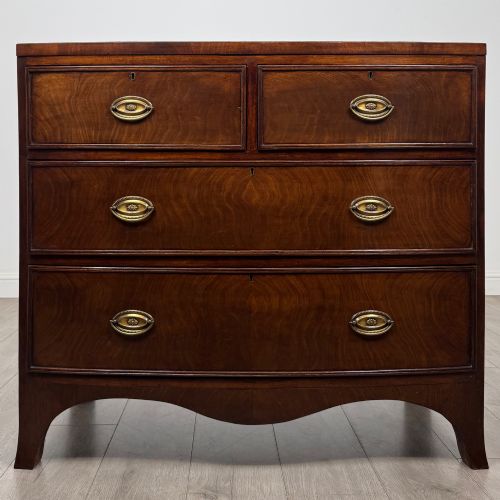
Travel pieces incorporated brass binding, recessed drop handles, and split sections designed to withstand transport by ship and rail. Decorative flourishes included carved oak motifs, mother-of-pearl inlay, and serpentine or bow fronts shaped from solid timber.
Listings span multiple eras from the 18th century through to 1930, featuring woods such as mahogany, camphor wood, oak, and yew.
What Varies in Quality
The standard of a vintage wood storage chest depends primarily on the selection of timber and the precision of its assembly. Figures like flame mahogany and figured walnut mark out superior cabinet work, whereas pine and general softwood serve utilitarian storage roles.
Execution of detail defines the upper tiers, from crisp drawer linings and original brass hardware to sophisticated serpentine shaping and fine string inlay. Maker attribution, such as work associated with firms like Hille or T & G Seddon, adds documented provenance to physical execution.
T & G Seddon·Hille
The Vintage Wood Storage Chest Glossary
- Coffer
- A large box with a hinged lid used traditionally for storing valuables or household goods. Early examples frequently employ solid oak or elm with hand-carved panels.
- Campaign chest
- A portable set of drawers made in sections with brass corners and inset handles designed for military transport. These pieces separate into modular units for easy carriage.
- Bow front
- A convex curved front facade popular on nineteenth-century chests of drawers. This shaping requires skilled carpentry to bend and fit solid timber or veneers.
- Linen press
- A tall cabinet featuring upper doors enclosing sliding trays for textiles above a chest of drawers. Georgian iterations often combine mahogany with satinwood inlay.
- Dovetail
- A joint formed by interlocking wedge-shaped fingers that binds drawer corners together without metal fasteners. Hand-cut dovetails indicate older, traditional cabinet making.
Vintage Wood Storage Chest: Frequently Asked Questions
What is a camphor wood chest?
A camphor wood chest is a storage trunk lined or built from aromatic camphor timber, prized for its natural insect-repellent properties.
Many surviving examples date from the nineteenth century and feature brass binding and flush handles for marine transport.
How do I date a wooden chest?
Dating relies on examining construction methods, timber choices, and hardware styles across periods like the Georgian and Victorian eras.
Hand-cut dovetails, secondary woods like pine or oak linings, and original brass handles provide key clues to an object's age.
Where were campaign chests used?
Campaign chests were built for British military officers and colonial administrators on active service abroad.
Their sectional design allowed heavy storage furniture to pack down into manageable boxes for travel.
What is the difference between a coffer and a chest?
A coffer generally describes a heavy, solid wood box with a hinged lid meant for household storage, often pre-dating formal drawer units.
A chest typically refers to a multi-drawer cabinet designed for clothing, though the terms overlap in historical trunk and blanket box listings.