


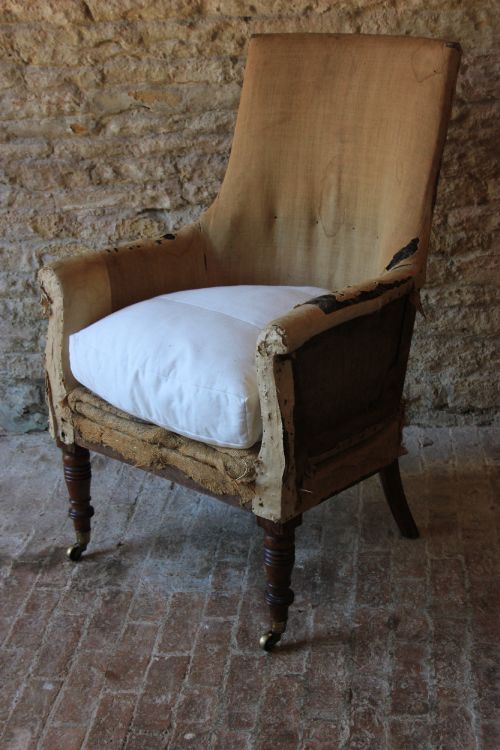
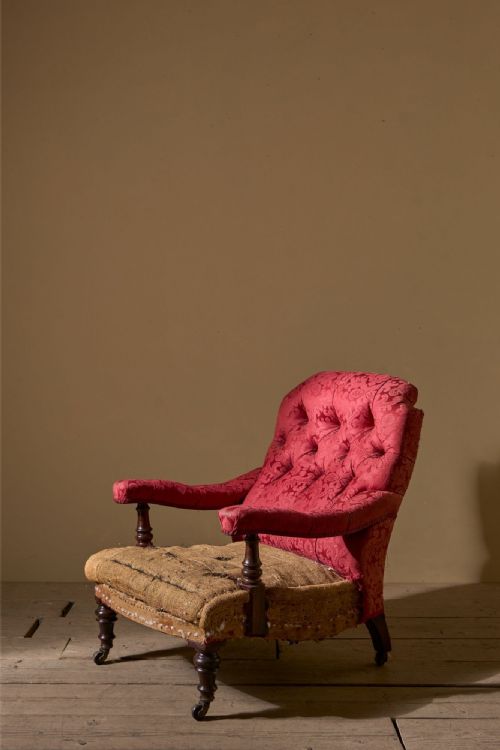
Traditional Accent Armchair
Traditional accent armchair selections gather diverse period seating, uniting timber frames and upholstered comfort to anchor a room with distinct character.
Traditional Accent Armchair
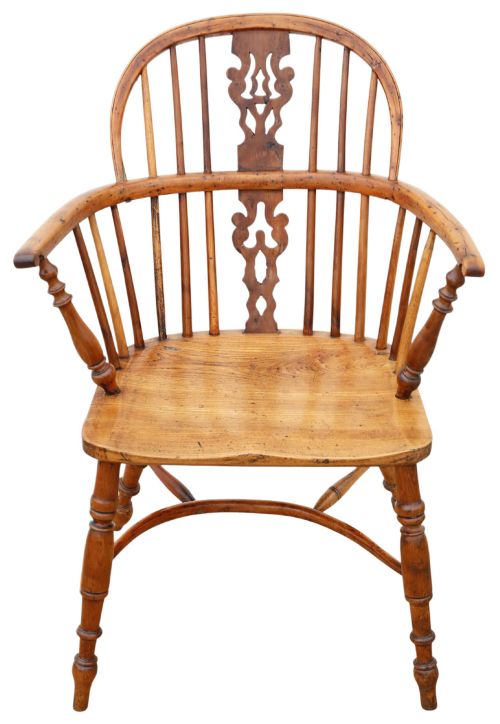
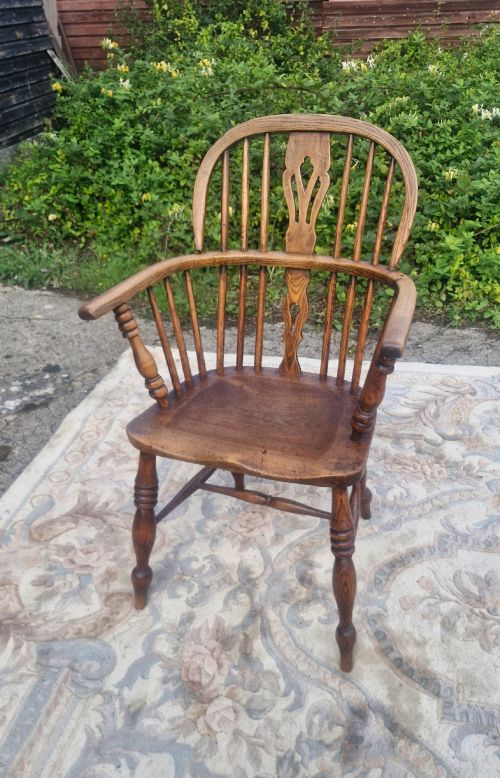
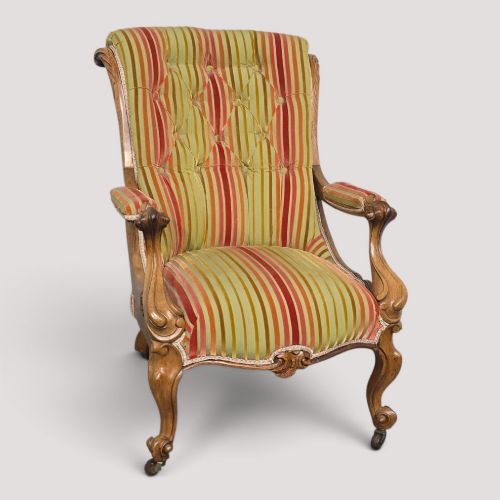
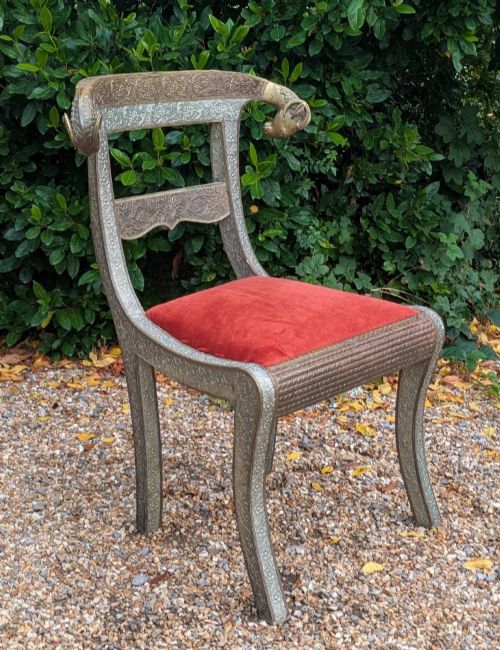
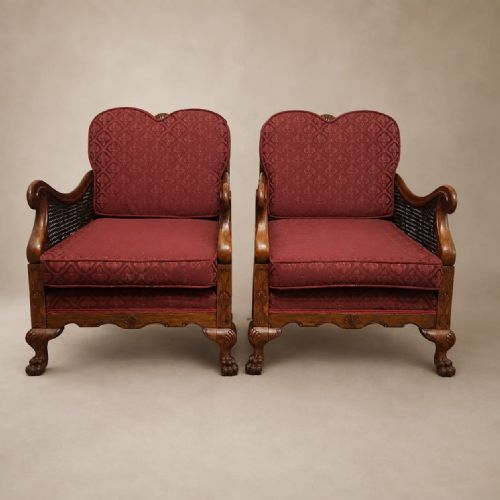
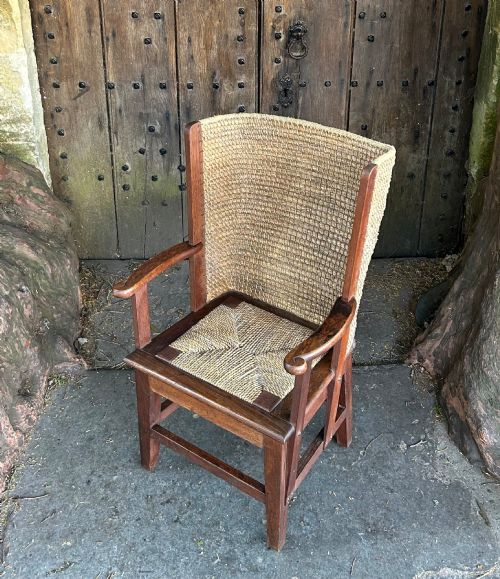
A traditional accent armchair serves as a standalone seating piece designed to introduce period character and contrast to a room's primary layout. These chairs span centuries of craftsmanship, ranging from sturdy country wooden Windsors to upholstered library chairs and button-backed Victorian designs.
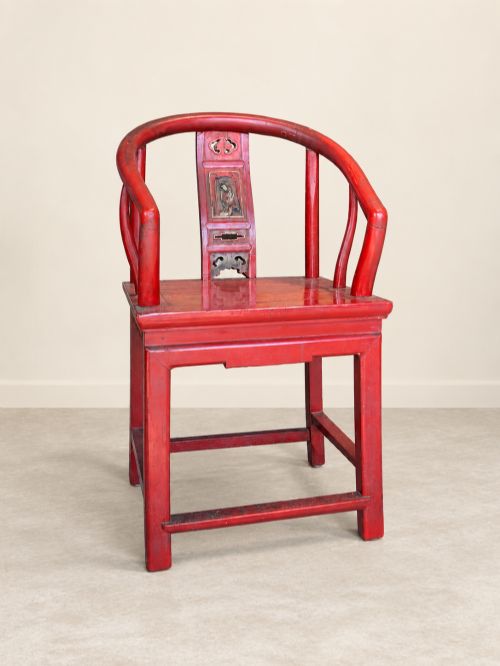
Origin and period dictate the distinct silhouette of each piece, whether it is a high-backed kitchen armchair or a carved Chinese hardwood horseshoe-back chair. These variations allow collectors to select seating that aligns with specific historical eras or country house aesthetics.
Materials and construction methods
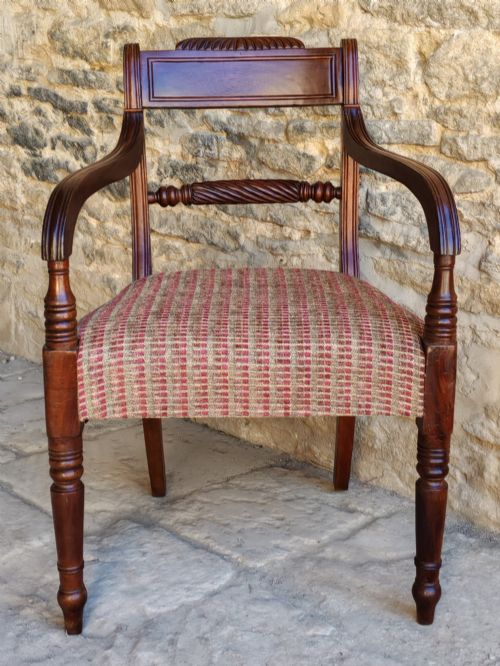
Construction relies heavily on traditional timber framing, utilising durable native woods such as mahogany, oak, elm, yew, beech, and walnut. Artisans employed time-tested joinery techniques, turning and carving solid timbers to form robust structures capable of enduring centuries of daily use.
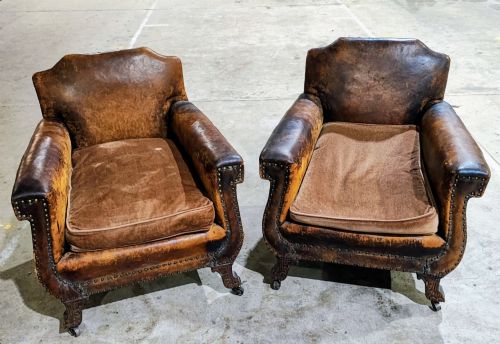
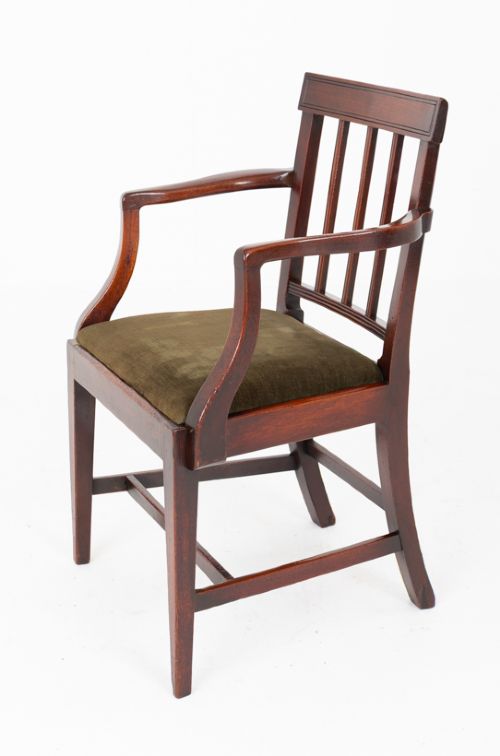
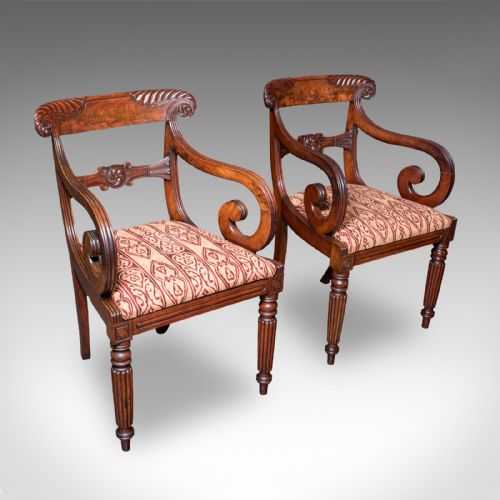
Upholstered variations incorporate tactile finishes including leather, velvet, split cane, and woven fabric over supportive internal padding. Brass accents and detailed wood carving frequently complete the decoration, uniting structural integrity with refined visual appeal.
Traditional Accent Armchair Retail Price Guide 2026
Typical asking prices for traditional accent armchair among the pieces listed under this phrase on Sellingantiques today, from the lower quarter to the upper quarter. They describe what is for sale here now, not the wider market.
Listings span multiple centuries, incorporating 18th-century, Regency, Victorian, and Edwardian periods alongside materials like mahogany, oak, velvet, and cane.
Assessing craftsmanship and finish
Quality in these chairs rests upon the crispness of the timber carving and the integrity of the original construction. Superior examples exhibit tightly fitted joinery, well-turned spindles, and choice selections of figured woods like mahogany or yew.
The condition of secondary materials, such as split cane panels, hand-stitched upholstery, and brass hardware, further distinguishes standard production from exceptional workshop output. Original patination on wooden surfaces remains a key indicator of authenticity and careful preservation.
Howard and Sons
The Traditional Accent Armchair Glossary
- Windsor armchair
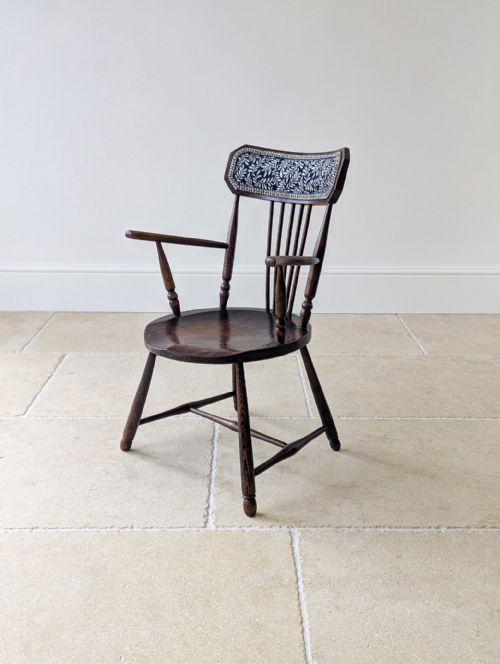
- A wooden chair featuring a saddle-shaped seat into which the legs and back spindles are directly joined. These robust country seats frequently combine yew and elm timbers.
- Bergere
- An enclosed armchair with a wooden frame and woven cane back and sides. This French-inspired seating often incorporates loose upholstered cushions.
- Carver
- An armchair designed in the same style as a matching set of dining chairs, typically positioned at the head of a table. These pieces feature raised armrests to accommodate formal dining.
- Wingback armchair
- A high-backed seat featuring upholstered wings designed to shield the occupant from draughts. Early twentieth-century and Georgian iterations remain popular for fireside placement.
- Turned chair
- A sturdy seat constructed entirely from cylindrical wooden components shaped on a lathe. Examples span from seventeenth-century forms into nineteenth-century revivals.
Traditional Accent Armchair: Frequently Asked Questions
What defines a traditional accent armchair?
A traditional accent armchair is a standalone seating piece originating from historical periods like the Victorian era or the eighteenth century. These chairs use solid timbers and classic upholstery to add focal character to a room.
They function as both decorative statements and practical seating, drawing upon historical designs such as Windsor, wingback, or library chair configurations.
How do I date an antique armchair?
Dating relies on examining the timber species, joinery methods, and upholstery style characteristic of specific periods. Eighteenth-century models often feature carved mahogany, whilst nineteenth-century examples frequently utilise yew and elm.
Tool marks, wear patterns, and structural construction provide further clues to whether a piece belongs to the Regency, Victorian, or Edwardian era.
Where should I place an accent armchair?
These chairs suit quiet corners, reading spaces, or bedrooms where a single statement piece can anchor the room. Their varied silhouettes allow them to complement existing furniture without requiring a matching suite.
Library chairs and low-back Windsors work well near bookshelves or fireplaces, while upholstered velvet or leather club chairs add warmth to a drawing room.
Are wooden Windsor chairs comfortable?
Windsor chairs feature saddled wooden seats carved to contour naturally to the body, providing surprising ergonomic support. High-backed variants offer ample support for the head and shoulders during extended sitting.
Many owners add loose cushions or pads to wooden seats for extra softness during daily use.