


Tin Glazed Pottery Pitcher
A tin glazed pottery pitcher brings hand-painted colour and centuries of ceramic history to a room.
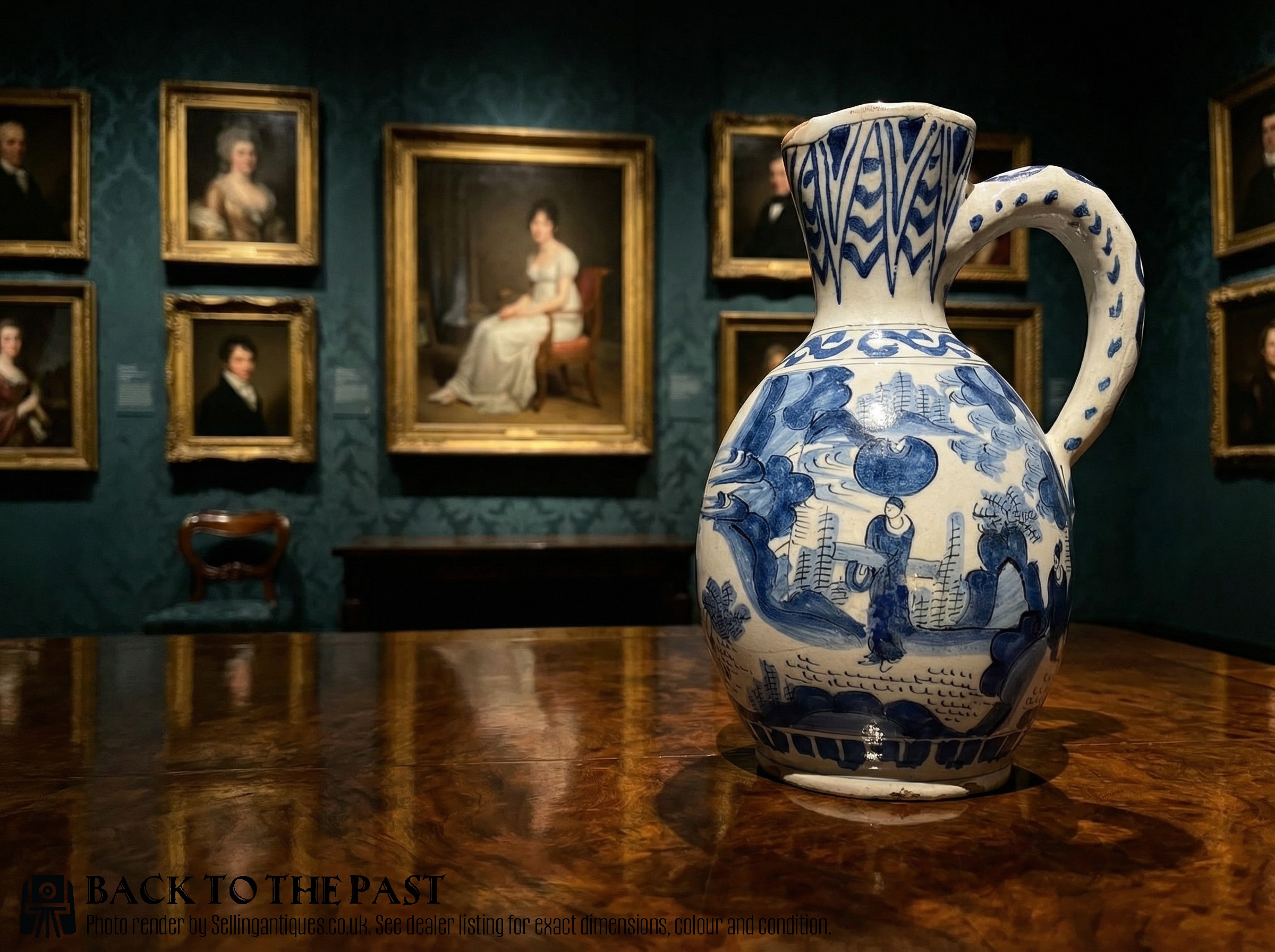
Tin Glazed Pottery Pitcher
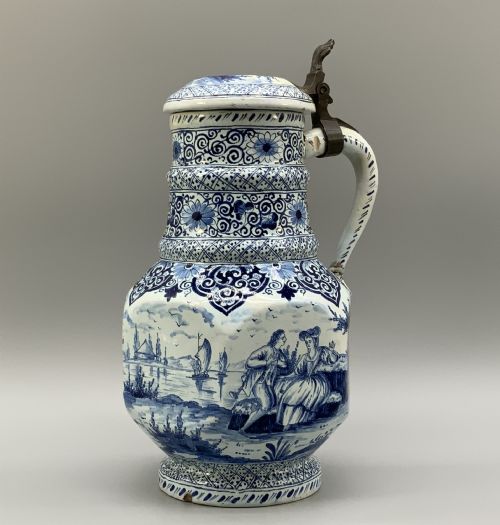
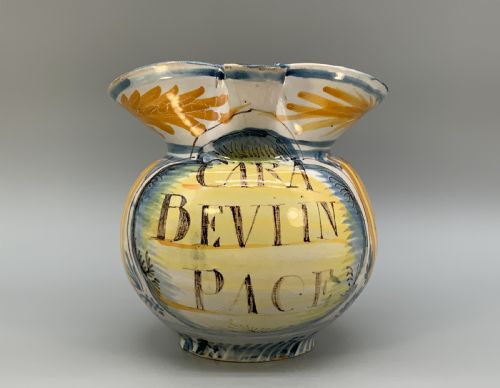
A tin glazed pottery pitcher encompasses utilitarian jugs, apothecary vessels, and decorative ewers spanning the seventeenth to the nineteenth centuries. These pieces originate from Dutch, Italian, French, and English workshops, displaying diverse regional painting traditions.
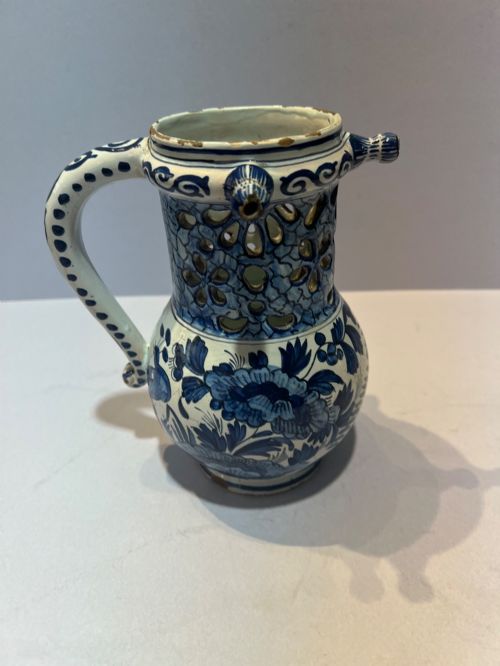
The most common examples encountered here are eighteenth-century Dutch Delftware jugs, often decorated in blue and white or polychrome palettes. These vessels range from practical lidded beer jugs to puzzle jugs and apothecary jars.
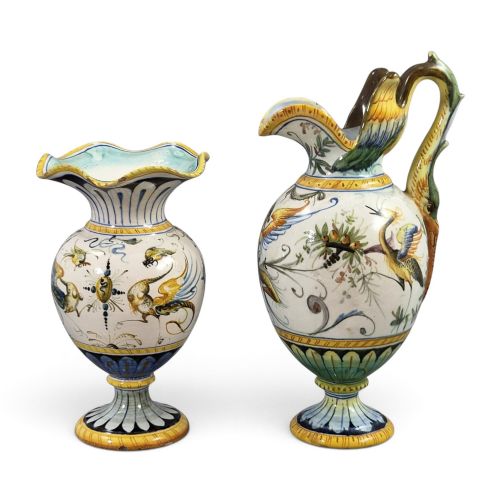
Form and function merge in these earthenware containers, which served everything from tavern service to pharmacy storage. Later nineteenth-century revival styles from makers like Cantagalli and Gien also appear alongside earlier domestic items.
Assessing visual quality
Quality rests in the precision and fluidity of the hand-painted decoration, where confident brushwork separates master workshops from routine output. Finer pieces display crisp botanical, figural, or Chinoiserie motifs with well-balanced composition across the curved body.
The smoothness and opacity of the tin glaze itself dictate the visual depth of the surface, alongside how successfully the colours fused during the kiln firing. Early examples demonstrate careful control over glaze pooling around handles and bases.
Listings span four centuries, featuring seventeenth-century Dutch delft, eighteenth-century English delftware, and nineteenth-century French Gien faience.
Cantagalli Florence·Gien Faience·Pieter Verburg
The Tin Glazed Pottery Pitcher Glossary
- Tin glaze
- An opaque white ceramic glaze containing tin oxide that renders the underlying earthenware invisible. It provides the traditional reflective background for painted decoration on delftware and majolica.
- Majolica
- A type of Italian tin-glazed earthenware decorated with colourful metallic oxides. The style gained popularity during the Renaissance and saw nineteenth-century revivals.
- Delftware
- Tin-glazed earthenware originating from the Netherlands, particularly associated with blue and white designs influenced by imported Chinese porcelain. Production centred around Delft from the sixteenth century onwards.
- Earthenware
- Porous pottery fired at relatively low temperatures. It requires a glaze, such as tin glaze, to hold liquids.
- Polychrome
- Decoration employing multiple colours rather than a single hue like blue and white. These palettes typically include manganese, yellow, and green pigments.
Tin Glazed Pottery Pitcher: Frequently Asked Questions
Can I use these pitchers for serving liquids?
Most antique pitchers are intended for display rather than daily culinary use due to historical glaze wear and porous bodies.
Using them for liquids risks staining the interior and damaging the historic tin glaze.
How do I distinguish Dutch delft from Italian majolica?
Dutch delft typically relies on a tin glaze that creates a pale blue-white ground with cobalt painting, often referencing East Asian porcelain.
Italian majolica frequently employs a warmer, heavier glaze with a wider polychrome palette including manganese, yellow, and green pigments.
What is a puzzle jug?
A puzzle jug is a seventeenth or eighteenth-century drinking vessel featuring a pierced neck and deceptive spouts.
Drinkers had to cover hidden holes with their fingers to consume the contents without spilling.