
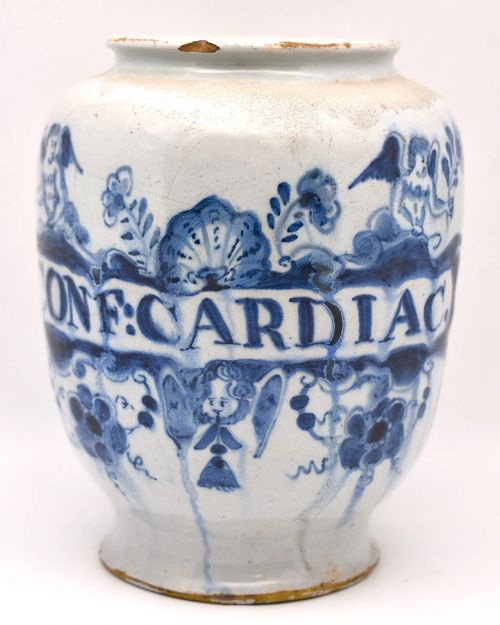
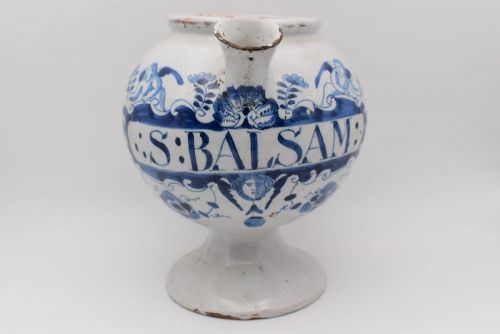


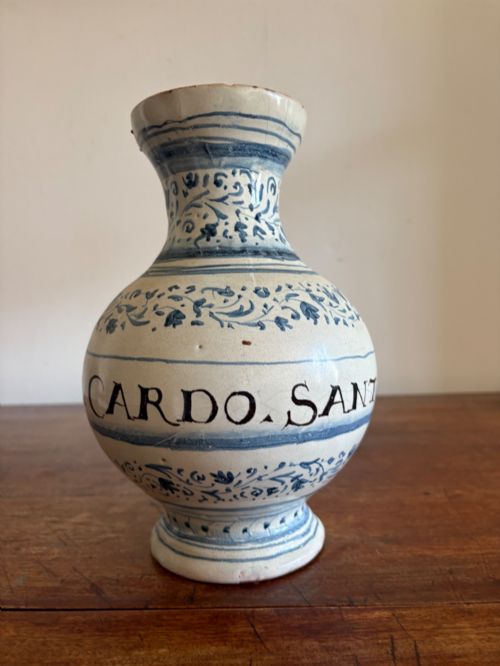


Tin Glazed Earthenware Jar
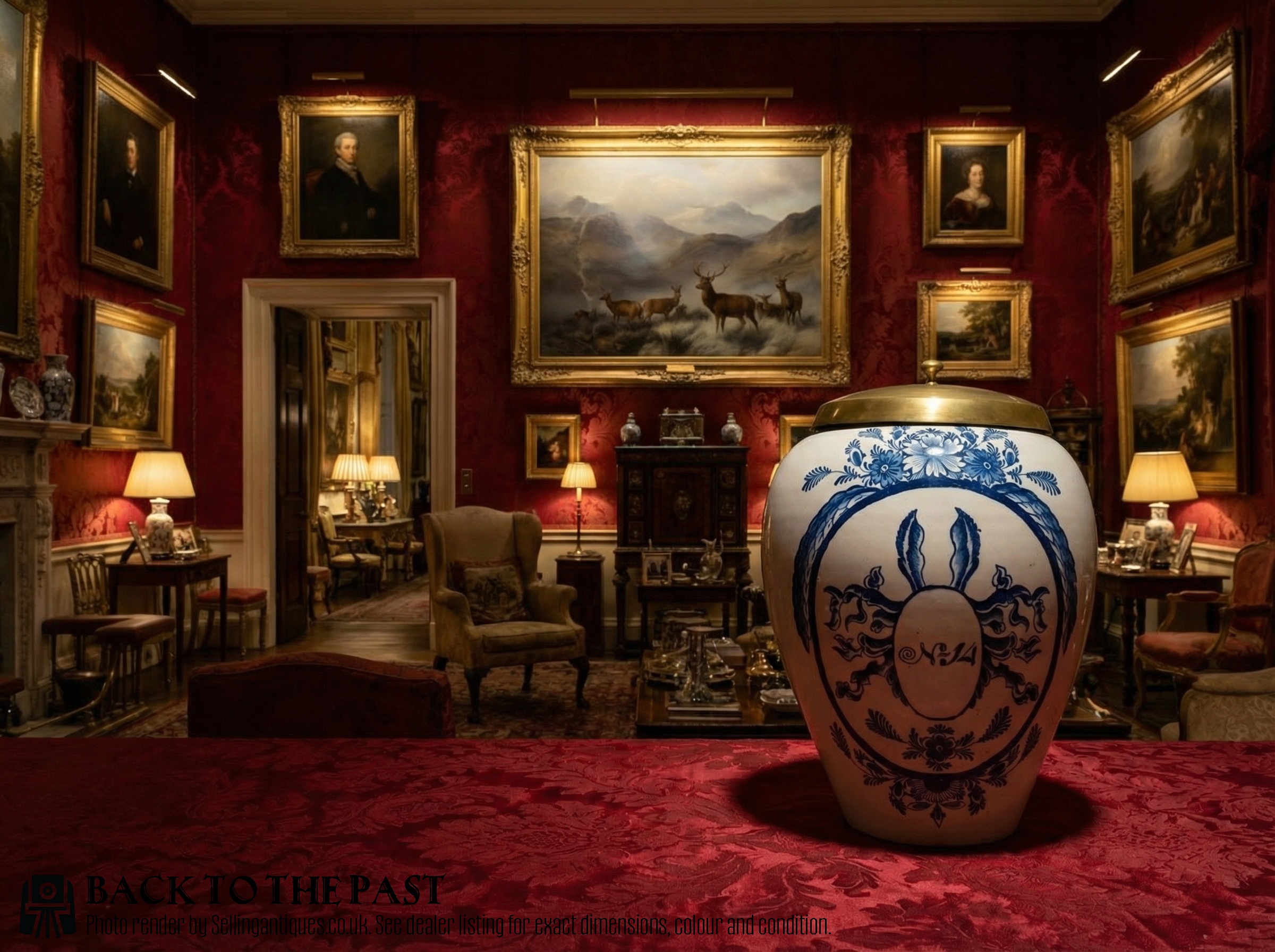
These tin glazed earthenware jar examples bring centuries of European ceramic craft to a room, offering functional drug storage forms and decorative lidded vessels.
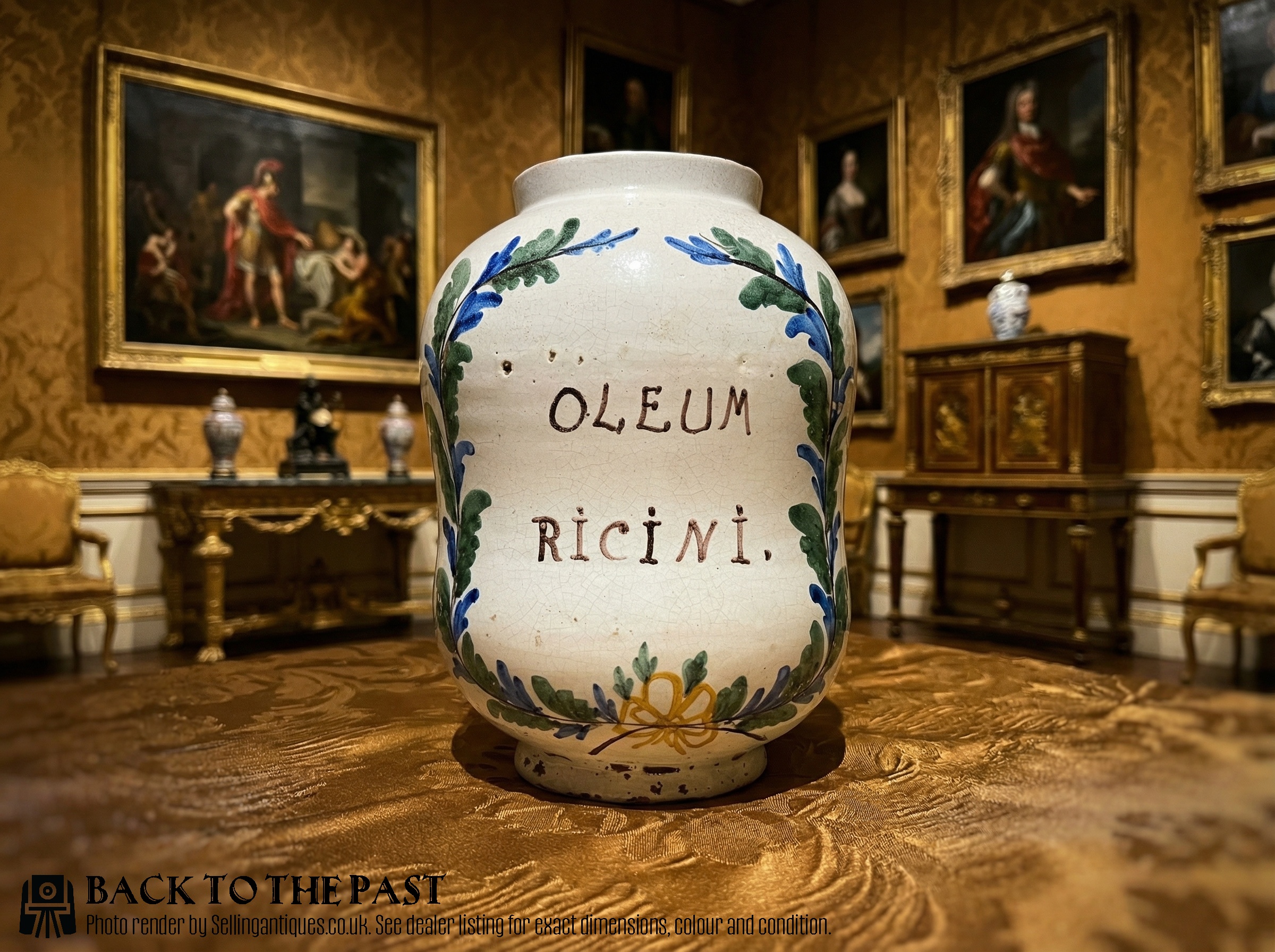
Tin Glazed Earthenware Jar
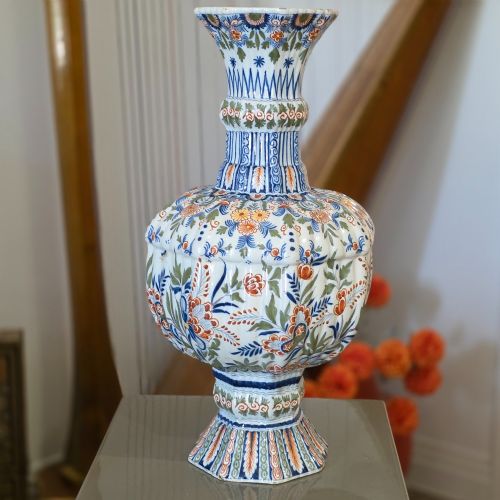
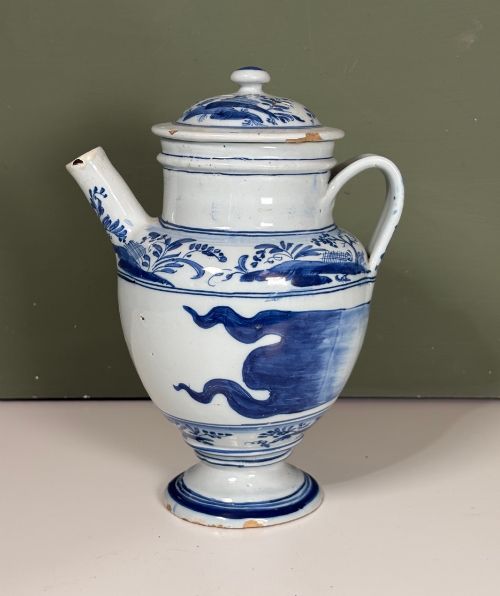
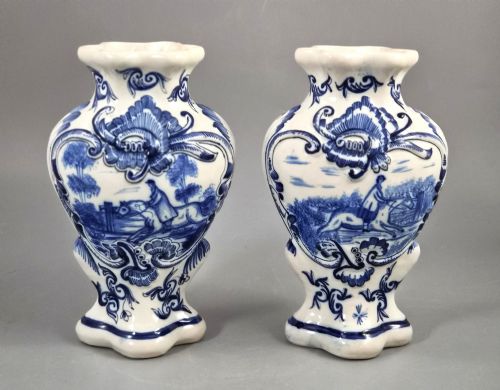
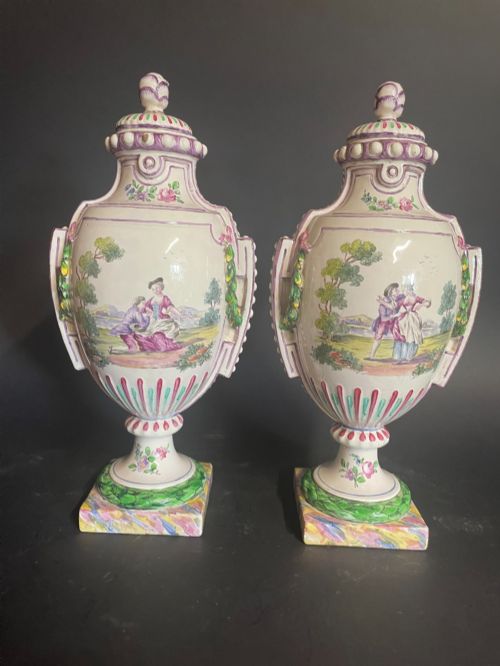
A tin glazed earthenware jar represents a tradition of ceramic production spanning the seventeenth, eighteenth, and nineteenth centuries across England, Holland, France, and Italy. These vessels range from utilitarian apothecary jars and wet drug containers to large baluster vases, tobacco jars, and lidded urns intended for display.
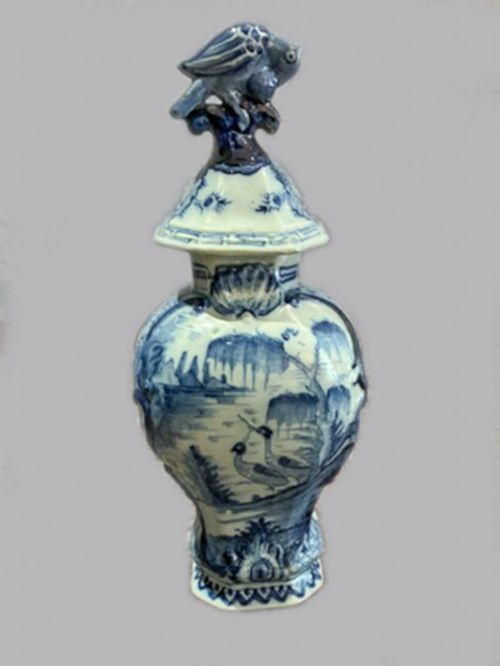
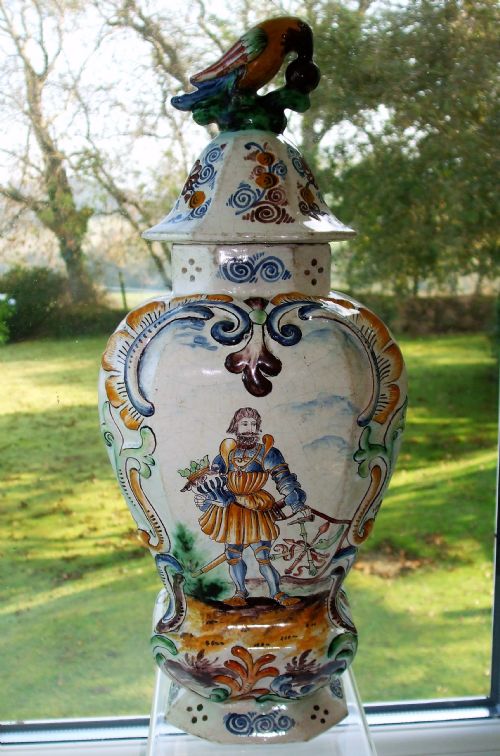
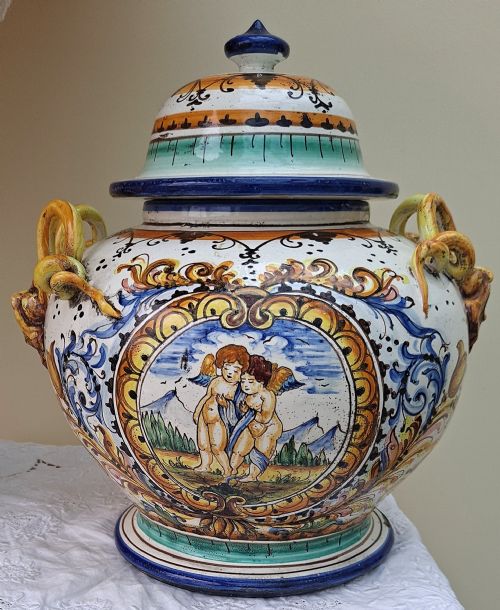
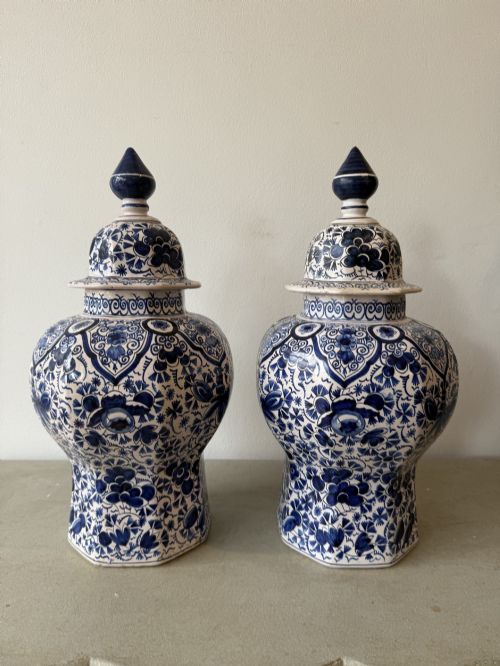
The pieces on this page are most commonly encountered in eighteenth-century Dutch Delftware and Italian majolica forms, often decorated with blue and white pigments or polychrome glazes. Buyers also find nineteenth-century French faience and Victorian maiolica pieces that adapt earlier Baroque, Rococo, and Chinoiserie styles.
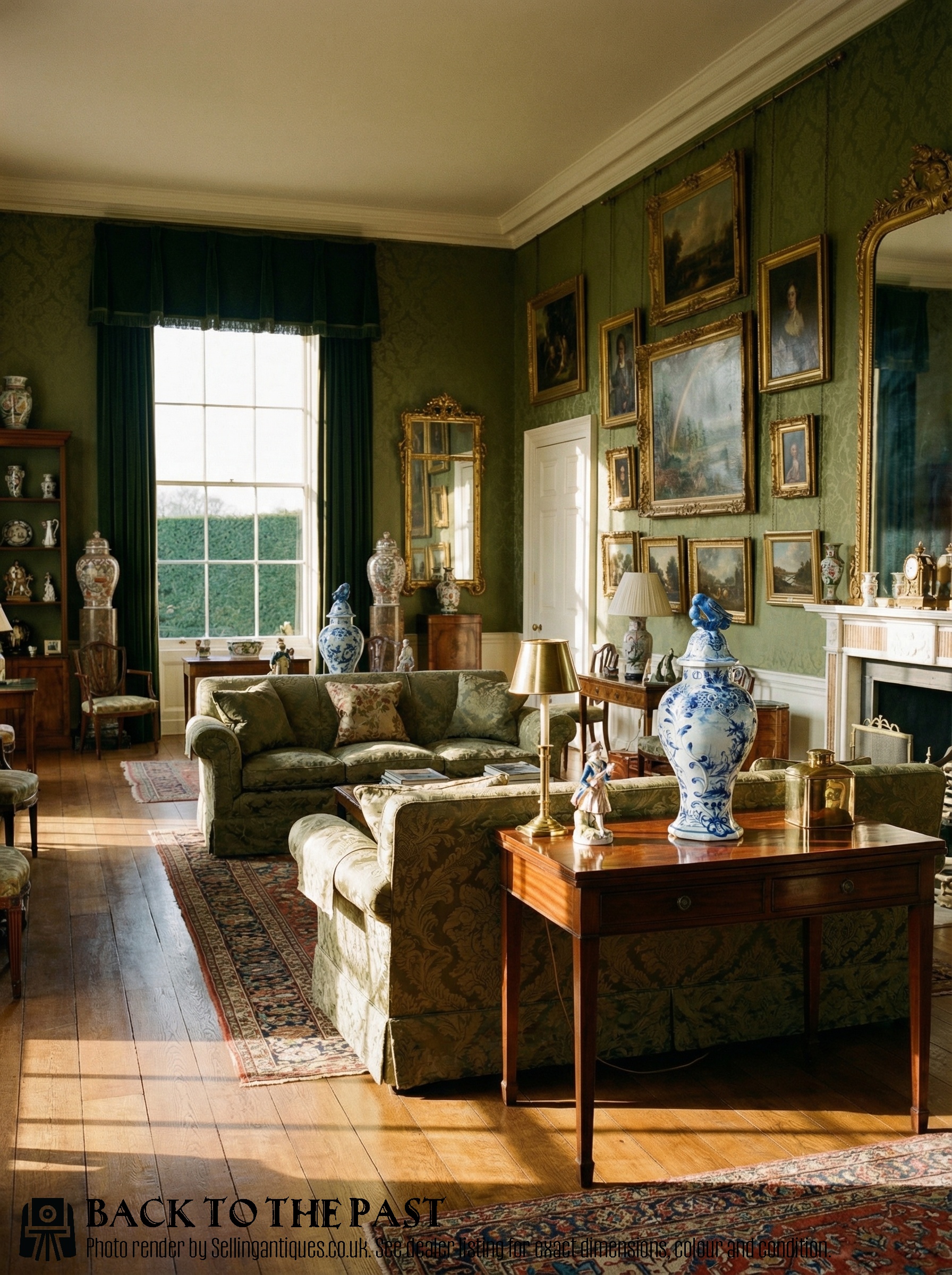
Forms include straight-sided albarellos, bulbous wet drug jars with spouts, and lidded garden or display vases. Many retain their original covers, while others survive as single vessels or matched pairs from European kilns.
How They Were Made
Potters shaped the body from local clays and fired them into porous earthenware before coating the surface in an opaque white glaze containing tin oxide. This tin glaze provided a smooth, flat white ground suited for painting directly in cobalt pigment or mixed mineral colours.
Artisans applied pigments by hand over the unfired or raw glaze, absorbing the colour into the surface during a secondary high-temperature kiln firing. This technique allowed intricate floral motifs, cherubs, pharmaceutical labels, and avian scenes to fuse permanently with the white ground.
Tin Glazed Earthenware Jar Retail Price Guide 2026
Typical asking prices for tin glazed earthenware jar among the pieces listed under this phrase on Sellingantiques today, from the lower quarter to the upper quarter. They describe what is for sale here now, not the wider market.
Pharmacy jars often bear Latin abbreviations for old remedies, hinting at centuries of curious medical recipes inside.
What Varies in Quality
Quality rests upon the crispness of the hand-painted brushwork and the purity of the white tin glaze, which can range from a smooth, milky opaqueness to a dry or pitted surface. Master painters achieved fine linework and deep cobalt tones that stayed sharp without bleeding into the surrounding glaze.
The survival of original matching lids and the stability of the earthenware body distinguish exceptional examples from altered or heavily restored pieces. Proportion, weight, and the complexity of decorative programmes, such as polychrome pharmacist labels or elaborate Chinoiserie scenes, further elevate individual vessels.
Fourmaintraux-Courquin
The Tin Glazed Earthenware Jar Glossary
- Albarello
- A cylindrical earthenware jar used by apothecaries to store dry drugs, ointments, and spices. These vessels typically feature a pinched waist for a secure grip.
- Tin Glaze
- An opaque white ceramic glaze containing tin oxide applied over a buff or earthenware body. It created the characteristic smooth white background for European Delftware and majolica painting.
- Cobalt Pigment
- A blue mineral colour applied beneath or over the glaze to decorate ceramics. It withstands high kiln temperatures without losing its deep hue.
- Majolica
- Italian tin-glazed earthenware decorated with colourful pigments. It developed during the Renaissance and continued through later centuries for decorative and pharmaceutical wares.
- Faience
- French tin-glazed earthenware produced across various regional factories and workshops. The term encompasses both decorative vases and utilitarian pharmacy vessels.
Tin Glazed Earthenware Jar: Frequently Asked Questions
What were apothecary jars used for?
Apothecaries used these lidded vessels to store dry herbs, syrups, and medicinal preparations in pharmacies and dispensaries. The painted labels indicated the specific contents required by practitioners.
Over time, many of these utilitarian containers transitioned into decorative interior objects valued for their historic painted surfaces.
How do I tell Dutch Delft from Italian majolica?
Dutch Delft typically relies on a cool blue and white palette inspired by imported Chinese porcelain, often featuring Chinoiserie landscapes or floral motifs. Italian majolica frequently employs warmer polychrome glazes with figurative scenes, botanical panels, and distinct pharmacy labels.
Form also offers clues, as Italian kilns produced characteristic cylindrical albarellos and spouted wet drug jugs alongside traditional vases.
Are these jars waterproof?
The porous earthenware body beneath the tin glaze means these historic vessels are generally unsuited for holding standing water today. Hairlines and historical kiln flaws can allow moisture to seep into the ceramic body.
Displaying them dry preserves the glaze and prevents further stress to the fragile historic fabric.
How should I clean my tin glazed jar?
Dusting gently with a dry, soft cloth is the safest way to maintain the surface without disturbing the historic glaze. Avoid chemical cleaners, immersion in water, or abrasive cloths that can damage the soft tin-oxide coating.
Keeping the jar away from direct sunlight and damp environments helps protect the pigments and earthenware body.