

Tin Glazed Ceramic Charger
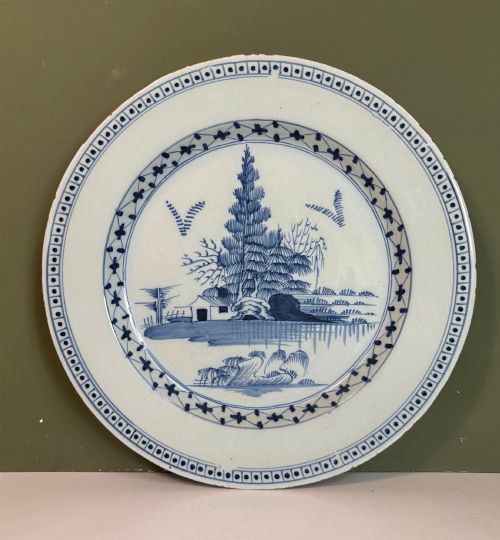
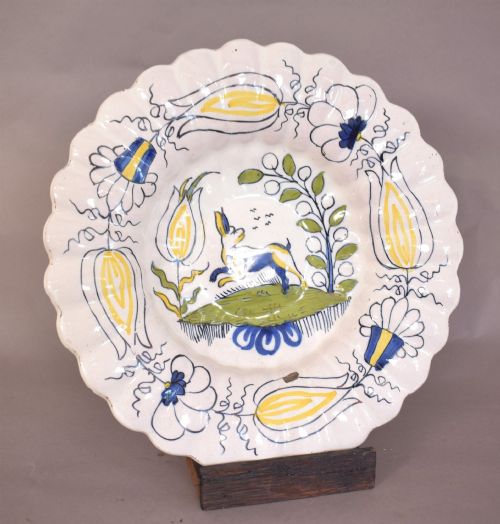
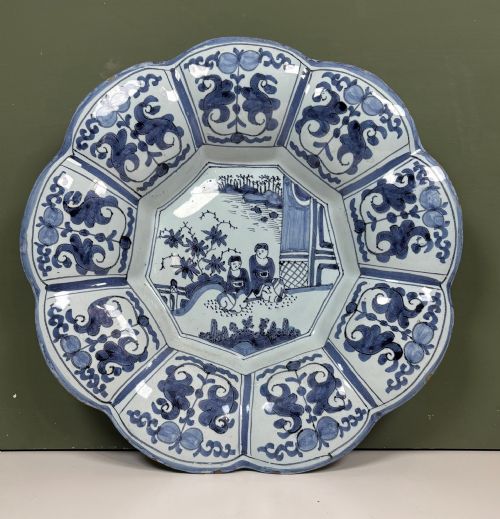
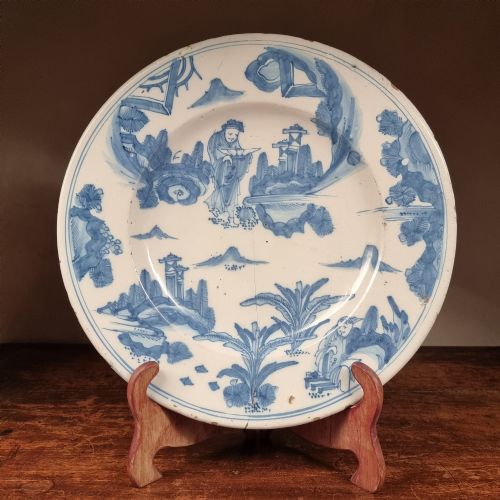
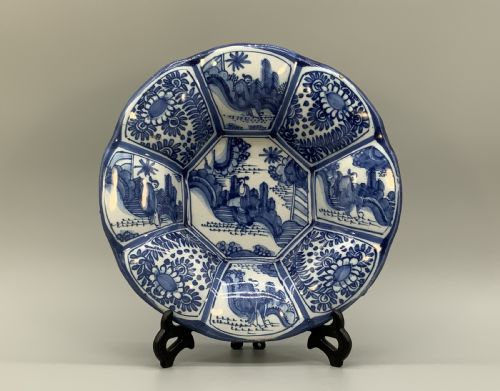
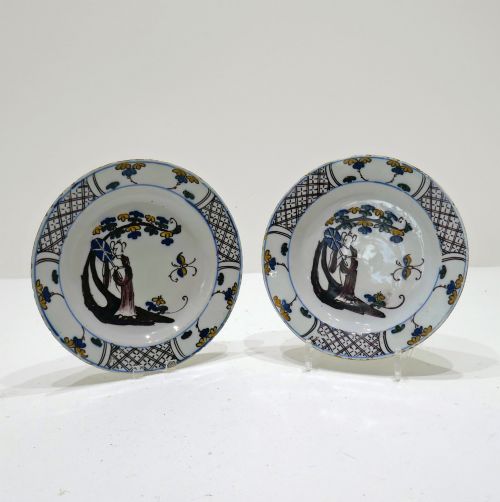
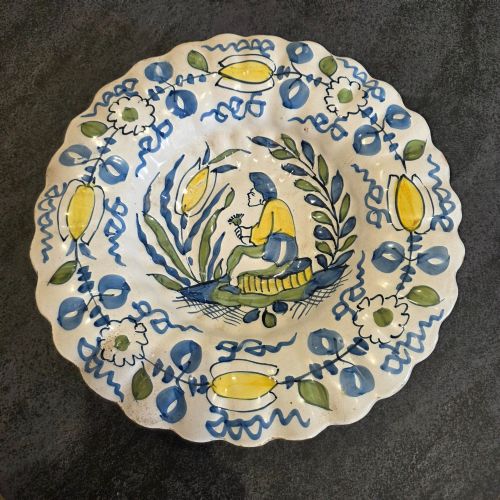
A tin glazed ceramic charger offers a wide earthenware surface painted with cobalt pigment or polychrome oxides.
Tin Glazed Ceramic Charger
A tin glazed ceramic charger is a broad decorative plate or dish produced across European potteries from the seventeenth century onward. When you search for this phrase, you encounter large earthenware platters made to be displayed on walls or tables rather than used for dining.
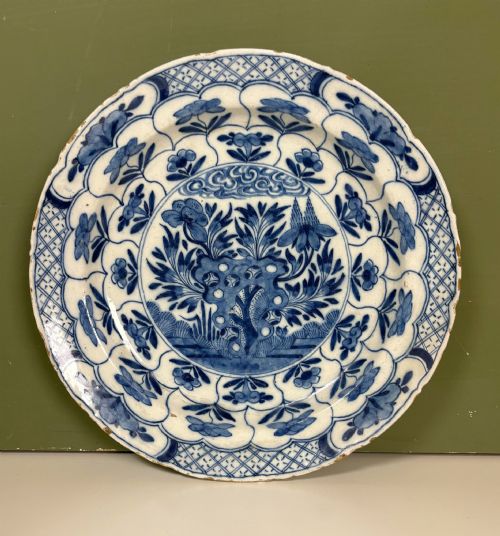
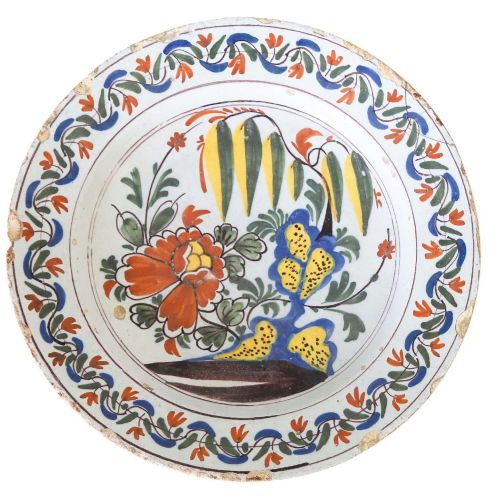
The version you are most likely to meet on this page is the Dutch or English delftware charger from the eighteenth century. These pieces typically present blue and white or polychrome floral and landscape motifs painted directly onto an opaque white glaze.
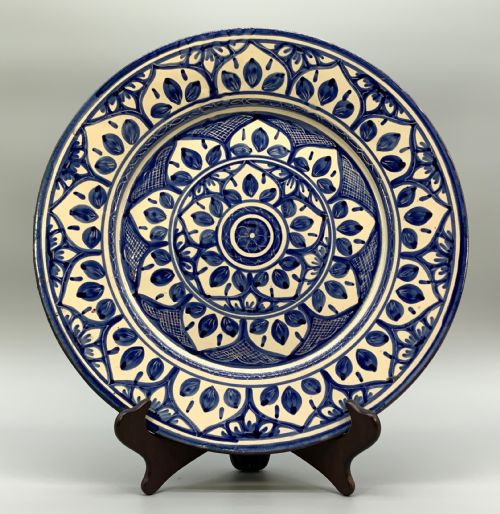
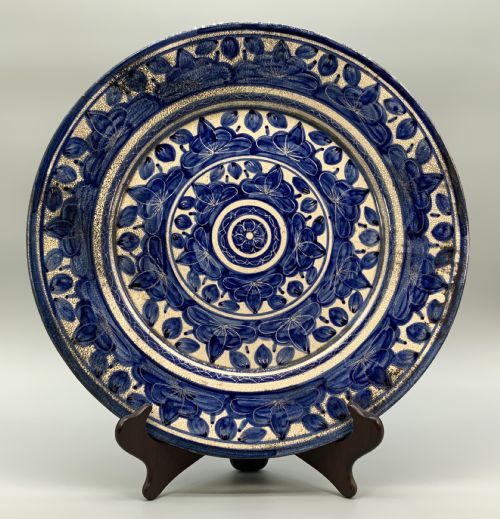
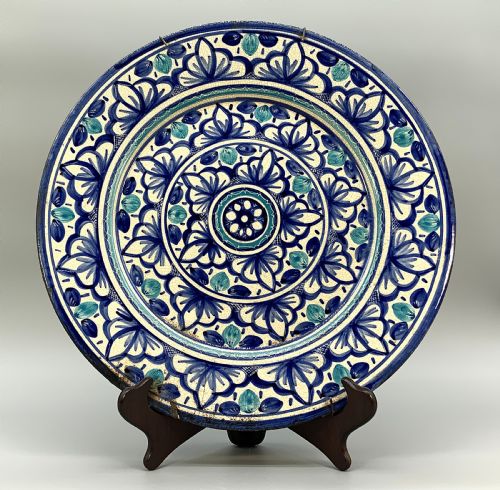
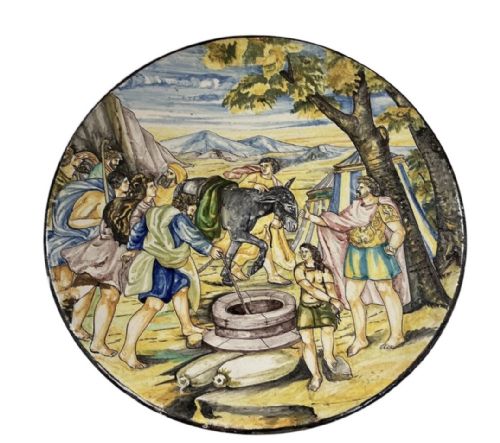
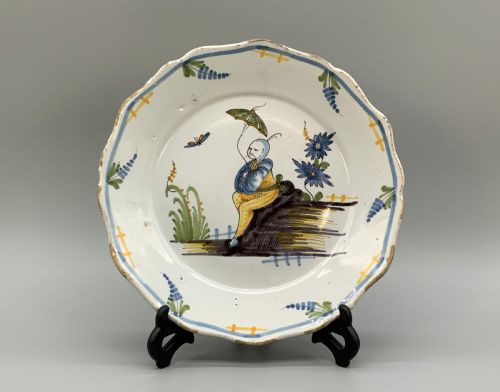
Continental examples also appear, including French faience and Italian maiolica incorporating styles from Moorish revival to classical historical scenes. Forms range from shallow bowls and lobed dishes to massive flat platters.
Materials and production methods
Potters shaped earthenware bodies from local clays, firing the raw vessel into a porous biscuit before coating it in a liquid tin glaze. This tin oxide suspension dried to a chalky white surface that provided an opaque background for painting.
Artisans applied cobalt pigment, manganese, or polychrome metal oxides directly onto the unfired glaze, which absorbed the colours permanently during the kiln firing. This grand feu technique required steady heat control to fuse the pigments smoothly with the glaze.
Listings feature tin-glazed earthenware spanning from the seventeenth century through the nineteenth century, alongside twentieth-century revival pieces.
Distinctions in craftsmanship and design
Quality rests in the crispness of the brushwork and the complexity of the painted composition, from simple geometric borders to detailed figurative scenes. Superior pieces display confident, fluid hand-painted decoration executed by skilled ceramic artists rather than hasty factory production.
The stability and purity of the white glaze also separate fine examples from simpler wares, showing an even coat without excessive pitting or crawling. The weight and balance of the earthenware body reflect the forming skill of the potter at the wheel or mould.
The Tin Glazed Ceramic Charger Glossary
- Tin-Glazed Earthenware
- Pottery covered with a lead glaze made opaque by the addition of tin oxide. This finish yields a milky white surface suitable for painted decoration.
- Charger
- A large decorative plate or platter intended for display on a sideboard or wall. These oversized dishes measure well beyond standard dining plates.
- Polychrome
- Decoration employing multiple colours rather than a single pigment. Tin glazed wares often use cobalt blue, manganese purple, yellow, and green oxides.
- Chinoiserie
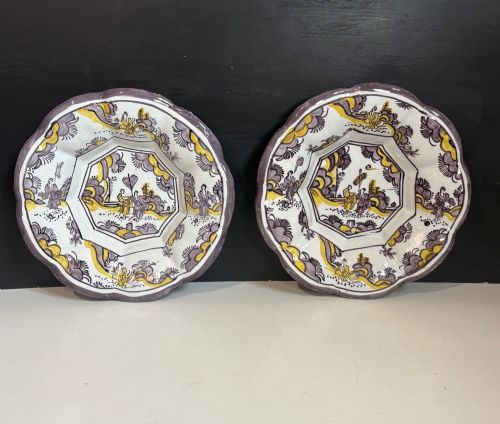
- European artistic styles reflecting Chinese decorative motifs. Painters rendered imaginative landscapes, pavilions, and figures onto earthenware surfaces.
- Faience
- Tin-glazed earthenware produced in France or other continental European regions. The term describes the continental counterpart to English and Dutch delftware.
Tin Glazed Ceramic Charger: Frequently Asked Questions
What is a tin glazed ceramic charger?
A tin glazed ceramic charger is a large earthenware plate covered in an opaque white glaze and painted with mineral pigments. Potters across Europe produced them primarily for display.
These pieces range from seventeenth-century Dutch delftware to eighteenth-century English polychrome dishes. Their expansive surfaces allowed artists to paint detailed landscapes, floral patterns, and historical scenes.
How were these chargers used originally?
Historical households displayed these large platters on sideboards, dressers, or walls to demonstrate taste and prosperity. Their size and painted decoration made them focal points in formal rooms.
While constructed from earthenware, they served ceremonial or ornamental roles rather than heavy everyday dining use. Barber shops even utilised specialised shallow bowls for bleeding.
How do I care for antique tin glaze?
Display these chargers away from direct sunlight and areas prone to sudden temperature shifts. Dust them gently with a soft, dry cloth without applying water or cleaning solutions.
The underlying earthenware and tin glaze can absorb moisture through tiny surface crazing lines. Keeping them in a stable indoor environment protects the historic painted pigments.
How do I distinguish English and Dutch pieces?
English delftware often exhibits distinct clay bodies and foot rim characteristics compared to continental European production. Examining the glaze tone and palette provides further clues to origin.
Potters in Bristol, London, and various Dutch towns employed local variations in cobalt preparation and brushwork. Stylistic motifs like geometric floral borders help assign specific regional attributions.