



Tin Glaze Pottery Platter
A tin glaze pottery platter brings centuries of tin-glazed earthenware and painted tin glaze charm to a table or wall.
Tin Glaze Pottery Platter
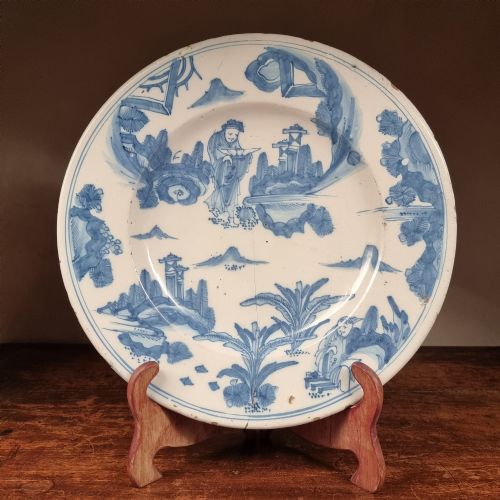
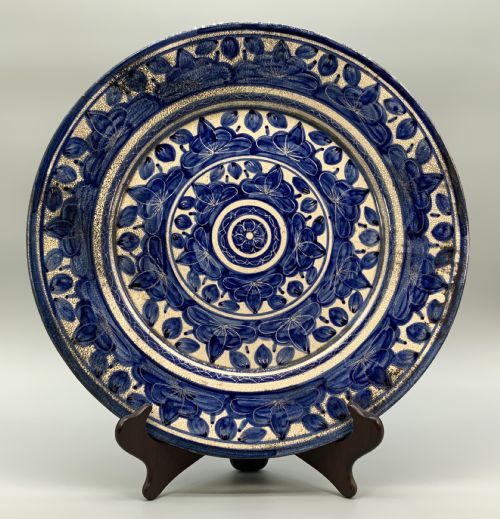
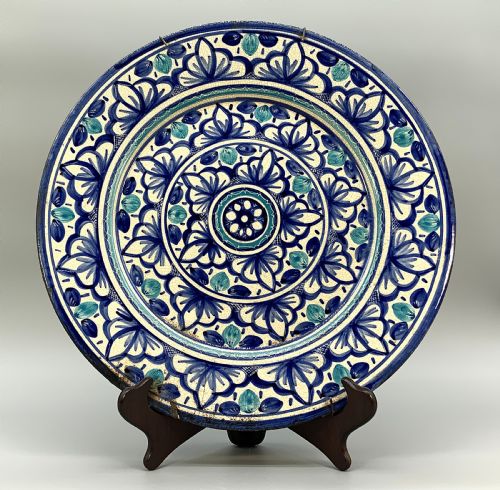
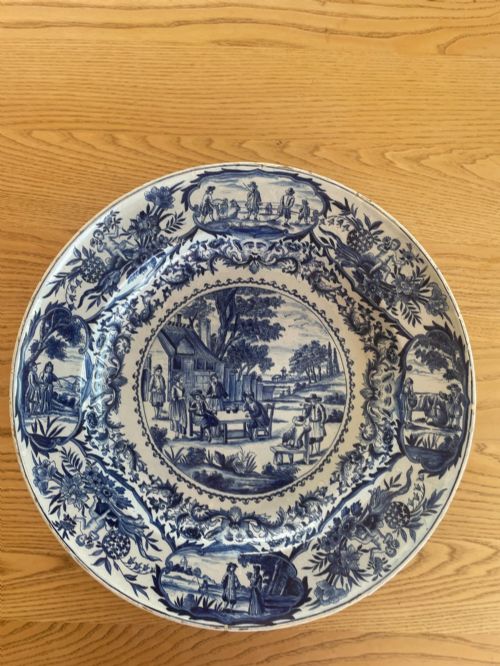
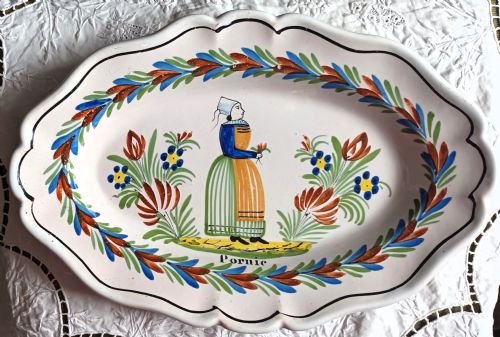
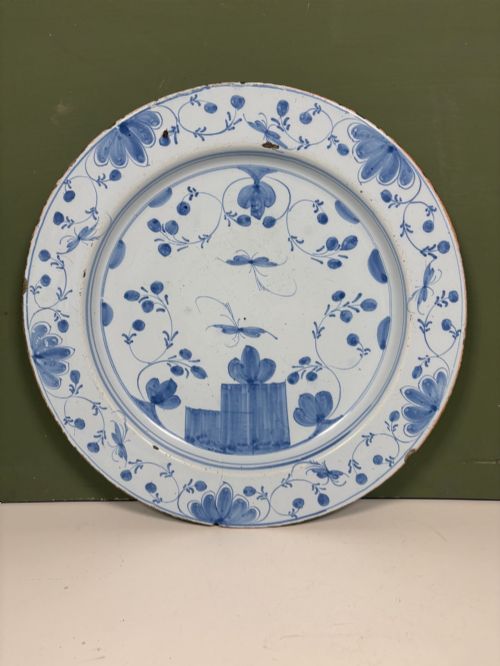
A tin glaze pottery platter encompasses large decorative chargers, serving dishes, and wall chargers produced across several centuries. Buyers seeking a tin glaze pottery platter typically encounter round chargers and plates displaying traditional blue and white or polychrome pigments.
The selection ranges from early Dutch Delft examples and English polychrome pieces to French faience and Italian maiolica. Pieces frequently span the seventeenth, eighteenth, and nineteenth centuries, with occasional twentieth-century interpretations in Moorish and continental styles.
Forms vary from deep serving dishes to broad wall chargers designed for display. The common thread uniting these objects is the opaque tin-glazed earthenware body providing a canvas for hand-painted decoration.
Methods and materials
Potters formed the body using basic earthenware clay shaped into plates, dishes, and large chargers. This clay base was fired to create a porous biscuit ready to receive the liquid glaze.
Workers applied an opaque tin glaze, usually containing oxides that dried to a milky white surface. Artisans then painted directly onto this absorbent unfired glaze using pigments such as cobalt oxide and manganese.
A final high-temperature kiln firing fused the painted pigments into the molten glaze layer. This technique locked the colours into the surface, producing the characteristic gloss and smooth finish seen on historic chargers.
Many an antique charger hides the sandy scars of tiny kiln-prop marks on its face, left behind when the glaze boiled.
Judging quality in tin glaze pottery platters
Quality rests primarily in the crispness and confidence of the hand-painted brushwork across the surface. Finer pieces display deliberate, expressive pigment application rather than hesitant or formulaic marks.
The clarity and brilliance of the tin glaze itself distinguish superior examples from heavier, duller work. A smoother white ground allows cobalt blue and polychrome details to maintain visual depth and contrast.
Proportion and scale also dictate the standing of a charger, particularly on larger platters where maintaining a flat, stable plate centre during firing required considerable skill.
De Witte Ster·Quimper French Faience·Desvres French Faience
The Tin Glaze Pottery Platter Glossary
- Tin-glazed earthenware
- Earthenware pottery covered with a glaze made opaque by the addition of tin oxide. This white surface serves as the background for painted decoration.
- Delftware
- Tin-glazed earthenware made in the Netherlands, particularly associated with blue and white designs imitating Chinese porcelain. English variants share similar manufacturing traditions.
- Faience
- European tin-glazed pottery, most commonly used to describe French, Italian, or other continental wares. The term encompasses a wide variety of decorative dishes and plates.
- Charger
- A large ornamental plate intended for display on a sideboard, dresser, or wall rather than for everyday dining. These wide vessels offer an expansive field for painted scenes.
- Polychrome
- Decoration employing multiple colours rather than a single hue like blue. On these platters, it often includes touches of yellow, green, red, and manganese.
- Grand Feu
- A ceramic firing technique where pigments are applied directly to the raw glaze and fired once at high temperature. This method fuses the colours permanently into the glaze.
Tin Glaze Pottery Platter: Frequently Asked Questions
How were old chargers displayed?
Historic chargers were frequently stood upright on dressers, sideboards, or hung directly on walls using wire frames to showcase the painted imagery.
Because of their large size and decorative impact, they served primarily as visual centerpieces in domestic rooms rather than utilitarian tableware.
What is the difference between Delft and faience?
Delft specifically denotes tin-glazed earthenware produced in the Netherlands or England, whereas faience is a broader term applied across France and continental Europe.
Both share the fundamental technique of a tin oxide glaze over an earthenware body, decorated with hand-painted pigments.
Can I use these platters for food?
These historic chargers are generally treated as decorative objects rather than items for serving food. Age, historic wear, and the composition of older glazes make display the preferred method of enjoyment.
Placing them on walls or plate stands protects the fragile earthenware body and historic surfaces from accidental damage.
How do I care for a tin glazed dish?
Dust the surface gently with a dry, soft cloth and avoid using water, cleaning products, or abrasive materials on the porous glaze.
Keep pieces away from areas prone to heavy moisture or temperature fluctuations to preserve the stability of the earthenware.