



Cobalt Blue Delftware Charger
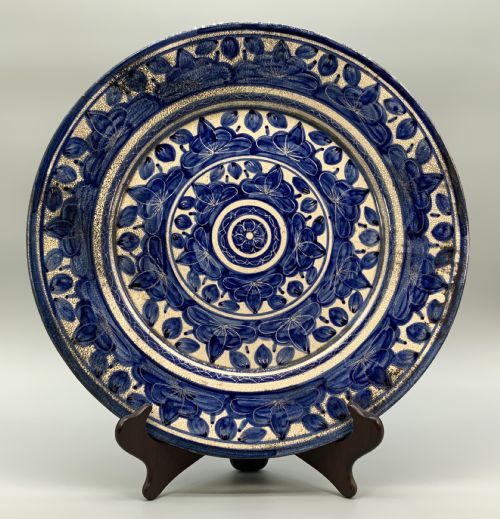
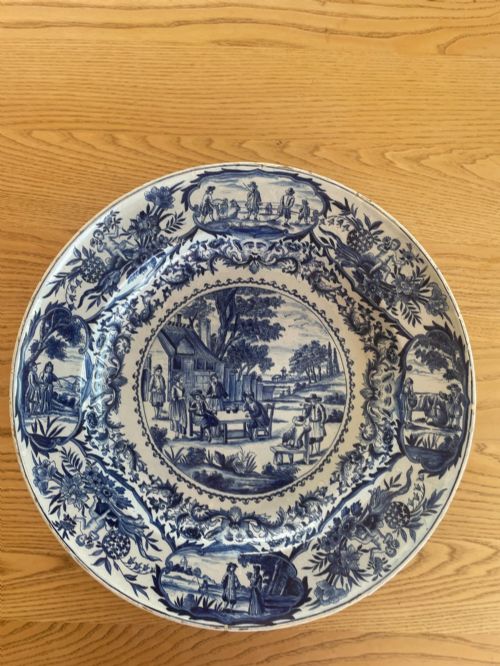
A cobalt blue delftware charger is a tin-glazed ceramic display piece that brings vibrant blue pigment and centuries of history to a room.
Cobalt Blue Delftware Charger
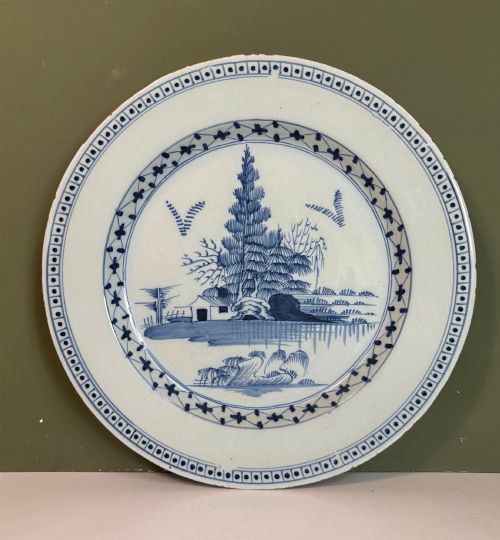
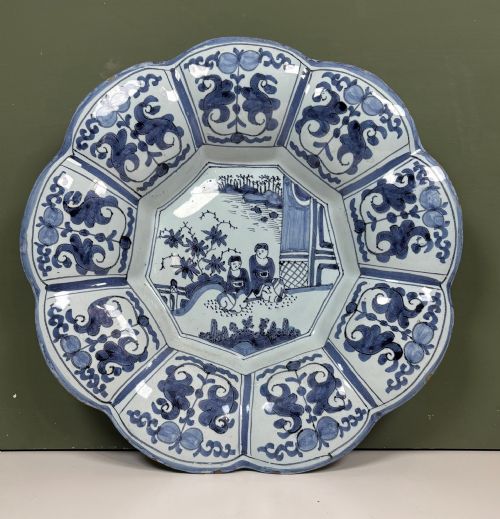
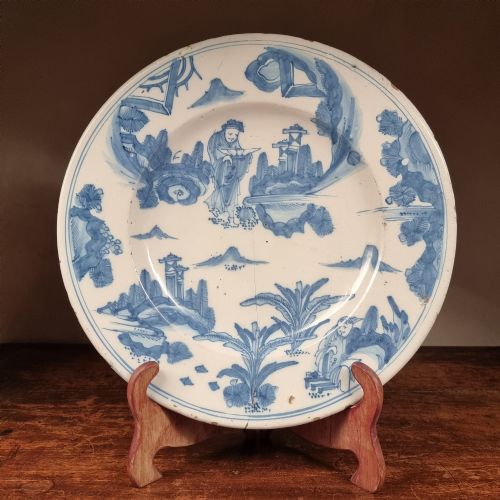
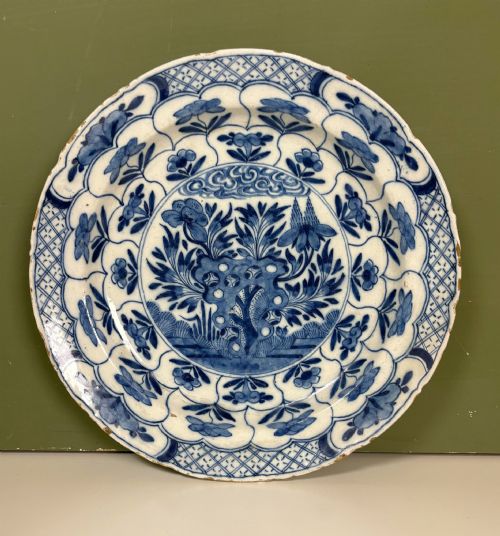
A cobalt blue delftware charger is a broad earthenware dish designed primarily for display rather than daily dining. These pieces arrive in varied forms such as large chargers, shallow bowls, and decorative plates that span multiple centuries.
The version a buyer meets most frequently on this page is the eighteenth-century charger, alongside seventeenth-century examples and nineteenth-century interpretations. Makers utilised styles ranging from Dutch Baroque and Georgian Chinoiserie to Moorish influences.
Objects originate from distinct traditions including English and Dutch potteries. Their large diameters provide a generous canvas for blue painted ornamentation.
How they were made
Potters built these items using earthenware covered in a tin glaze to produce an opaque white surface. Cobalt oxide or cobalt pigment was then applied directly onto the unfired or fired glaze to create the characteristic blue decoration.
The pigments reacted with the glaze during kiln firing to yield deep blue tones across plates and dishes. Artisans painted freehand motifs, drawing on Chinese inspiration and domestic floral or geometric patterns.
Materials recorded across the inventory include tin-glazed earthenware, ceramic bodies, and cobalt pigment.
What varies in quality
Quality rests in the precision of the cobalt brushwork and the stability of the tin glaze across the earthenware body. Superior examples display confident, fluid painting that maintains clarity across the entire diameter of the charger.
The depth of colour and the brilliance of the white background distinguish finer pieces from simpler domestic wares. Surface preservation and the harmony of the overall design dictate the standing of an individual charger.
De Witte Ster
The Cobalt Blue Delftware Charger Glossary
- Tin Glaze
- An earthenware glaze containing tin oxide that fires to a white, opaque finish. This coating provides the smooth background required for painting in cobalt pigment.
- Cobalt Pigment
- A metallic colourant derived from cobalt oxide used to paint blue designs onto ceramic surfaces. It withstands high kiln temperatures without losing its intense hue.
- Charger
- A large decorative plate traditionally utilised for display on sideboards or walls. These substantial dishes measure significantly wider than standard dining plates.
- Kraak
- A style of imported Chinese porcelain featuring panelled decoration that influenced European delftware painters. Potters adopted these motifs for plates and dishes.
- Earthenware
- Porous pottery fired at relatively low temperatures compared to porcelain. It forms the structural body beneath the white tin glaze.
Cobalt Blue Delftware Charger: Frequently Asked Questions
What is a delftware charger?
A delftware charger is a large tin-glazed earthenware plate intended for display rather than heavy table use. These pieces measure broader than standard dishes and display painted cobalt designs.
Potters produced them across several centuries in England and continental Europe. Their wide surfaces allowed artisans to paint elaborate floral, geometric, and Chinese-inspired scenes.
How were these chargers displayed?
Historical interiors utilised these large earthenware dishes as wall decorations or set them upright on sideboards and dressers. Their bold blue and white colour schemes provided striking visual contrast against wood panelling or plastered walls.
Collectors today continue to exhibit them on plate rails, wall brackets, or dedicated stands. This method protects the fragile earthenware body while highlighting the painted surface.
How do I tell seventeenth and eighteenth-century pieces apart?
Seventeenth-century chargers often exhibit heavier earthenware bodies, deeper wells, and distinct tin glaze characteristics influenced by early manufacturing techniques. Their painted motifs frequently draw on Kraak porcelain patterns or dense floral arrangements.
Eighteenth-century examples tend to show refined throwing techniques, thinner profiles, and lighter body weights. The blue pigment application often shifts towards Georgian Chinoiserie or simpler landscape compositions as styles evolved.
Are these chargers safe for food use?
Historic tin-glazed earthenware is unsuited for modern culinary use due to the porous nature of the clay body and the composition of historic glazes. Washing them improperly or serving wet food can damage the antique ceramic structure.
These chargers remain strictly decorative or collectible objects. Preserving them involves dry dusting and keeping them away from moisture and direct heat sources.