


Traditional Delftware Pottery
Traditional delftware pottery brings tin-glazed earthenware and faience into rooms through blue and white vases, chargers, and table lamps.
Traditional Delftware Pottery
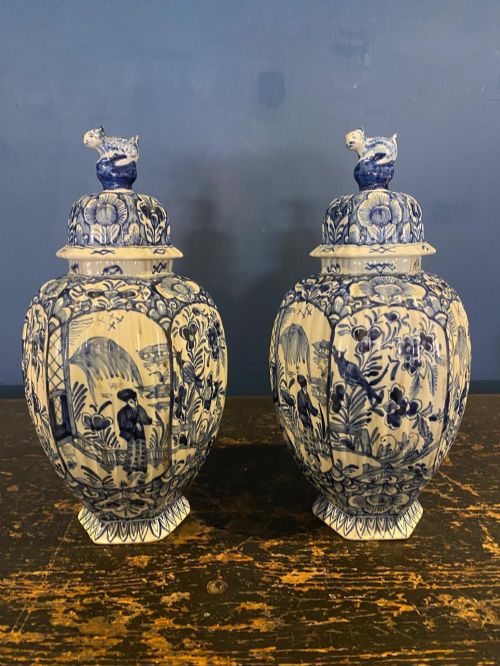
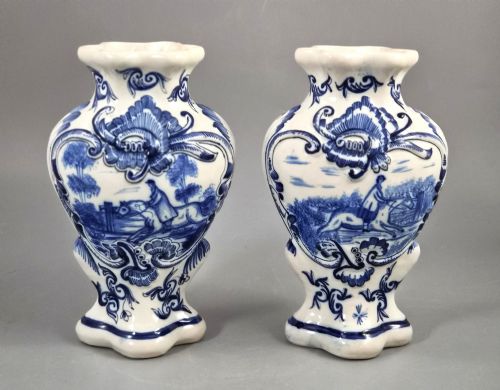
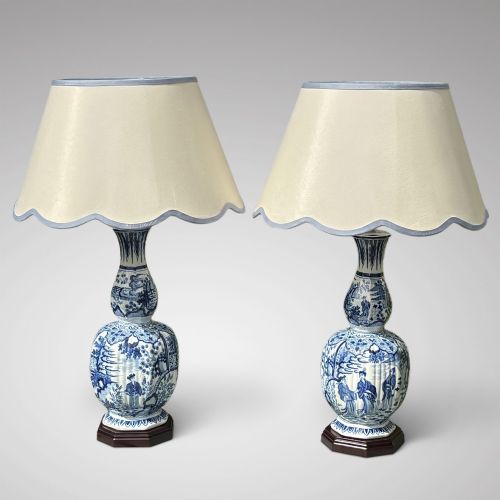
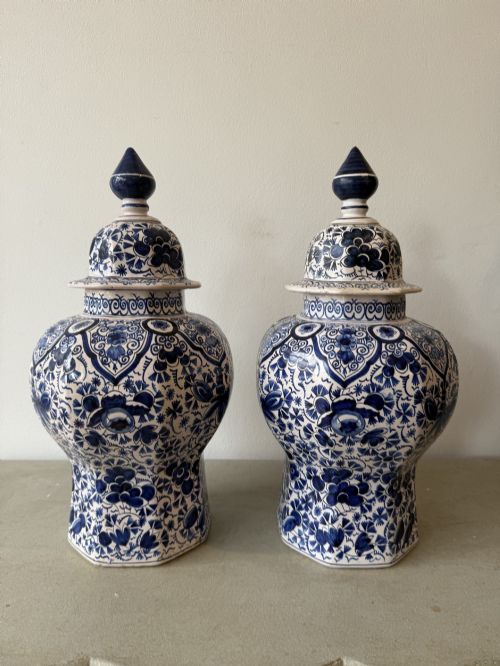
Traditional delftware pottery encompasses tin-glazed earthenware and faience pieces originating from the eighteenth and nineteenth centuries. Buyers investigating traditional delftware pottery encounter items ranging from simple wall chargers and decorative plates to lidded vases and desk inkstands. Table lamps converted from earlier vases appear frequently among these listings.
The aesthetic leans heavily on blue and white decoration, drawing on Dutch delft and French Rococo Revival or Georgian Chinoiserie styles. Forms span from simple eighteenth-century plates to late nineteenth-century desktop inkwell stands and pairs of vases.
How traditional delftware pottery was made
Potters shaped these objects from earthenware bodies before applying tin-glaze to create an opaque white surface suitable for painting. Artisans then hand-painted traditional blue and white motifs directly onto the absorbent glaze layer prior to firing.
Certain pieces integrate mixed materials, pairing ceramic bodies with wooden or brass components, particularly in the construction of desk inkstands and electrified table lamps.
Inkstands gather brass and ceramic in one spot so an 1880s writer could spill ink without ruining the mahogany desk.
What varies in quality
Quality in traditional delftware pottery rests primarily on the crispness and control of the hand-painted blue decoration across the tin-glaze. Pieces demonstrating finer brushwork and balanced composition sit apart from simpler, heavier-handed productions.
The physical condition of the fragile tin-glaze surface heavily influences the standing of a piece. Intact glazes without extensive chipping distinguish better-preserved examples from those carrying heavy wear.
Fourmaintraux-Courquin
The Traditional Delftware Pottery Glossary
- Tin-Glazed Earthenware
- Pottery fired with a lead glaze made opaque by the addition of tin oxide. This technique provides the white background typical of delftware.
- Faience
- European tin-glazed earthenware, particularly that made in France and other continental centres outside Holland. The term relates closely to traditional delftware methods.
- Charger
- A large decorative ceramic plate intended for display on a wall or sideboard rather than for dining use. These items form a distinct visual category within the listings.
- Inkstand
- A fitted desk stand holding an inkwell, sander, and penholders, often fashioned from ceramic or faience. They represent the practical desk furniture of past centuries.
Traditional Delftware Pottery: Frequently Asked Questions
What is delftware pottery made of?
Traditional delftware pottery is formed from earthenware coated with a tin-glaze. This mineral-based glaze gives the ceramic a smooth white finish.
Painters then apply cobalt blue pigments directly onto the unfired or lightly fired glaze. Subsequent kiln firing fuses the blue design permanently into the white coating.
How do I date antique delftware?
Dating relies on examining the ceramic body, glaze characteristics, and painting style. Eighteenth-century pieces often display thinner bodies and softer glaze textures.
Later nineteenth-century examples, including those from the 1880s and 1900s, frequently show heavier earthenware bases and different potting techniques.
Were delft vases used for flowers?
Many lidded vases and vessels served ornamental purposes within wealthy interiors rather than holding water for fresh stems. Their delicate tin-glaze surfaces made them vulnerable to moisture.
Displaying them on mantelpieces or cabinets was the primary function in Georgian and nineteenth-century rooms.
Can I use antique inkstands today?
Inkstands made from tin-glazed earthenware function well as desk accessories or pen trays. Modern owners generally avoid filling antique ceramic inkwells with liquid ink to protect the porous earthenware interior.
They remain decorative desk pieces that anchor traditional studies and libraries.