








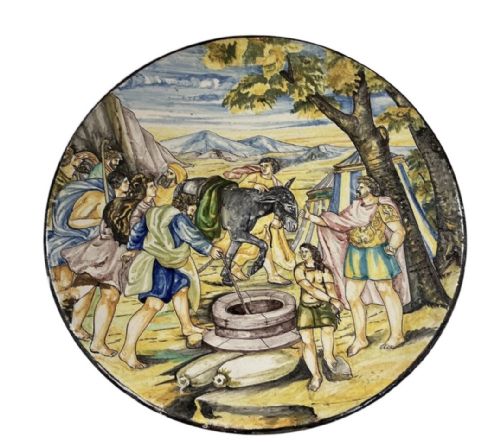
Tin Glaze Ceramic Plate
A tin glaze ceramic plate brings centuries of European earthenware tradition to the table, valued for its painted blue and white or polychrome surface.

Tin Glaze Ceramic Plate
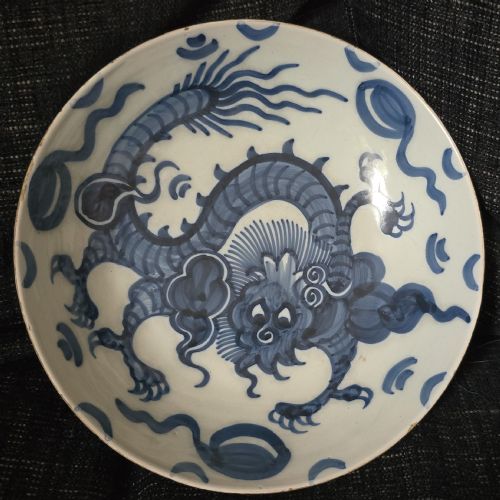
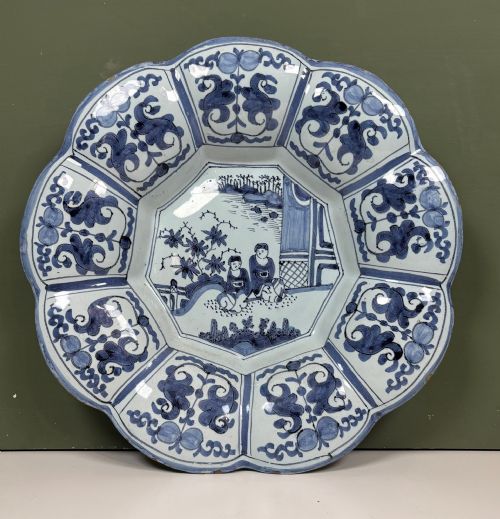
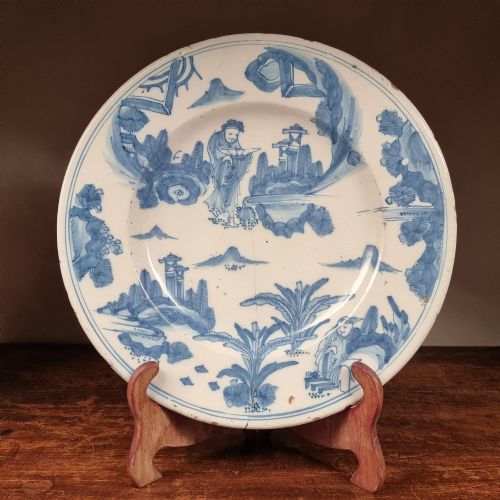
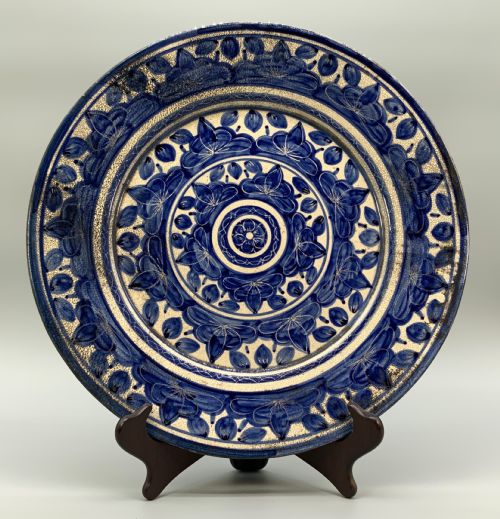
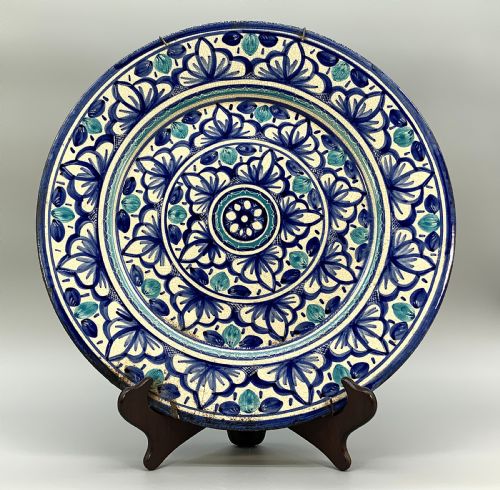
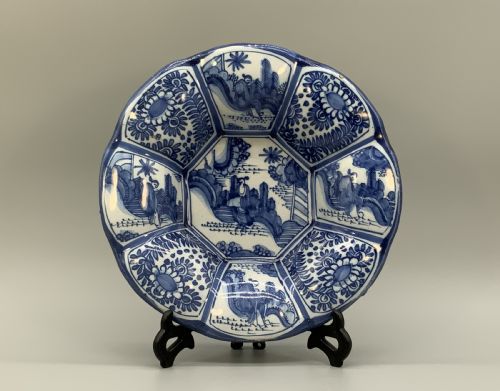
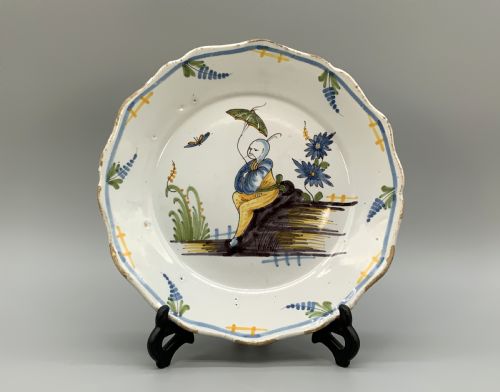
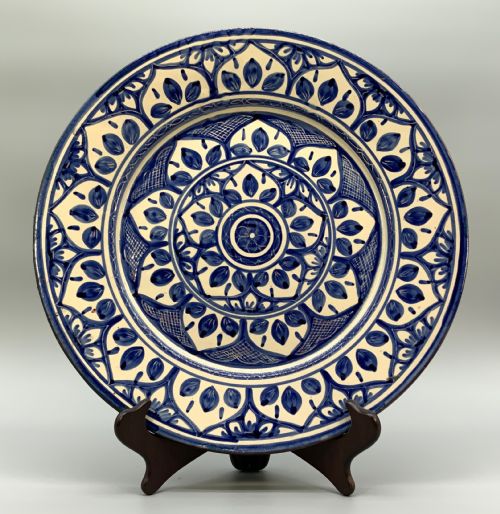
A tin glaze ceramic plate is a form of decorative earthenware created across various European centres from the seventeenth century onwards. Buyers searching for a tin glaze ceramic plate encounter historic charger plates, shallow bowls, and dishes shaped in Dutch, English, French, and Spanish traditions. The pieces span the seventeenth, eighteenth, and nineteenth centuries, alongside twentieth-century continental revivals.
The most common formats on this page are large charger plates and dishes originating from Dutch and English potteries. These often display traditional cobalt pigment decoration, floral motifs, or Chinoiserie scenes across a white tin-glazed surface. Examples range from early seventeenth-century Kraak style pieces to vibrant eighteenth-century polychrome designs.
Materials and methods
Potters formed these items from earthenware clay, coating the fired body in a white opaque glaze containing tin oxide. This tin-glazed ground provided a smooth, absorbent surface capable of holding pigments before a final kiln firing.
Decorators applied cobalt pigment, manganese, and polychrome mineral colours directly onto the unfired glaze. The palette relied on metallic oxides that fused into the glaze during high-temperature grand feu firing or subsequent lower-temperature firings.
Tin Glaze Ceramic Plate Retail Price Guide 2026
Typical asking prices for tin glaze ceramic plate among the pieces listed under this phrase on Sellingantiques today, from the lower quarter to the upper quarter. They describe what is for sale here now, not the wider market.
Marriage plates recorded vows in painted cobalt, ensuring the kitchen wall commemorated the union long after the wedding feast ended.
Factors of distinction
Quality rests in the precision of the hand-painted brushwork and the clarity of the tin glaze over the earthenware body. Early pieces with well-defined historical scenes or complex floral layouts demonstrate superior artistry compared to later mass productions.
The depth of the pigment and the stability of the glaze during firing distinguish finer works. Superior examples maintain crisp cobalt outlines and rich polychrome tones without excessive blurring or glaze pooling.
The Tin Glaze Ceramic Plate Glossary
- Tin-Glazed Earthenware
- Pottery covered with a lead glaze made opaque by the addition of tin oxide. This creates the characteristic white background used for hand-painted decoration.
- Charger
- A large ornamental plate intended primarily for display on a wall or dresser rather than for dining use. These substantial dishes measure significantly wider than standard tableware.
- Delftware
- Tin-glazed earthenware manufactured in the Netherlands or England, renowned for blue and white designs influenced by imported Chinese porcelain. Production flourished during the seventeenth and eighteenth centuries.
- Polychrome
- Decoration employing multiple distinct colours, typically incorporating greens, yellows, blues, and manganese on a single ceramic surface. This technique allowed for vivid floral and figural compositions.
- Chinoiserie
- European artistic styles reflecting Chinese motifs and landscapes, frequently adapted by tin-glaze painters on plates and dishes during the seventeenth and eighteenth centuries.
Tin Glaze Ceramic Plate: Frequently Asked Questions
Can these hang on walls?
Many chargers feature historic footrim perforations or tolerate padded wire hangers designed for display.
Verify the structural stability of the earthenware body before mounting any heavy charger plate.
What causes glaze crazing?
Crazing appears as a fine network of microscopic cracks across the tin glaze layer over time.
This natural ageing process results from the differing contraction rates of the earthenware body and the glaze.
How to spot English delft?
English pieces often show distinctive pinkish earthenware bodies and characteristic manganese-tinted glaze undersides.
Brushwork styles and specific floral palettes also help distinguish London and Bristol workshops from Dutch kilns.